China · Hēilóngjiāng
Where to Stay in Jiamusi, Hēilóngjiāng
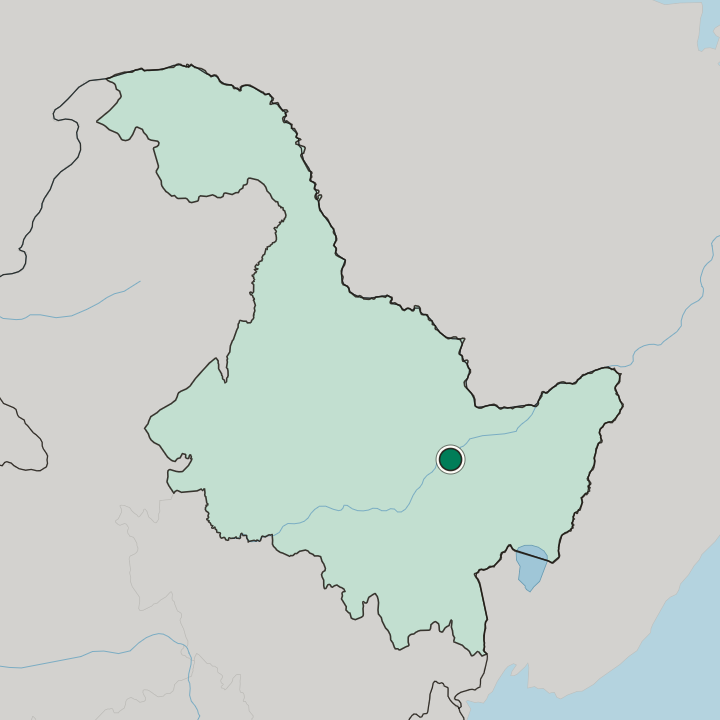
Jiamusi is a prefecture-level city on the Songhua River in Hēilóngjiāng, China, facing Khabarovsk Krai across the Ussuri River.
Hotel links are affiliate links: booking through them may earn us a commission, at no extra cost to you. It never affects how places are ranked. How this works


Where to stay in Jiamusi
Where visitors usually base themselves, and why.
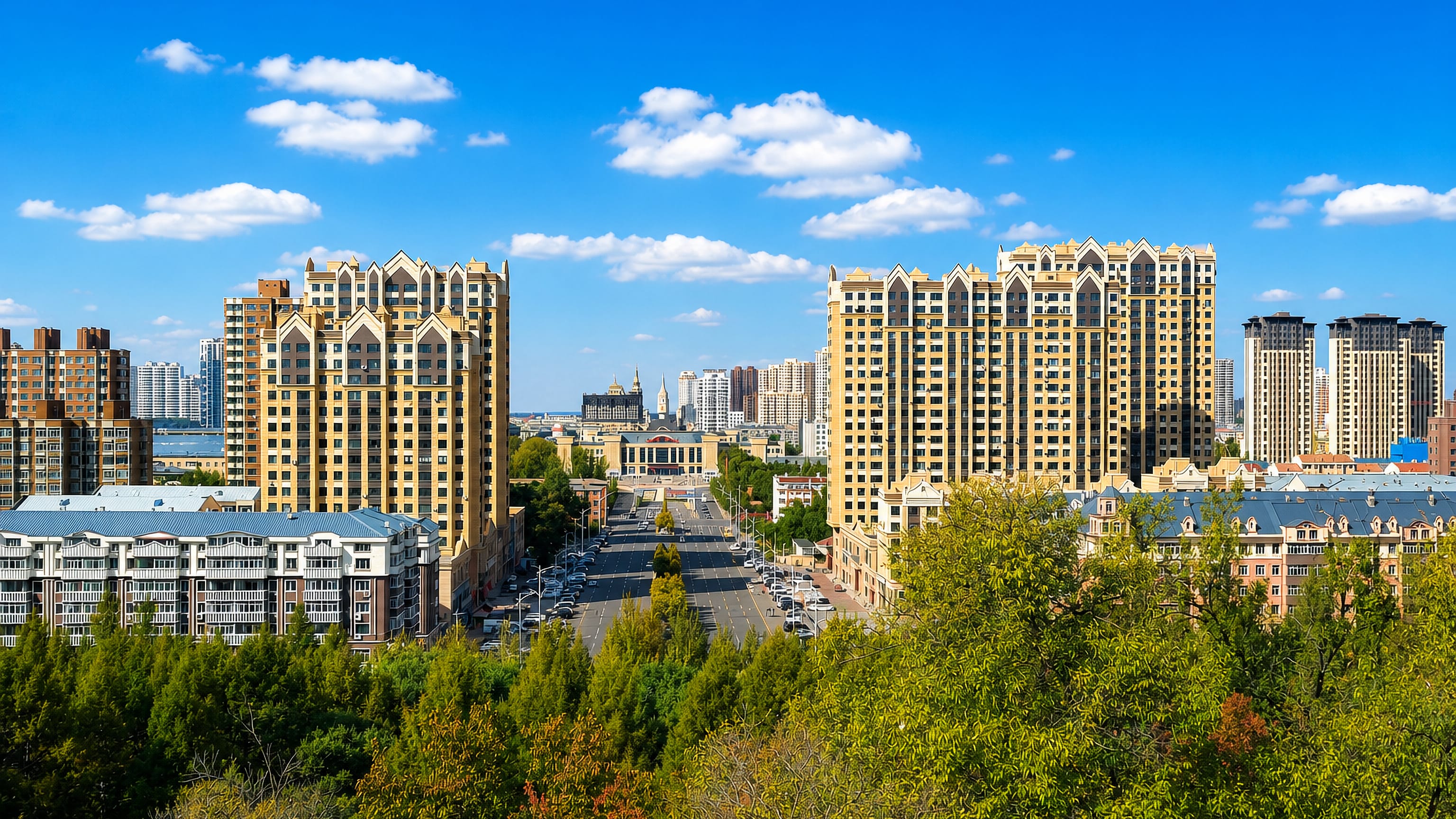
Beds gather in the urban core. Four urban districts make up Jiamusi's built-up area, and they hold the practical choice for almost every visitor, since prefecture-level status stretches the name across a broad slice of the Sanjiang Plain that has no accommodation at all. A room near the Songhua River keeps those districts within walking reach.
Beyond that frontage the distances open up quickly, and what looks close on a map of Hēilóngjiāng turns into an hour of driving across level ground. The Honghe National Nature Reserve changes the calculation. Its reedbeds and shallow water reward an early start, and a bed anywhere near the reserve edge turns a long approach into a short one, though supply out there is thin.
Ruins pull in a different direction. The Taowen Wanhufu City Ruins, the Walihuotun City Ruins and the ancient city recorded as Mangjitazhan lie scattered rather than grouped, so no single base puts all three within easy reach. Anyone continuing toward Khabarovsk Krai should sleep on the Jiamusi side first, since the Ussuri River and the Heilongjiang mark an international boundary rather than a city limit.
Honghe, the ruins and the river frontage rarely suit one address, so a split of nights works better than a single fixed base.
Find hotels in Jiamusi
Direct booking searches for these neighbourhoods.
Songhua River frontage
The riverside strip is the one part of the prefecture where beds, shops and the Songhua water sit within the same walkFind hotels in Songhua River frontageDawn starts into the reedbeds of Honghe National Nature ReserveHonghe reserve edge
Rooms out by the Honghe wetland cut the approach to the reserve down from a half-day drive across the Sanjiang Plain. Lodging is scarce in this area; reserve in advance.Find hotels in Honghe reserve edgeDriving days taking in the Taowen Wanhufu City Ruins and the Walihuotun City RuinsThe walled-site circuit
A base out on the plain shortens the runs between Jiamusi's scattered earthwork sites and the ancient city recorded as Mangjitazhan. Rooms are few around here — worth securing early.Find hotels in The walled-site circuitHotel links are affiliate links: booking through them may earn us a commission, at no extra cost to you. It never affects how places are ranked. How this works
About Jiamusi
What is Jiamusi known for?
Jiamusi occupies the Sanjiang Plain along the middle and lower Songhua River, and the frontier with Russia lies just beyond it, marked by the Ussuri River and the Heilongjiang running past Khabarovsk Krai. Honghe National Nature Reserve gives the second reason to come, protecting marsh and open water on the same flat ground. Older layers show through in the Taowen Wanhufu City Ruins, the Walihuotun City Ruins and the sites listed as the Han and Wei Sites of the Sanjiang Plain.
Flat ground fills the space between.
What are the main landmarks in Jiamusi?
Five entries carry the list. The Taowen Wanhufu City Ruins, the Walihuotun City Ruins and the ancient city recorded as Mangjitazhan each preserve the outline of a walled settlement on the Sanjiang Plain, while the Han and Wei Sites of the Sanjiang Plain hold a separate designation for a much older layer. Honghe National Nature Reserve is the natural counterweight, protecting reedbed and shallow water rather than masonry.
None of it is monumental.
What is the history of Jiamusi?
Jiamusi's founding year is missing from the record. What stands in place of one is a scatter of walled sites across the Sanjiang Plain, and the earliest of them carry a heritage designation that names the Han and Wei eras directly. Earthworks, not buildings, hold that record.
The Taowen Wanhufu City Ruins and the Walihuotun City Ruins each keep the outline of a defended settlement, and the ancient city recorded as Mangjitazhan belongs to the same scatter. The Songhua River explains the placement. Its middle and lower reaches run through the prefecture, and the Ussuri River and the Heilongjiang form the far side, with Khabarovsk Krai on the opposite bank.
Modern administration sits on top. Hēilóngjiāng organises Jiamusi as a prefecture-level city, an office covering a wide sweep of plain and marsh far beyond the four urban districts. Official records write the name Jiamusi City.
That written form carries the city rank itself, and it separates Jiamusi from the counties and districts the prefecture administers around it. Protection came last. Honghe National Nature Reserve holds a remnant of the plain's wetland at national level, and it is the newest of the named places China records here.
Where is Jiamusi?
Three rivers frame the prefecture. Jiamusi occupies part of the Sanjiang Plain, a low expanse that the Songhua River crosses along the middle and lower reaches of its course through Hēilóngjiāng. The Ussuri River and the Heilongjiang mark the far edge, with Khabarovsk Krai on the opposite bank.
Marsh and open water persist inside Honghe National Nature Reserve.
What is the climate of Jiamusi?
The plain offers no shelter. Jiamusi falls in the temperate band of the northern hemisphere, so the year divides into a warm half and a cold one rather than into wet and dry seasons. Flat, open country across the Sanjiang Plain leaves little to break the wind.
The Songhua River and the wetland inside Honghe National Nature Reserve put a good deal of standing water under that air.
How do you get to Jiamusi?
Rivers set the approaches. The Songhua River runs through the prefecture on the middle and lower part of its course, and the Ussuri River and the Heilongjiang form a national boundary, so any crossing on that side leads into Khabarovsk Krai rather than onward through Hēilóngjiāng. Four urban districts hold the built-up area, and everything else in the prefecture-level city is reached across the open Sanjiang Plain.
Common questions
What is the best area to stay in Jiamusi?
Songhua River frontage: Stays that want Jiamusi's four urban districts on foot from the Songhua River. Honghe reserve edge: Dawn starts into the reedbeds of Honghe National Nature Reserve. The walled-site circuit: Driving days taking in the Taowen Wanhufu City Ruins and the Walihuotun City Ruins.
More cities in Hēilóngjiāng
Updated September 2026