China · Hēilóngjiāng
Where to Stay in Mudanjiang, Hēilóngjiāng
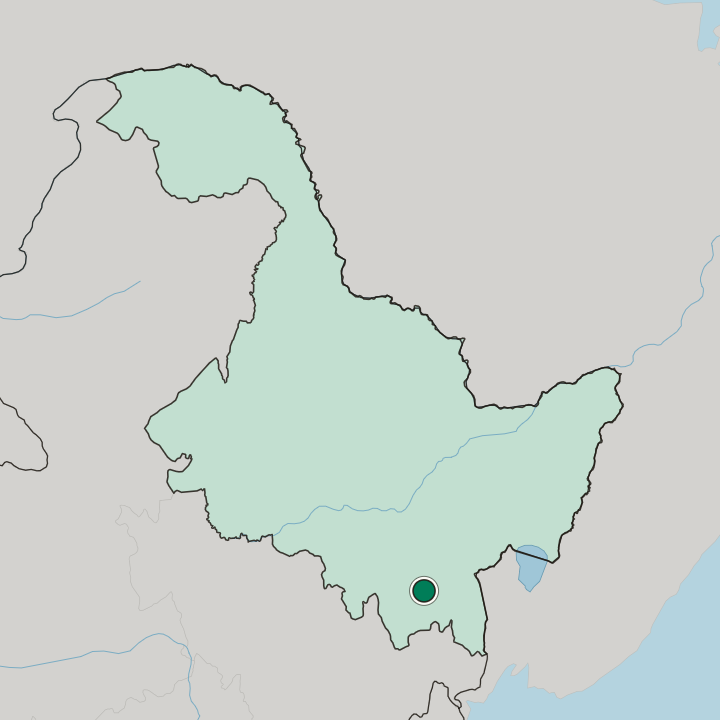
Mudanjiang is a prefecture-level city in Heilongjiang, a railway junction holding Shangjing Longquanfu and the Buildings of the Chinese Eastern Railway.
Hotel links are affiliate links: booking through them may earn us a commission, at no extra cost to you. It never affects how places are ranked. How this works


Where to stay in Mudanjiang
The practical side of choosing where to sleep.
Hengdaohezi and the railway core split the decision here. A room in the built-up centre of Mudanjiang is the practical default, since the junction, the international airport and St Nicholas church all belong to that side, and the ordinary business hotels serving the rail and air traffic are plentiful and easy to book at short notice. Beds there are unremarkable.
That matters less than it sounds, because the point of the centre is the ease of leaving it again, with the Buildings of the Chinese Eastern Railway readable in the streets before any journey begins. Hengdaohezi is the opposite proposition. The old rail settlement carries the Entry of the Theotokos Church, Hengdaohezi and Former Hengdaohezi Locomotive Depot Dormitory, and staying overnight is the only way to see either without a long return drive, though rooms are few and simple.
Book ahead there. The archaeological half of the prefecture argues for a third pattern: Shangjing Longquanfu, the Ruins of Old Town of General of Ningguta's Garrison and the Wupaishan City Ruins are spread far enough apart that a driver moving base once will cover more ground than one commuting out from Mudanjiang each morning. The Mudanjiang Border Wall suits the same approach.
Anyone pairing it with the Tuanjie Site or the Hekou site should plan on distances measured in hours rather than minutes, and should treat the county roads, not the beds, as the constraint.
Find hotels in Mudanjiang
Direct booking searches for these neighbourhoods.
The railway core
The centre of Mudanjiang, where the junction, the airport traffic and St Nicholas church share one districtFind hotels in The railway coreAn overnight for the Entry of the Theotokos Church, HengdaoheziHengdaohezi
The old rail settlement of Hengdaohezi, the only base within reach of Former Hengdaohezi Locomotive Depot Dormitory. Rooms are few around here — worth securing early.Find hotels in HengdaoheziDrivers working through Shangjing Longquanfu and the Wupaishan City RuinsThe Shangjing Longquanfu side
County lodging closest to Shangjing Longquanfu and the Ruins of Old Town of General of Ningguta's Garrison. Rooms are few around here — worth securing early.Find hotels in The Shangjing Longquanfu sideHotel links are affiliate links: booking through them may earn us a commission, at no extra cost to you. It never affects how places are ranked. How this works
Things to do in Mudanjiang
Ranked by global recognition; descriptions from Wikidata (CC0).
Churches & Religious Sites
2- St Nicholas church
- Entry of the Theotokos Church, Hengdaohezi
Castles & Historic Sites
3- Shangjing Longquanfu Heritage
- Tuanjie Site Heritage
- Hekou site
worth knowingacross 2 categories in Mudanjiang
About Mudanjiang
The junction came first.
What is Mudanjiang known for?
Rail traffic through Mudanjiang meets an international airport that connects several major Chinese cities and reaches Incheon International Airport for Seoul, which puts this corner of Heilongjiang on more itineraries than its own draw would manage. Ruins do the rest. Shangjing Longquanfu, the Mudanjiang Border Wall and the Buildings of the Chinese Eastern Railway hand a visitor three separate eras, and St Nicholas church adds a fourth in a single afternoon.
What are the main landmarks in Mudanjiang?
Ruins outnumber everything else. Shangjing Longquanfu heads the list, with the Wupaishan City Ruins, the Xiaosifangshan City Ruins and the Ruins of Old Town of General of Ningguta's Garrison spread across the prefecture, while the Tuanjie Site, the Hekou site and the Zhenxing Site add excavated ground to the standing remains. Two churches survive.
St Nicholas church keeps its place in the city and the Entry of the Theotokos Church, Hengdaohezi stands out at the rail settlement, both tied to the Buildings of the Chinese Eastern Railway that also left Former Hengdaohezi Locomotive Depot Dormitory behind.
What is the history of Mudanjiang?
Shangjing Longquanfu is the deepest layer on the ground. Walled sites carry the same early record onward, among them the Wupaishan City Ruins, the Xiaosifangshan City Ruins, Lazishan City Ruins and Laoheishan City Ruins, while Bohai Kingdom Sanling Tombs and the excavated Tuanjie Site, Hekou site and Zhenxing Site fill in what the walls alone cannot. Garrison rule came later.
The Ruins of Old Town of General of Ningguta's Garrison mark the period when this stretch of Heilongjiang was held and governed from a military seat rather than a market town. The railway rewrote all of it. Buildings of the Chinese Eastern Railway went up along the line and left St Nicholas church, the Entry of the Theotokos Church, Hengdaohezi and Former Hengdaohezi Locomotive Depot Dormitory as the visible residue of a Russian-built route through the region.
Occupation followed. The city was called Botankou during the years of Japanese occupation, and the Fortifications of the Japanese Invasion Troops and the Mudanjiang Border Wall record that chapter in concrete and earth, while the Former PLA Air Force Northeastern Flight School belongs to the period after it. Mutankiang was the older romanization.
A visitor reading old maps and timetables will meet that spelling more often than the modern one, which is a useful reminder of how many administrations have written this place down.
Where is Mudanjiang?
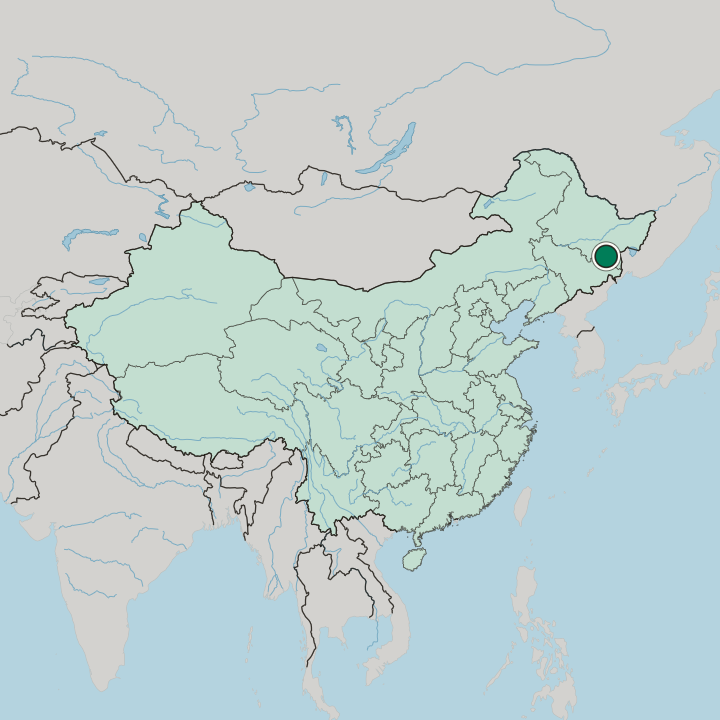
Mudanjiang covers a great deal of ground for one city name. The prefecture reaches well past the built-up area into county country holding Hengdaohezi, the Mudanjiang Border Wall and a scatter of walled ruins, so distances inside the municipality run to hours of driving rather than a short hop. Vladivostok is 248 km off.
That proximity to the Russian side, together with a position in Heilongjiang that made a railway junction worth building, explains why this place has always been read as a corridor as much as a destination.
What is the climate of Mudanjiang?
The sea at Vladivostok sits 248 km off and does nothing for the winters. Cold settles over Mudanjiang for months at a stretch, hard enough that rail settlements such as Hengdaohezi organise their year around it, while the short summer comes warm and wet and turns the county ground green within weeks. Mudanjiang's spring goes by fast.
Autumn is the dependable season for walking the Buildings of the Chinese Eastern Railway or the Mudanjiang Border Wall, once the heat has broken and before the first freeze shuts the smaller roads.
How do you get to Mudanjiang?
Two ways in, both easy. The railway junction handles arrivals from across Heilongjiang and beyond, while the international airport links several major Chinese cities and runs to Incheon International Airport for Seoul, which is why Mudanjiang draws travellers who never intended to stop. Hengdaohezi needs its own leg.
Reaching the outlying ruins, the Mudanjiang Border Wall among them, means a hired car or a county service, and the drive out is long enough that an early start is worth more than any shortcut.
Common questions
What is the best area to stay in Mudanjiang?
The railway core: Nights between flights and trains, with St Nicholas church on foot. Hengdaohezi: An overnight for the Entry of the Theotokos Church, Hengdaohezi. The Shangjing Longquanfu side: Drivers working through Shangjing Longquanfu and the Wupaishan City Ruins.
Good for
More cities in Hēilóngjiāng
Updated September 2026