China · Hēilóngjiāng
Where to Stay in Harbin, Hēilóngjiāng
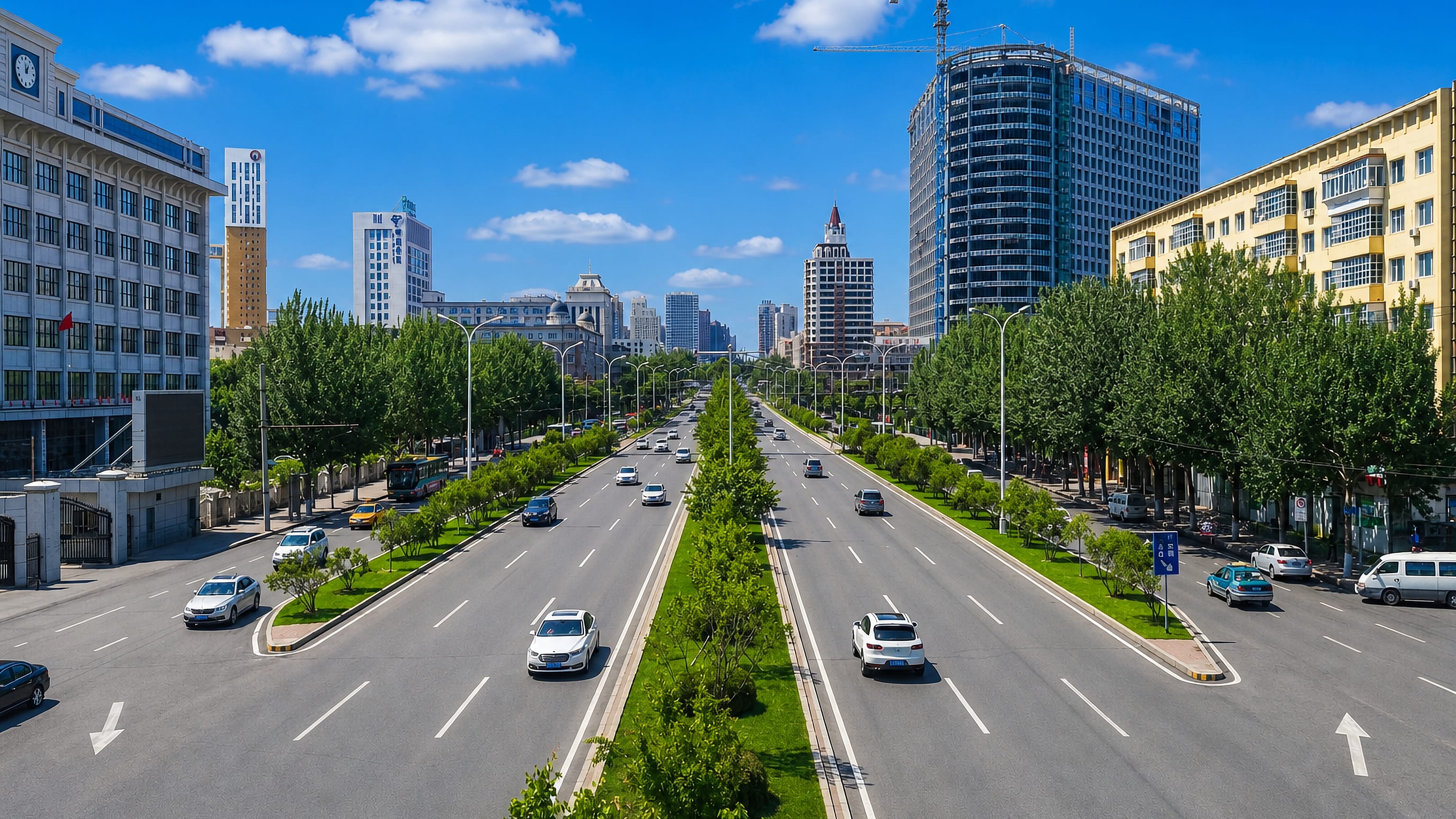
Russian domes rise over Harbin, capital of Heilongjiang in northeast China, an Ice City known for its winter sculpture festival and St. Alexius Church.
Hotel links are affiliate links: booking through them may earn us a commission, at no extra cost to you. It never affects how places are ranked. How this works


Where to stay in Harbin
Not every neighbourhood fits every trip — here's what each one is good for.
 HarbinChina
Daoli District
Granite cobbles run the length of Central Street in Daoli District, a district of Harbin on the Songhua River, known for Saint Sophia Cathedral.Where to stay →HarbinChinaNangang District
Dazhi Street runs the ridge crest through Nangang District, seat of Heilongjiang's provincial government in Harbin, known for Gogol Street and Jile Temple.Where to stay →HarbinChinaXiangfang District
Green roofs top the 1925 depot at Xiangfang railway station, Harbin's first, in Xiangfang District, an inland quarter of factories and campuses.Where to stay →HarbinChinaDaowai District
Baroque facades front Chinese courtyards on Jingyu Street in Daowai District, a district of Harbin known for the old Fujiadian quarter.Where to stay →HarbinChinaSongbei District
White aluminium panels curl across the Harbin Grand Theatre in Songbei District, a north-bank district of Harbin and seat of the city government.Where to stay →HarbinChinaPingfang District
Pingfang District is the least spacious of Harbin's nine districts, an urban-core borough whose one listed landmark is the Unit 731 museum.Where to stay →HarbinChinaHulan District
Hulan District is one of nine districts of Harbin, covering part of the northeastern suburbs on ground carved from Hulan County.Where to stay →HarbinChinaAcheng District
Acheng District covers Harbin's southeastern edge, in the basin of the Ashi River that named the Jurchen Jin Dynasty.Where to stay →HarbinChinaShuangcheng District
Chengxu Gate still stands in Shuangcheng District, a southwestern district of Harbin laid out in 1814 as a Qing banner fort in the Lalin River basin.Where to stay →Hotel links are affiliate links: booking through them may earn us a commission, at no extra cost to you. It never affects how places are ranked. How this works
Find hotels in Harbin
Direct booking searches for these neighbourhoods.
Old Russian centre
St. Alexius Church and the Harbin Museum of Jewish History and Culture stand among the steeples of the old capital of Heilongjiang.Find hotels in Old Russian centreIce-festival grounds and the winter promenadeRiverside quarter
The Harbin Flood Control Memorial Tower and the Harbin Ferris Wheel mark the open waterfront front where the sculpture crowds gather in the cold.Find hotels in Riverside quarterHotel links are affiliate links: booking through them may earn us a commission, at no extra cost to you. It never affects how places are ranked. How this works
Things to do in Harbin
Ranked by global recognition; descriptions from Wikidata (CC0).
Museums & Galleries
3- Heilongjiang Provincial Museum
- Harbin Museum of Jewish History and Culture
- Northeast Anti-Japanese United Army Museum
Churches & Religious Sites
3- St. Alexius Church, Harbin
- Church of the Dormition
- Joy of All Who Sorrow Church
Castles & Historic Sites
1- Harbin Flood Control Memorial Tower
Stadiums & Sports
1- Harbin Ice Hockey Gym
worth knowingacross 4 categories in Harbin
About Harbin
What is Harbin known for?
Harbin is known for its Russian past and its winters, the reasons behind its unofficial name of Ice City. The yearly ice and snow sculpture festival draws crowds to the capital of Heilongjiang, and orthodox churches survive from the railway years: St. Alexius Church, the Church of the Dormition, and the Joy of All Who Sorrow Church. Domes and steeples mark the skyline.
The Harbin Museum of Jewish History and Culture keeps the record of a community that once thrived here in northeast China.
What are the main landmarks in Harbin?
Harbin's landmarks carry its mixed past. The orthodox churches stand out most: St. Alexius Church, the Church of the Dormition, and the green-domed Joy of All Who Sorrow Church survive from the Russian railway years. Faith left many marks here.
The Harbin Museum of Jewish History and Culture records the old community, while the Heilongjiang Provincial Museum and the Northeast Anti-Japanese United Army Museum hold the province's history, and the Harbin Institute of Technology Museum keeps its scientific record. Along the water, the Harbin Flood Control Memorial Tower and the Harbin Ferris Wheel mark the riverside, and the Harbin Ice Hockey Gym recalls the city's winter sport.
What is the history of Harbin?
Harbin is a young city by Chinese standards, founded in 1898 as a railway town. It rose where a Russian rail line reached across the plains of northeast China, and within a generation the capital of Heilongjiang had drawn engineers, traders, and a large emigre population that gave it a strongly Russian face. The domes came with them.
St. Alexius Church, the Church of the Dormition, and the Joy of All Who Sorrow Church all date from those decades, and the Harbin Museum of Jewish History and Culture records the Jewish community that settled and prospered alongside them. The city's later history turned harder. The Northeast Anti-Japanese United Army Museum keeps the record of the resistance that followed the region's occupation, a chapter that marked all of Heilongjiang.
Through it all Harbin kept the imprint of its founding. The orthodox steeples, the old railway quarter, and the collections of the Heilongjiang Provincial Museum together hold the memory of a place that grew from an 1898 rail junction into the largest city of the province and its administrative seat.
Where is Harbin?
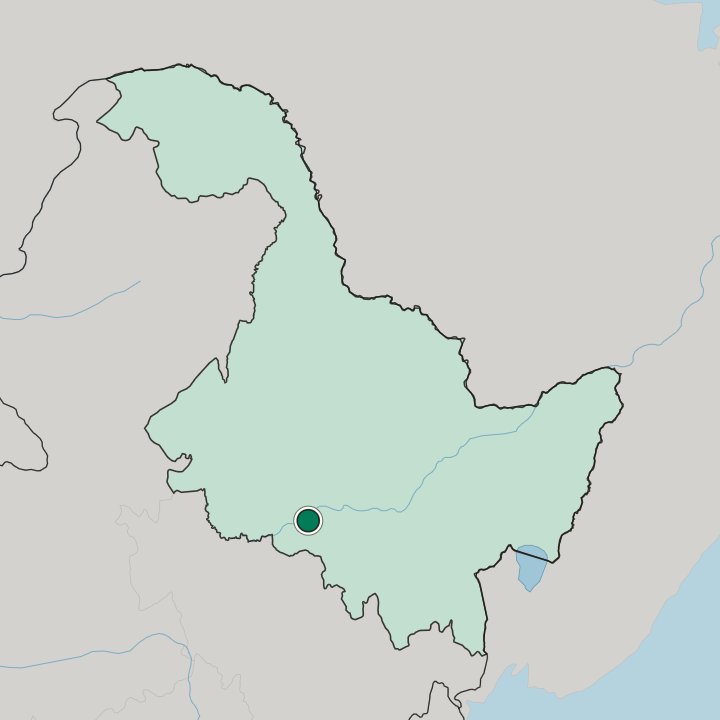
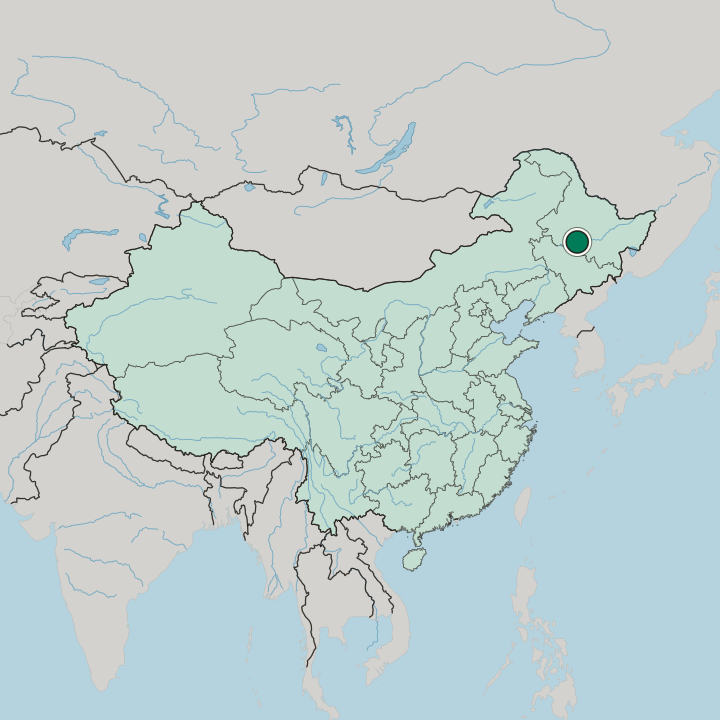
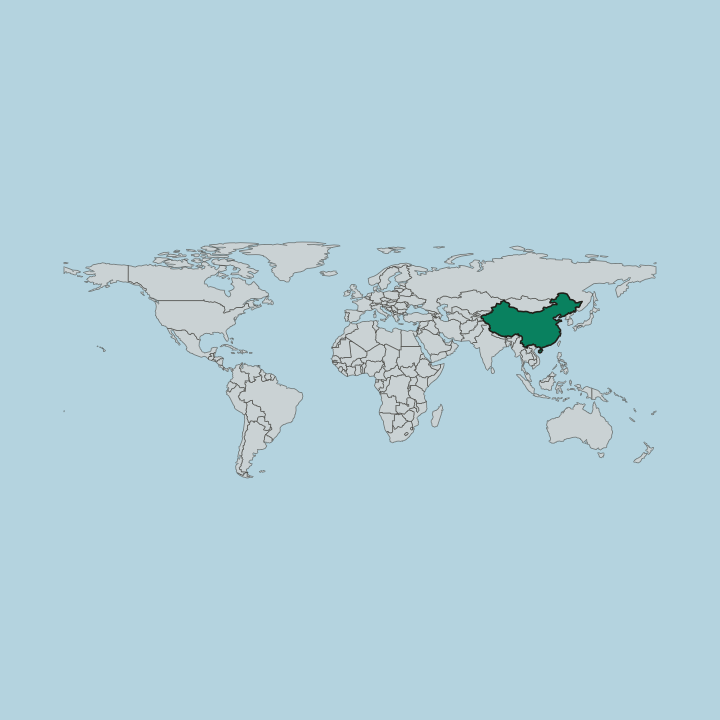
Harbin lies on the open plains of northeast China, the flat farming country that fills much of Heilongjiang. The city spreads across level ground beside the river that shaped its riverside quarter, well inland and far from any coast, on the broad lowland that runs through the far north of the country. Winters lock the land in ice.
The flat, well-watered plain around Harbin freezes hard and long each year, and the Harbin Flood Control Memorial Tower on the waterfront marks the river that both feeds and threatens the low, open ground the capital of Heilongjiang was built on.
What is the climate of Harbin?
Harbin has one of the coldest climates of any major Chinese city, the source of its Ice City name. Its place far inland on the northern plains of Heilongjiang gives it long, deeply frozen winters and short, warm summers, with a wide swing between the seasons that few cities in the country match. The cold is the whole point.
Because the river and the low ground around Harbin freeze so hard and for so long, the city built its winter identity on ice, and the sculpture festival grew straight out of the season that grips northeast China.
How do you get to Harbin?
Harbin began as a railway town, and rail still ties it to the rest of the country. Lines cross the plains of northeast China to converge on the capital of Heilongjiang from every direction, the same corridors that first raised the city around 1898. Air and fast train carry most long-distance visitors.
From either, the run into the old Russian centre is short, leaving St. Alexius Church, the riverside quarter, and the Heilongjiang Provincial Museum within easy reach.
Common questions
What is the best area to stay in Harbin?
Old Russian centre: Orthodox churches and railway-era streets. Riverside quarter: Ice-festival grounds and the winter promenade.
Good for
More cities in Hēilóngjiāng
Updated October 2026