China · Shandong
Where to Stay in Qingdao, Shandong
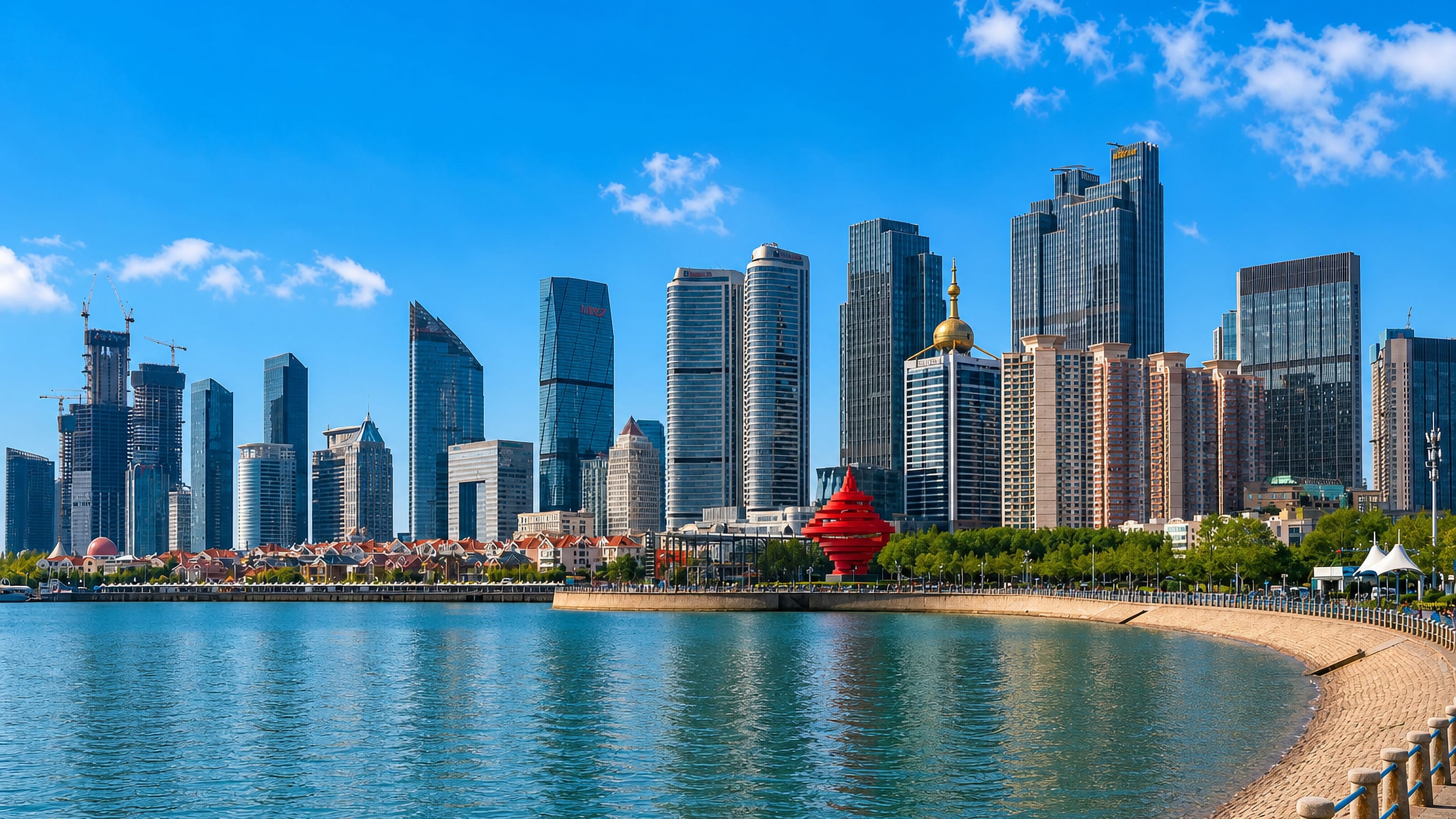
Red roofs run down to the Yellow Sea at Qingdao, a port on the Shandong Peninsula in Shandong, known for St. Michael's Cathedral and Tsingtao beer.
Hotel links are affiliate links: booking through them may earn us a commission, at no extra cost to you. It never affects how places are ranked. How this works


Where to stay in Qingdao
How the choice of base plays out on the ground.
Qingdao's lodging follows the coast around Jiaozhou Bay and out along the Yellow Sea shore. The old town below St. Michael's Cathedral holds the tightest grain of German-era streets, walking distance from Christ Church and the Germany Buildings in Qingdao. Base yourself in the old town.
Its lanes of red-roofed villas run down toward the water and the Xiao Qingdao Lighthouse on its little offshore rock. East of the old core, the newer seafront gives easier access to the beaches and the Qingdao International Sailing Centre, a stretch of open shore rather than historic streets. Stay east for the sailing waters and the sand.
Travellers drawn to the Tsingtao Brewery Museum and the Zhanshan Temple tend to base themselves between the two, within reach of both the old German quarter and the eastern bays of Qingdao, where the city spreads along the peninsula. The coastline ties every district together, and the shoreline road links them.
Find hotels in Qingdao
Direct booking searches for these neighbourhoods.
Old town
St. Michael's Cathedral, Christ Church, and the Germany Buildings in Qingdao stand within a short walk in the leased-port quarter above the Yellow Sea.Find hotels in Old townBeaches and the sailing waters of the bayEastern seafront
The Qingdao International Sailing Centre and the open sand lie east of the old core, a stretch of Yellow Sea shore rather than historic lanes.Find hotels in Eastern seafrontHotel links are affiliate links: booking through them may earn us a commission, at no extra cost to you. It never affects how places are ranked. How this works
Things to do in Qingdao
Ranked by global recognition; descriptions from Wikidata (CC0).
Museums & Galleries
1- Qingdao Textile Museum
Churches & Religious Sites
3- St. Michael's Cathedral, Qingdao Heritage
- Christ Church Heritage
- St. Paul's Church Qingdao
Castles & Historic Sites
2- Sanlihe Site Heritage
- Dongyueshi Heritage
Stadiums & Sports
1- Qingdao International Sailing Centre
Landmarks & Notable Places
2- Jiaozhou Governor's Hall Heritage
- Former Tsingtau Club Heritage
worth knowingacross 5 categories in Qingdao
About Qingdao
What is Qingdao known for?
Qingdao is known as a seaside city on the Shandong Peninsula, looking out to the Yellow Sea. Its harbours and beaches draw visitors, but the city is best remembered for a run of German-era buildings from its years as a leased port, among them St. Michael's Cathedral and the old brewery now kept as the Tsingtao Brewery Museum. The Jiaozhou Bay Bridge reaches across the water to the far shore.
It is one of the largest cities of Shandong.
What are the main landmarks in Qingdao?
Qingdao's landmarks carry its years as a German-leased port. St. Michael's Cathedral rises on a hill above the old town, near Christ Church and the ensemble of the Germany Buildings in Qingdao. Down at the water, the Xiao Qingdao Lighthouse marks a small offshore rock, and the Tsingtao Brewery Museum keeps the works that gave the city its beer.
The Zhanshan Temple and the Qingdao Observatory stand back among the hills, while the Former Custom House of Qingdao and the German Consulate recall the leased-port administration. The Yellow Sea frames all of it.
What is the history of Qingdao?
Qingdao's story turns on the sea. The shore of the Shandong Peninsula had been settled since ancient times, and the Sanlihe Site shows how far back people gathered along this coast of the Yellow Sea. For most of its past it was a fishing and defensive station, guarding the approaches to Jiaozhou Bay.
Then the port was leased. A German lease at the turn of the twentieth century remade the small harbour into a planned European town, and that era gave Qingdao the buildings it is now known for. Engineers laid out red-roofed streets and raised St. Michael's Cathedral, Christ Church, and the ensemble now grouped as the Germany Buildings in Qingdao, along with the brewery kept as the Tsingtao Brewery Museum.
The leased administration ran from halls like the Former Imperial Court of Kiaochow and the German Consulate. When the lease ended the buildings stayed, leaving a Chinese port city on the Yellow Sea wearing a European old town at its heart.
Where is Qingdao?
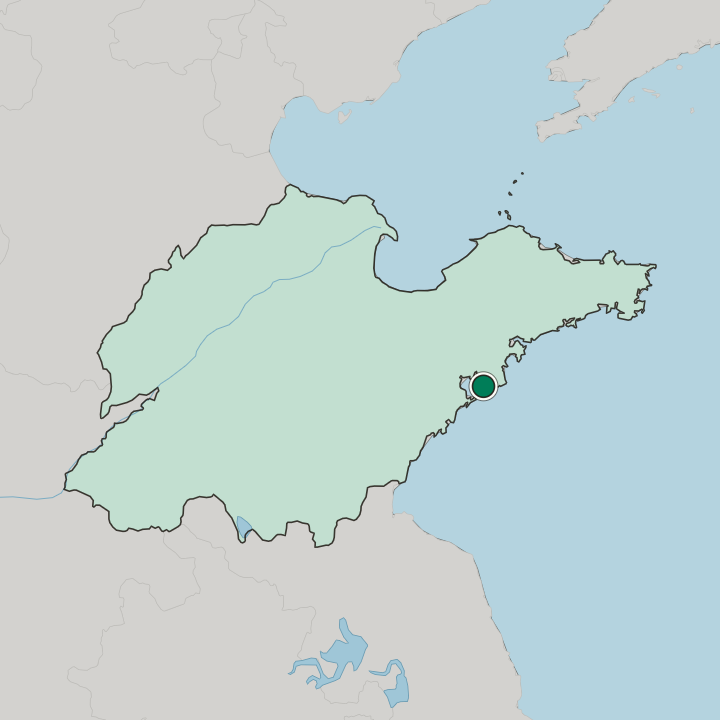
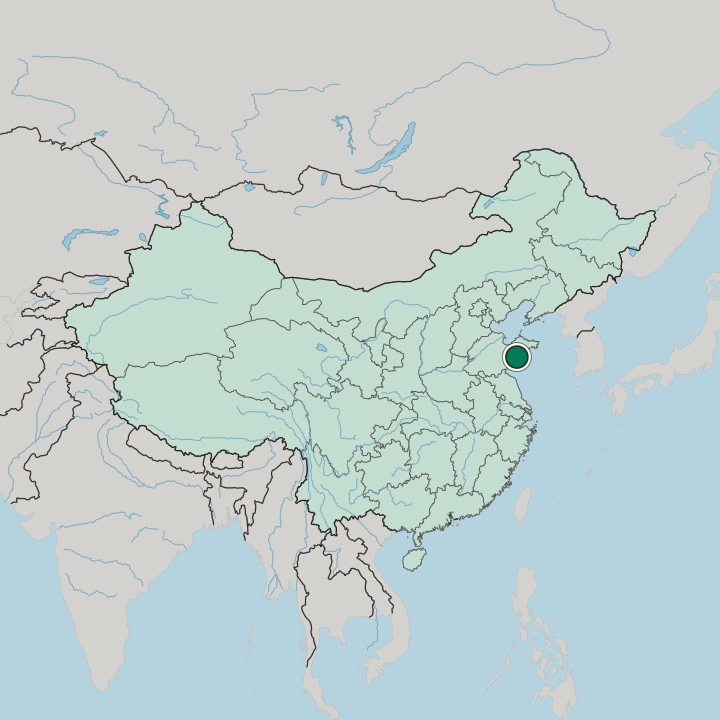
Qingdao lies on the southern shore of the Shandong Peninsula, where the land meets the Yellow Sea. The city wraps around Jiaozhou Bay, a deep inlet crossed by the long Jiaozhou Bay Bridge, with headlands and small islands breaking the coast. Hills back the town.
Steep ground rises close behind the harbour so the streets climb from the water, and the sea reaches into the city in a run of bays and beaches that give Qingdao far more shoreline than an ordinary port, wrapping it on nearly every side.
What is the climate of Qingdao?
Qingdao has a mild maritime climate softened by the Yellow Sea. The surrounding water evens out the seasons, so summers stay cooler and winters milder than places inland on the Shandong Peninsula, though sea fog can settle over the coast in the warmer months. Spring comes late by the sea.
Because the water holds its temperature and releases it slowly, the swing between the warm and cold seasons of Qingdao runs gentler than the dry interior of the peninsula would give.
How do you get to Qingdao?
Qingdao sits on the coast of the Shandong Peninsula, reached by rail, road, sea, and air. Fast trains run in along the peninsula, ships call at the port on the Yellow Sea, and the Jiaozhou Bay Bridge carries road traffic across the bay to the far shore. Most long-distance visitors arrive by train or plane.
From either, the ride down to the old town and the seafront is short, leaving the cathedral hill and the beaches within easy reach.
Common questions
What is the best area to stay in Qingdao?
Old town: German-era streets below the twin-spired cathedral. Eastern seafront: Beaches and the sailing waters of the bay.
Good for
More cities in Shandong
Updated September 2026