China
Shandong, China — Towns & Travel Guide
Shandong is a coastal province of eastern China, home to Confucius, Mount Tai, and the mouth of the Yellow River.
Hotel links are affiliate links: booking through them may earn us a commission, at no extra cost to you. It never affects how places are ranked. How this works


Towns & cities in Shandong
Pick a town or city — each links to where to stay.
 China
China
Qingdao
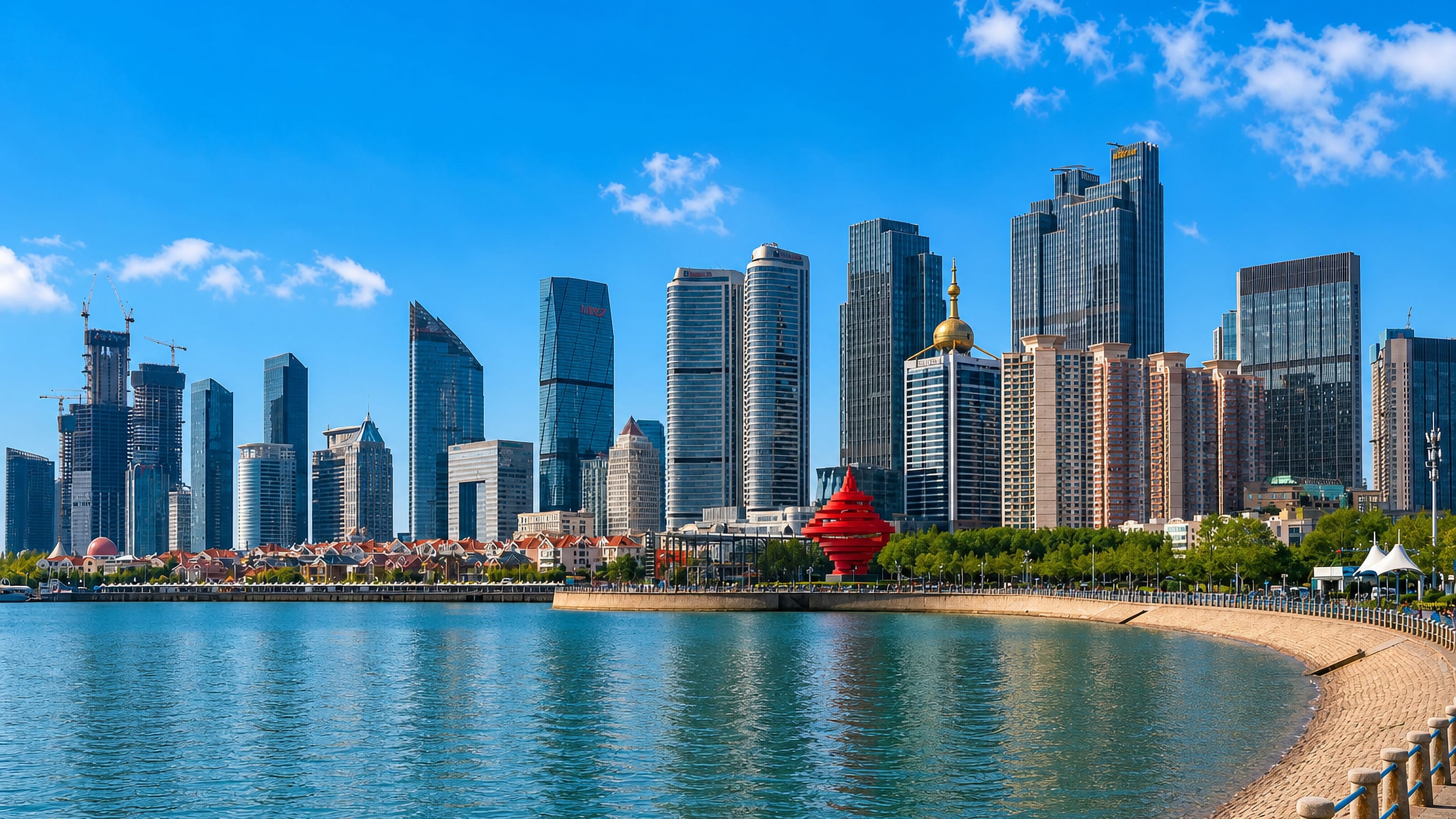
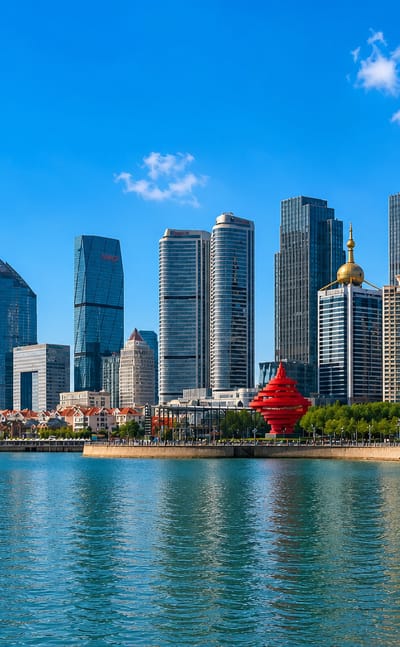
Red roofs run down to the Yellow Sea at Qingdao, a port on the Shandong Peninsula in Shandong, known for St. Michael's Cathedral and Tsingtao beer.Where to stay →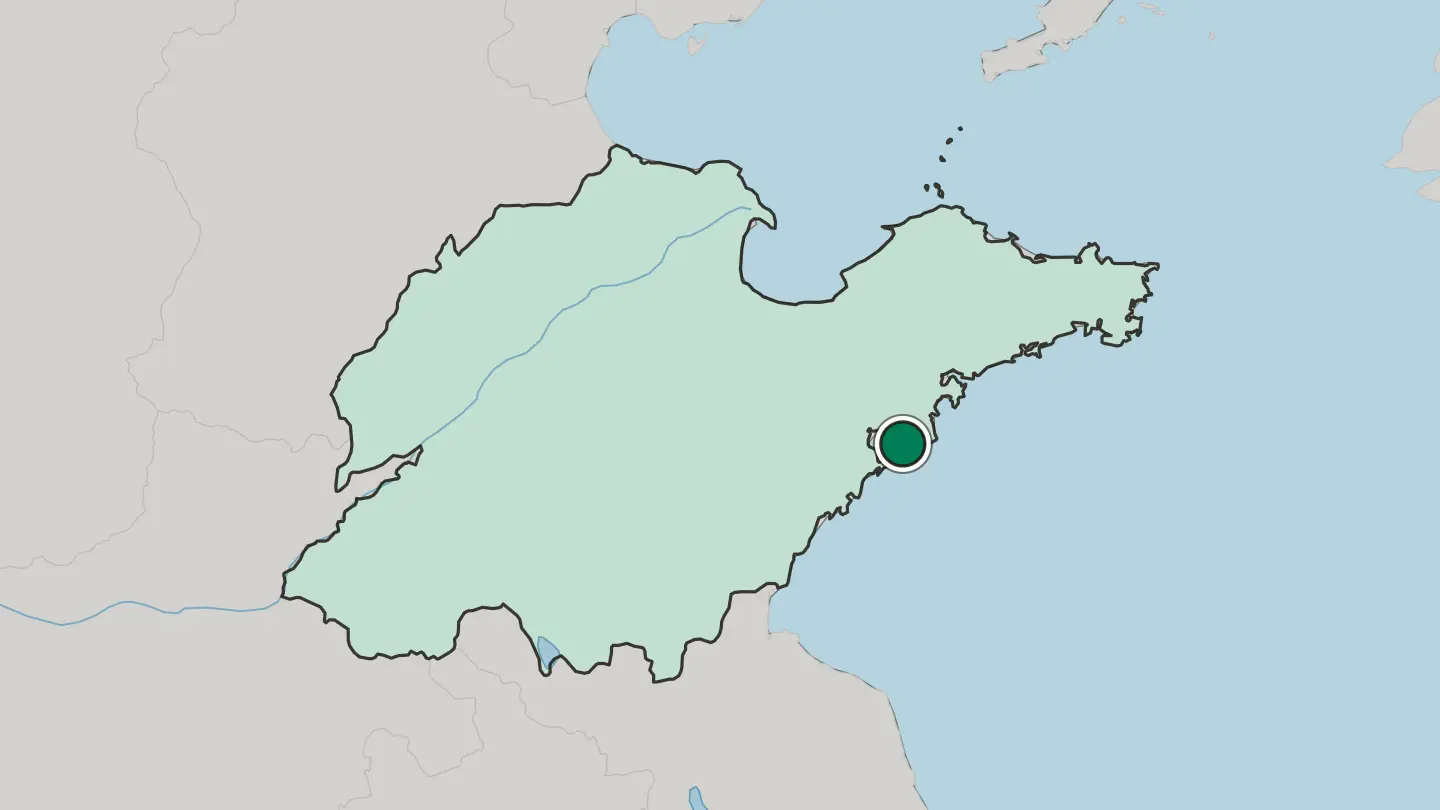
 China
China
Jinan
Jinan is a city of Shandong in eastern China, capital of the province, famed as the City of Springs for the artesian springs that well up in its streets.Where to stay →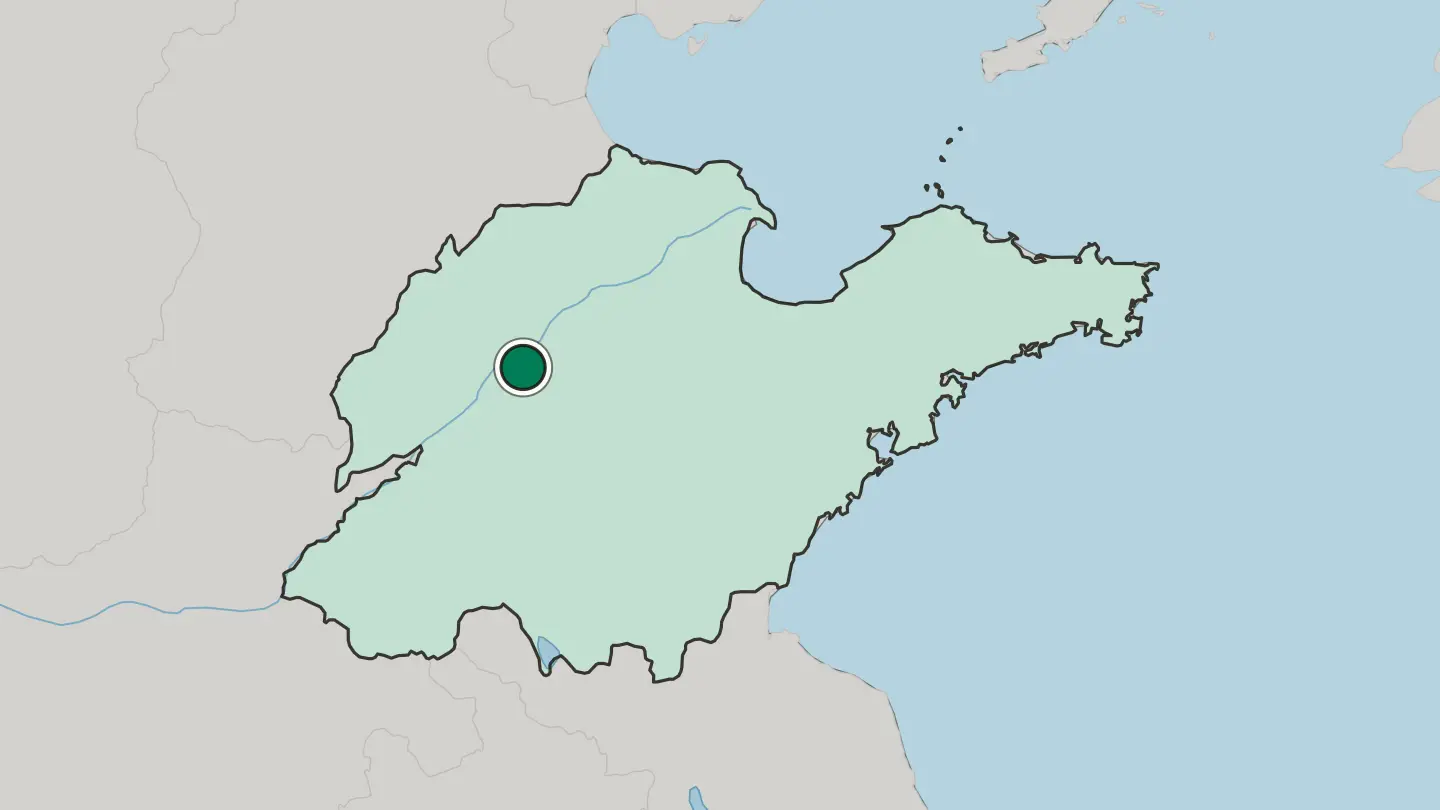
 China
China
Zibo
Zibo is a city of central Shandong in China, an old porcelain and coal town on the plain, near the ancient site of Linzi, capital of the Qi state.Where to stay →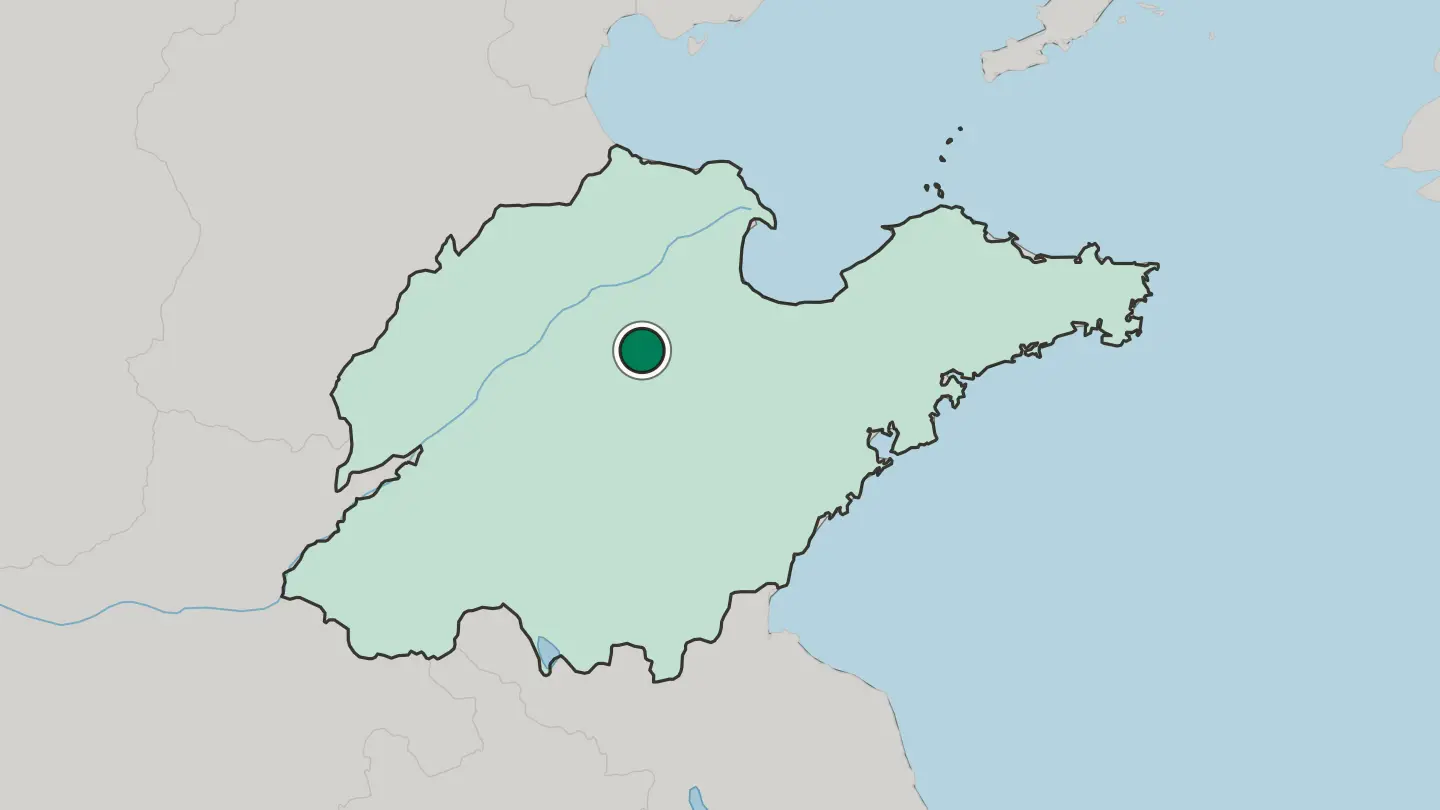
 China
China
Linyi
Linyi is a prefecture-level city in the south of Shandong whose name means close to the Yi River, and the province's largest by area.Where to stay →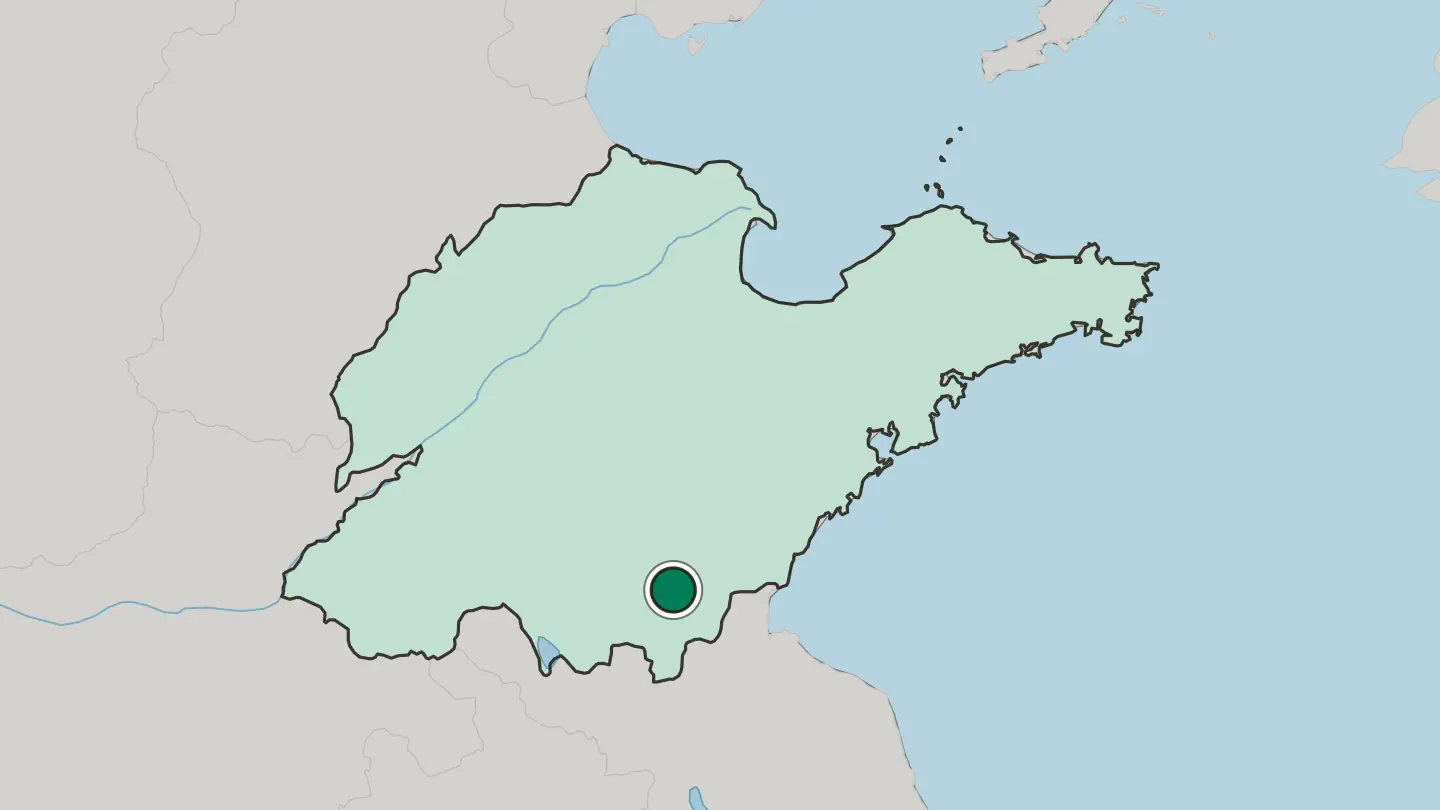
 China
China
Yantai
Yantai is a port city on the Shandong coast of eastern China, known for its old sea tower, its wine, and its beaches.Where to stay →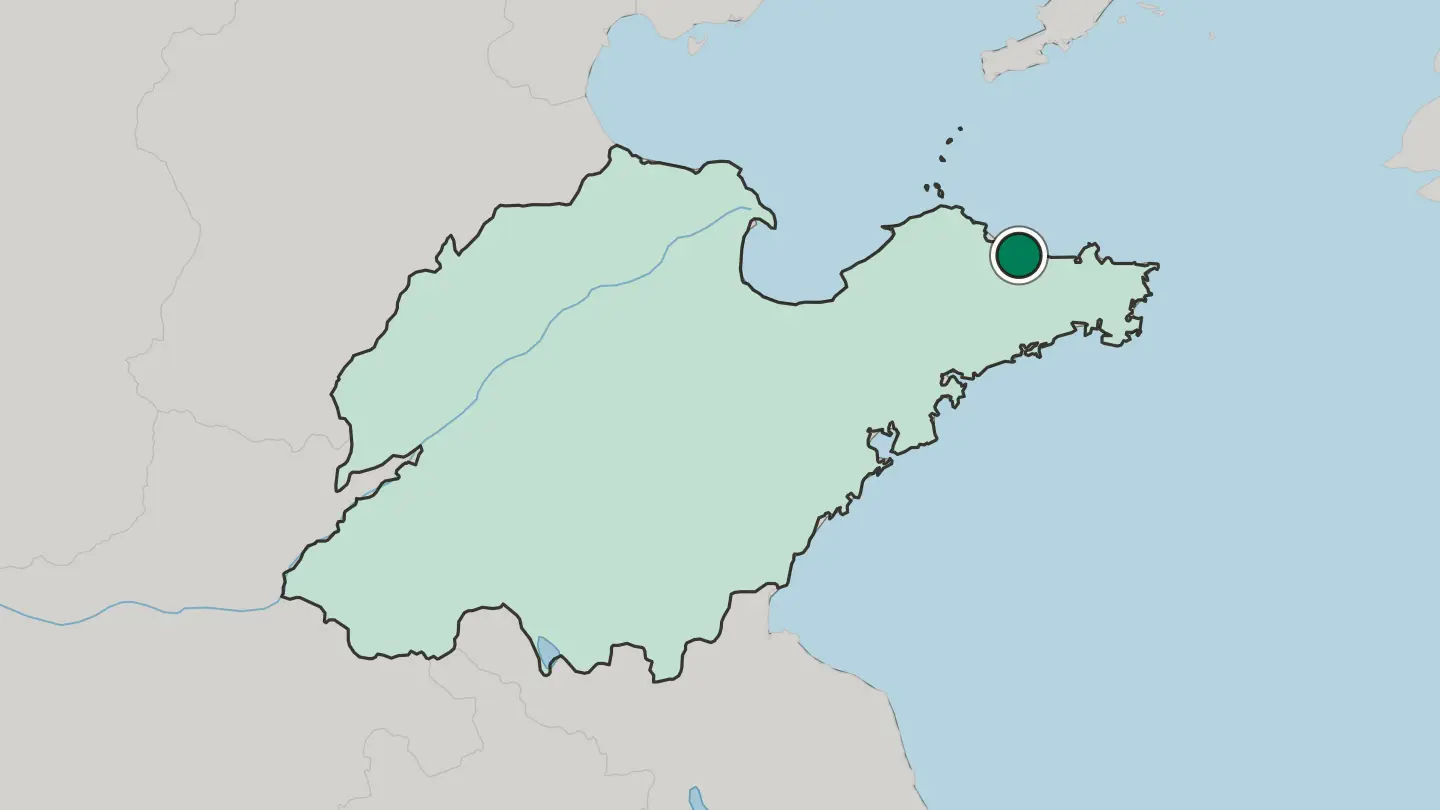 China
China
Weifang
Weifang is a city on the plain of central Shandong in eastern China, famed the world over for its kites.Where to stay →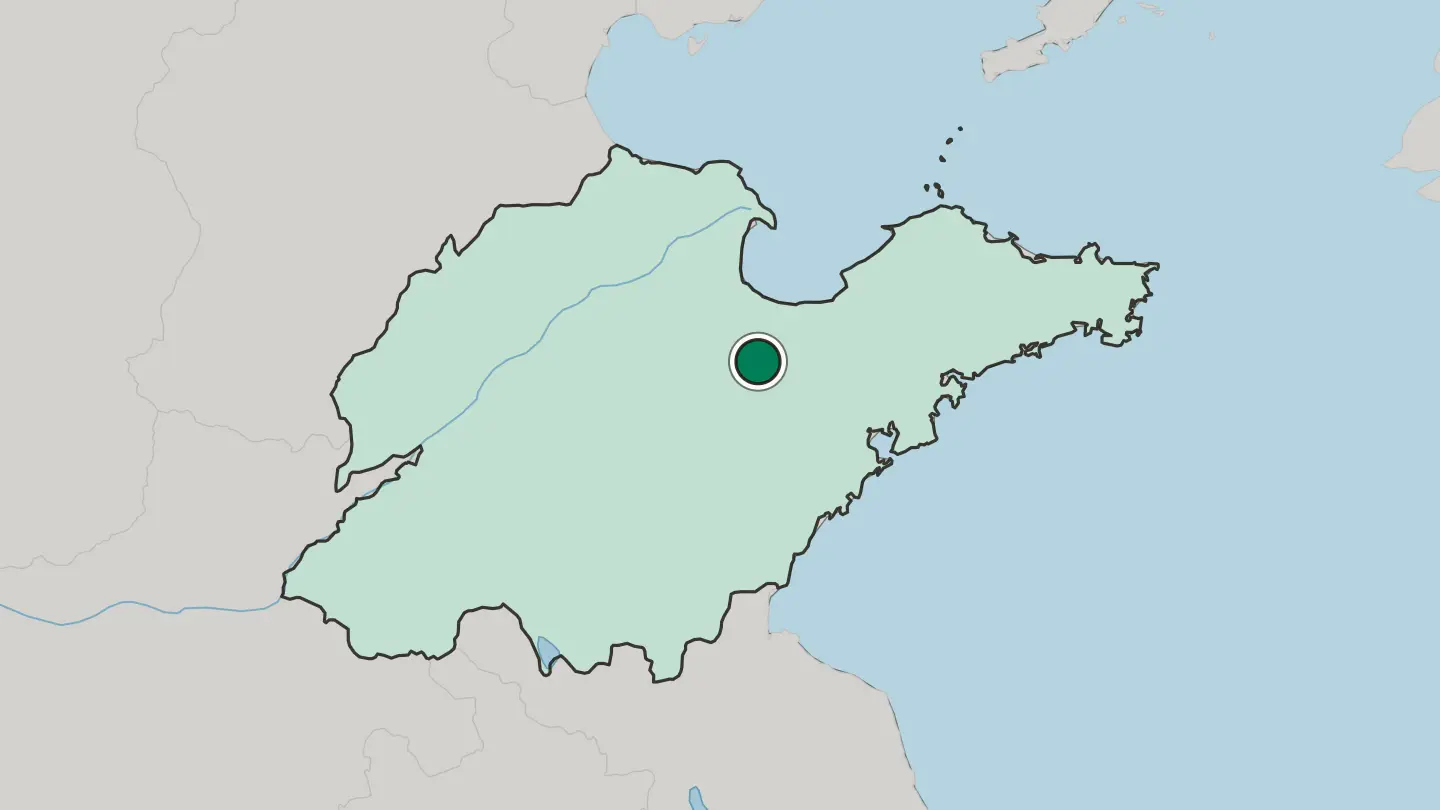
 China
China
Tai’an
Tai'an is a city at the foot of Mount Tai in Shandong, China, the sacred mountain the emperors climbed to honour Heaven.Where to stay →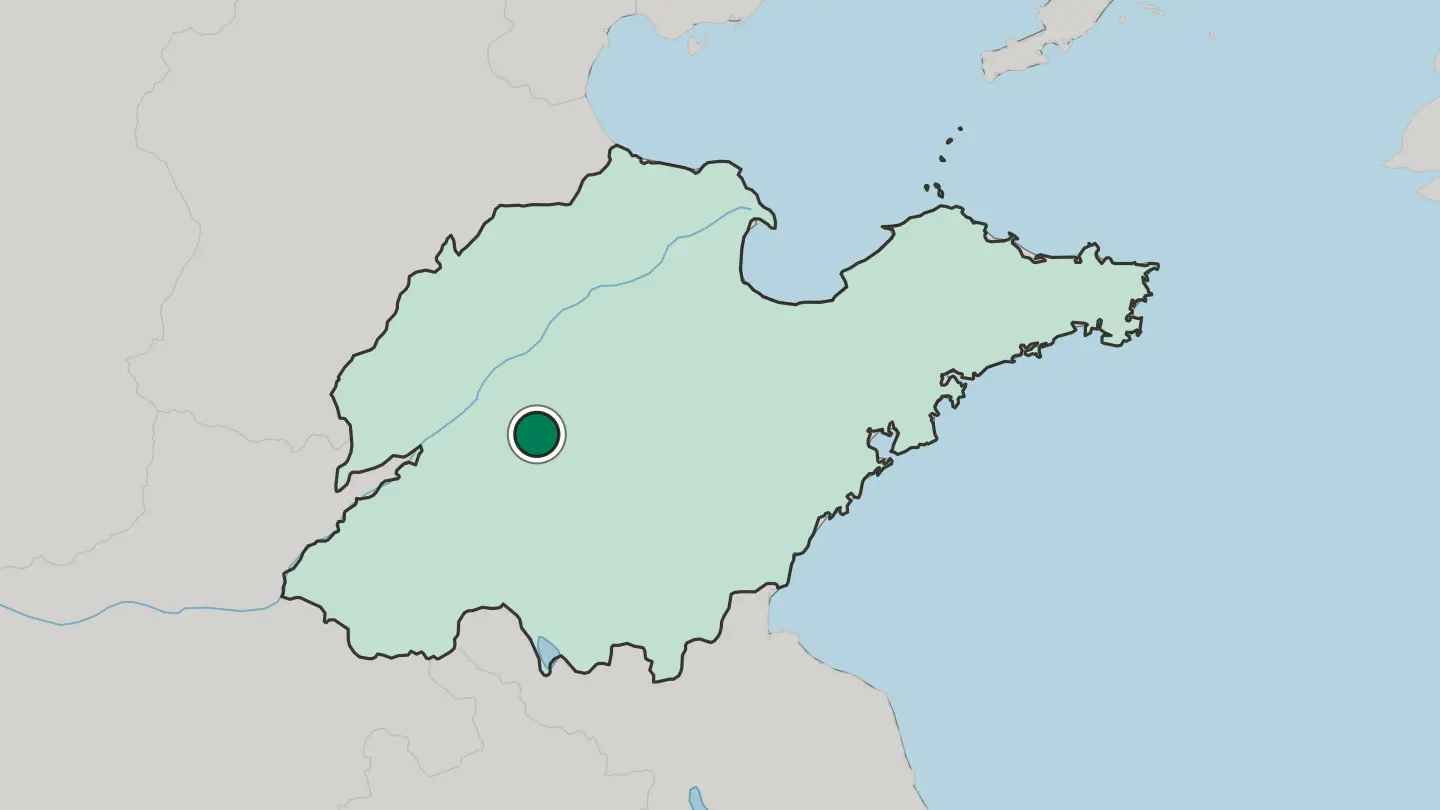 China
China
Jining
Jining is a prefecture-level city in southwestern Shandong, an inland port at the northernmost point the Grand Canal stays navigable.Where to stay →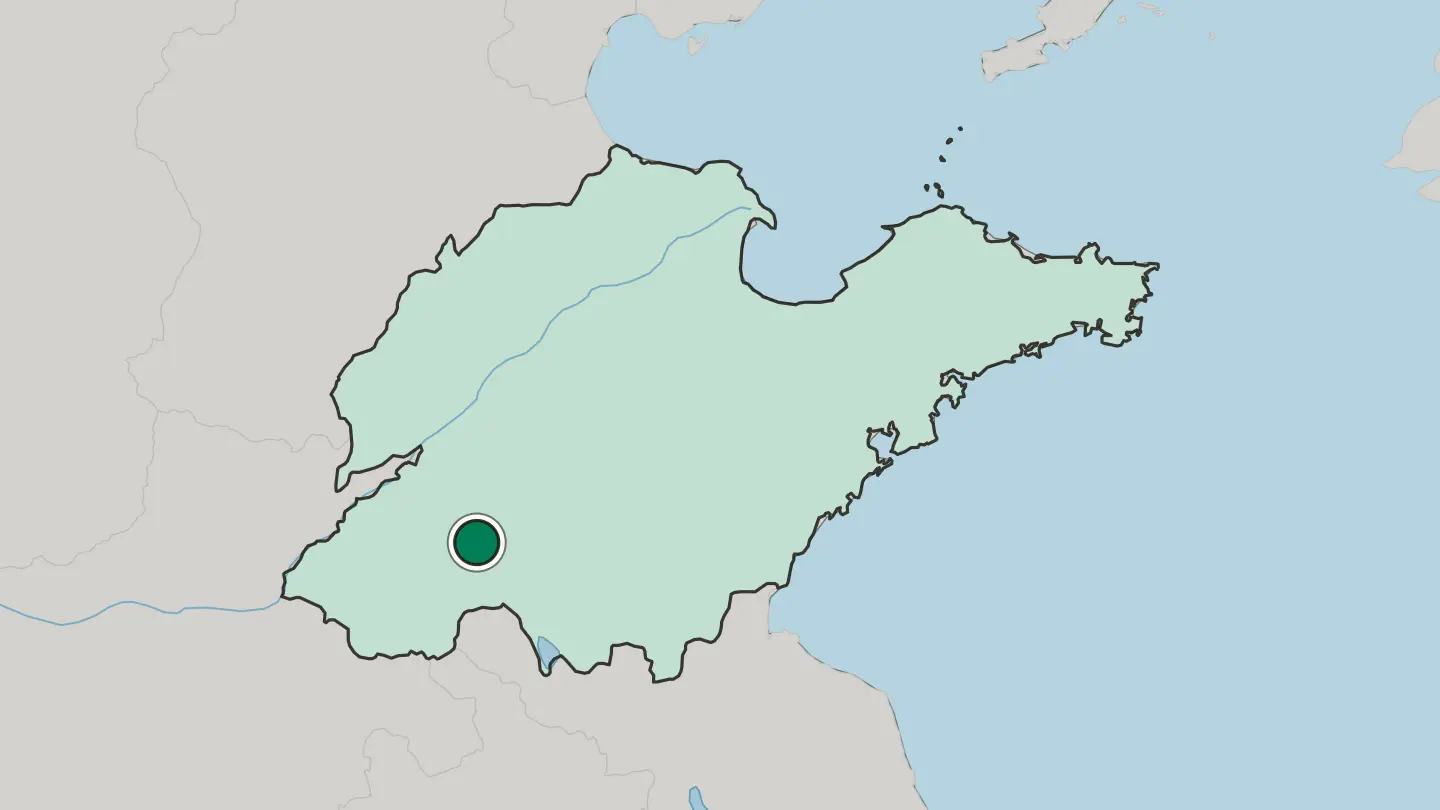
All towns & cities (11)
 China
China
Weihai
Weihai is a city of Shandong in east China, a coastal city at the peninsula's tip, with its old fleet's island fortress and beaches on the Yellow Sea.Where to stay →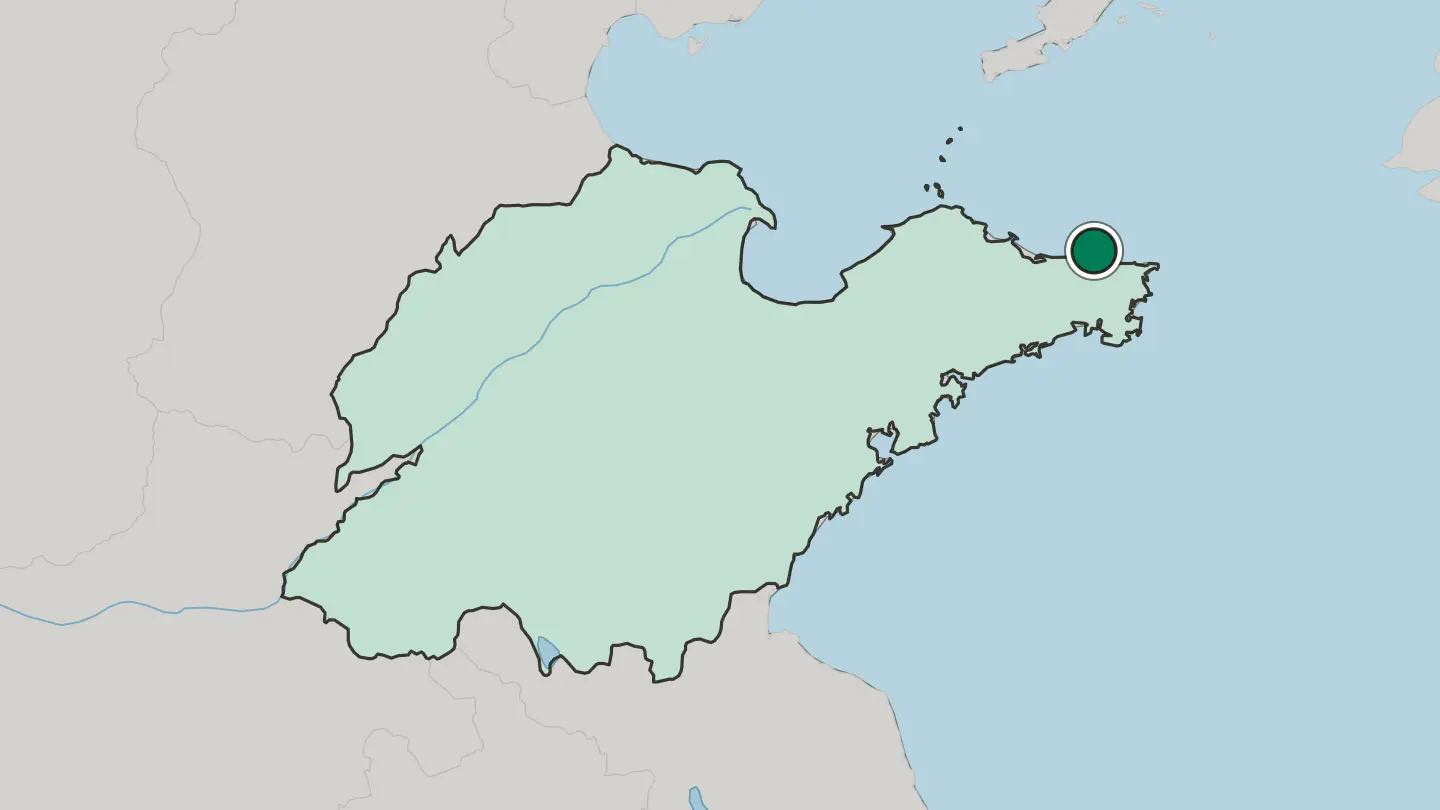
 China
China
Dezhou
Dezhou is a prefecture-level city in northwestern Shandong, a rail junction on the Hebei border holding the Tomb of the Sultan of Sulu.Where to stay →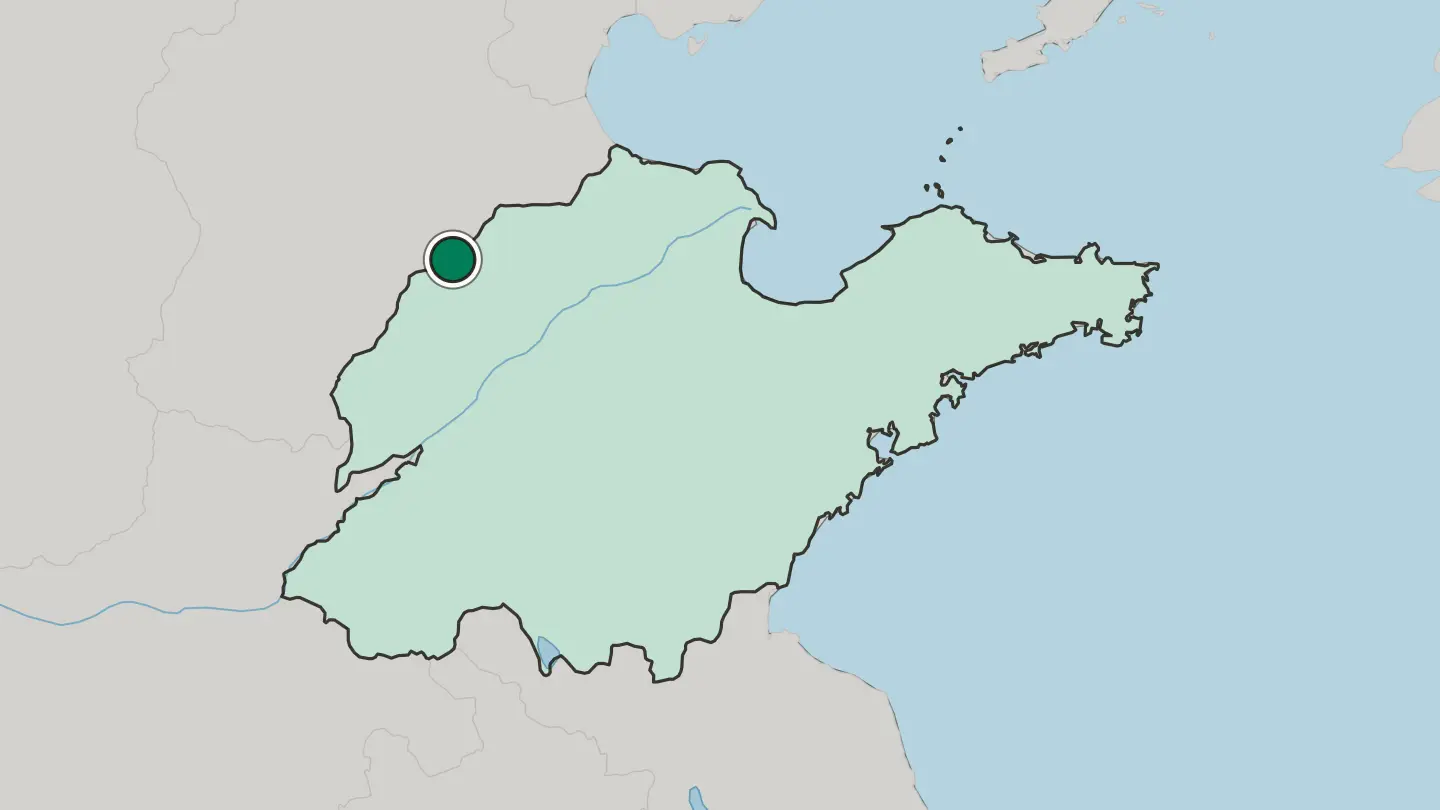
 China
China
Qufu
Qufu is an ancient town in Shandong, eastern China, famous the world over as the birthplace of Confucius.Where to stay →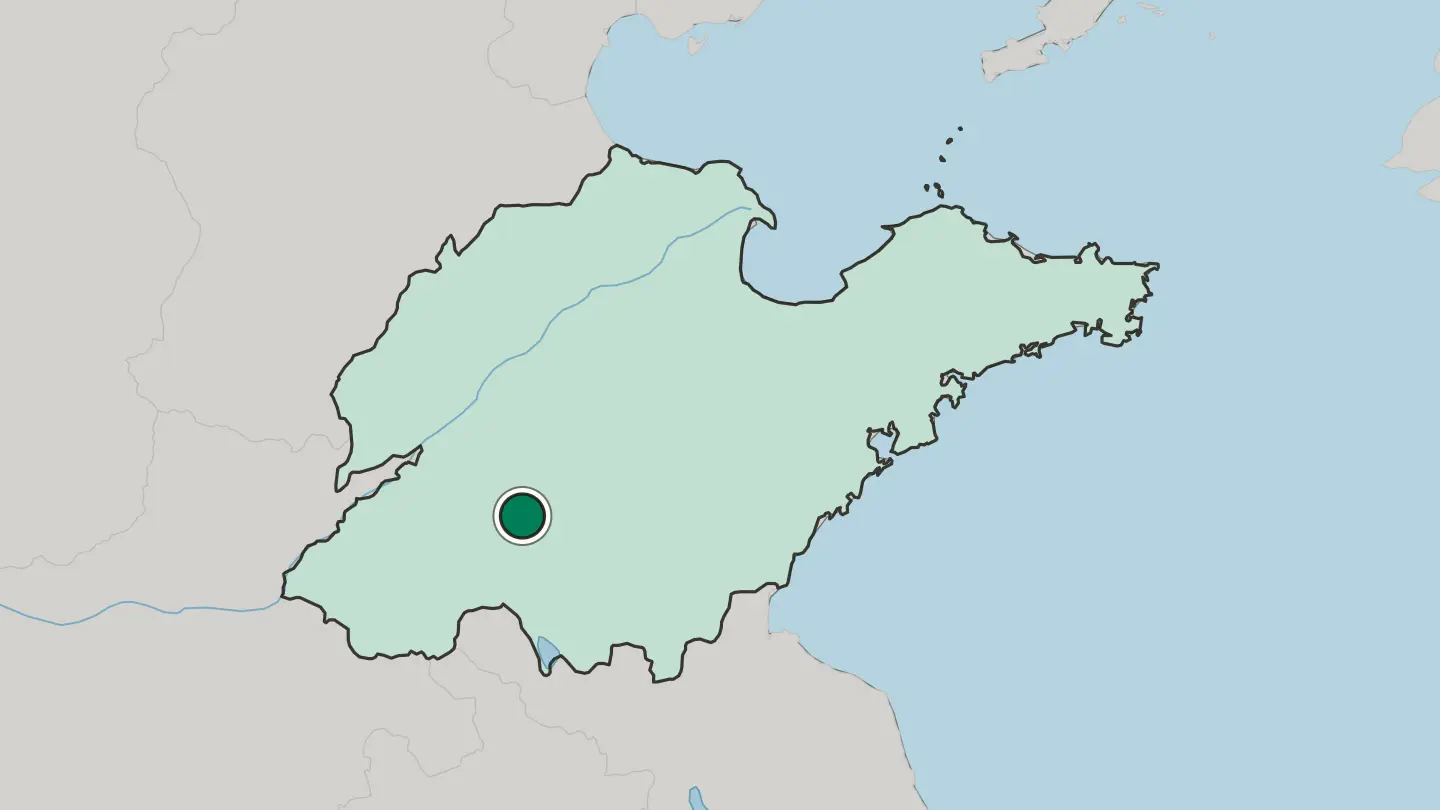
Hotel links are affiliate links: booking through them may earn us a commission, at no extra cost to you. It never affects how places are ranked. How this works
About Shandong
What is Shandong known for?
Shandong is the birthplace of Confucius, and the town of Qufu still holds the temple, cemetery, and family mansion raised in his name. Mount Tai rises just south of the capital, the most revered of China's five sacred peaks. The province gives its name to a whole cuisine.
Along the coast sit Qingdao, the beer port the Germans built, and Yantai, while inland the Yellow River finishes its long run to the Bohai Sea.
Where is Shandong?
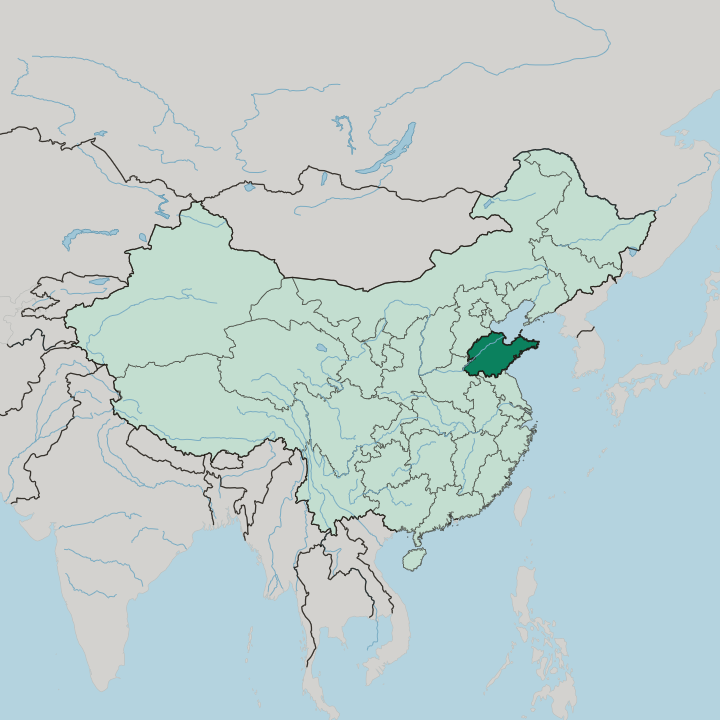
Shandong sits on the eastern edge of the North China Plain, where the Yellow River finishes its journey to the sea. The name means "east of the mountains," a reference to the Taihang range that walls the province off from the interior. Much of the west, north, and south is flat, fertile plain, part of the wider North China Plain that feeds much of the country.
The land is not all level, though. A belt of hills runs through the centre, crowned by Mount Tai south of the capital at Jinan. The east is different again.
There the province throws out the Shandong Peninsula, a broad tongue of hilly land that pushes into the water and splits one sea from another. The Bohai Sea lies to its north, the Yellow Sea to its south and east, and the peninsula divides the two. Qingdao stands on the southern shore, Yantai and Weihai on the northern one.
The Yellow River enters Shandong from the southwest, loops northeast across the plain, and empties into the Bohai Sea near the province's northern edge. Hebei borders it to the northwest, Henan to the west, and Jiangsu to the south.
What is Shandong like?
Shandong is often called Qilu, after the two ancient states of Qi and Lu that once split the land between them. That old pairing still marks the province. Lu, in the southwest, was the small state where Confucius was born, and its thinking outlasted the armies of its larger neighbour.
Qufu keeps that inheritance alive, with the Temple of Confucius at its heart and the descendants of the Kong family beside it. The sage's teaching spread from this corner of China across the whole of East Asia. Faith runs through the province as much as philosophy does.
Mount Tai has drawn worshippers and emperors up its stone stairways for longer than almost any other holy place on earth, the foremost of China's five sacred mountains. Food is its own tradition here. Shandong cuisine, or Lu cuisine, is one of the great regional schools of Chinese cooking, built on seafood from the two seas, wheat from the plain, and a taste for briny, savoury flavours.
Qingdao adds a stranger legacy, the brewery the Germans left behind, whose beer carries the city's name far beyond the coast. The spoken language is Mandarin, in the blunt northern accent of the plain.
What is the history of Shandong?
Two rival states shared this ground in the Spring and Autumn period, powerful Qi in the northeast and smaller Lu in the southwest. Confucius was born in Lu in 551 BC, and taught in Qufu until his death in 479 BC. His ideas outlasted every dynasty.
They would shape Chinese thought for the next two thousand years, and spread far past the province. Later rulers dug the Grand Canal through the western plain, tying Shandong into the great north-south trade route, and in the late nineteenth century Germany seized Qingdao and built the port, the railway, and the brewery that still define it.
What is the climate of Shandong?
Shandong has a warm temperate monsoon climate, with hot, wet summers and cold, dry winters. Rain falls heavily in July and August. Spring and autumn are short but pleasant, and the stretch from May to October is the easy time to travel.
The coast at Qingdao runs milder and more humid than the open plain inland, cooled by the Yellow Sea, while Jinan and the interior swing harder between the seasons.
How do you get to Shandong?
Air is the usual way. Most visitors fly into Qingdao on the coast or the capital at Jinan, both served by international airports with links across China and the rest of East Asia. High-speed rail is the other route, linking Jinan and Qingdao to Beijing and Shanghai in a few hours.
Qingdao is also a working seaport. Inside the province, fast trains and expressways connect the coast, the capital, and the pilgrim towns of Qufu and Tai'an below Mount Tai.
Common questions
What is the best area to stay in Shandong?
Qingdao: the Shandong coast and its beer trade. Jinan: the springs and the climb up Mount Tai. Qufu: a pilgrimage to the home of Confucius. The Shandong Peninsula: the peninsula coast east of Qingdao.
Good for
More regions in China
Updated September 2026