Colombia · Departamento de Antioquia · Medellín
San Antonio de Prado, Medellín — Area Guide & Where to Stay
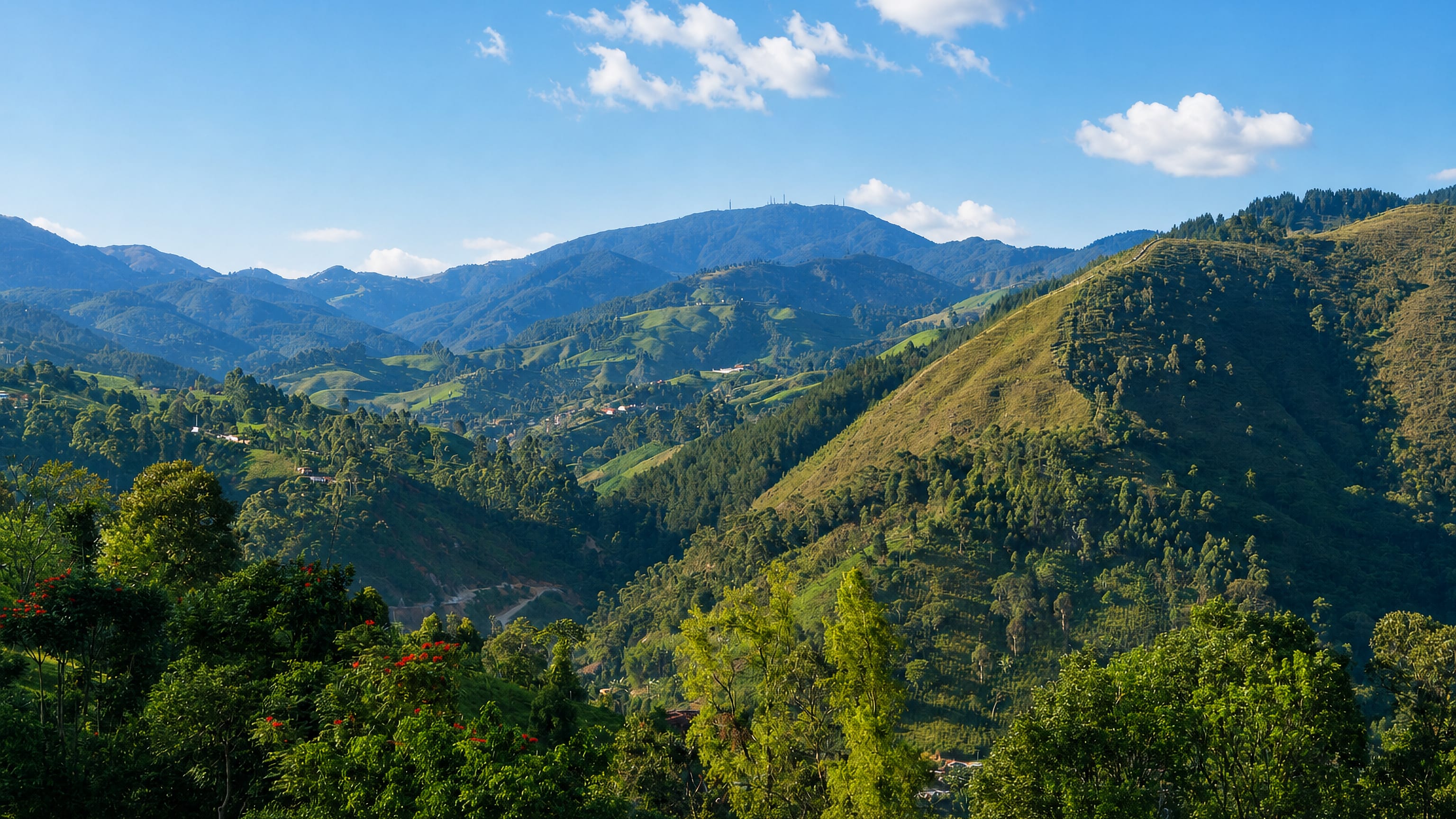
San Antonio de Prado is a rural corregimiento in the southwest of Medellín, spread across the Valle de Aburrá above the Quebrada Doña María.
Hotel links are affiliate links: booking through them may earn us a commission, at no extra cost to you. It never affects how places are ranked. How this works


Where to stay in San Antonio de Prado
Where the beds are, and what that means for the visit.
Pick your corner of the corregimiento. San Antonio de Prado sits well southwest of central Medellín, and where you sleep decides whether your mornings open onto the parque principal and its castle-like church or onto the greener slopes climbing toward Alto del Romeral. The old core anchors most stays.
Travellers who want cafés and market bustle settle near the plaza and the bust of Simón Bolívar, while walkers bound for the high Andean forests lean toward the reserve, and commuters keep close to the roads dropping down toward Itagüí and La Estrella.
Find hotels in San Antonio de Prado
Direct booking searches for these neighbourhoods.
Parque principal core
The colonial plaza around the parque principal and its bust of Simón Bolívar puts arcaded shops, the castle-like church and daily market lanes within a few walkable streets.Find hotels in Parque principal corehikers heading up into the Alto del Romeral forestsRomeral slopes
The green upper slopes climbing toward the Alto del Romeral reserve trade the plaza crowds for high Andean woodland, quiet nights and cooler air.Find hotels in Romeral slopescommuters using the roads down toward Itagüí and La EstrellaItagüí approach
The lower blocks along the descent toward Itagüí and La Estrella keep the metro connections back into Medellín a short ride away.Find hotels in Itagüí approachHotel links are affiliate links: booking through them may earn us a commission, at no extra cost to you. It never affects how places are ranked. How this works
About San Antonio de Prado
What are the main landmarks in San Antonio de Prado?
The corregimiento orients around its parque principal. Its castle-like church faces the plaza, a battlemented silhouette rising over the market lanes and the bust of Simón Bolívar that marks the founding square of San Antonio de Prado. The name points the way.
Beyond the town core the land climbs sharply, so anyone crossing the corregimiento measures distance against the Alto del Romeral reserve and the peak of Padre Amaya above, the Quebrada Doña María cutting the valley floor below, and the roads that fall away toward Itagüí.
What is the history of San Antonio de Prado?
The parish came before the borough. A settlement grew here from 1869 around the church on the parque principal, and by 1903 it was carved out as its own municipality, segregated from Itagüí before the wider spread of Medellín eventually drew San Antonio de Prado back in as a corregimiento. Farming shaped the early years.
Cattle, pigs and smallholdings worked the slopes above the Quebrada Doña María long before the town core filled in, and the older bearings still hold in the Valle de Aburrá even as the built edge pushed outward toward Itagüí and La Estrella.
Where is San Antonio de Prado?
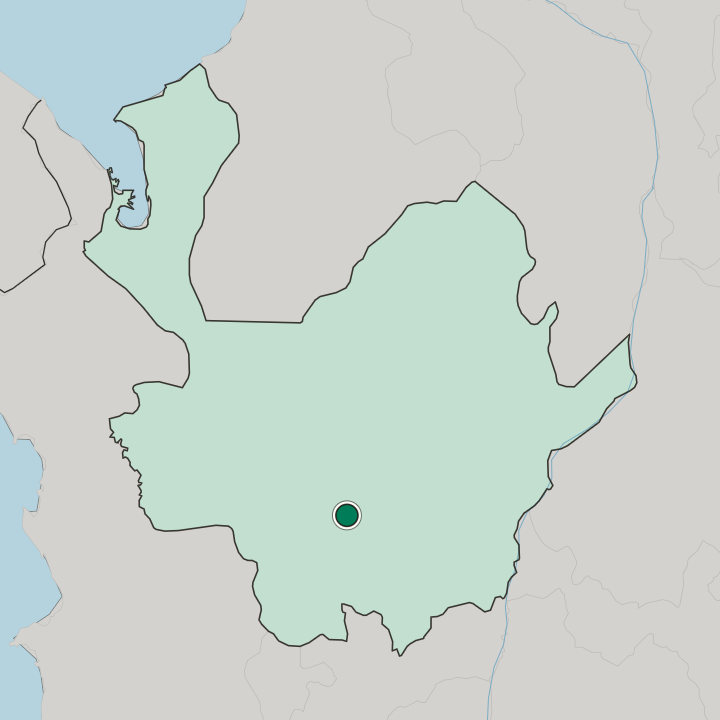
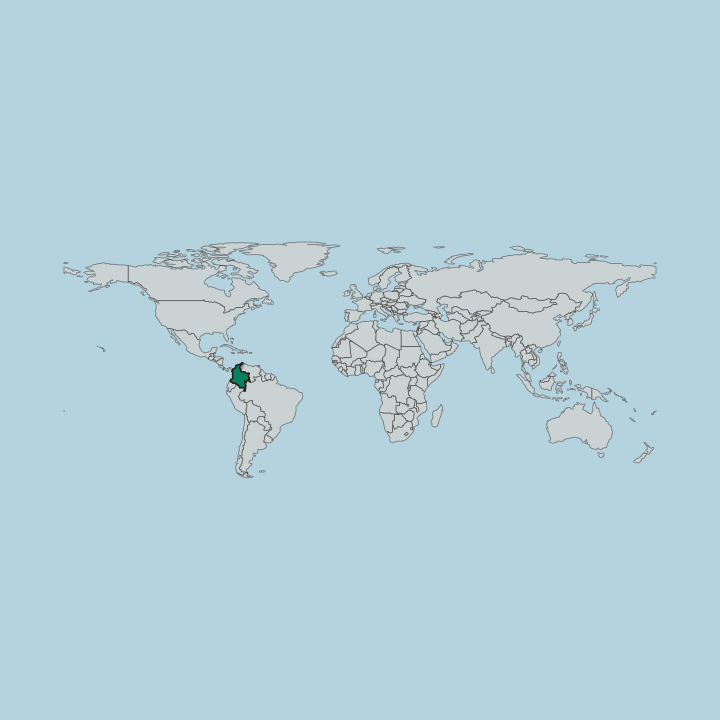
San Antonio de Prado climbs from the flat southwestern edge of Medellín into the high Andean slopes of Alto del Romeral and Padre Amaya, its town core set in the Valle de Aburrá above the Quebrada Doña María.
Common questions
What is the best area to stay in San Antonio de Prado?
Parque principal core: cafés and market days beside the castle-like church on the parque principal. Romeral slopes: hikers heading up into the Alto del Romeral forests. Itagüí approach: commuters using the roads down toward Itagüí and La Estrella.
More areas in Medellín
Updated September 2026