Germany · Baden-Württemberg
Where to Stay in Esslingen, Baden-Württemberg
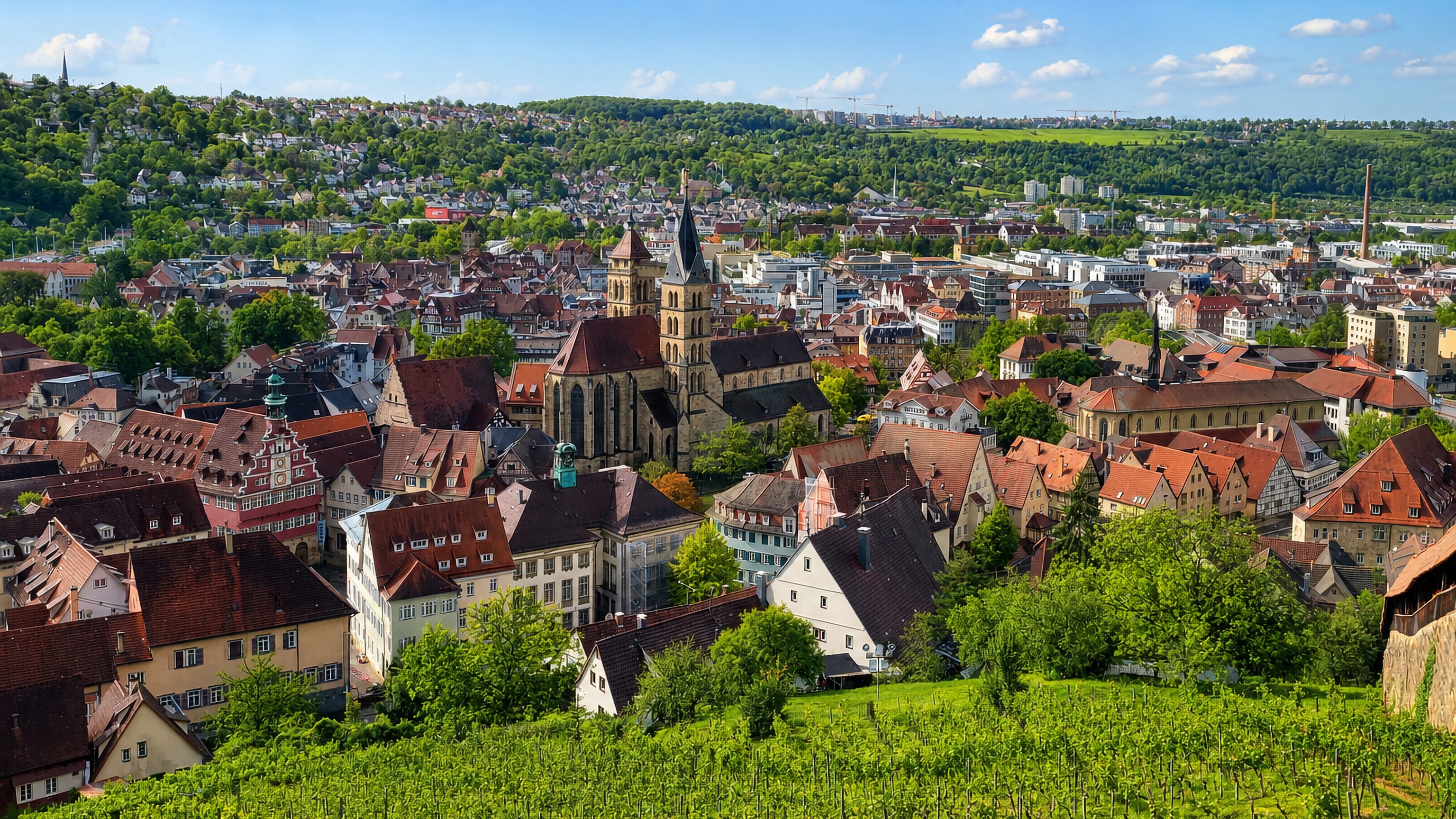
Esslingen am Neckar is a former free imperial city in Baden-Württemberg, with vineyards climbing behind the Mélacturm and the Stadtkirche St. Dionys.
Hotel links are affiliate links: booking through them may earn us a commission, at no extra cost to you. It never affects how places are ranked. How this works


Where to stay in Esslingen
The practical side of choosing where to sleep.
The Altstadt is small, and it holds the beds most people come for. Hafenmarkt, Küferstraße and Ritterstraße sit inside the timber-framed core, a few minutes from the Stadtkirche St. Dionys and the Frauenkirche, and close enough to the Neckar that the walk back after dinner is short. Only a handful of rooms sit in that core.
Book late and the search moves outward fast. Uphill changes the character. The lanes climbing past the Mélacturm towards the Katharinenlindenturm and the vineyard terraces trade level ground for a view back over the roofs, and they suit you if the point of the trip is the climb rather than the shops.
Steps are part of the deal. The Palmscher Bau and Münster St. Paul stay within reach at the bottom of the slope. Nellingen sits apart from all of it.
The quarter around St.-Blasius-Kirche Nellingen belongs to the ground above the valley rather than to the old town, with room to park and a straightforward drive out, which is the trade for being well outside the walls. Michaelskirche and the Südkirche mark other outlying parishes. Tierpark Nymphaea is on that side too.
Find hotels in Esslingen
Direct booking searches for these neighbourhoods.
Hafenmarkt and the timber streets
The oldest part of the Esslingen Altstadt, where the Hafenmarkt houses stand a few doors from the Haus zum Einhorn and the Stadtkirche St. Dionys. Beds are limited here, so book early.Find hotels in Hafenmarkt and the timber streetsthe climb to the Katharinenlindenturm and the vineyard terracesThe slope below the Mélacturm
The lanes stepping up between the Palmscher Bau and the old wall towers, where the vines start at the last row of Esslingen roofs. Rooms are few around here — worth securing early.Find hotels in The slope below the Mélacturma parking space and a quick road out past St.-Blasius-Kirche NellingenNellingen
The outlying Esslingen quarter on the ground above the Neckar valley, built around St.-Blasius-Kirche Nellingen well away from the Altstadt.Find hotels in NellingenHotel links are affiliate links: booking through them may earn us a commission, at no extra cost to you. It never affects how places are ranked. How this works
Things to do in Esslingen
Ranked by global recognition; descriptions from Wikidata (CC0).
Churches & Religious Sites
8- Stadtkirche St. Dionys Heritage
- Münster St. Paul Heritage
- Südkirche (Esslingen am Neckar) Heritage
- St.-Blasius-Kirche Nellingen Heritage
- Frauenkirche (Esslingen) Heritage
Show 3 more →
- Michaelskirche Heritage
- St. Bernhardt Heritage
- Liebfrauenkirche Heritage
Landmarks & Notable Places
4- Mélacturm Heritage
- Hafenmarkt 9 (Esslingen) Heritage
- Palmscher Bau Heritage
- Haus zum Einhorn Heritage
worth knowingacross 2 categories in Esslingen
About Esslingen
Half-timbering does the work here.
What is Esslingen known for?
The Hafenmarkt keeps a row of listed timber-framed houses, and the Küferstraße and the Ritterstraße carry the same frontages block after block, so the old centre reads as domestic architecture rather than as monument. Vines grow on the slope above. Stadtkirche St. Dionys and the Frauenkirche hold the skyline, while the Mélacturm and the Katharinenlindenturm mark what the medieval defences left standing.
What are the main landmarks in Esslingen?
Stadtkirche St. Dionys and Münster St. Paul are the two churches at the centre of any list. The Frauenkirche raises the tower that shows above the roofline, and the two old wall towers, the Mélacturm and the Katharinenlindenturm, are what the defences left standing. Hafenmarkt 9 rewards a detour.
Haus zum Einhorn, the Palmscher Bau and the frontages along Küferstraße and Ritterstraße complete the domestic set, while Tierpark Nymphaea, the Liebfrauenkirche and Michaelskirche sit further from the middle.
What is the history of Esslingen?
Imperial standing shaped the plan. Esslingen was a free imperial city long before it was a district seat, and the tight walled centre it kept from that period still governs how the streets run between the Hafenmarkt and the Küferstraße. Churches came first in stone.
Stadtkirche St. Dionys and the Frauenkirche stand at the heart of the old town, with Münster St. Paul close enough to share the same quarter. Defence left towers rather than walls. The Mélacturm and the Katharinenlindenturm survive from the circuit that once closed the town in, and the vineyard slope above them still draws the line where the built ground stops and the hillside starts.
Timber did the rest. Hafenmarkt 8 and Hafenmarkt 9 are listed frontages, and the Küferstraße carries a whole run of them, from number 7 past the pair at 14 and 16 to the block at 18-20. Growth went outward and uphill.
Nellingen kept its own parish church in St.-Blasius-Kirche Nellingen, St. Bernhardt and Michaelskirche served quarters that filled later, and the Südkirche and the Liebfrauenkirche belong to that same spread away from the core. The District of Esslingen takes its seat here. Palmscher Bau and Haus zum Einhorn remain from the older order, and Tierpark Nymphaea belongs wholly to the newer one.
Where is Esslingen?
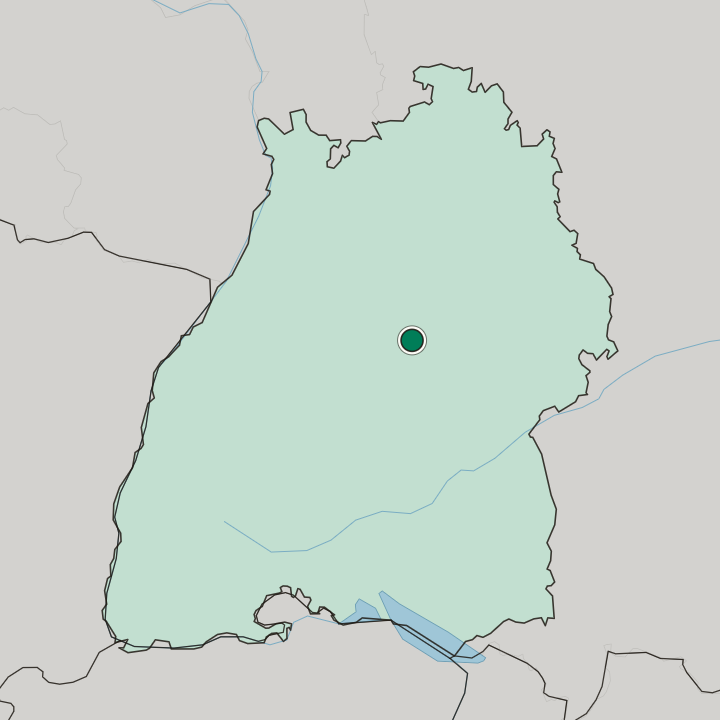
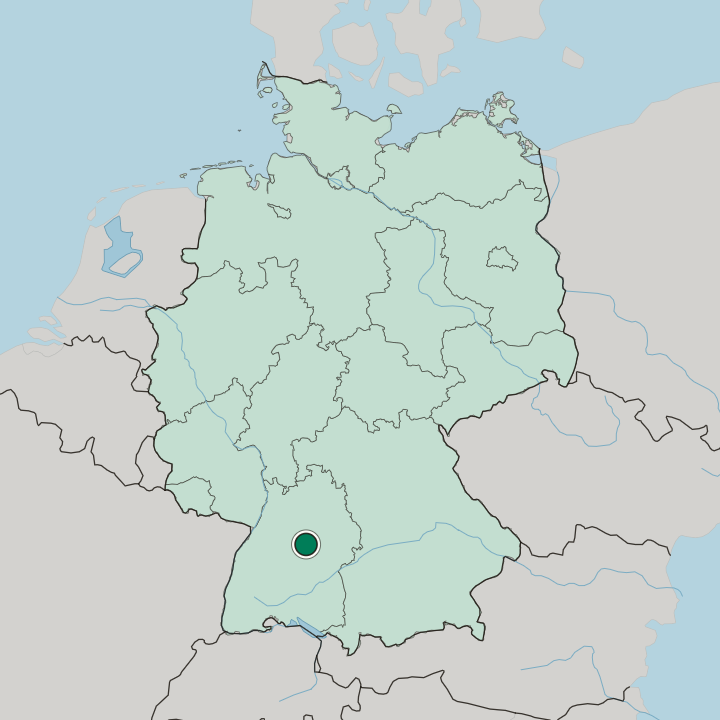
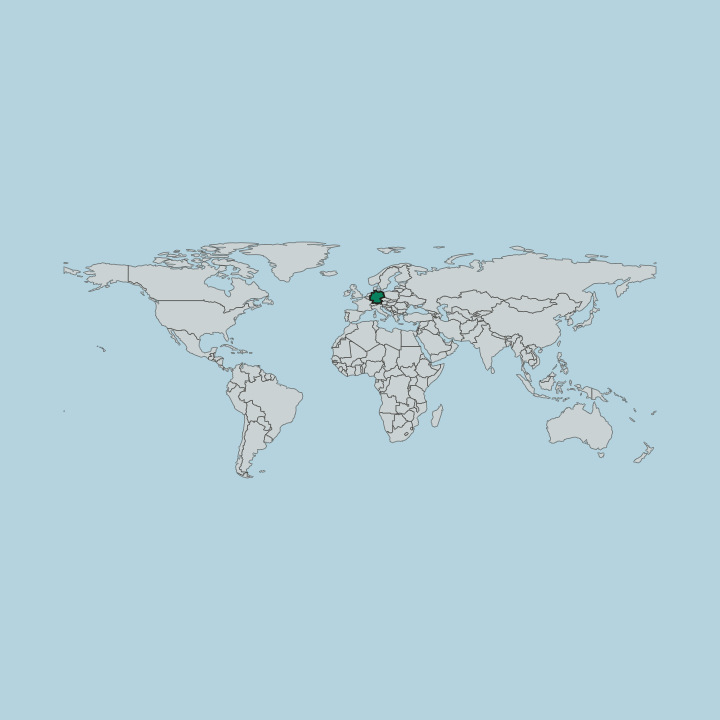
The Neckar sets the terms. Esslingen covers some forty-six square kilometres of the valley in Baden-Württemberg, its old centre pressed between the river and a vineyard slope that starts at the last row of houses. Nellingen sits above the drop. Stuttgart lies near enough that the two belong to one region, and the District of Esslingen takes in the towns along the same stretch of water.
What is the climate of Esslingen?
The valley decides more than the region does. Shelter along the Neckar and sun on the terraces above the Mélacturm are the reason vineyards reach the edge of the old town at all, while the higher ground out at Nellingen stays cooler. Winters run grey.
Summer heat settles on the valley floor and holds into the evening, which is when the Hafenmarkt and the Küferstraße fill.
How do you get to Esslingen?
Stuttgart is the hinge. Esslingen belongs to the same region, and the approaches follow the Neckar valley rather than climbing the plateau, so arrival tends to leave a visitor at the low end of the old town rather than above it. The historic centre is largely pedestrian.
From the Hafenmarkt, the Stadtkirche St. Dionys, the Mélacturm and the Küferstraße all fall within a few minutes on foot, and Nellingen is the one part of the town that really wants wheels.
Common questions
What is the best area to stay in Esslingen?
Hafenmarkt and the timber streets: sleeping among the listed frontages of Küferstraße and Ritterstraße. The slope below the Mélacturm: the climb to the Katharinenlindenturm and the vineyard terraces. Nellingen: a parking space and a quick road out past St.-Blasius-Kirche Nellingen.
Good for
More cities in Baden-Württemberg
Updated October 2026