Germany · Baden-Württemberg
Where to Stay in Stuttgart, Baden-Württemberg
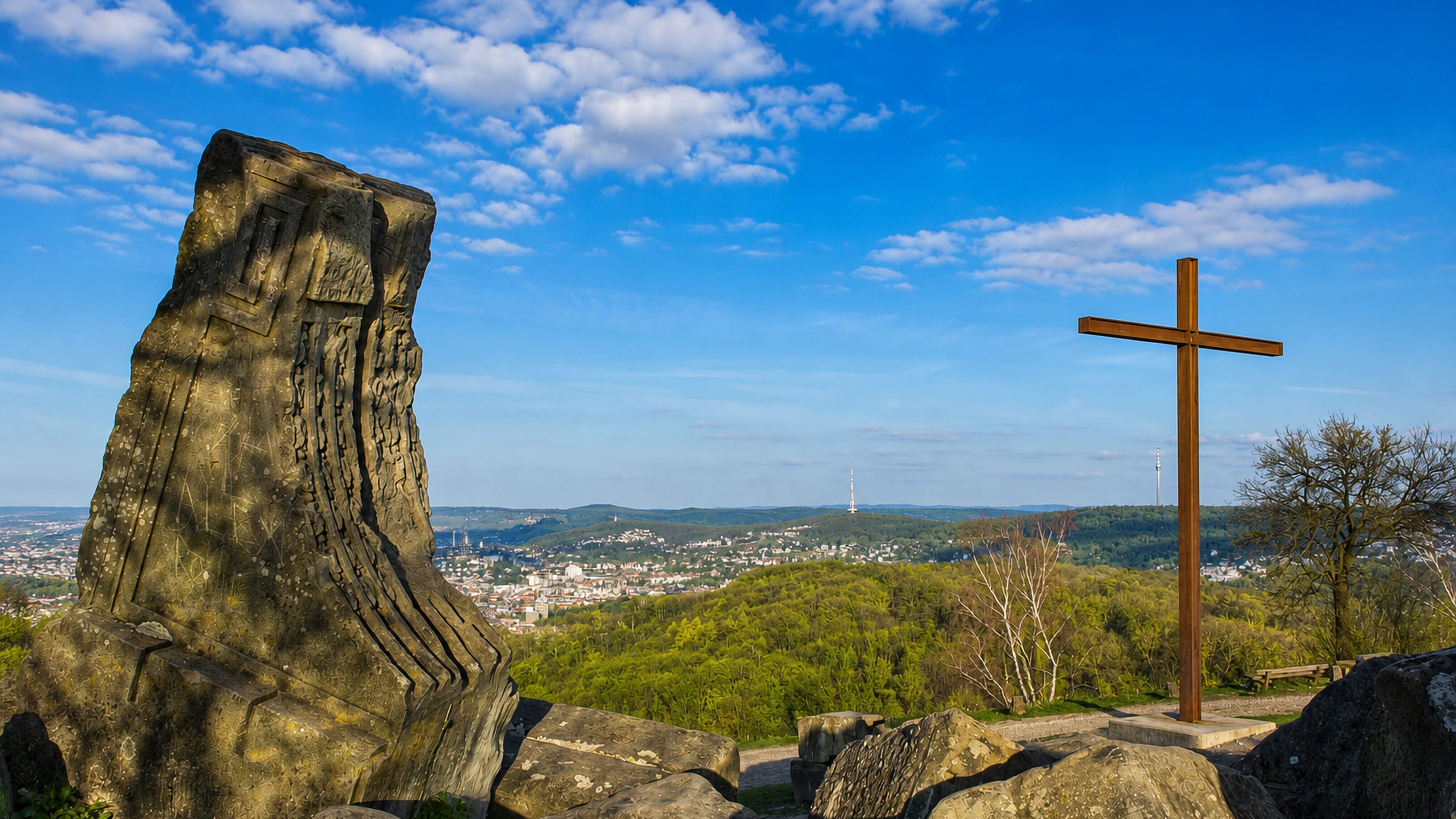
Vineyards climb the slopes above Stuttgart, capital of Baden-Württemberg in the valley of the Neckar, known for the Fernsehturm and its car works.
Hotel links are affiliate links: booking through them may earn us a commission, at no extra cost to you. It never affects how places are ranked. How this works


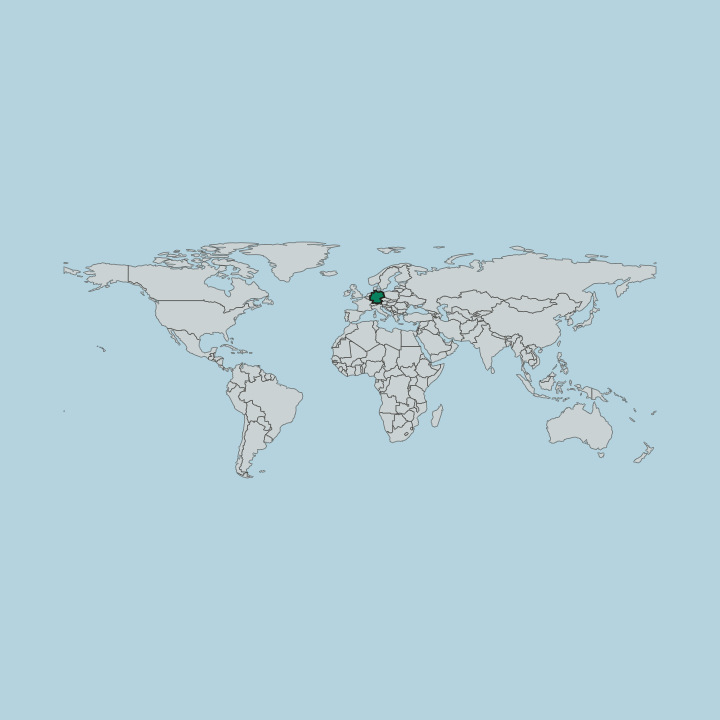
Where to stay in Stuttgart
Not every neighbourhood fits every trip — here's what each one is good for.

 StuttgartGermany
Stuttgart-Ost
Stuttgart-Ost gathers the Staatsgalerie Stuttgart, the House of History Baden-Württemberg and the Schellenturm into a single district.Where to stay →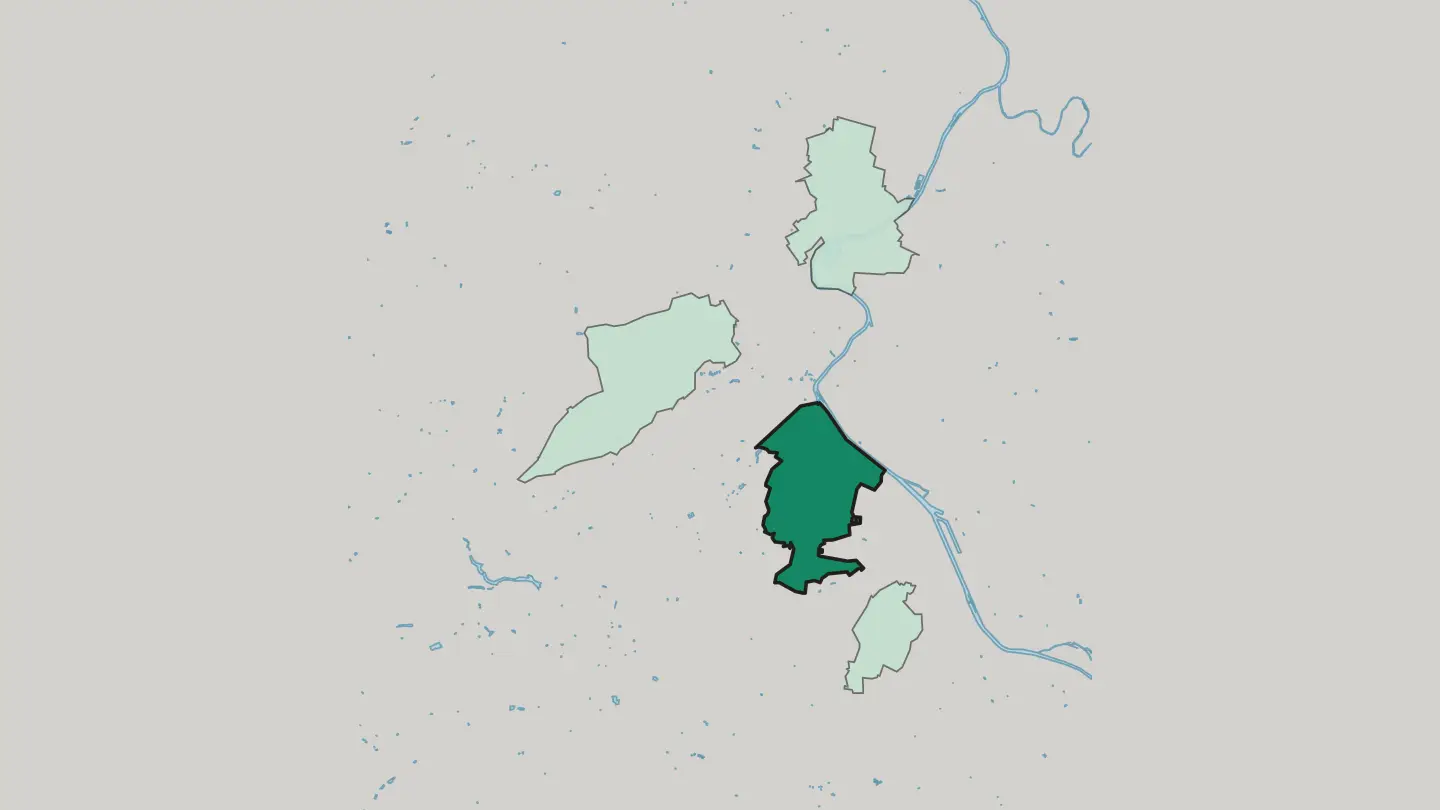
 StuttgartGermany
Stuttgart Feuerbach
Feuerbach is a district of Stuttgart on record since 1075, with the Killesberg Tower and Burg Frauenberg among its landmarks.Where to stay →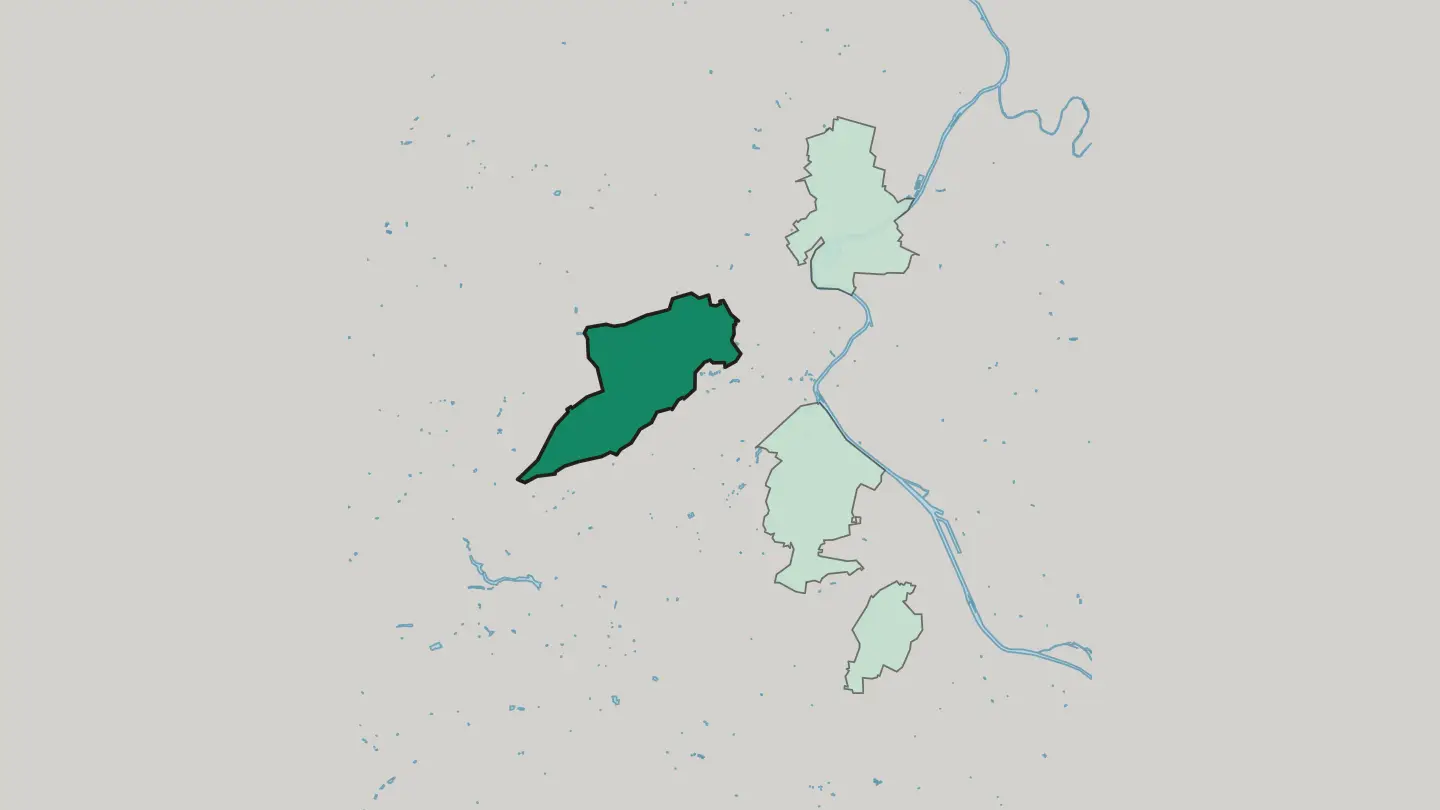
 StuttgartGermany
Heumaden
Heumaden is a district of Stuttgart, a little over three square kilometres of ground gathered around the Alte Kirche and the Bernhardskirche.Where to stay →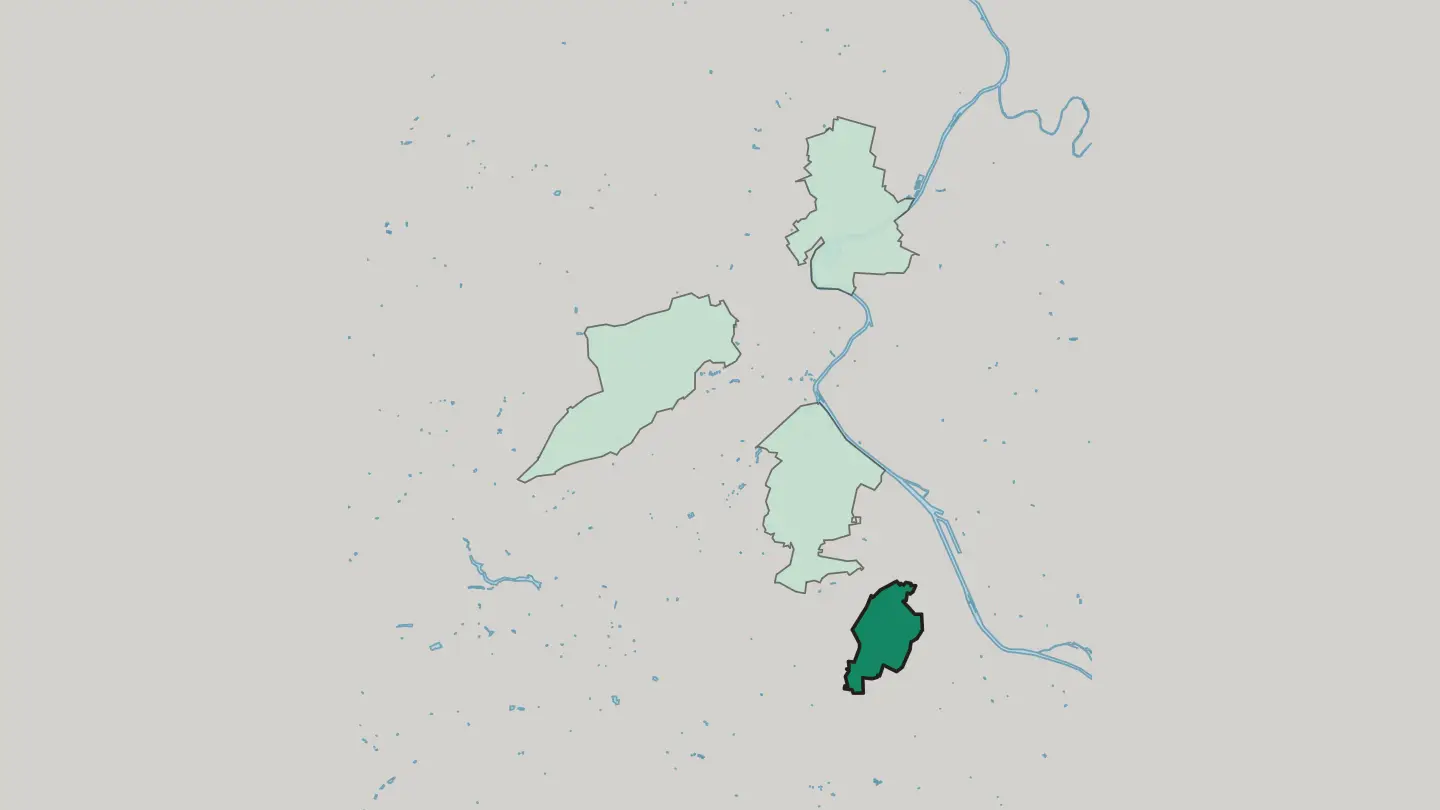
 StuttgartGermany
Stuttgart Mühlhausen
Castle Hofen, the Ruine Engelburg and the Veitskapelle all stand in Mühlhausen, a district of Stuttgart of about nine square kilometres.Where to stay →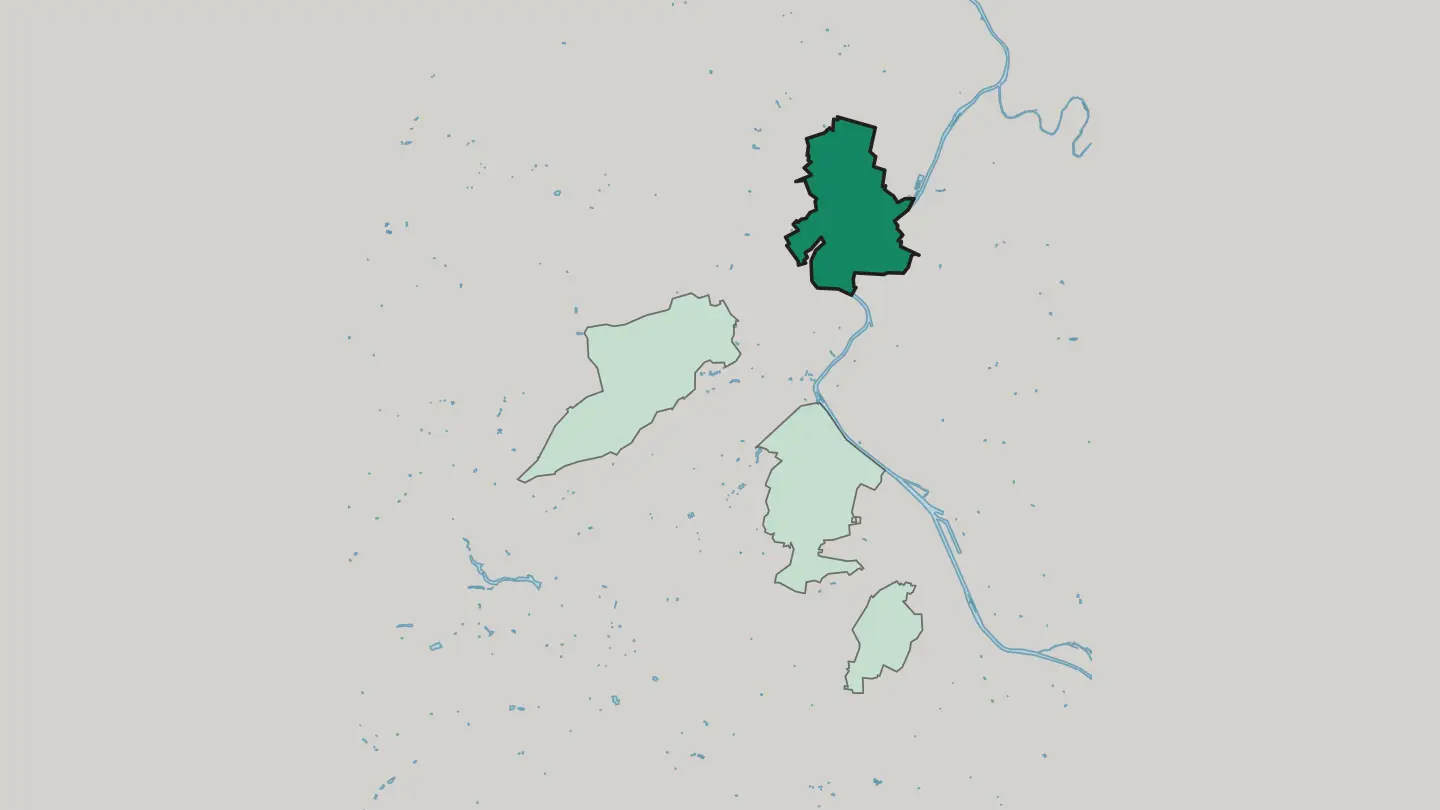
Hotel links are affiliate links: booking through them may earn us a commission, at no extra cost to you. It never affects how places are ranked. How this works
Find hotels in Stuttgart
Direct booking searches for these neighbourhoods.
The Kessel floor
Old Castle, Collegiate Church and the Bahnhofsturm inside one walkFind hotels in The Kessel floorPark air and the climb up the Killesberg TowerKillesberg
High ground above the basin where the parkland startsFind hotels in KillesbergFamilies pointed at the zoo and its glasshousesThe Wilhelma side
Out by Wilhelma and the Neckar rather than the shopping streetsFind hotels in The Wilhelma sideHotel links are affiliate links: booking through them may earn us a commission, at no extra cost to you. It never affects how places are ranked. How this works
Things to do in Stuttgart
Ranked by global recognition; descriptions from Wikidata (CC0).
Museums & Galleries
3- Staatsgalerie Stuttgart
- Kunstmuseum Stuttgart
- Landesmuseum Württemberg
Churches & Religious Sites
5- Stuttgart Collegiate Church Heritage
- Michaelskirche Heritage
- St. Katharina (Stuttgart) Heritage
- Bernhardskirche Heritage
- St. Johannes Maria Vianney Heritage
Castles & Historic Sites
3- Castle Hofen Heritage
- Old Castle
- Jubiläumssäule
Stadiums & Sports
1- Wilhelm-Braun-Sportpark
Parks & Gardens
1- Wilhelma Heritage
Landmarks & Notable Places
1- Technoturm
worth knowingacross 6 categories in Stuttgart
About Stuttgart
What is Stuttgart known for?
Stuttgart is the capital of Baden-Württemberg, a city of engineering that carries the head offices of Bosch, Mercedes and Porsche within its metropolitan area. Vineyards grow inside the city. Mineral springs rise under the valleys, forest covers the ridges, and the Fernsehturm stands over the whole basin.
The Staatsgalerie and the Linden Museum keep the art.
What are the main landmarks in Stuttgart?
Stuttgart keeps its landmarks at two heights. The Old Castle and the Collegiate Church hold the middle of the basin, and the Staatsgalerie, the Neue Staatsgalerie and the Kunstmuseum Stuttgart stand within a few streets of them. Hegel House keeps the philosopher's birthplace.
Above the roofs the concrete Fernsehturm rises off its wooded ridge, the Killesberg Tower gives the second view, and the Linden Museum, the Landesmuseum Württemberg and the City Museum of Stuttgart fill in the rest.
What is the history of Stuttgart?
Stuttgart began as a stud farm. The name carries Stutengarten, the horse paddock laid out on the valley floor, and the horse stayed on the city arms long after the paddock went. The Old Castle grew out of that seat, a moated house the counts of Württemberg turned into a residence, and the Collegiate Church rose beside it as the burial church of the line.
Württemberg ruled from here as county, then duchy, then kingdom. The Jubiläumssäule went up in the square below the palace to mark a king's jubilee, and Wilhelma came out of the same royal appetite, a garden of glasshouses on the river side of the city. The Landesmuseum Württemberg still holds the regalia.
Industry followed the court. Workshops in the valleys turned into the engine trade, and the Robert-Bosch-Haus carries the name of the man whose works made this a place of machines rather than of dukes. The twentieth century cut deep.
Deportation trains left from the Nordbahnhof and the Gedenkstätte am Nordbahnhof marks the platform, while the House of History Baden-Württemberg sets out the rest of the record. Football brought the city back into view, with World Cup matches played here in 1974 and again in 2006.
Where is Stuttgart?
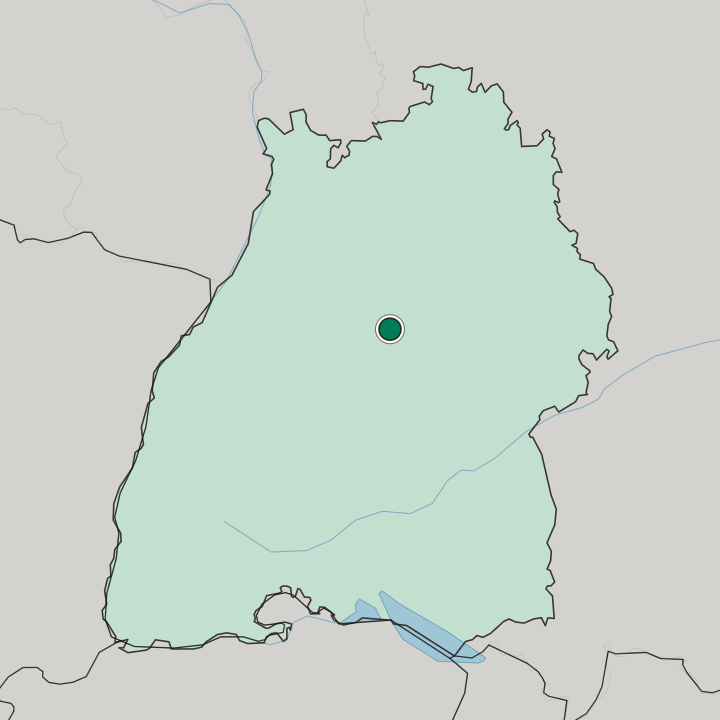
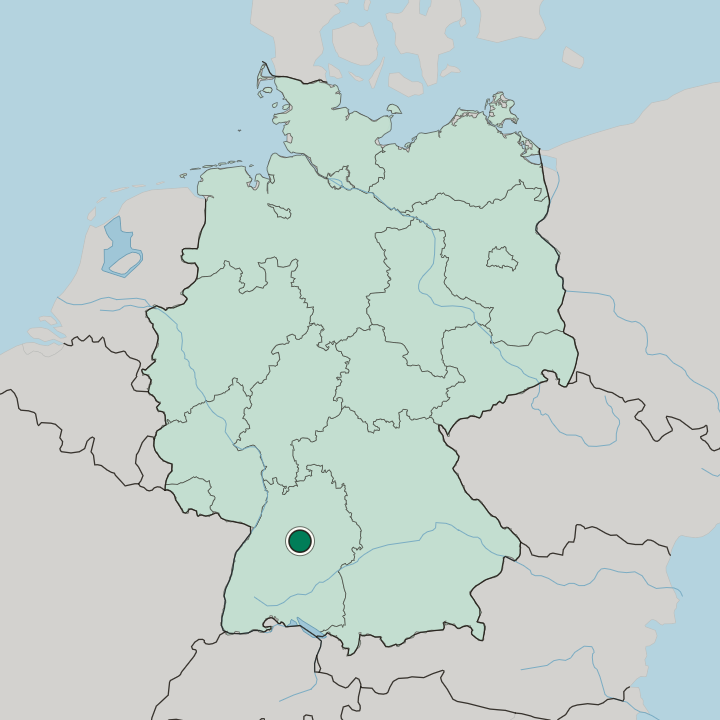
Stuttgart sits in the Stuttgarter Kessel, a fertile bowl cut by the Neckar. Hills close the basin on every side, so the built-up ground climbs in terraces and the street ends run into vineyards and woodland instead of suburbs. The Swabian Jura lies about an hour out one way and the Black Forest about an hour the other.
The Kessel does the shaping. Mineral springs rise through the valley floor, and parks and orchards break the slopes into green wedges.
What is the climate of Stuttgart?
The Kessel traps Stuttgart's summer heat. Hills ring the basin and close it to through-wind, so warm air sits on the valley floor, which is why vineyards ripen inside the built-up city and why the centre feels heavier in August than the ridges above it. Winters run grey more often than white.
Snow holds on the Swabian Jura and in the Black Forest long after it has gone from the streets of the basin.
How do you get to Stuttgart?
Stuttgart's trains come in under the Bahnhofsturm, the station tower that carries the Mercedes star above the platforms. Rail follows the Neckar out of the basin, and the Nordbahnhof stands off the main line to the north. Roads drop in.
Every approach by car comes over the rim of the Kessel, and the Swabian Jura and the Black Forest each lie about an hour out along it.
Common questions
What is the best area to stay in Stuttgart?
The Kessel floor: Museum days on the Staatsgalerie circuit. Killesberg: Park air and the climb up the Killesberg Tower. The Wilhelma side: Families pointed at the zoo and its glasshouses.
Good for
More cities in Baden-Württemberg
Updated October 2026