Germany · Baden-Württemberg
Where to Stay in Villingen-Schwenningen, Baden-Württemberg
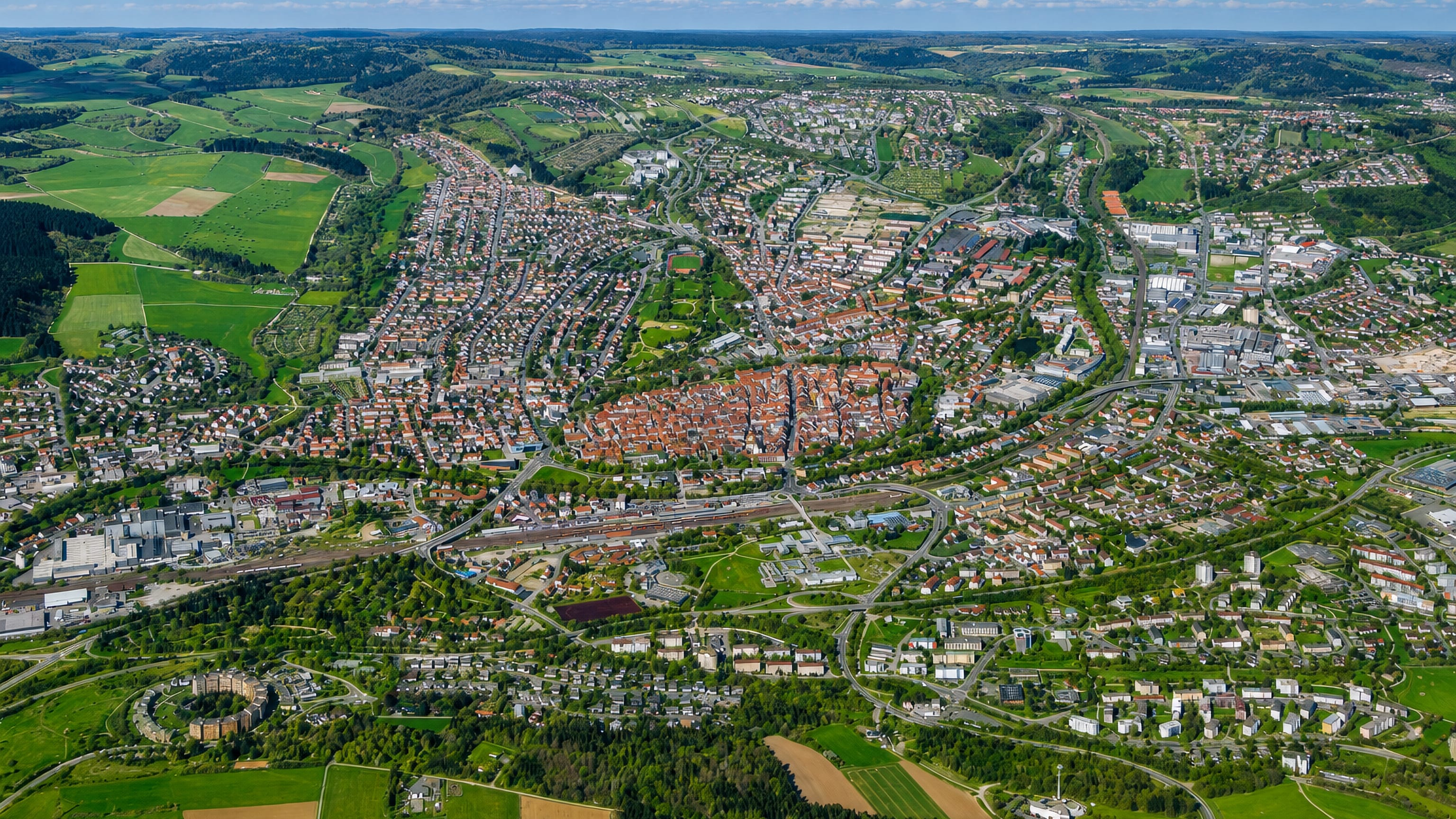
Villingen-Schwenningen pairs two old towns at the east side of the Black Forest, joined in 1972 and split between carnival and clockmaking.
Hotel links are affiliate links: booking through them may earn us a commission, at no extra cost to you. It never affects how places are ranked. How this works


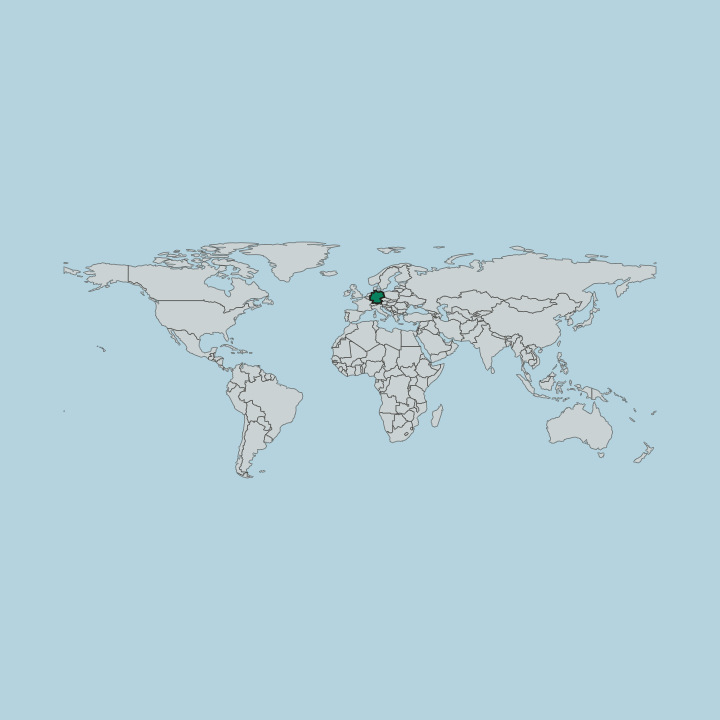
Where to stay in Villingen-Schwenningen
Not every neighbourhood fits every trip — here's what each one is good for.

 Villingen-SchwenningenGermany
Schwenningen am Neckar
Schwenningen am Neckar dates to 817 and shares the twin town of Villingen-Schwenningen with Villingen, in Baden-Württemberg.Where to stay →Villingen-SchwenningenGermanyRietheim
Rietheim belongs to Villingen-Schwenningen, a district whose register runs to three parish churches and nothing else.Where to stay →Hotel links are affiliate links: booking through them may earn us a commission, at no extra cost to you. It never affects how places are ranked. How this works
Find hotels in Villingen-Schwenningen
Direct booking searches for these neighbourhoods.
Villingen's walled centre
The Old town hall Villingen, the Franziskanermuseum Villingen-Schwenningen and the Benediktinerkirche all stand inside the old walls.Find hotels in Villingen's walled centreIce hockey nights with the Wild WingsSchwenningen
The Heimat- und Uhrenmuseum Schwenningen and the Protestant Town Church Schwenningen anchor this half of the twin city.Find hotels in SchwenningenWalkers heading into the Black Forest before breakfastUp by the Wanne tower
Rooms near the Wanne Observation Tower swap both town centres for woodland paths on the doorstep. Lodging is scarce in this area; reserve in advance.Find hotels in Up by the Wanne towerHotel links are affiliate links: booking through them may earn us a commission, at no extra cost to you. It never affects how places are ranked. How this works
Things to do in Villingen-Schwenningen
Ranked by global recognition; descriptions from Wikidata (CC0).
Museums & Galleries
1- Old town hall Villingen
Churches & Religious Sites
8- Münster Unserer Lieben Frau Heritage
- Benediktinerkirche Heritage
- St. Franziskus Heritage
- Johanniterkirche Heritage
- Pauluskirche Schwenningen Heritage
Show 3 more →
- Altstadtkirche Heritage
- Protestant Town Church Schwenningen Heritage
- Versöhnungskirche Heritage
Castles & Historic Sites
2- Berthold-Denkmal Heritage
- St. Nepomuk-Statue
Landmarks & Notable Places
4- Braumüllersches Haus Heritage
- Glunkenhaus Heritage
- Kaufhaus Merkur Heritage
- Wehrhaus Heritage
worth knowingacross 4 categories in Villingen-Schwenningen
About Villingen-Schwenningen
Carnival belongs to Villingen.
What is Villingen-Schwenningen known for?
The town's celebrations draw people from across Baden-Württemberg, while Schwenningen answers with ice hockey and the Wild Wings, whose following has little to do with the other half's traditions. Clocks made both halves. The Uhrenindustriemuseum Villingen-Schwenningen and the Heimat- und Uhrenmuseum Schwenningen between them set out an industry that once ran through every workshop here.
Münster Unserer Lieben Frau supplies the landmark.
What are the main landmarks in Villingen-Schwenningen?
Münster Unserer Lieben Frau stands over Villingen, with the Old town hall Villingen and the Franziskanermuseum Villingen-Schwenningen a short walk from it. Two towers give the views. The Wanne Observation Tower and the Hubenloch Observation Tower both climb above the trees, while the transmission tower Villingen-Schwenningen (Wöschhalde) makes a landmark of a different kind on the skyline.
Schwenningen keeps its clocks at the Heimat- und Uhrenmuseum Schwenningen.
What is the history of Villingen-Schwenningen?
Two towns, two histories. Villingen carries the older monuments, among them the Münster Unserer Lieben Frau, the Old town hall Villingen and the Ursulinenkloster St Ursula, which together sketch a walled town of some standing. The Benediktinerkirche and the Johanniterkirche belong to religious orders that settled inside the same walls.
Carnival came out of that town. Merchants left houses. The Wehrhaus, the Glunkenhaus and the Braumüllersches Haus survive from the streets they built, and the Berthold-Denkmal and the St Nepomuk-Statue were added to the same old centre later.
Schwenningen grew on clockmaking. Workshops turned out movements and cases in quantity, and the Heimat- und Uhrenmuseum Schwenningen keeps the tools and products of a trade that shaped this whole edge of the Black Forest. The Uhrenindustriemuseum Villingen-Schwenningen takes the factory side of the same story.
Protestant Town Church Schwenningen, the Pauluskirche Schwenningen and the Altstadtkirche mark the town's own parishes, with St Jakobus and St Franziskus among the later additions. In 1972 the two municipalities were joined into one city, an administrative decision that left both old centres standing as they were. Kaufhaus Merkur belongs to that century of building.
Where is Villingen-Schwenningen?
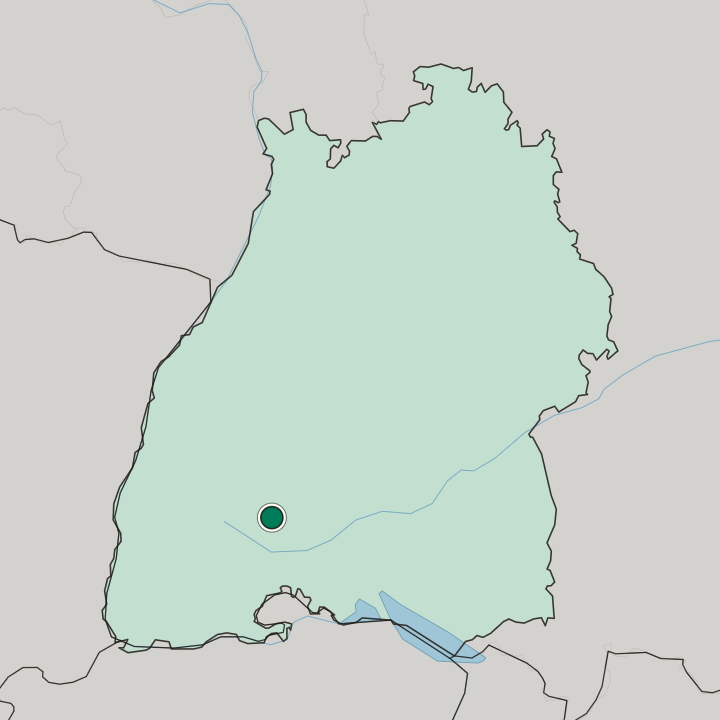
The Black Forest ends where this city begins. Villingen and Schwenningen sit apart from one another and were joined into a single municipality covering some 165 square kilometres, with open country still lying between the two old cores. The Schwarzwald-Baar district administers all of it.
Wooded high ground shows in the towers, since the Wanne Observation Tower and the Hubenloch Observation Tower were both put up to look out over it.
What is the climate of Villingen-Schwenningen?
The Black Forest keeps this ground high and cool. Winters run long, with snow lying on the wooded ridges above the Wanne Observation Tower well after the lower valleys of Baden-Württemberg have cleared, and summers stay short and mild by comparison. Carnival happens in the cold.
Indoor hours belong to the Franziskanermuseum Villingen-Schwenningen and the two clock museums.
How do you get to Villingen-Schwenningen?
The city has two centres, not one. Arrivals aiming for Münster Unserer Lieben Frau want Villingen, while anyone here for the Wild Wings or the Heimat- und Uhrenmuseum Schwenningen wants Schwenningen instead, and the two are not the same stop. Local roads link them.
Once inside either old centre, walking covers the churches, the museums and the Old town hall Villingen without further transport.
Common questions
What is the best area to stay in Villingen-Schwenningen?
Villingen's walled centre: First visits built around Münster Unserer Lieben Frau and the carnival streets. Schwenningen: Ice hockey nights with the Wild Wings. Up by the Wanne tower: Walkers heading into the Black Forest before breakfast.
Good for
More cities in Baden-Württemberg
Updated October 2026