Germany · Baden-Württemberg
Where to Stay in Ulm, Baden-Württemberg
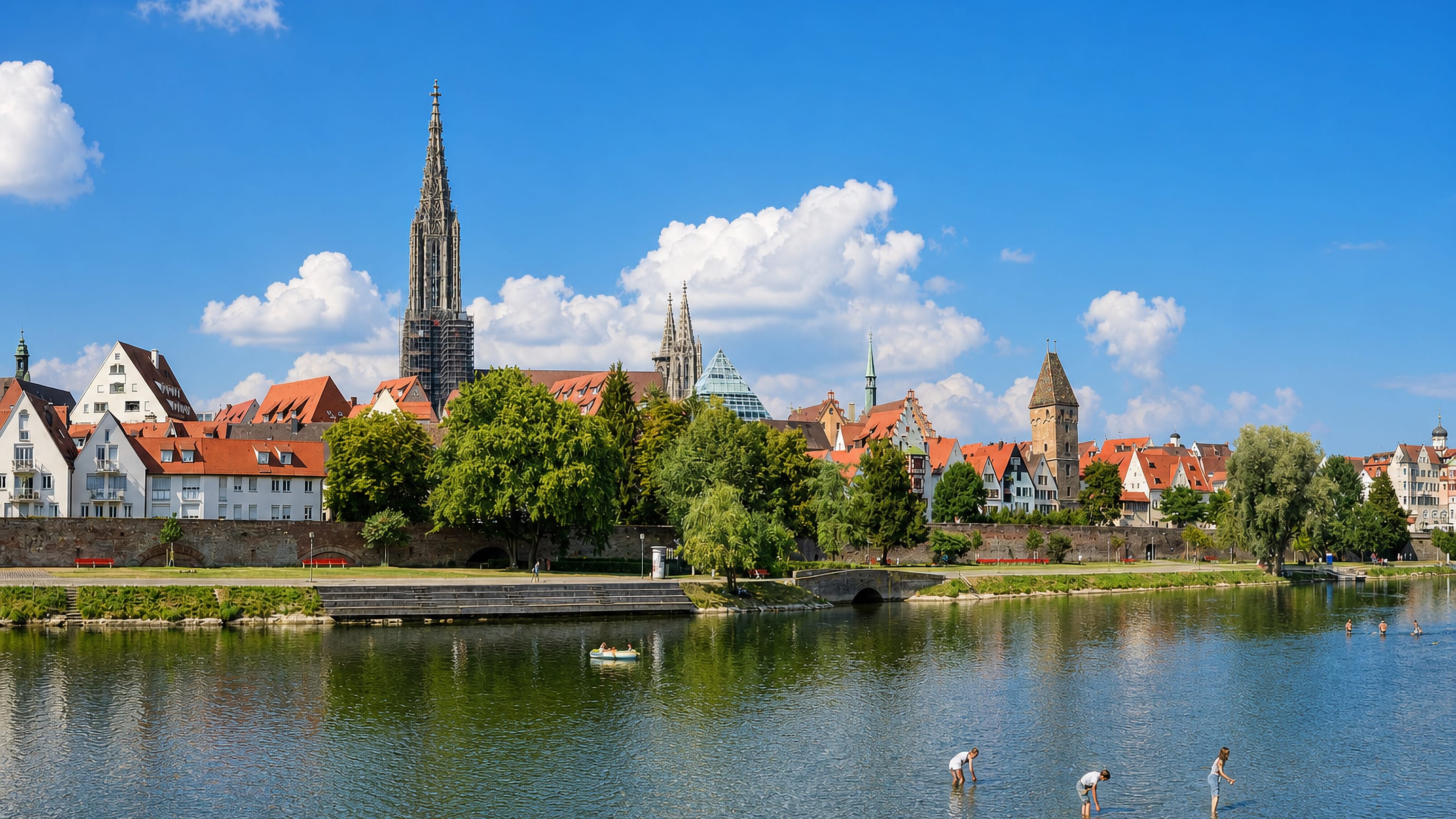
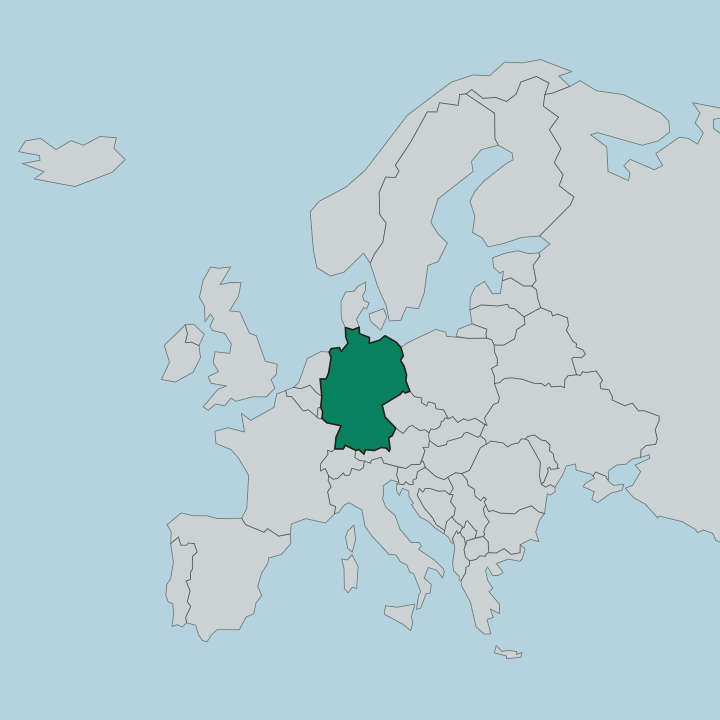
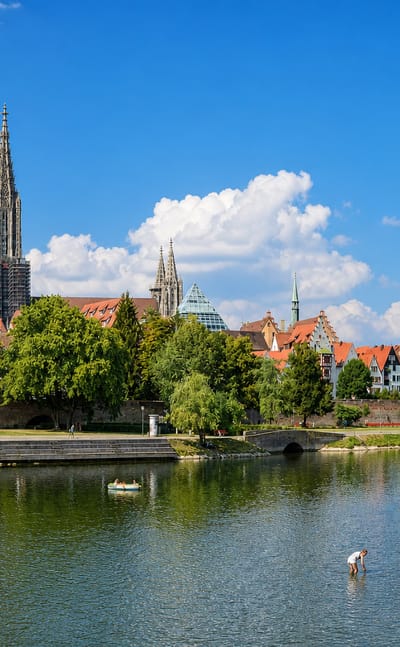
The Ulm Minster carries the tallest church steeple in the world above Ulm, a Danube city in Baden-Württemberg at the edge of Bavaria.
Hotel links are affiliate links: booking through them may earn us a commission, at no extra cost to you. It never affects how places are ranked. How this works


Where to stay in Ulm
Where you base yourself shapes the visit — here's the character of each area.
 UlmGermany
Söflingen
Söflingen is a district of Ulm where Söflingen Abbey stands with the Christuskirche and the Lukaskirche close by.Where to stay →UlmGermanyWiblingen
Wiblingen is a district of Ulm gathered around Wiblingen Abbey, with the Franziskuskirche marking the streets beyond the monastery.Where to stay →Hotel links are affiliate links: booking through them may earn us a commission, at no extra cost to you. It never affects how places are ranked. How this works
Find hotels in Ulm
Direct booking searches for these neighbourhoods.
Münsterplatz and old town
Minutes on foot from the Ulm Minster, the Stadthaus Ulm and the museum quarter, with the market square at the door.Find hotels in Münsterplatz and old townTimber lanes by the MetzgerturmFishermen's and tanners' quarter
Restored timber houses and the channels of the Blau by the leaning Metzgerturm, quieter than the Münsterplatz.Find hotels in Fishermen's and tanners' quarterHotel links are affiliate links: booking through them may earn us a commission, at no extra cost to you. It never affects how places are ranked. How this works
Things to do in Ulm
Ranked by global recognition; descriptions from Wikidata (CC0).
Museums & Galleries
3- Stadthaus Ulm Heritage
- Museum Ulm
- Museum der Brotkultur
Churches & Religious Sites
8- Ulm Minster Heritage
- Wiblingen Abbey Heritage
- Pauluskirche Heritage
- Martin-Luther-Kirche Heritage
- Söflingen Abbey Heritage
Show 3 more →
- Dreifaltigkeitskirche Heritage
- Wengenkirche Heritage
- Nikolauskapelle Heritage
Castles & Historic Sites
3- Deserters monument in Ulm
- Sonnenbunker memorial (Ulm)
- Erinnerungszeichen für die Ulmer Opfer von NS-Zwangssterilisation und „Euthanasie“-Morden
Landmarks & Notable Places
2- Metzgerturm Heritage
- Seelturm Heritage
worth knowingacross 4 categories in Ulm
About Ulm
What is Ulm known for?
Ulm is known worldwide for the Ulm Minster, whose spire is the tallest of any church anywhere, taller even than Cologne Cathedral. The Gothic church dominates the skyline and the old town beneath it. Its steeple is unmissable.
Beyond the Minster, the city trades on its position at the edge of Bavaria in Baden-Württemberg, on its baking heritage kept alive at the Museum der Brotkultur, and on a compact medieval core threaded by the old Metzgerturm and the lanes of the fishermen's quarter.
What are the main landmarks in Ulm?
Ulm's landmarks gather around the Ulm Minster and its record-holding spire. The old town keeps the leaning Metzgerturm, the medieval Seelturm and the Renaissance grandeur of the Wengenkirche within a short walk. Ulm's museums sit just beyond.
The Museum Ulm and the Kunsthalle Weishaupt hold the city's art, the Museum der Brotkultur tells the story of bread, and the Donauschwäbisches Zentralmuseum records the Danube Swabians who set out downstream from here.
What is the history of Ulm?
Ulm grew into a town on the upper Danube and won its charter in the twelfth century, a date the city still counts from 1181. As a free imperial city it prospered on trade in cloth and grain that moved along the river, and the wealth of that age paid for the Ulm Minster, begun by the townspeople rather than a bishop. The spire that crowns it was finished only much later.
Later centuries brought Ulm into Baden-Württemberg and set its river boundary against Bavaria, where Neu-Ulm grew up on the far bank. War and dictatorship left their marks too. Memorials in the city, among them the deserters monument and the Donauschwäbisches Zentralmuseum, keep the harder history visible, recording the soldiers, the emigrants who floated down the Danube, and the victims of the twentieth century.
Where is Ulm?
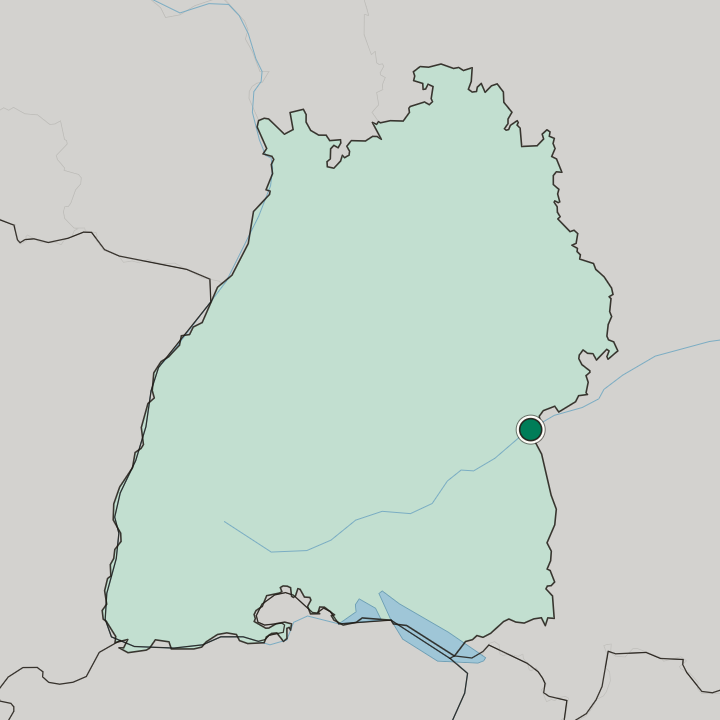
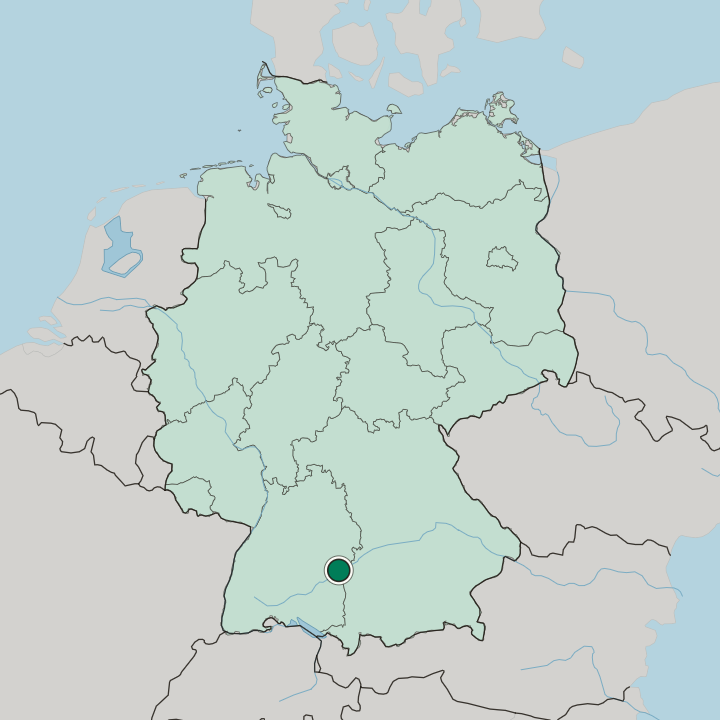
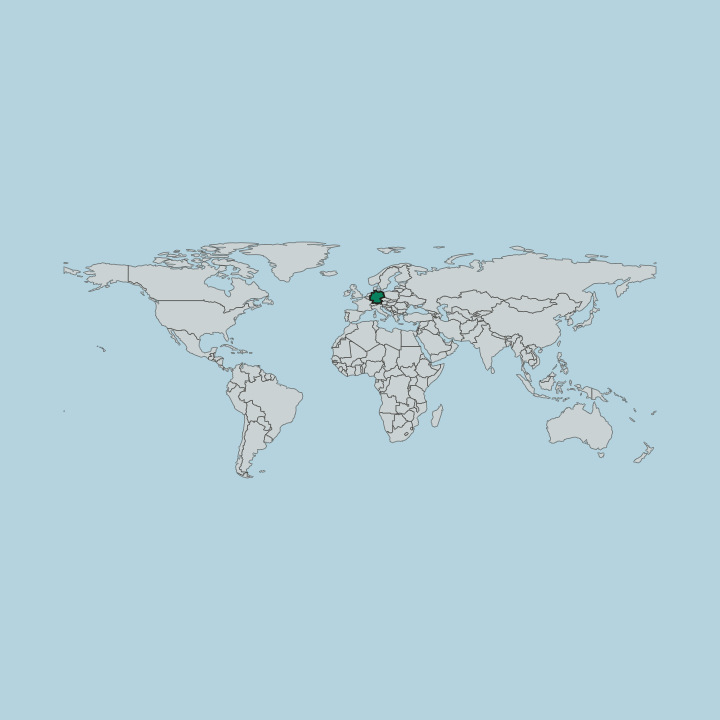
Ulm stands on the upper Danube in Baden-Württemberg, right at the edge of Bavaria. The river marks the state line here, with Neu-Ulm facing it across the water on the Bavarian bank. Two smaller streams, the Blau and the Iller, join the Danube near the city.
The valley floor is flat. From it the land rises into the wooded Swabian country to the north and west, so the Ulm Minster spire can be seen for a long way across the open ground before a traveller ever reaches the town.
What is the climate of Ulm?
Ulm has a cool, continental climate shaped by its inland position on the upper Danube. Winters can turn cold and grey. Fog often settles over the river valley on still mornings, drifting past the foot of the Ulm Minster, and frost lingers longer here than in the milder Rhine cities to the west.
Summers are warm and green, with the Danube and the surrounding Swabian country drawing walkers and cyclists once the weather softens.
How do you get to Ulm?
Ulm sits on the main rail line between Stuttgart and Munich, which makes it easy to reach from either. Fast trains stop at the Hauptbahnhof a short walk from the Ulm Minster, and regional services fan out across Baden-Württemberg and into neighbouring Bavaria. The A8 autobahn runs close by.
Local trams and buses link the centre with Neu-Ulm across the Danube and with the outer districts, so most arrivals reach the old town without needing a car.
Common questions
What is the best area to stay in Ulm?
Münsterplatz and old town: First stays beneath the Ulm Minster spire. Fishermen's and tanners' quarter: Timber lanes by the Metzgerturm.
Good for
More cities in Baden-Württemberg
Updated October 2026