Germany · Baden-Württemberg
Where to Stay in Pforzheim, Baden-Württemberg
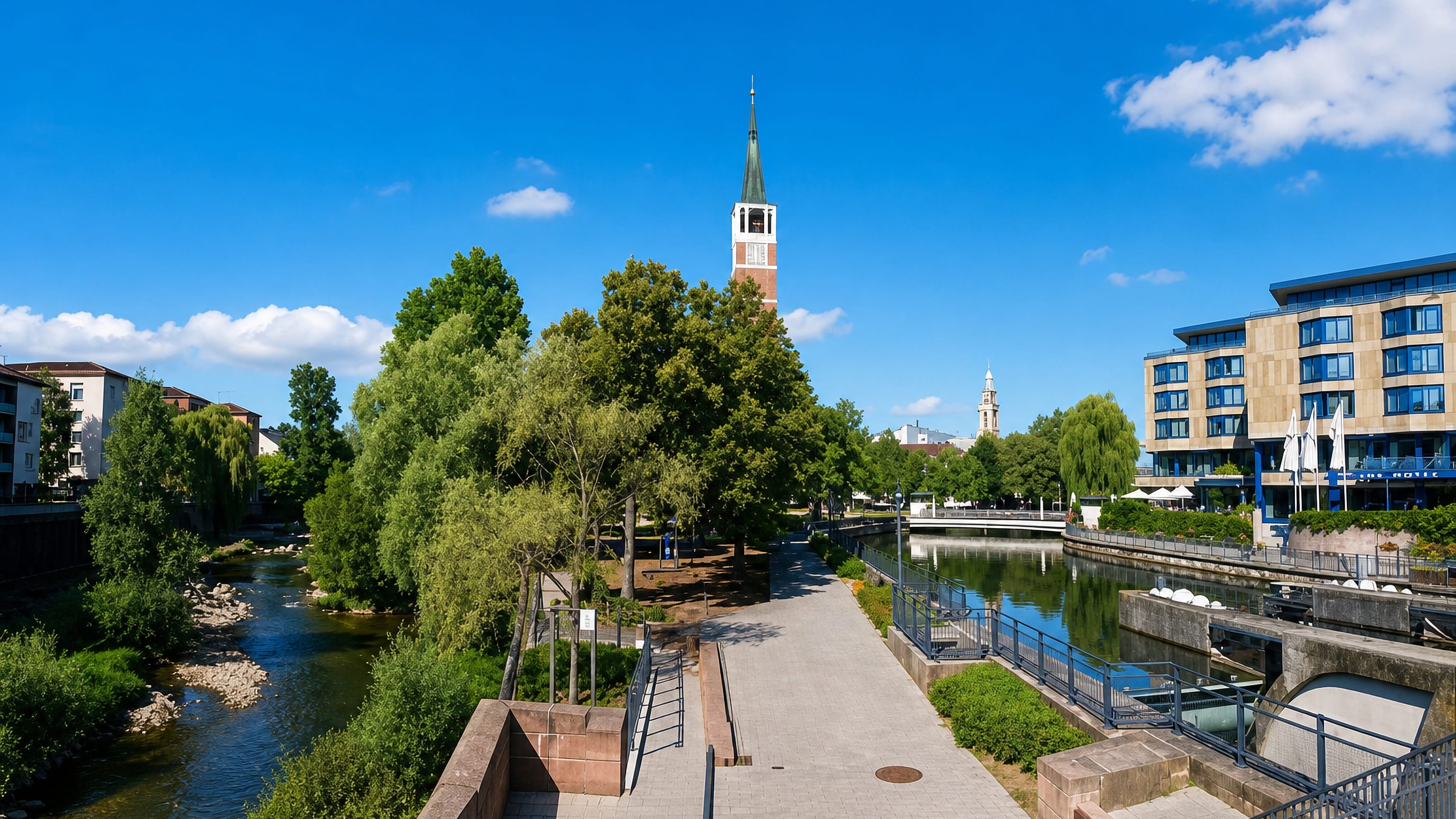
Pforzheim, the Goldstadt of Baden-Württemberg, gathers the Enz, Nagold and Würm at the northern edge of the Black Forest.
Hotel links are affiliate links: booking through them may earn us a commission, at no extra cost to you. It never affects how places are ranked. How this works


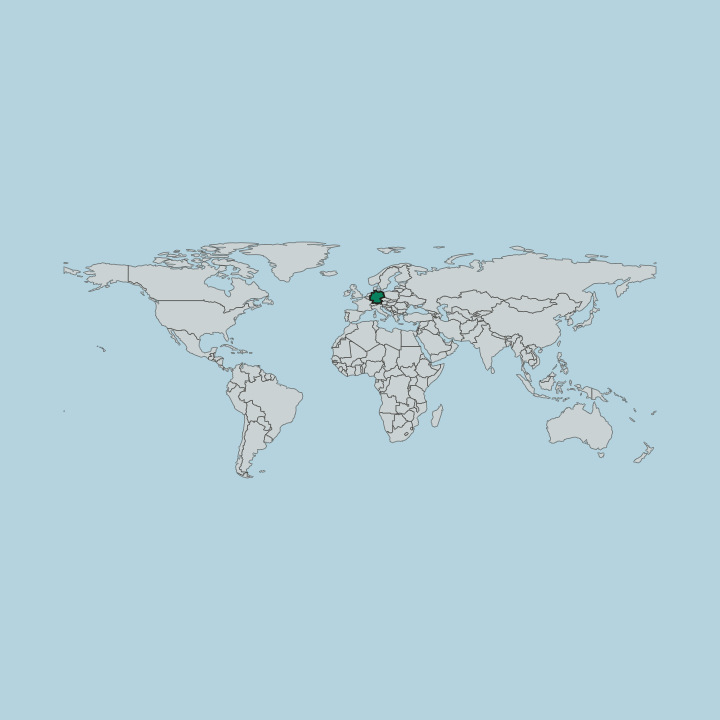
Where to stay in Pforzheim
The practical side of choosing where to sleep.
Post-war rebuilding shaped the middle. The centre that visitors book into was largely put up again after the war, which makes it plain and functional rather than old, though the jewellery museum Pforzheim and the Pforzheim Galerie both sit inside it. Stadtkirche stands among them.
Altstadtkirche St. Martin, the Barfüßerkirche Pforzheim, and the Heilig-Geist-Spital Pforzheim survive from earlier, and a room in these streets reaches all of them without a bus. Nothing takes long on foot. Dillweißenstein keeps its own name.
Burg Rabeneck and the Heiliggeistkirche Dillweißenstein give that quarter two landmarks the rebuilt centre cannot match, which is reason enough for some visitors to stay out there. Eutingen is the other village absorbed. Its Evangelische Kirche Eutingen still marks a separate centre, and guests who want quiet streets and a short drive in often book on that side rather than beside the shops.
Wildpark Pforzheim suits families best. Walkers heading into the Black Forest sometimes prefer a room near the Wartturm or the Burgruine Kräheneck, where the built-up ground gives out and the paths begin, though the Enz and the Würm each carry their own valleys out of town.
Find hotels in Pforzheim
Direct booking searches for these neighbourhoods.
The rebuilt centre
The Pforzheim Galerie, the Stadtkirche, and the Heilig-Geist-Spital Pforzheim stand within the same rebuilt blocksFind hotels in The rebuilt centreNights beside Burg Rabeneck rather than the shopsDillweißenstein
Burg Rabeneck and the Heiliggeistkirche Dillweißenstein give Dillweißenstein a centre the rebuilt Pforzheim streets lackFind hotels in DillweißensteinQuiet streets around the Evangelische Kirche EutingenEutingen
The Evangelische Kirche Eutingen marks a village centre absorbed into Pforzheim but still standing apartFind hotels in EutingenHotel links are affiliate links: booking through them may earn us a commission, at no extra cost to you. It never affects how places are ranked. How this works
Things to do in Pforzheim
Ranked by global recognition; descriptions from Wikidata (CC0).
Museums & Galleries
3- jewellery museum Pforzheim
- DDR-Museum Pforzheim
- Pforzheim Galerie
Churches & Religious Sites
8- Stadtkirche (Pforzheim) Heritage
- St. Franziskus (Pforzheim) Heritage
- Altstadtkirche St. Martin (Pforzheim) Heritage
- Matthäuskirche Heritage
- Herz-Jesu-Kirche Heritage
Show 3 more →
- Auferstehungskirche Heritage
- Barfüßerkirche Pforzheim Heritage
- Christuskirche (Pforzheim) Heritage
Castles & Historic Sites
3- Burg Rabeneck (Dillweißenstein) Heritage
- Burgruine Kräheneck Heritage
- Burg Hoheneck Heritage
Landmarks & Notable Places
1- Sender Pforzheim-Stadt
worth knowingacross 4 categories in Pforzheim
About Pforzheim
Gold gave the city its second name.
What is Pforzheim known for?
Jewellery and watch-making built Pforzheim's trade, and the jewellery museum Pforzheim now holds the results of it, with the Pforzheim Galerie taking the fine art rather than the metalwork. Goldstadt is the shorthand. The DDR-Museum Pforzheim covers something else entirely, while the Wildpark Pforzheim gives families a day that has nothing to do with either.
What are the main landmarks in Pforzheim?
The jewellery museum Pforzheim is the reason most people come. Pforzheim Galerie and the DDR-Museum Pforzheim complete the museum quarter, while the Wildpark Pforzheim and the Sender Pforzheim-Stadt mark two very different edges of the built-up ground. Castles ring the town.
Burg Hoheneck, Burgruine Kräheneck, and Burg Rabeneck stand at three separate points, with the Wartturm and the Hachel-Tower left from the older defences. Stadtkirche, the Liebfrauenkirche, the Lutherkirche, and St. Franziskus divide the parishes between them.
What is the history of Pforzheim?
Romans left their tableware behind. The Samian Ware Discovery Site is the earliest thing recorded here, imported pottery in the ground beside three rivers that were reason enough for anyone to settle. Castles followed the rivers up.
Burg Hoheneck, the Burgruine Kräheneck, and Burg Rabeneck were raised at separate points around the valleys, and the Wartturm and the Hachel-Tower belong to the same business of watching the approaches. Altstadtkirche St. Martin is older than most of what surrounds it. Metal made the modern city.
Jewellery and watch-making turned Pforzheim into the Goldstadt, a name that stuck to the place long after the workshops changed hands, and the jewellery museum Pforzheim exists because of that trade rather than despite it. War took the old town. Rebuilding after it produced the functional centre that stands around the Stadtkirche and the Heilig-Geist-Spital Pforzheim, which is why the Barfüßerkirche Pforzheim and the Liebfrauenkirche read as survivors.
Dillweißenstein and Eutingen kept their own churches. The Heiliggeistkirche Dillweißenstein and the Evangelische Kirche Eutingen still mark those villages, while the DDR-Museum Pforzheim, the Sender Pforzheim-Stadt, and the Wildpark Pforzheim all belong to the later city.
Where is Pforzheim?
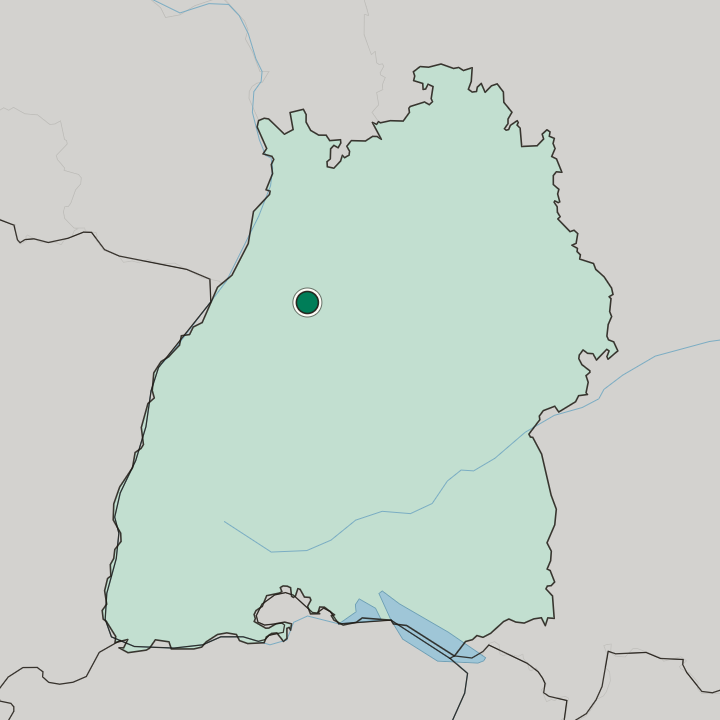
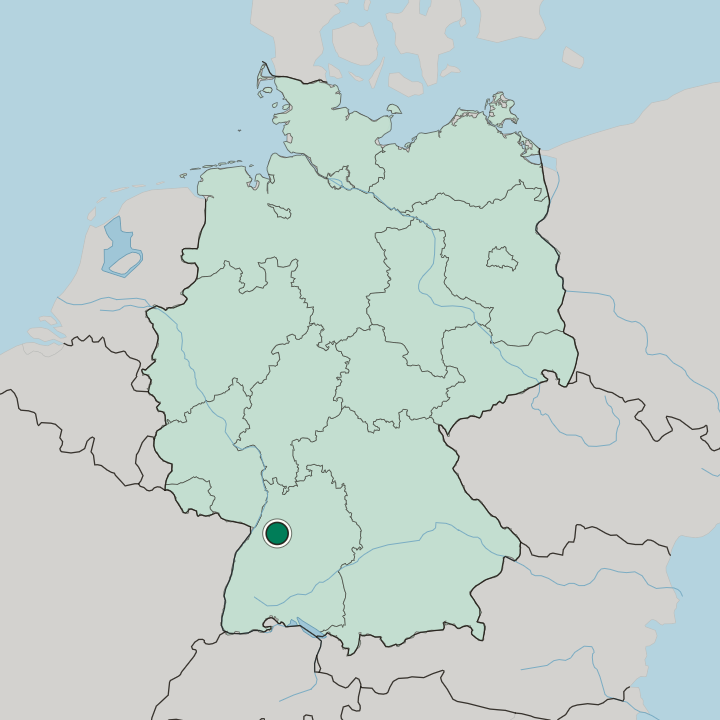
Three rivers come in here. The Enz, the Nagold, and the Würm converge at Pforzheim, and the town spreads along all three valleys rather than around a single centre. The Black Forest begins at the edge. Karlsruhe lies one way and Stuttgart the other, which puts Pforzheim between them on the northern rim of the forest, while Dillweißenstein and Eutingen sit out where the built ground thins.
A temperate climate settles over the three valleys.
What is the climate of Pforzheim?
The Black Forest does the work. Air coming off the high ground behind Pforzheim keeps the nights cooler than the open country beyond, and the valleys of the Enz, the Nagold, and the Würm channel whatever weather arrives straight through the built-up ground. Rain is never far off.
Wildpark Pforzheim and the paths up towards the Wartturm are the first things a wet week spoils, which is when the jewellery museum Pforzheim gets busy.
How do you get to Pforzheim?
Karlsruhe and Stuttgart bracket the approach. Pforzheim sits between the two, which makes it a stop on the way rather than the end of a line, and most arrivals come in along the valleys the Enz and the Nagold cut through the hills. Walkers go the other direction.
The Black Forest paths start at the edge of the built ground near the Wartturm, and the jewellery museum Pforzheim, the Pforzheim Galerie, and the Stadtkirche all sit within a few streets of the centre. Dillweißenstein needs a short ride out.
Common questions
What is the best area to stay in Pforzheim?
The rebuilt centre: Stays wanting the jewellery museum Pforzheim on the doorstep. Dillweißenstein: Nights beside Burg Rabeneck rather than the shops. Eutingen: Quiet streets around the Evangelische Kirche Eutingen.
Good for
More cities in Baden-Württemberg
Updated October 2026