Germany · Baden-Württemberg
Where to Stay in Offenburg, Baden-Württemberg
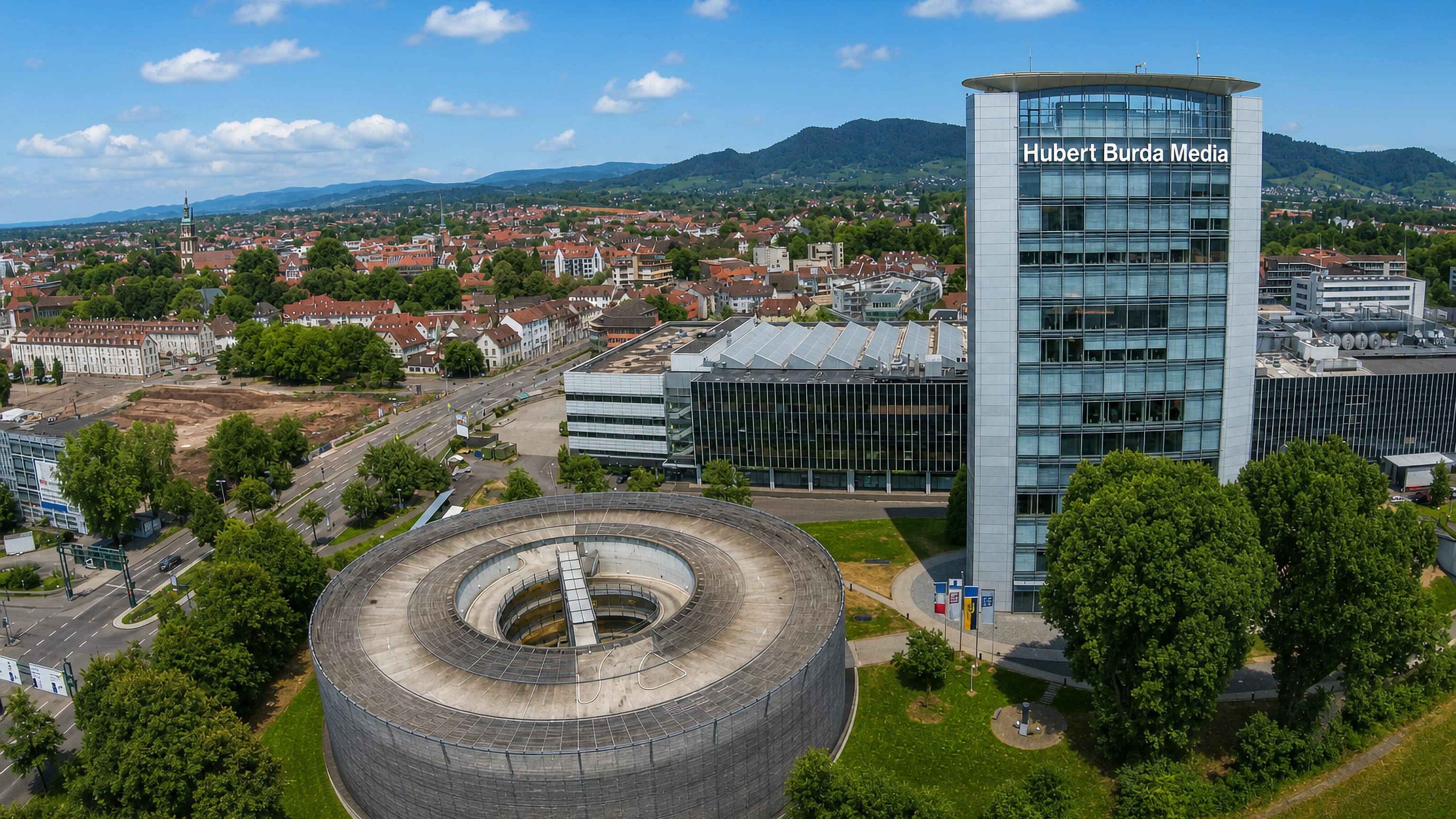
Offenburg, dating from 1148, sits at the junction of the Rhine Valley and the Kinzig Valley as capital of the Ortenaukreis.
Hotel links are affiliate links: booking through them may earn us a commission, at no extra cost to you. It never affects how places are ranked. How this works


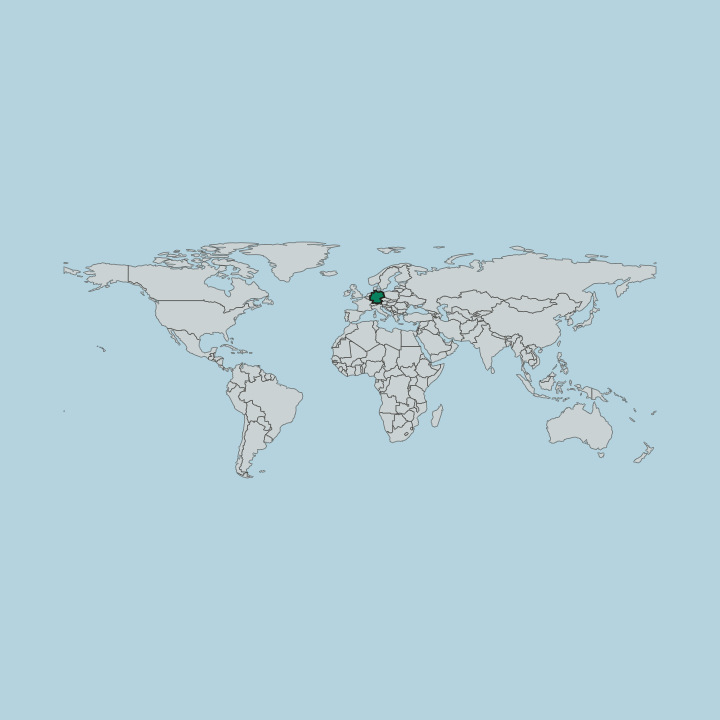
Where to stay in Offenburg
How the choice of base plays out on the ground.
The old centre is the default. Baroque fronts around the market put the Salmen inn, the Ritterhaus Museum, and the Evangelische Stadtkirche inside one short walk, which is most of what a short stay needs. Mühlbachbrücke crosses at the edge of it.
The Dreifaltigkeitskirche and the Josefskirche stand within the same few streets, and the St.-Andreas-Hospital gives the quarter a landmark that was never built for visitors at all. Beds here fill fastest. Ortenberg Castle offers the opposite.
Rooms out that way sit among vineyards rather than shopfronts, with the Kinzig Valley opening behind and the whole of Offenburg laid out below the approach road. Waltersweier is quieter again, out past the vineyards. Heimatmuseum Waltersweier gives that village its own small collection, and guests who want a base for the Black Forest rather than the town itself often start from there.
Weingartenkirche belongs to the vineyard edge. Anyone heading on towards Strasbourg or up the Rhine Valley usually takes a room near the crossing instead, since an early departure matters more than being able to reach the Ritterhaus Museum on foot.
Find hotels in Offenburg
Direct booking searches for these neighbourhoods.
The market and Salmen streets
The Evangelische Stadtkirche, the Dreifaltigkeitskirche, and the St.-Andreas-Hospital stand within the same Baroque blocksFind hotels in The market and Salmen streetsVineyard rooms within sight of Ortenberg CastleOrtenberg
Ortenberg Castle and the Weingartenkirche stand among the vines facing the Kinzig ValleyFind hotels in OrtenbergBlack Forest departures from beside Heimatmuseum WaltersweierWaltersweier
Heimatmuseum Waltersweier gives the village a collection of its own away from the Offenburg marketFind hotels in WaltersweierHotel links are affiliate links: booking through them may earn us a commission, at no extra cost to you. It never affects how places are ranked. How this works
Things to do in Offenburg
Ranked by global recognition; descriptions from Wikidata (CC0).
Museums & Galleries
2- Ritterhaus Museum
- Heimatmuseum Waltersweier
Churches & Religious Sites
5- Dreifaltigkeitskirche (Offenburg) Heritage
- Evangelische Stadtkirche Heritage
- Weingartenkirche Heritage
- St.-Andreas-Hospital Heritage
- Josefskirche Heritage
Castles & Historic Sites
2- Ortenberg Castle
- Offenburg (Samian Ware Discovery Site)
worth knowingacross 3 categories in Offenburg
About Offenburg
Two valleys and a revolution.
What is Offenburg known for?
The Salmen inn carries Offenburg's link to the 1848 German Revolution, which began there, and the Ritterhaus Museum holds the town's collections a short way off. Baroque fronts line the market. Ortenberg Castle sits outside the town among the vineyards, while the Dreifaltigkeitskirche and the Evangelische Stadtkirche mark the two confessions inside the walls.
What are the main landmarks in Offenburg?
Ortenberg Castle is the one seen from furthest off. Inside the town the Ritterhaus Museum, the Salmen inn, and the Mühlbachbrücke stand within a few hundred paces of one another, and the St.-Andreas-Hospital adds another name to the same walk. Churches divide the rest.
The Dreifaltigkeitskirche, the Evangelische Stadtkirche, the Weingartenkirche, and the Josefskirche each hold a quarter, while the Samian Ware Discovery Site and Heimatmuseum Waltersweier sit well outside the Baroque middle.
What is the history of Offenburg?
Roman pottery turned up here. The Samian Ware Discovery Site puts imported tableware in the ground long before 1148, which is the date the town itself carries. Ortenberg Castle watched the valley.
Its walls stand outside the town, among the vineyards rather than in the middle of it, and the distance says something about who held power before the burghers did. Medieval Offenburg held the junction of the Rhine Valley and the Kinzig Valley, a position that made it worth keeping and worth fighting over in turn. The St.-Andreas-Hospital served the sick.
Baroque rebuilding gave the town its face. The Dreifaltigkeitskirche and the Josefskirche belong to that period of confident building, and the Evangelische Stadtkirche answers them from the other side of the confessional divide. Weingartenkirche kept to the vines.
The Salmen inn put Offenburg into national memory, since the 1848 German Revolution began with demands drawn up there rather than in any capital. The Mühlbachbrücke carried the traffic. Offenburg became the administrative capital of the Ortenaukreis, the Ritterhaus Museum took charge of the record, and Heimatmuseum Waltersweier kept the village side of the story separate.
Where is Offenburg?
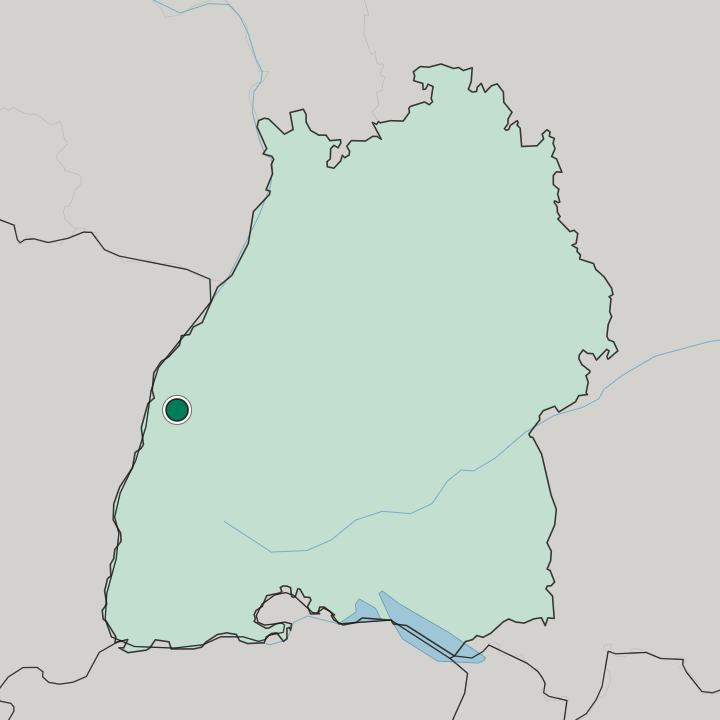
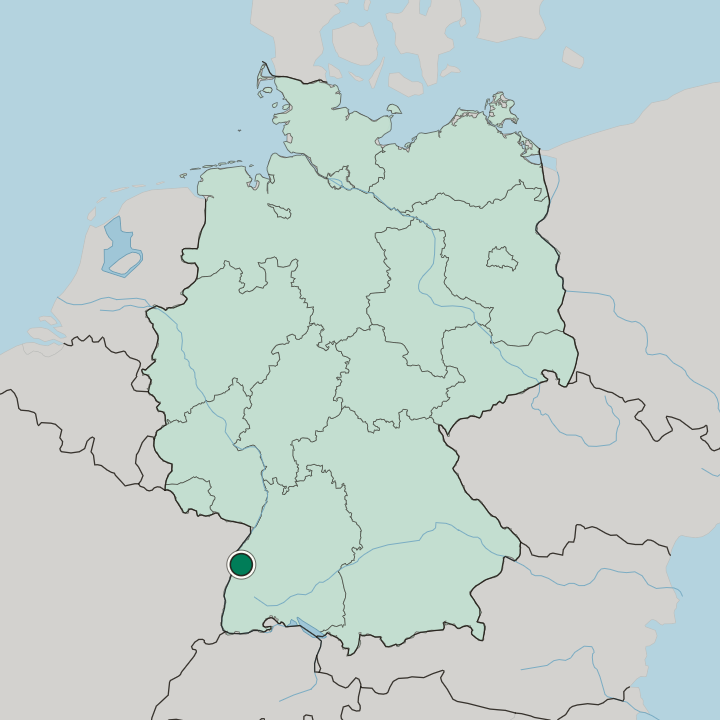
Two valleys frame the town. Offenburg sits at the junction of the Rhine Valley and the Kinzig Valley, with the Black Forest rising behind and Strasbourg within reach the other way. Ortenberg Castle marks the vineyard side.
Waltersweier lies out among the villages the Ortenaukreis administers from here, and the Mühlbachbrücke crosses the water that runs through the middle. All of it falls in the temperate band.
What is the climate of Offenburg?
Vineyards are the giveaway. Grapes ripen on the ground around Ortenberg Castle, which says more about the warmth of the Rhine Valley floor than any table of averages would, and Offenburg gets long useful summers out of it. The Black Forest sits behind.
Weather coming off those hills reaches the Kinzig Valley before the town, so a grey morning up the valley often clears by the time it arrives here.
How do you get to Offenburg?
Offenburg was built to be passed through. Traffic between Strasbourg and the Black Forest has used this junction of the Rhine Valley and the Kinzig Valley for centuries, and arriving here still means choosing which valley to leave by. The Mühlbachbrücke handles the local crossing.
Ortenberg Castle needs a ride out of town, while Heimatmuseum Waltersweier lies the other way among the villages. Everything else is walkable.
Common questions
What is the best area to stay in Offenburg?
The market and Salmen streets: Short stays wanting the Salmen inn and the Ritterhaus Museum on one walk. Ortenberg: Vineyard rooms within sight of Ortenberg Castle. Waltersweier: Black Forest departures from beside Heimatmuseum Waltersweier.
Good for
More cities in Baden-Württemberg
Updated October 2026