Germany · Rheinland-Pfalz
Where to Stay in Koblenz, Rheinland-Pfalz
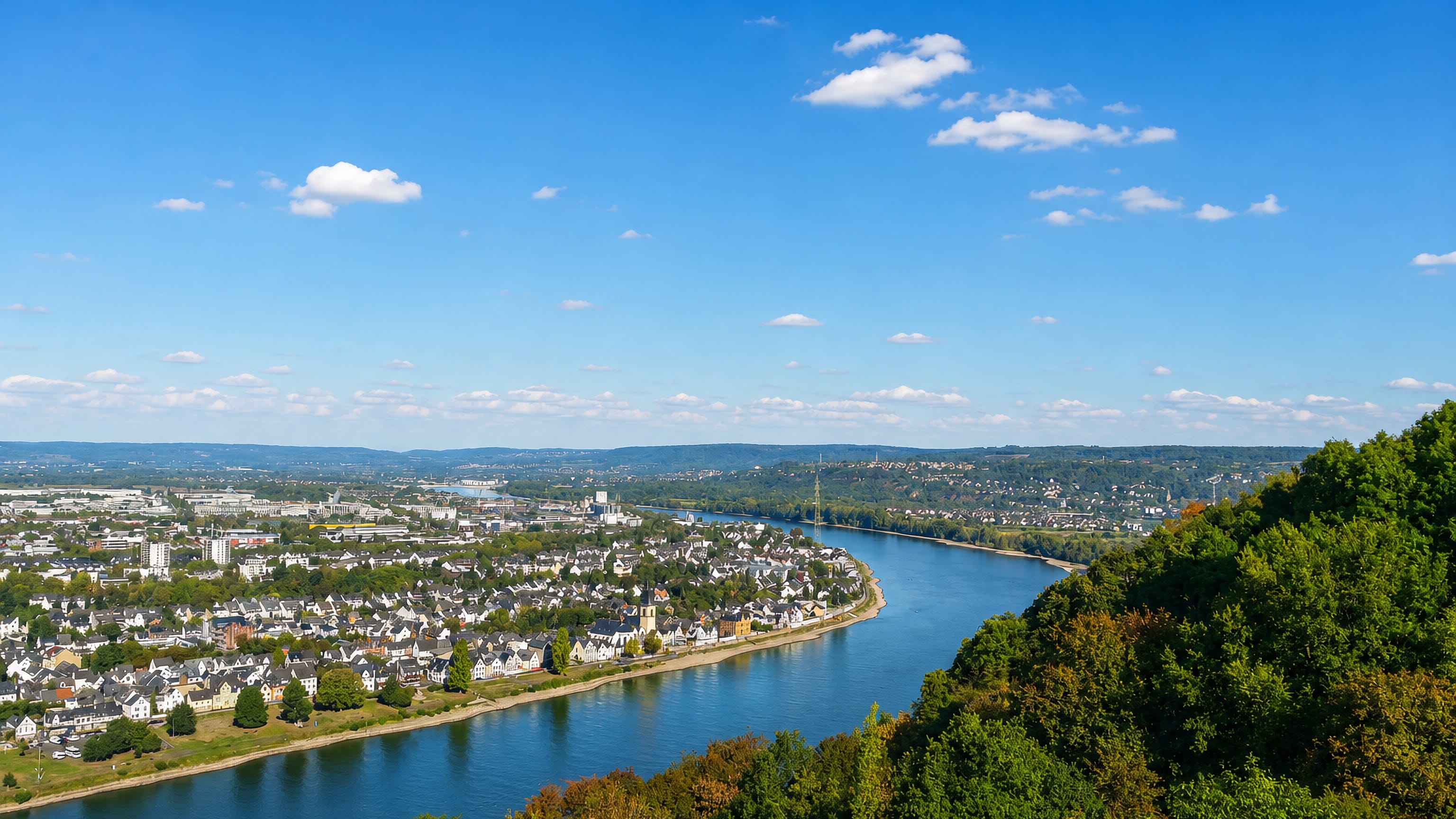
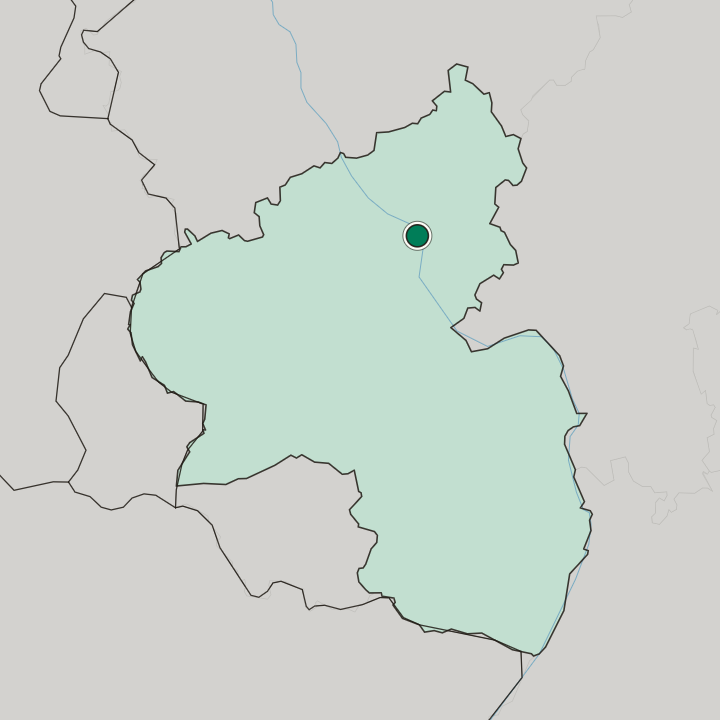
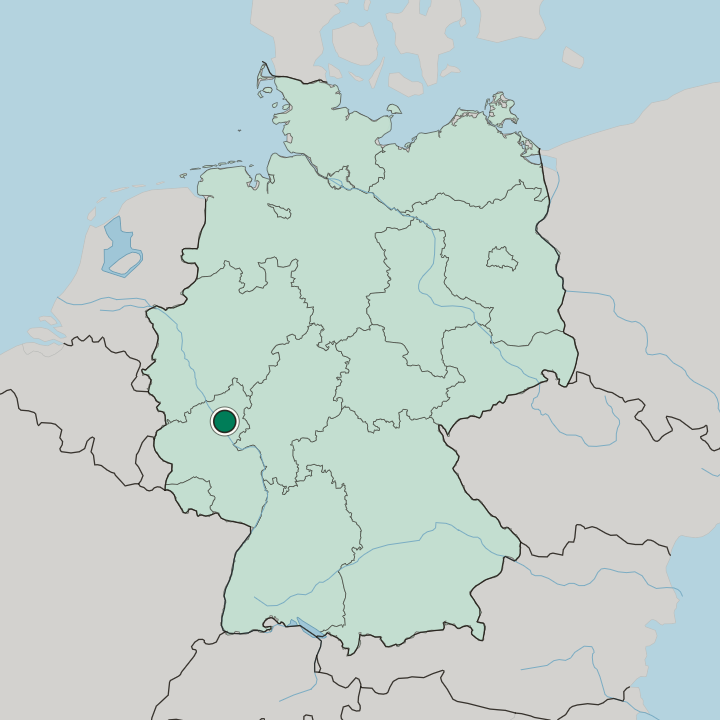
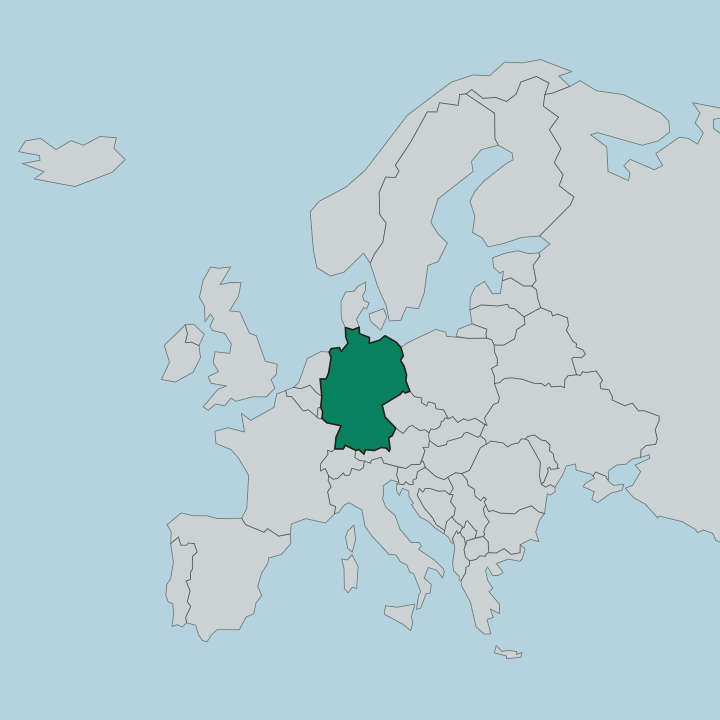
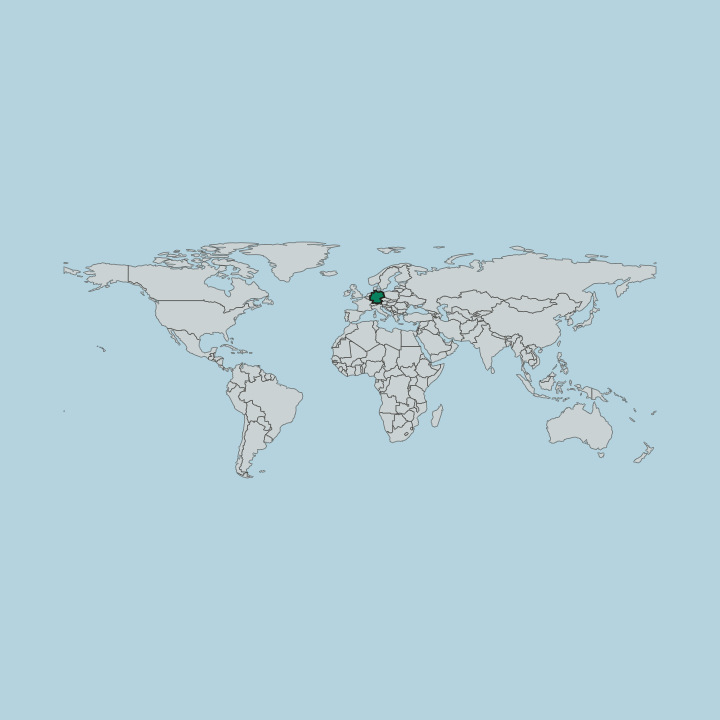
Koblenz stands where the Moselle joins the Rhine in northern Rhineland-Palatinate, Germany, a river city grown from the Roman Confluentes.
Hotel links are affiliate links: booking through them may earn us a commission, at no extra cost to you. It never affects how places are ranked. How this works


Where to stay in Koblenz
Not every neighbourhood fits every trip — here's what each one is good for.

 KoblenzGermany
Ehrenbreitstein
Ehrenbreitstein is a district of Koblenz, and the Klausenbergkapelle, the Luisenturm, and Burg Helfenstein stand among its landmarks.Where to stay → KoblenzGermany
Niederberg
Niederberg is a hill district of Koblenz above Ehrenbreitstein, built over a Roman fort that the army raised about the year 100 to hold the limes.Where to stay →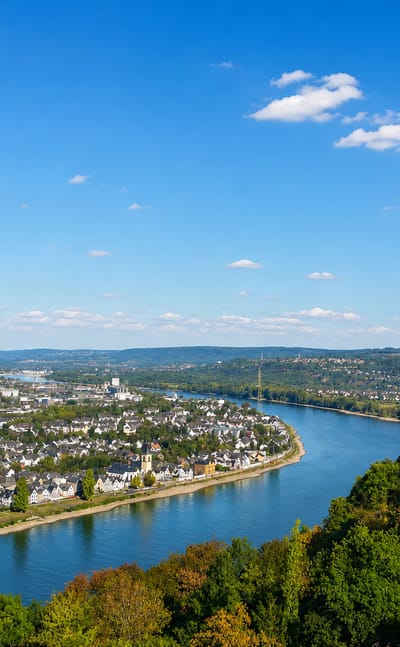 KoblenzGermany
Metternich
Metternich is a Stadtteil of Koblenz directly on the Moselle, taken into the city in 1937, whose emblem is a war memorial eagle that looks like an owl.Where to stay →KoblenzGermanyHorchheim
Koblenz counts Horchheim among its Stadtteile, a district with one landmark on the record: the Hoffnungskirche.Where to stay →KoblenzGermanyImmendorf
Koblenz-Immendorf is a hill Stadtteil on the right bank of the Rhine in Koblenz, whose name ending points to a Frankish founding by the 6th century.Where to stay →Hotel links are affiliate links: booking through them may earn us a commission, at no extra cost to you. It never affects how places are ranked. How this works
Find hotels in Koblenz
Direct booking searches for these neighbourhoods.
The confluence centre
The old streets by the Florinskirche and the Mittelrhein-Museum sit on the ground between the two rivers, the Roman Confluentes.Find hotels in The confluence centreQuieter nights away from the riverside crowdsThe outer parishes
The St. Jakobus church and the Christuskirche mark the older parishes ringing the centre, back from the busiest water.Find hotels in The outer parishesHotel links are affiliate links: booking through them may earn us a commission, at no extra cost to you. It never affects how places are ranked. How this works
Things to do in Koblenz
Ranked by global recognition; descriptions from Wikidata (CC0).
Museums & Galleries
3- Mother of Beethoven House Heritage
- Bundeswehr Museum of German Defense Technology
- Ludwig Museum im Deutschherrenhaus
Churches & Religious Sites
8- Florinskirche Heritage
- Deutschordenskommende Koblenz Heritage
- Christuskirche Heritage
- Kapuzinerkloster Koblenz Heritage
- Old-St. Servatius (Koblenz-Güls) Heritage
Show 3 more →
- Evangelische Kirche Koblenz-Pfaffendorf Heritage
- St. Jakobus Heritage
- Evangelische Kirche Heritage
Castles & Historic Sites
7- Johannes-Müller-Denkmal Heritage
- Joseph-Görres-Denkmal Heritage
- Metternicher Eule Heritage
- Barbara-Denkmal Heritage
- Goeben-Denkmal in Koblenz Heritage
Show 2 more →
- Friedrich-Mohr-Denkmal Heritage
- Fort site and civil settlement of Niederberg Heritage
Landmarks & Notable Places
2- Heribertturm Heritage
- Koblenz radio transmitter
worth knowingacross 4 categories in Koblenz
About Koblenz
What is Koblenz known for?
Koblenz is known for the meeting of the Rhine and the Moselle, the two rivers that shaped the city and gave it its Roman name, Confluentes. Its old streets hold the Florinskirche and the collections of the Mittelrhein-Museum. The Ludwig Museum im Deutschherrenhaus keeps art beside the water.
Rivers define the place. Koblenz sits in northern Rhineland-Palatinate, one of the older cities of Germany.
What are the main landmarks in Koblenz?
Koblenz keeps its landmarks close to the Rhine and the Moselle, gathered on the old ground between the two rivers where the city first grew. The Florinskirche and the St. Jakobus church stand among the streets, while the Christuskirche marks a later parish. Art fills two museums.
Near the water sit the Mittelrhein-Museum and the Ludwig Museum im Deutschherrenhaus, holding their collections beside the rivers. Railways have their own house in the DB Museum, Koblenz, and the Barbara-Denkmal stands as a memorial in the centre. Beside the confluence, the Deutschordenskommende Koblenz recalls the Teutonic Order.
What is the history of Koblenz?
Koblenz began as Confluentes, the Roman settlement at the meeting of the Rhine and the Moselle. The two rivers gave the place its name and its purpose, a crossing point on the water where trade and armies passed. Rome held the confluence for its rivers.
The Deutschordenskommende Koblenz was later raised here by the Teutonic Order, and monastic houses such as the Kartause Koblenz and the Kapuzinerkloster Koblenz rose above the growing town through the centuries that followed the Roman years. The rivers carried the city forward. Through the long centuries after Rome, Koblenz remained a river town at the heart of northern Rhineland-Palatinate.
Churches marked its parishes, among them the Florinskirche and the St. Jakobus church, both standing in the old streets. The Barbara-Denkmal and later the DB Museum, Koblenz added their own layers to the city. War and peace passed over the confluence again and again.
Its museums, among them the Mittelrhein-Museum, hold the record of that long past. Koblenz has changed a great deal in stone. The rivers have not moved.
Confluentes endures in its name.
Where is Koblenz?
Koblenz lies in northern Rhineland-Palatinate, Germany, at the point where the Moselle flows into the Rhine. The two rivers meet at the old Confluentes. Hills rise on either side of the water, closing the city into the valley where the Moselle joins the greater river and the banks climb steeply from the confluence below.
The Rhine runs on toward the north. Koblenz spreads back from the water into the river country of the middle Rhine.
What is the climate of Koblenz?
Koblenz has a mild river climate, sheltered in the valley where the Moselle meets the Rhine. Summers are warm and green along the water, with long light hours over the two rivers and the hills that shelter the valley from the harder weather beyond. Winters are cool and damp.
Fog gathers over the confluence on still mornings before the sun clears it. Rain falls through much of the year.
How do you get to Koblenz?
Koblenz sits on the rail and river lines of the middle Rhine, reached along the valleys of the Rhine and the Moselle. Trains follow both rivers into the city, and the old railway that shaped it is recorded in the DB Museum, Koblenz. Roads run down each valley to the confluence, and the rivers themselves carry boats down through northern Rhineland-Palatinate to the meeting of the waters.
Every route leads toward the confluence. The water draws it all in.
Common questions
What is the best area to stay in Koblenz?
The confluence centre: First-time visitors who want the Rhine and Moselle at the door. The outer parishes: Quieter nights away from the riverside crowds.
Good for
More cities in Rheinland-Pfalz
Updated October 2026