Germany · Rheinland-Pfalz
Where to Stay in Worms, Rheinland-Pfalz
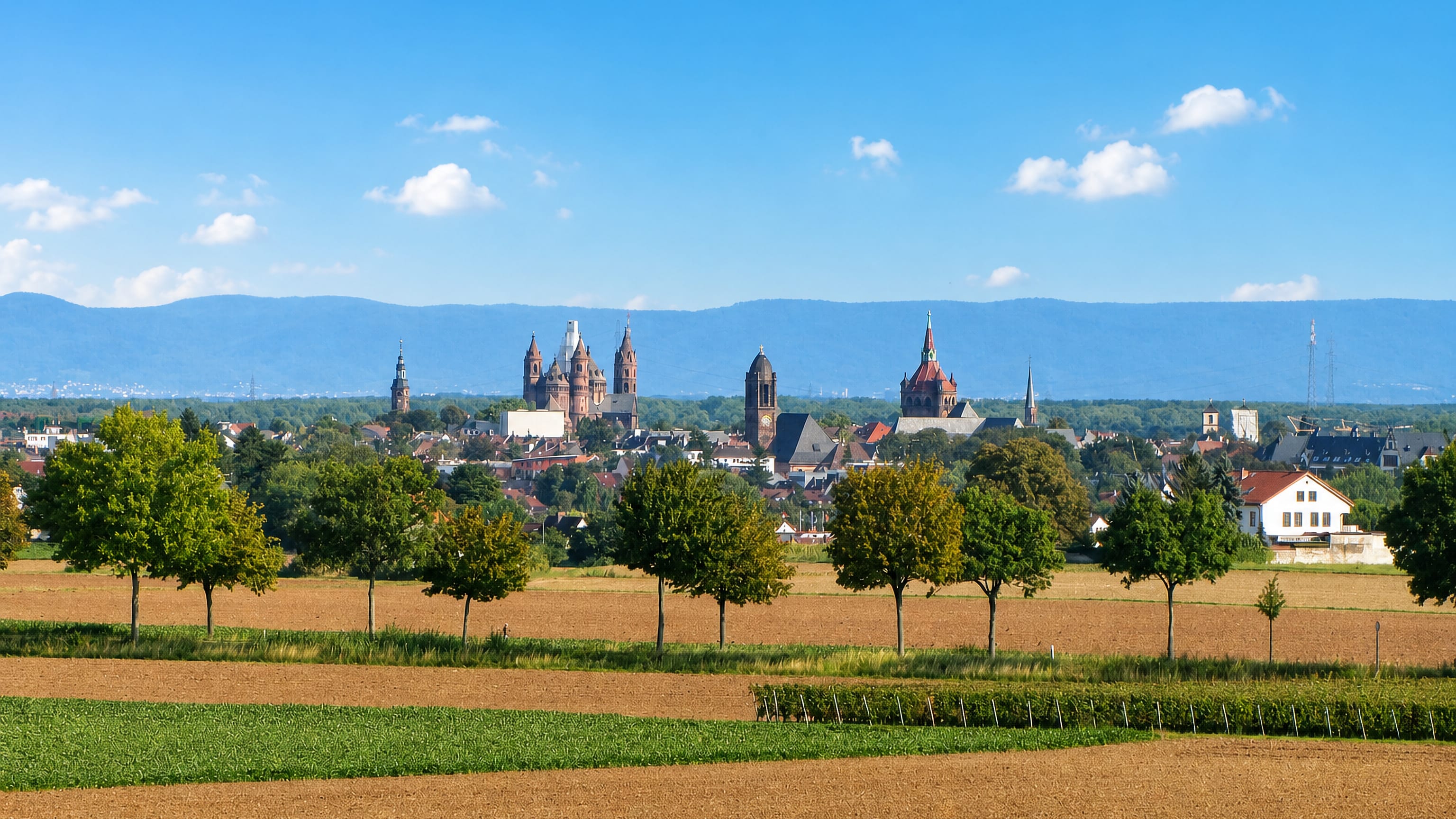
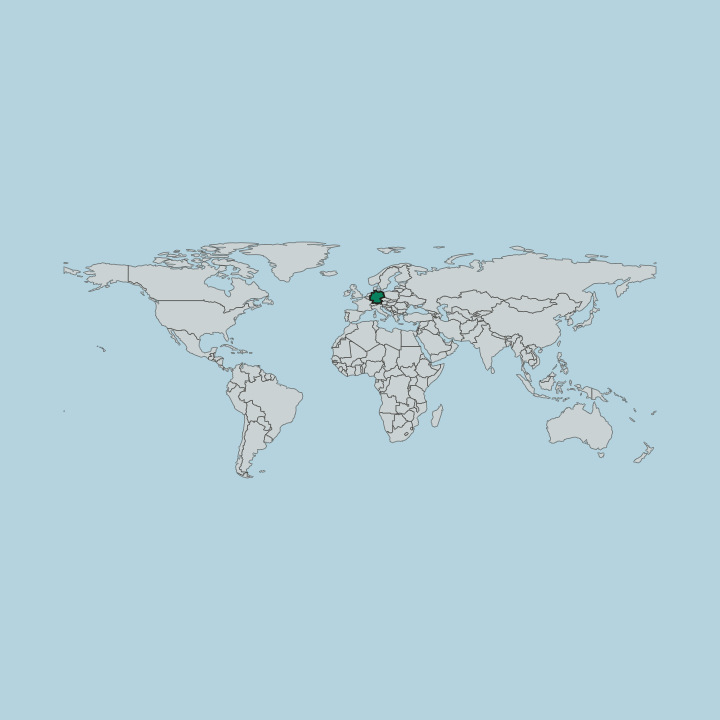
Worms stands on the Upper Rhine in Rhineland-Palatinate, a German cathedral city whose Dom was completed in 1325 and outlived the war around it.
Hotel links are affiliate links: booking through them may earn us a commission, at no extra cost to you. It never affects how places are ranked. How this works


Where to stay in Worms
Each area has its own feel; here's who each one suits.

 WormsGermanyDrivers who want a base beside the Herrnsheim parish church rather than the cathedral
Herrnsheim
Out past the built centre, Herrnsheim keeps its own church, more space and a quicker run to the roads out. Few places to stay nearby — book ahead.Herrnsheim → WormsGermany
Neuhausen
Neuhausen is a compact district of Worms, holding the Catholic Church of Our Lady along with St. Amandus and St. Cyriakus.Where to stay →WormsGermanyHochheim
Hochheim holds the Protestant Mountain Church and the Catholic Church of Mary of the Heavenly Crown among the outlying districts of Worms.Where to stay →WormsGermanyPfiffligheim
Pfiffligheim is a Stadtteil of Worms in Rhenish Hesse, first documented in 1068 as Phephilineheim, named for the Frank Pephilo who settled there about 500.Where to stay →WormsGermanyLeiselheim
Leiselheim is a small district of Worms, shaped by the Protestant Church Leiselheim and a second parish church on the same ground.Where to stay →WormsGermanyHorchheim
Horchheim is a village in the Rhenish Hessian Eisbach valley, taken into Worms in 1942, and it lies southwest of the outer inner city.Where to stay →WormsGermanyPfeddersheim
Pfeddersheim, a former free imperial city, has been a borough of Worms since 1969, and the Benediktinerpropstei Georgenberg stands within it.Where to stay → WormsGermany
Abenheim
Abenheim is a Worms district with its own castle name, the Klausenbergkapelle and a museum of village history.Where to stay →Hotel links are affiliate links: booking through them may earn us a commission, at no extra cost to you. It never affects how places are ranked. How this works
Find hotels in Worms
Direct booking searches for these neighbourhoods.
Around the Dom
The Dom, the Andreasstift and the Worms City Museum stand within a few minutes of one another here.Find hotels in Around the DomWalkers tracing the surviving city walls along KarolingerstraßeThe Torturmplatz wall line
Rooms at this end open onto the wall remnants at Torturmplatz, with the Nibelungen Museum a short way off.Find hotels in The Torturmplatz wall lineHotel links are affiliate links: booking through them may earn us a commission, at no extra cost to you. It never affects how places are ranked. How this works
Things to do in Worms
Ranked by global recognition; descriptions from Wikidata (CC0).
Museums & Galleries
3- Nibelungen Museum Worms
- Raschi-Haus
- Worms City Museum
Churches & Religious Sites
8- Catholic Church of Our Lady, Worms Heritage
- Protestant Magnus Church, Worms Heritage
- Trinity Church, Worms Heritage
- Catholic St. Paul's Church, Worms Heritage
- Andreasstift Heritage
Show 3 more →
- Luther Church, Worms Heritage
- Catholic St. Peter's Church, Herrnsheim Heritage
- Gottliebenkapelle, Herrnsheim Heritage
Castles & Historic Sites
4- Luther monument Worms Heritage
- Hagendenkmal Heritage
- Ludwigsdenkmal Heritage
- Burg Abenheim Heritage
Landmarks & Notable Places
1- Heimatmuseum Worms-Abenheim Heritage
worth knowingacross 4 categories in Worms
About Worms
What is Worms known for?
Finished in 1325, the Dom of Saint Peter and Saint Paul came through the destruction of the Second World War intact, and it still sets the scale of every street in the centre of Worms. Luther is marked twice over, by the Luther monument and by Die Großen Schuhe Luthers. The museums do the rest.
Older still is the name Borbetomagus, which the city has never quite shed, and the Raschi-Haus alongside the Jüdisches Museum Worms keeps another long thread of the past. The Nibelungen Museum sits among them.
What are the main landmarks in Worms?
The Dom of Saint Peter and Saint Paul, completed in 1325, dominates the centre of Worms and gives every other building in the old town something to measure itself against. Collections stand within a few streets. The Worms City Museum, the Nibelungen Museum and the Jüdisches Museum Worms divide the record between them, with the Raschi-Haus alongside.
The Luther monument and Die Großen Schuhe Luthers stand among the streets. Trinity Church, the Andreasstift and the Tiergarten Worms fill out a day that never leaves the city limits.
What is the history of Worms?
Worms answered once to Borbetomagus. That older name belongs to a settlement on the Upper Rhine whose successor spent the Middle Ages building in stone, and the Dom of Saint Peter and Saint Paul, finished in 1325, is what survives of that effort at full scale. Walls went up around the town, and the Torturmplatz and Karolingerstraße still hold their traces.
Churches multiplied inside and outside that ring: Trinity Church, the Church of Our Lady, the Magnus Church, the Friedrichskirche, and Saint Paul's. The Raschi-Haus and the Jüdisches Museum Worms carry a separate strand. The twentieth century treated Worms harshly, and much of the built city was destroyed in the Second World War, though the Dom came through the bombing and still stands.
Rebuilding followed, block by block. Memory got its own architecture: the Luther monument, the Hagendenkmal and the Ludwigsdenkmal. Die Großen Schuhe Luthers works the same seam in a lighter key, while the Nibelungen Museum, the Worms City Museum and the Andreasstift keep the record in another form.
Beyond the centre, Herrnsheim and Horchheim hold parish churches of their own, and both belong to Worms rather than standing as neighbours of it. The city grew outward into them.
Where is Worms?
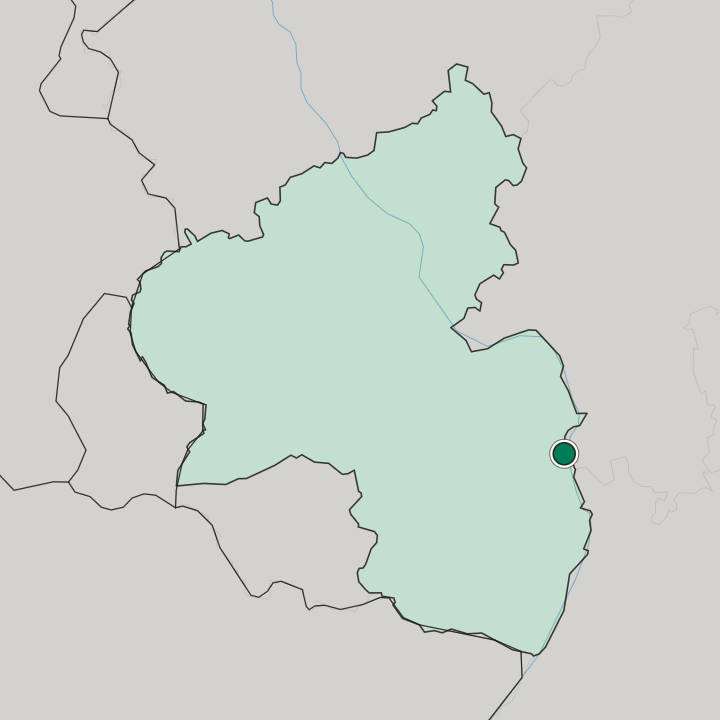
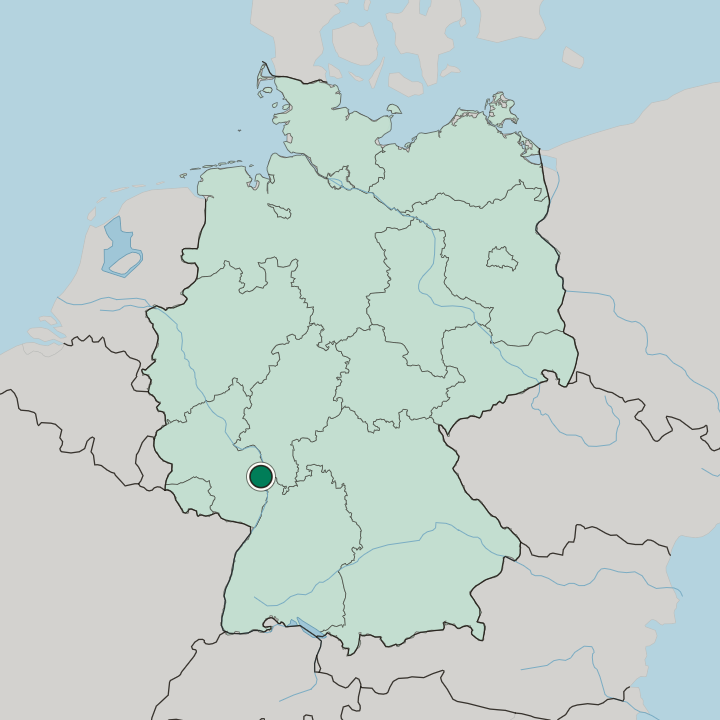
The Upper Rhine runs past Worms. The city stands on that river about 60 km south-southwest of Frankfurt am Main in Rhineland-Palatinate, and the wall remnants at Torturmplatz and Karolingerstraße still mark how far the medieval town once reached. Herrnsheim, Horchheim, Leiselheim, Neuhausen and Hochheim lie beyond that line, each with a church of its own.
Green space at the Tiergarten Worms breaks the pattern.
What is the climate of Worms?
The Upper Rhine valley works on the weather here, drawing warmth up the corridor in summer and holding damp river air over the flat ground when autumn closes in. Winters stay temperate rather than hard. Frost reaches the Rhine banks in the coldest weeks and rarely lasts long.
Visitors walking Karolingerstraße in July find long light evenings, while the same street in January is short on daylight and grey overhead.
How do you get to Worms?
Frankfurt am Main is the hinge. Worms lies about 60 km south-southwest of it, close enough that the trip in is a matter of road or rail along the Upper Rhine rather than a second flight. Inside Worms, the centre is compact enough to cross on foot.
Herrnsheim, Horchheim and the other outlying quarters sit further out, and reaching them means a local ride rather than a walk from the Dom.
Common questions
What is the best area to stay in Worms?
Around the Dom: Travellers who want the cathedral of Saint Peter and Saint Paul at the end of the street. The Torturmplatz wall line: Walkers tracing the surviving city walls along Karolingerstraße. Herrnsheim: Drivers who want a base beside the Herrnsheim parish church rather than the cathedral.
Good for
More cities in Rheinland-Pfalz
Updated October 2026