Germany
Rheinland-Pfalz, Germany — Towns & Travel Guide
Rheinland-Pfalz is Germany's largest wine state, where the Rhine and the Mosel carve terraced valleys past Roman Trier and the castles of the Rhine Gorge.
Hotel links are affiliate links: booking through them may earn us a commission, at no extra cost to you. It never affects how places are ranked. How this works


Towns & cities in Rheinland-Pfalz
Pick a town or city — each links to where to stay.
 Germany
Mainz
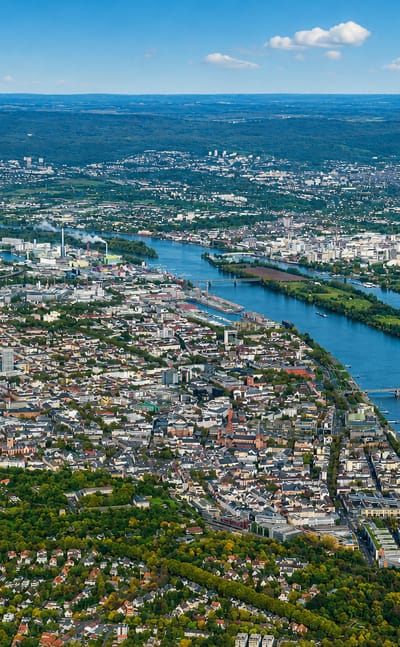
The Rhine bends past sandstone quays at Mainz, capital of Rheinland-Pfalz, where Gutenberg cast movable type and the German wine trade found its heart.Where to stay →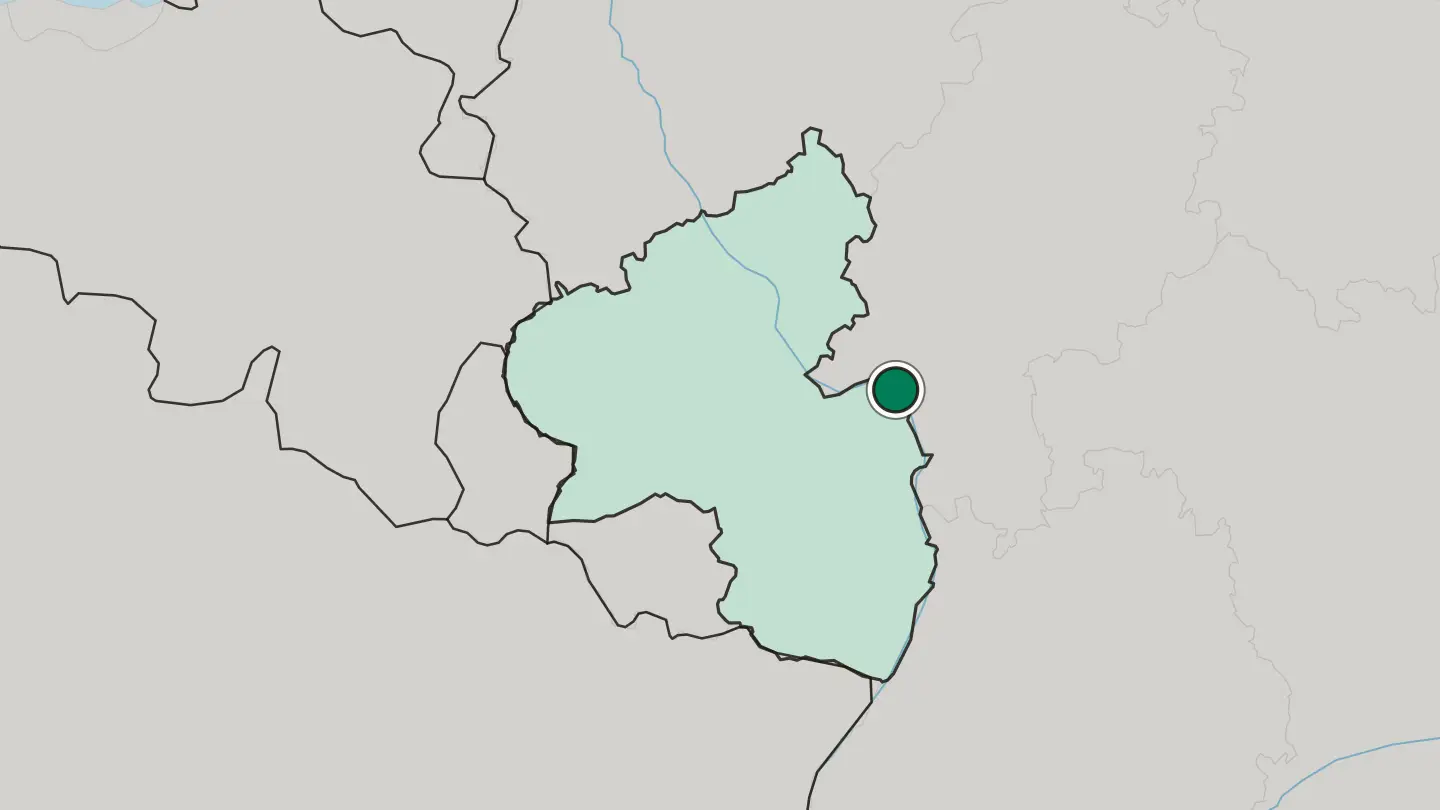
 Germany
Ludwigshafen am Rhein
Ludwigshafen am Rhein stands on the Rhine opposite Mannheim, a Rhineland-Palatinate city of the Rhine-Neckar Metropolitan Region.Where to stay →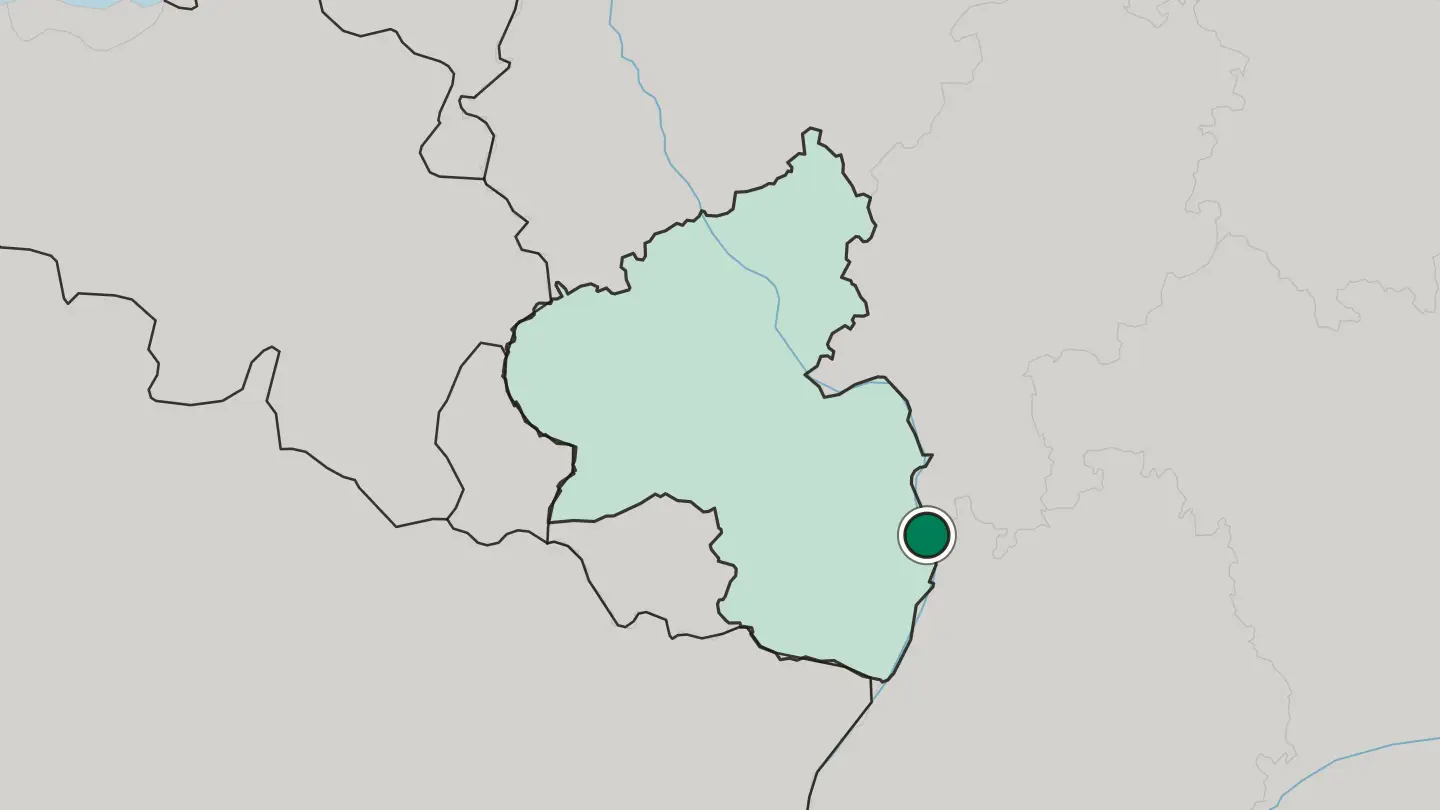
 Germany
Koblenz
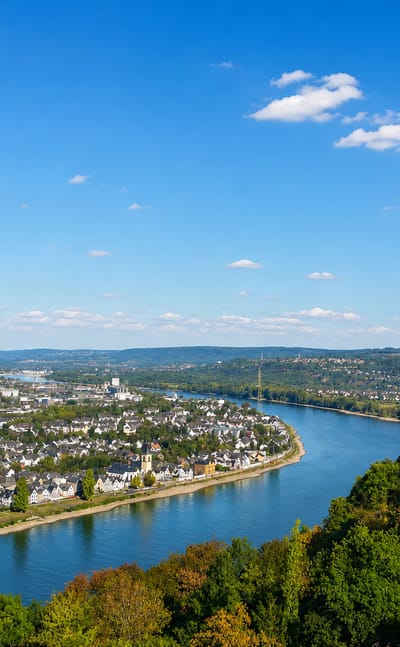
Koblenz stands where the Moselle joins the Rhine in northern Rhineland-Palatinate, Germany, a river city grown from the Roman Confluentes.Where to stay →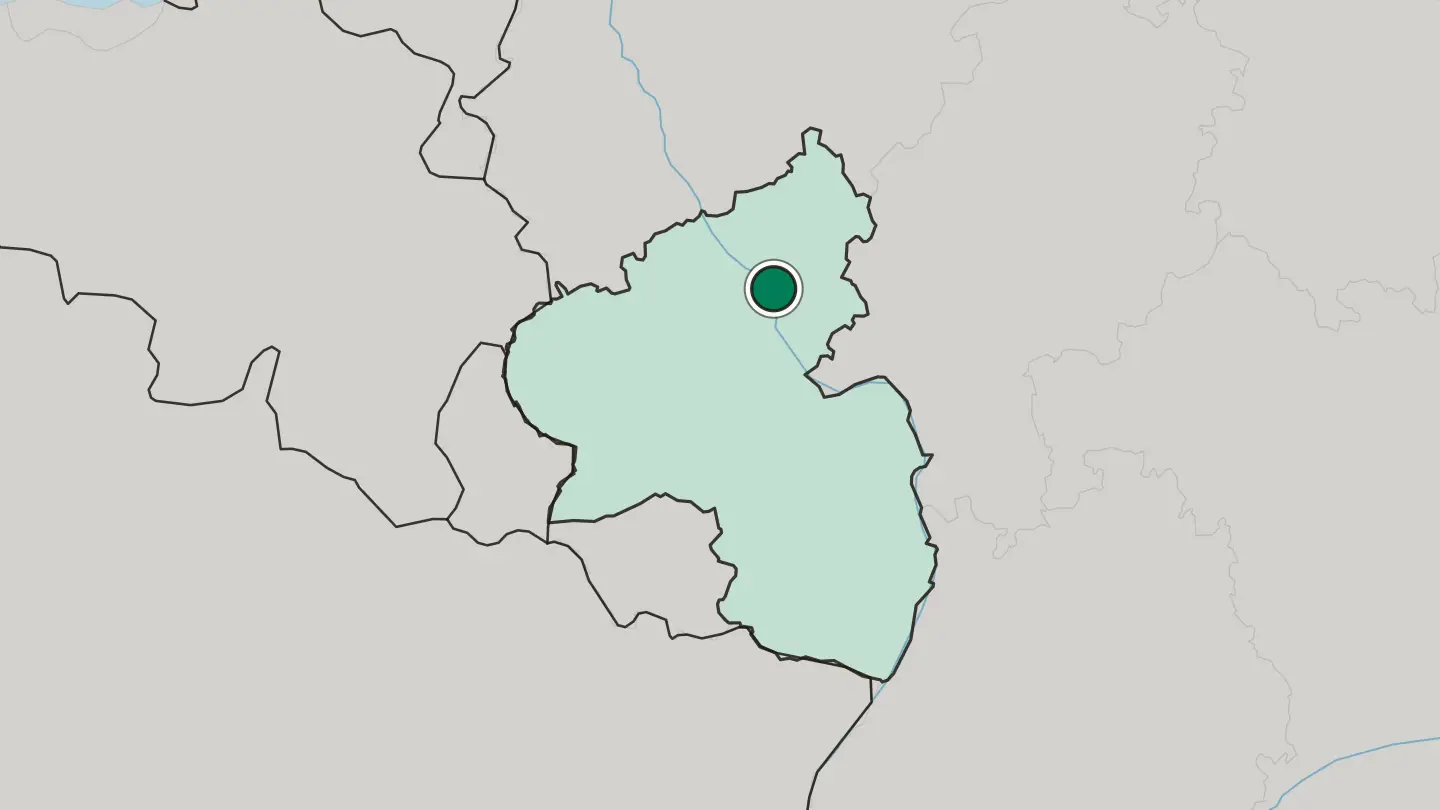
 Germany
Trier
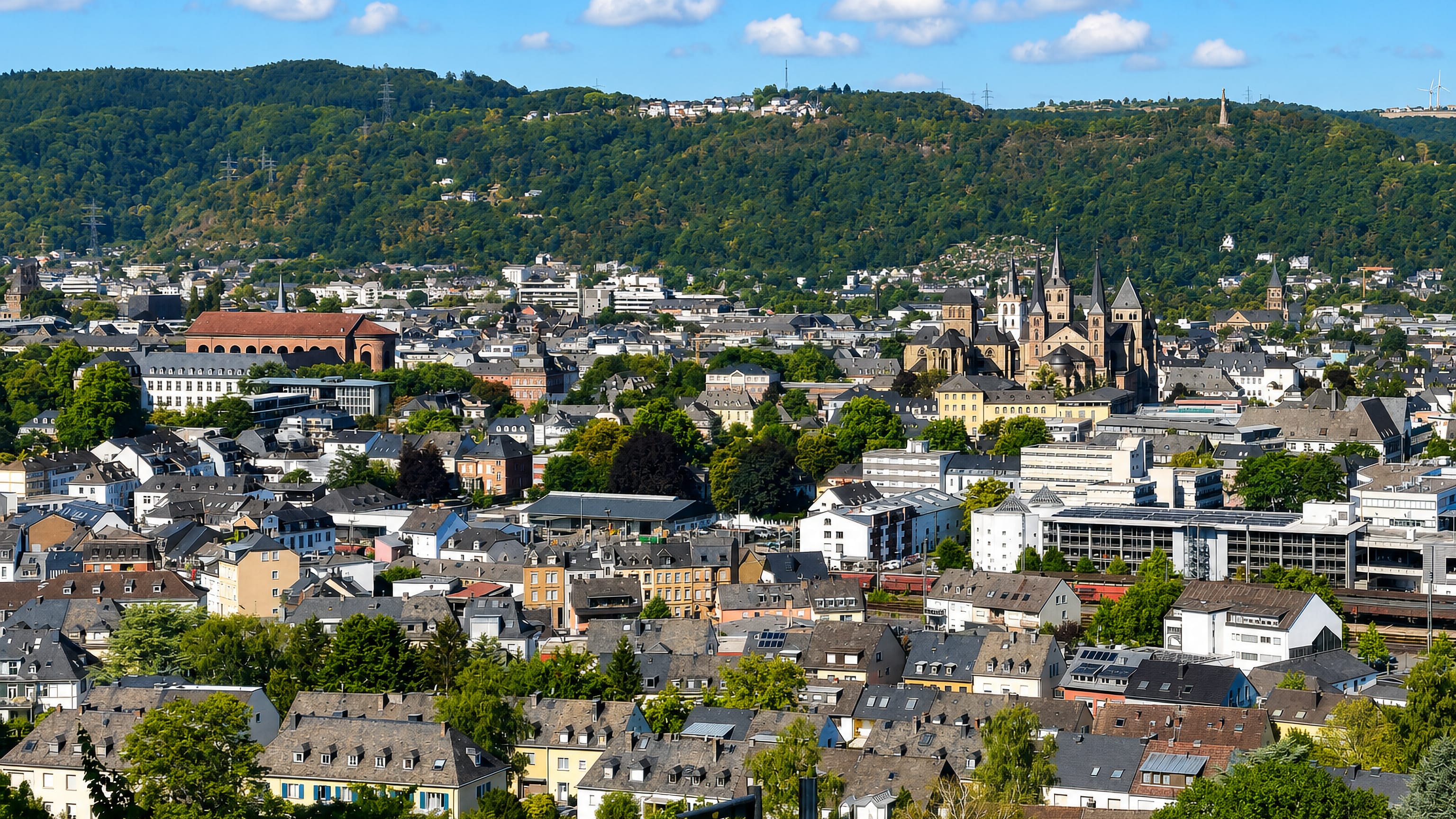
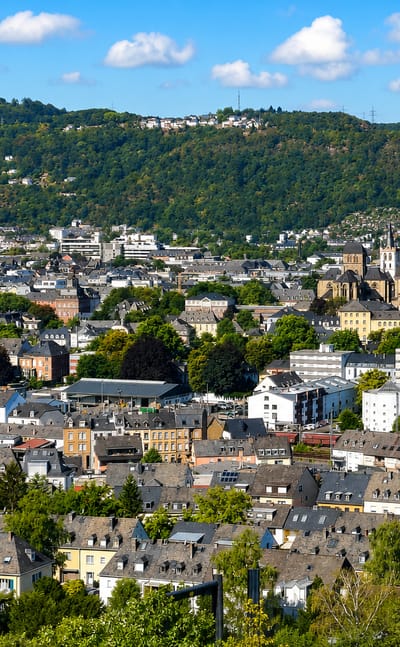
Roman stone lines the Moselle at Trier, Germany's oldest city, in the Rhineland-Palatinate hills, known for the Cathedral of Trier and the Aula Palatina.Where to stay →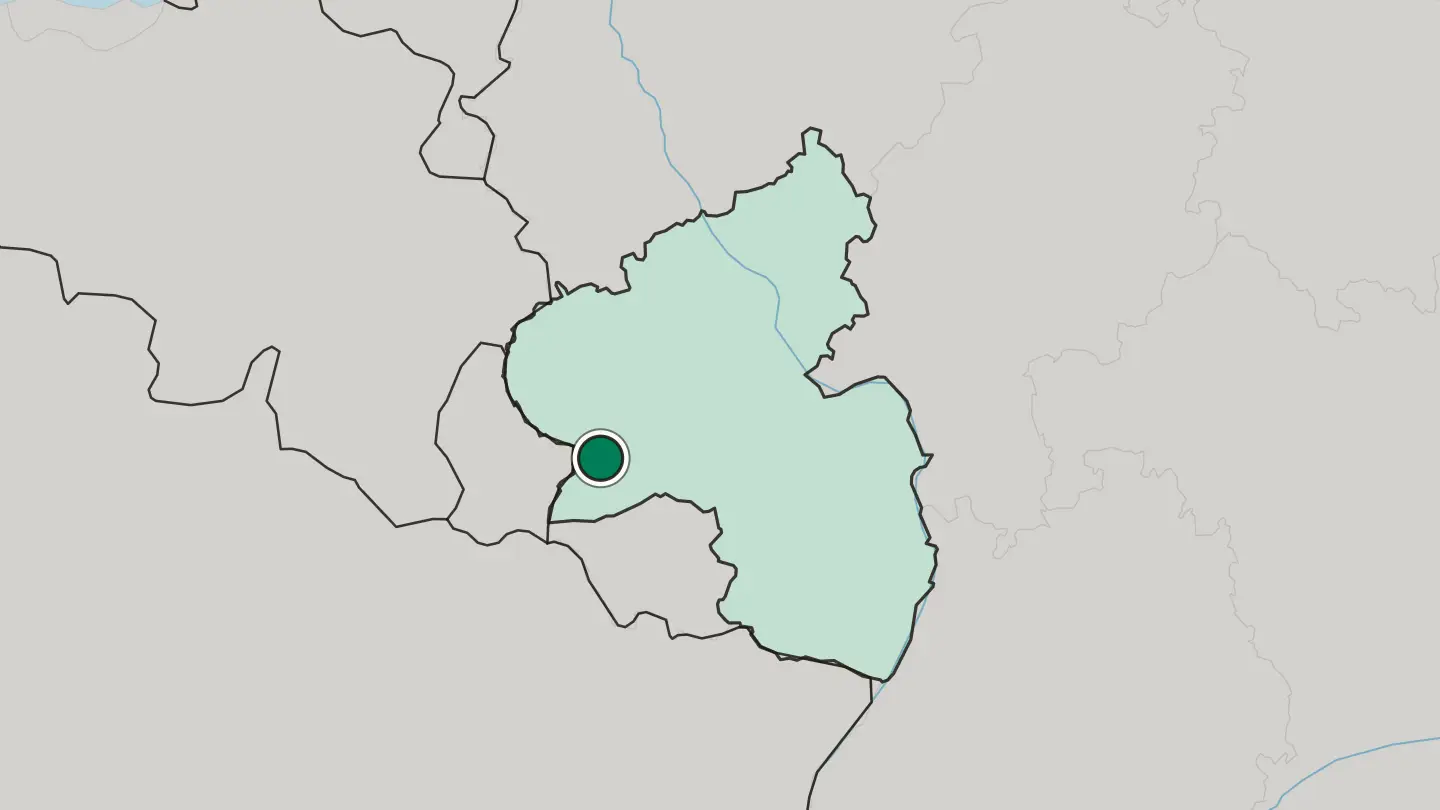
 Germany
Kaiserslautern
Kaiserslautern stands at the edge of the Palatinate Forest in Rhineland-Palatinate, its historic centre dating to the 9th century.Where to stay →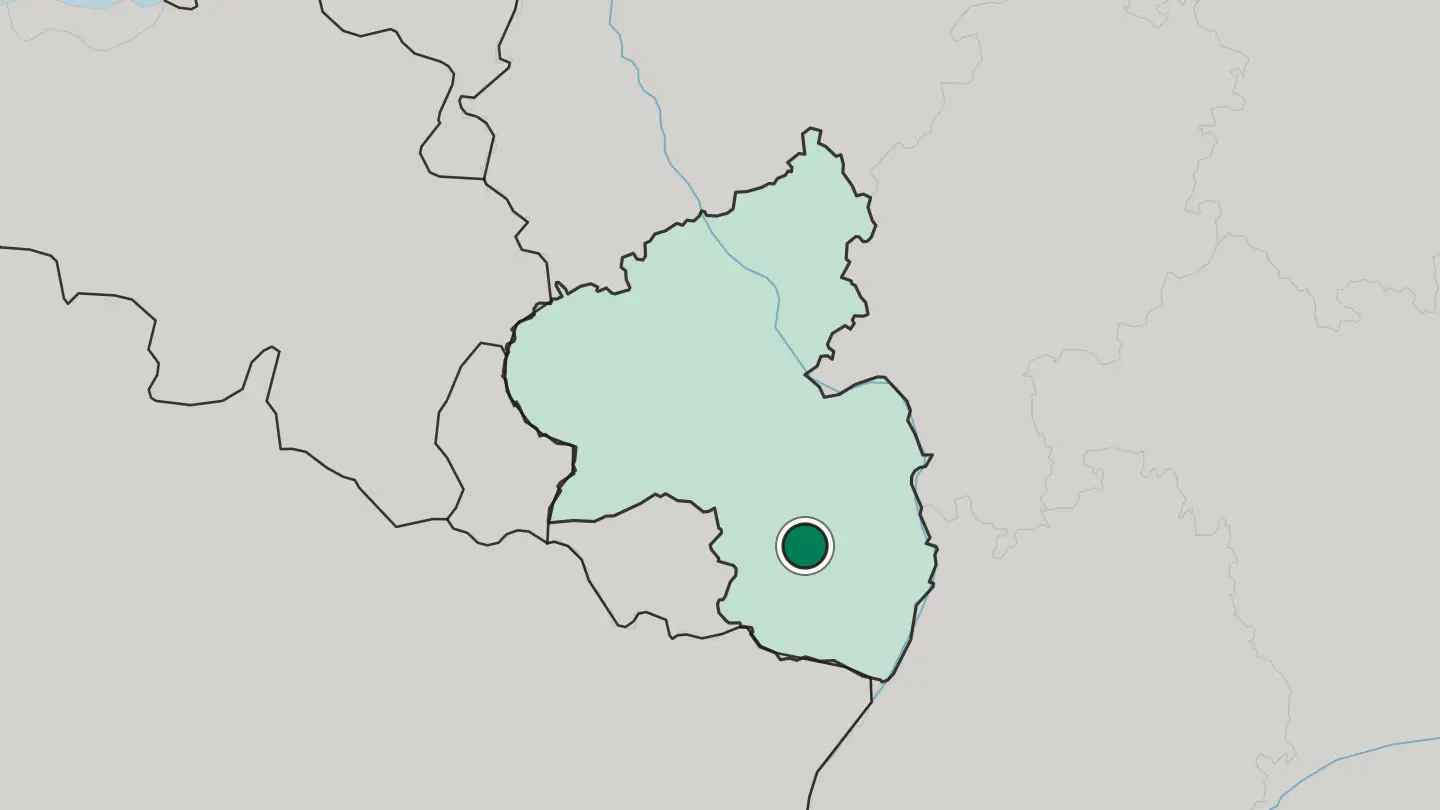
 Germany
Worms
Worms stands on the Upper Rhine in Rhineland-Palatinate, a German cathedral city whose Dom was completed in 1325 and outlived the war around it.Where to stay →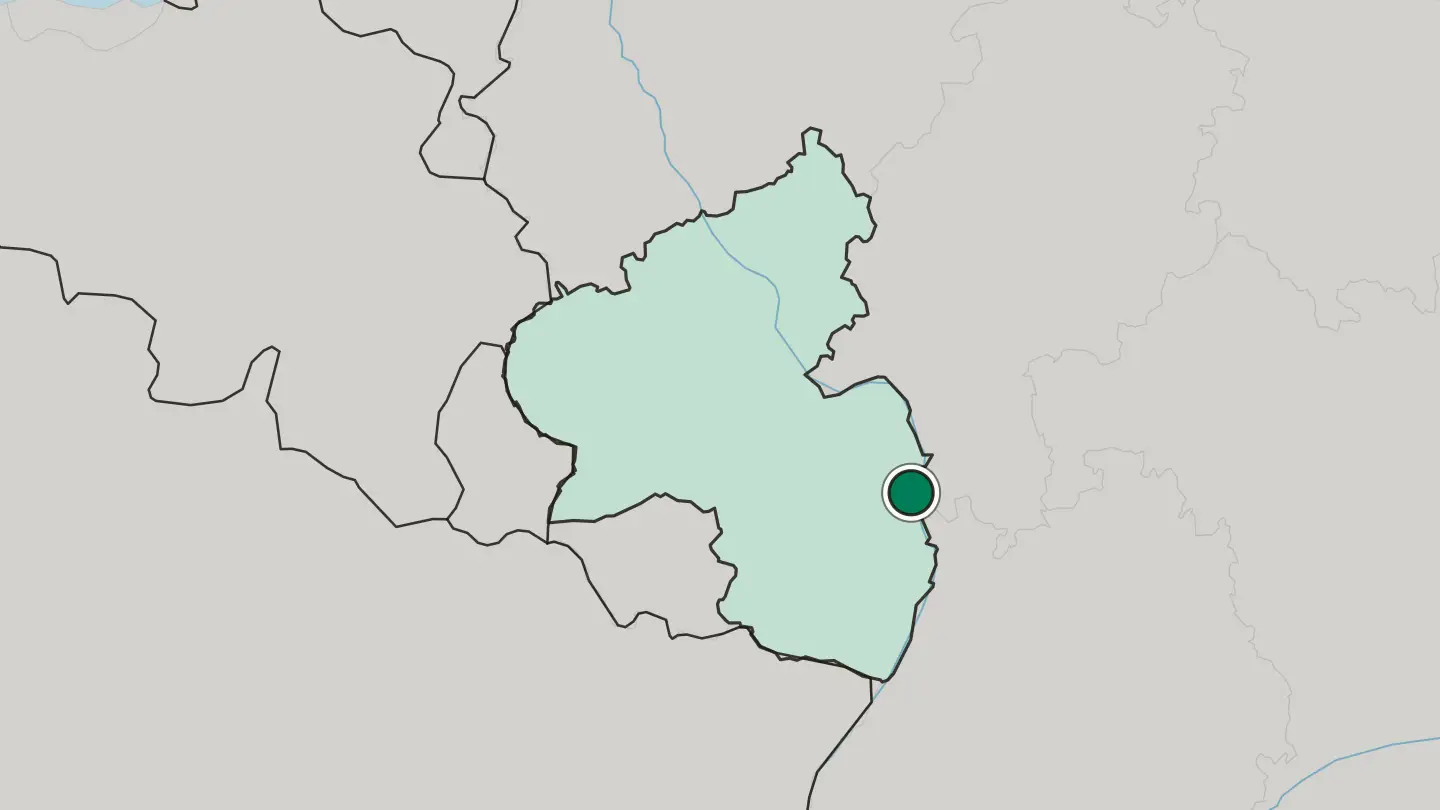
 Germany
Neuwied
Neuwied stands on the east bank of the Rhine north-west of Koblenz, a Rhineland-Palatinate town laid out from 1653 and seat of its own district.Where to stay →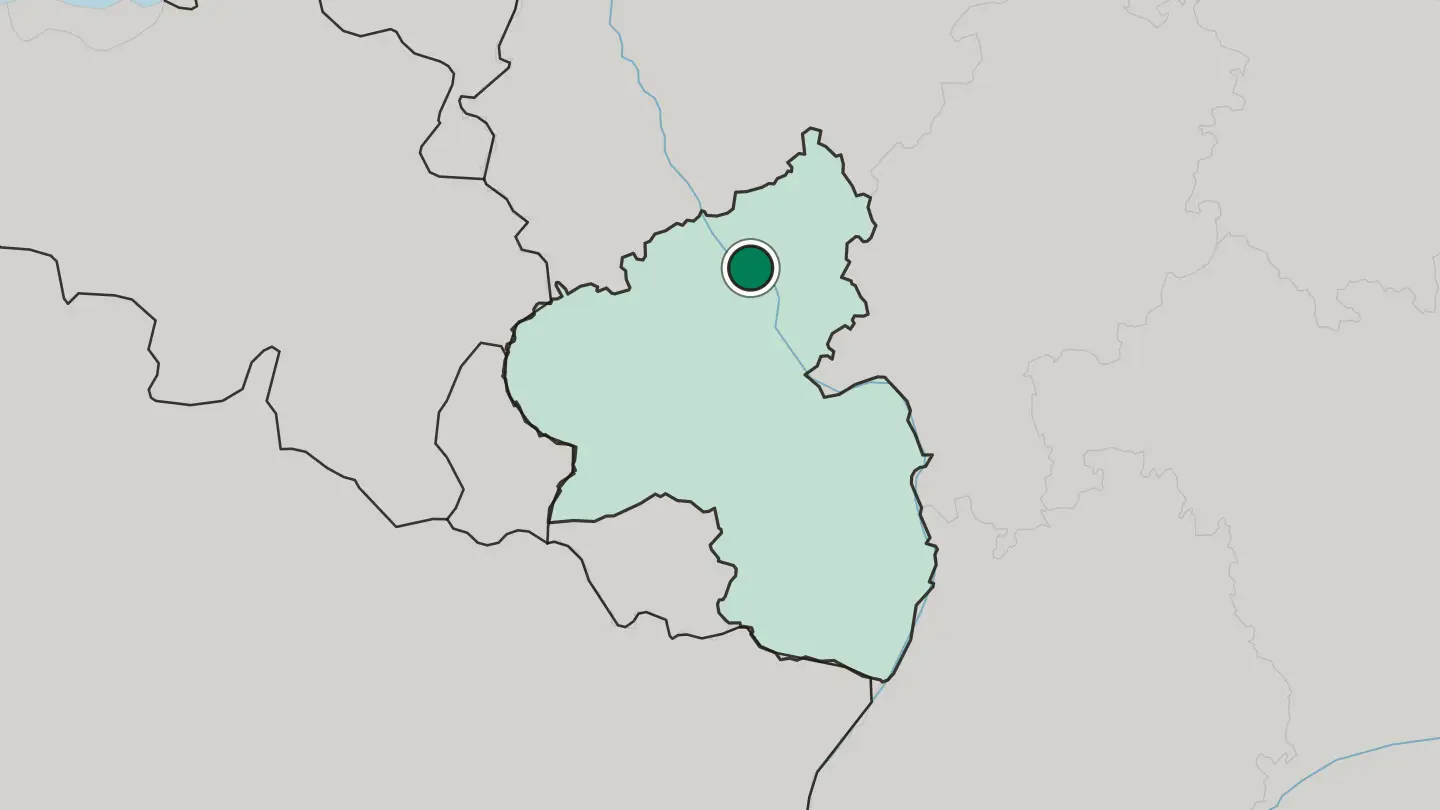
 Germany
Neustadt an der Weinstraße
Neustadt an der Weinstraße lies on the German Wine Route in Rhineland-Palatinate, with Hambach Castle and the Collegiate Church among its landmarks.Where to stay →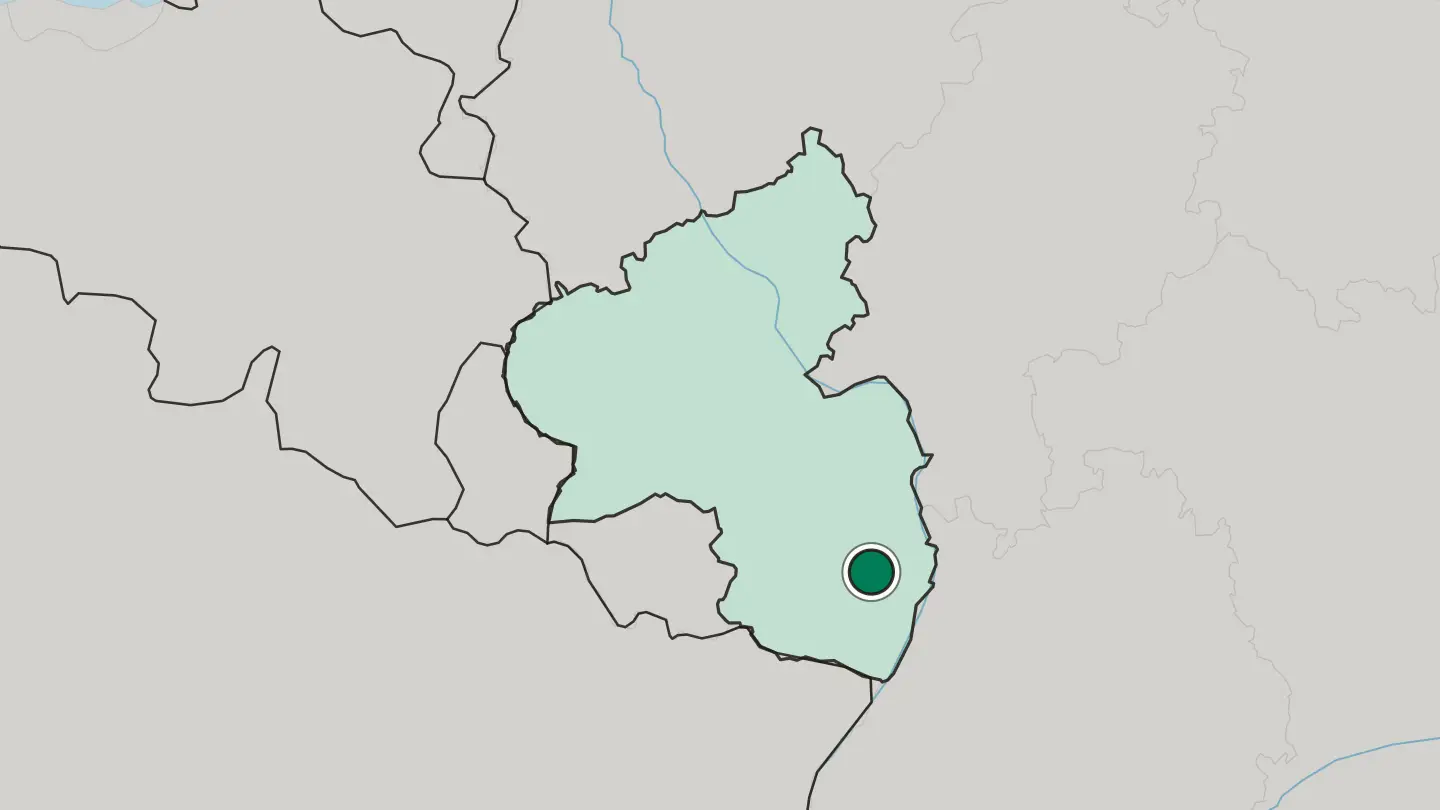
All towns & cities (10)
 Germany
Speyer
Speyer stands on the left bank of the Rhine, one of Germany's oldest cities, with Speyer Cathedral and the Altpörtel over the old town.Where to stay →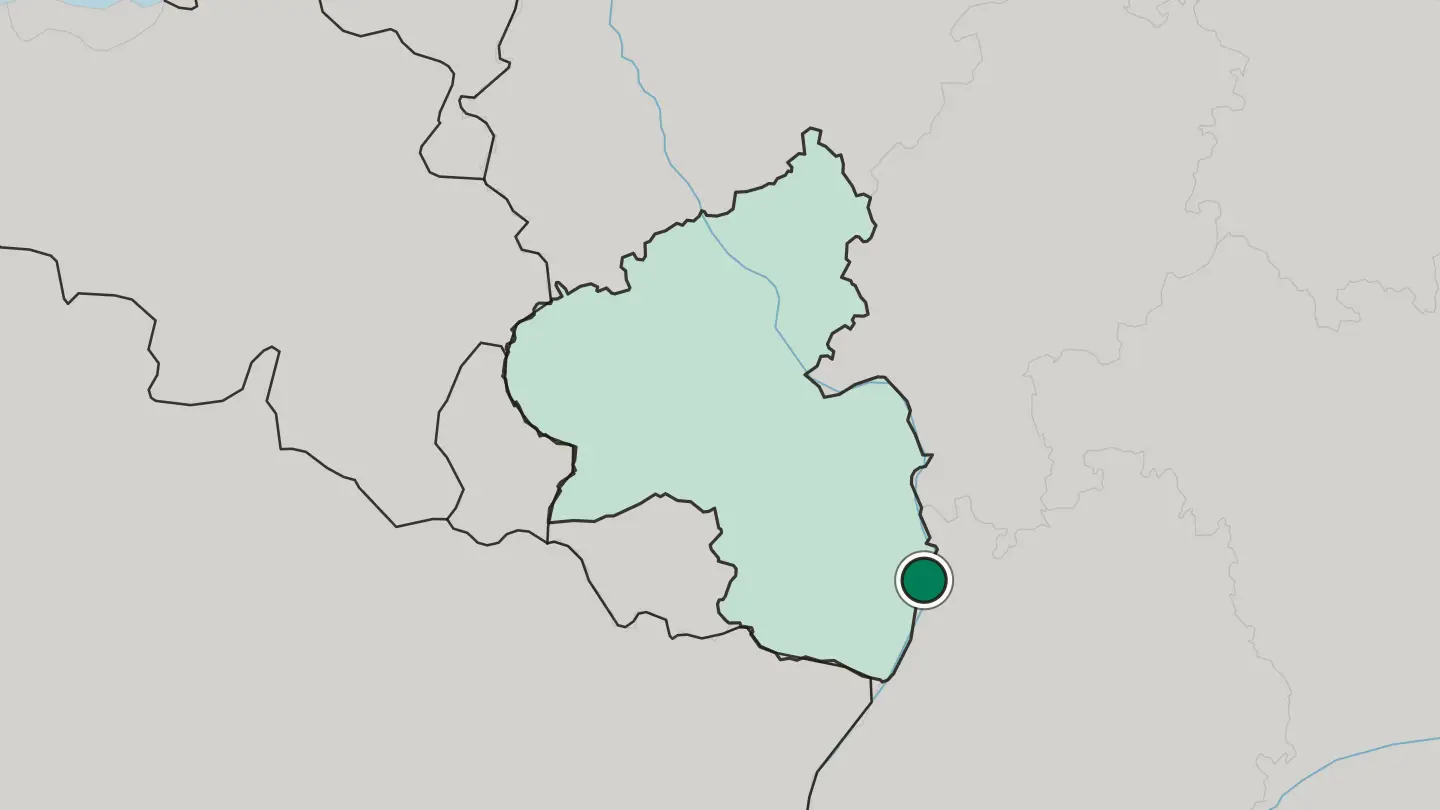 Germany1 area
Ingelheim am Rhein
Ingelheim am Rhein is a town on the Rhine's left bank in Rhineland-Palatinate and the seat of the Mainz-Bingen district.Where to stay →Hotel links are affiliate links: booking through them may earn us a commission, at no extra cost to you. It never affects how places are ranked. How this works
About Rheinland-Pfalz
Wine defines Rheinland-Pfalz above all else.
What is Rheinland-Pfalz known for?
Seven of Germany's thirteen wine regions sit inside its borders, and Riesling ripens on the steep slate slopes above the Mosel and the Rhine. The Rhine Gorge between Bingen and Koblenz carries a run of hilltop castles, terraced vineyards, and the Loreley rock past river-cruise decks, all of it a UNESCO World Heritage stretch. Trier holds the Roman gate of the Porta Nigra, Mainz keeps the memory of Johannes Gutenberg and his printing press, and the German Wine Route threads the Pfalz from festival town to festival town.
It is the country's cellar.
Where is Rheinland-Pfalz?
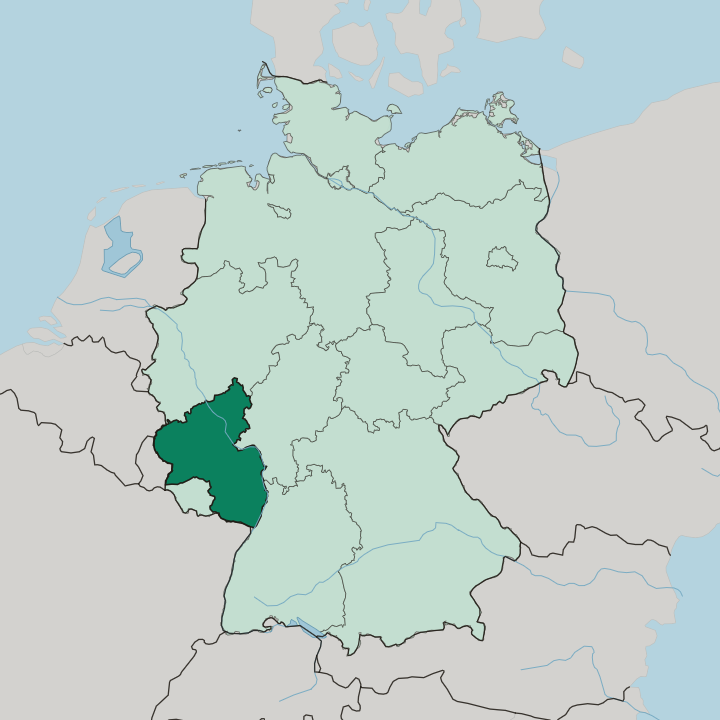
Rheinland-Pfalz spreads across the southwest of Germany, landlocked and hilly, drained through its middle by the Rhine. The river enters from the southeast and swings northwest, gathering the Mosel at Koblenz and the Nahe near Bingen along the way. Uplands fill most of the map.
The volcanic Eifel rises in the northwest, its cones cradling deep crater lakes; the Hunsrück lifts through the centre to the Erbeskopf, the state's highest ground at 816 metres; and in the south the Palatinate Forest covers a vast wooded ridge, the largest unbroken forest in the country. Between those heights the land opens into warm river corridors and the fertile Rheinhessen plain. The Rhine Gorge cuts a narrow, castle-topped canyon for some sixty-five kilometres between Bingen and Koblenz, and it is the scenic core of the state.
Four German states press against its edges: North Rhine-Westphalia to the north, Hesse across the Rhine to the east, Baden-Württemberg to the southeast, and Saarland to the southwest. The western border is international. France, Luxembourg, and Belgium all meet Rheinland-Pfalz where the Mosel and the Eifel run toward the frontier.
Rivers and ridges, not coasts, set the shape of this place.
What is Rheinland-Pfalz like?
Life here turns on the vineyard year. Rheinland-Pfalz grows more wine than any other German state, and the calendar fills from spring to autumn with open-air Weinfeste in the vineyard towns of the Mosel and the Pfalz. The largest of them, the Wurstmarkt at Bad Dürkheim, has drawn crowds for centuries.
Riesling is the grape the region is known for. Half-timbered villages, hillside chapels, and the wine taverns the locals call Straußwirtschaften belong to the same picture. History sits close to the surface too.
Trier keeps the deepest Roman past in Germany, and Mainz honours Johannes Gutenberg, whose movable-type printing press was built in the city around the year 1450 and remade how books were made. Three great Romanesque cathedrals stand along the Rhine, at Mainz, Worms, and nearby Speyer. The everyday language is German, spoken in a soft Rhenish-Franconian lilt that softens hard consonants and colours the local Fastnacht carnival.
Mainz keeps one of the country's liveliest carnival seasons. Faith, wine, and the river run together through the year, and the festivals mark the passage of all three.
What is the history of Rheinland-Pfalz?
As a state, Rheinland-Pfalz is young. The French military government drew it together in 1946 from the southern Rhine Province, Rhenish Hesse, part of Nassau, and the Bavarian Palatinate, the last of the western zone's states to be formed. Its ground is far older.
The Romans founded Trier and Mainz along the Rhine, and for roughly five centuries this frontier marked the edge of their empire. Mainz became the capital of the new state, and the ancient cities carried their monuments and cathedrals into it. A modern border drawn around a very old land.
What is the climate of Rheinland-Pfalz?
The valleys are the warm places. The Rhine and Mosel corridors hold some of the mildest, driest air in Germany, and that shelter is exactly what ripens the Riesling on their slopes. Climb into the uplands and the weather turns.
The Eifel and the Hunsrück run cooler and wetter through the year, catching more cloud and more winter snow than the vineyards below ever see. Summers are warm along the water, and the grapes take their time into a long, mild autumn.
How do you get to Rheinland-Pfalz?
Most travellers reach Rheinland-Pfalz through Frankfurt. The airport sits just across the Rhine in neighbouring Hesse, and fast trains run into Mainz in well under an hour. From there the rail lines follow the rivers, threading Koblenz and the Rhine Gorge to the north and Trier along the Mosel to the west.
River cruises tie the Rhine towns together by water. Roads climb from the valleys into the Eifel and the Palatinate Forest for anyone heading into the hills.
Common questions
What is the best area to stay in Rheinland-Pfalz?
Mainz: a first base with city life and Rhine wine cellars. Koblenz: reaching the Rhine Gorge castles by boat. Trier: Roman ruins and Mosel Riesling. The German Wine Route: wine festivals and vineyard walks.
Good for
More regions in Germany
Updated October 2026