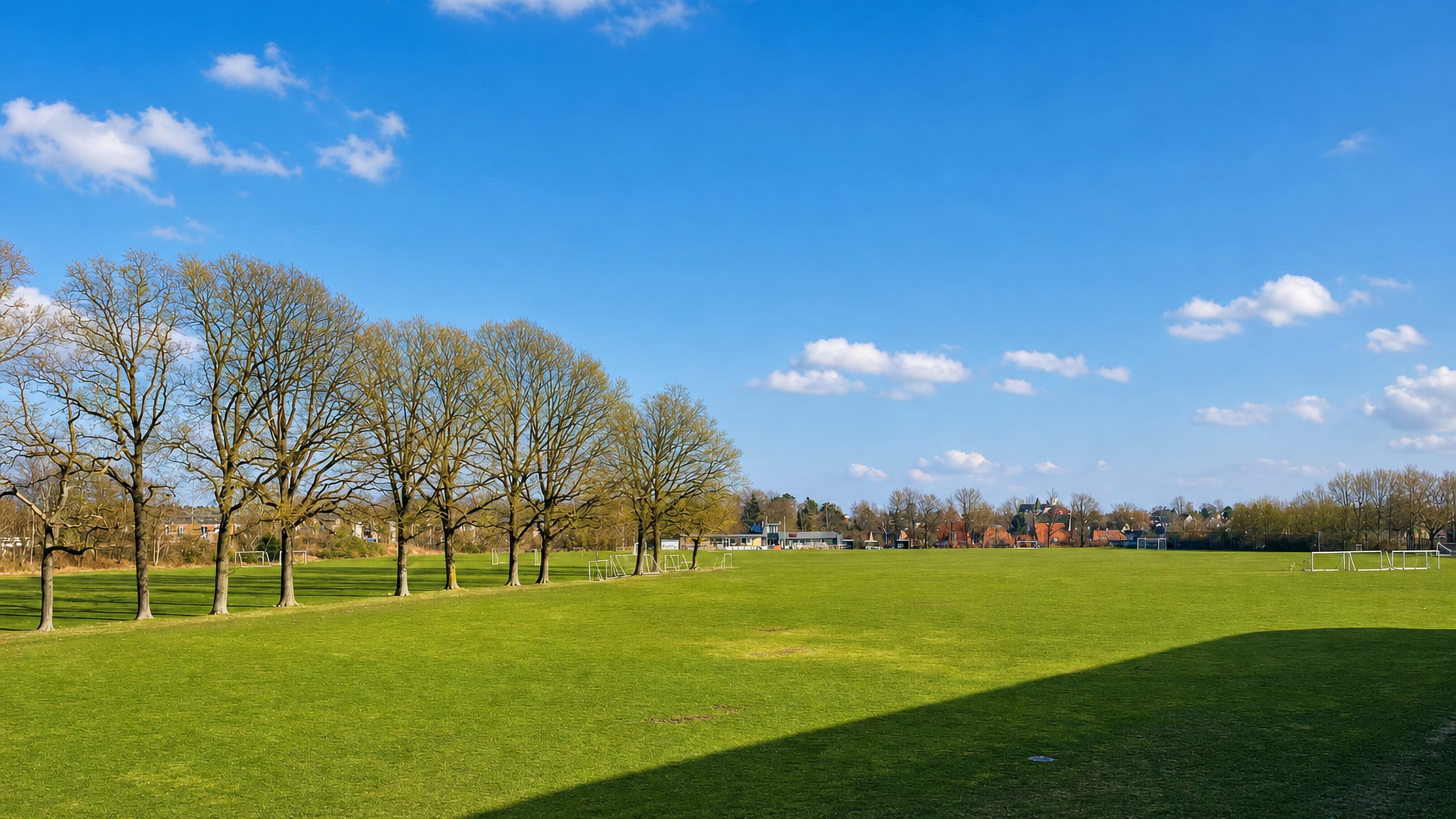
Denmark · Region Hovedstaden
Where to Stay in Buddinge, Region Hovedstaden
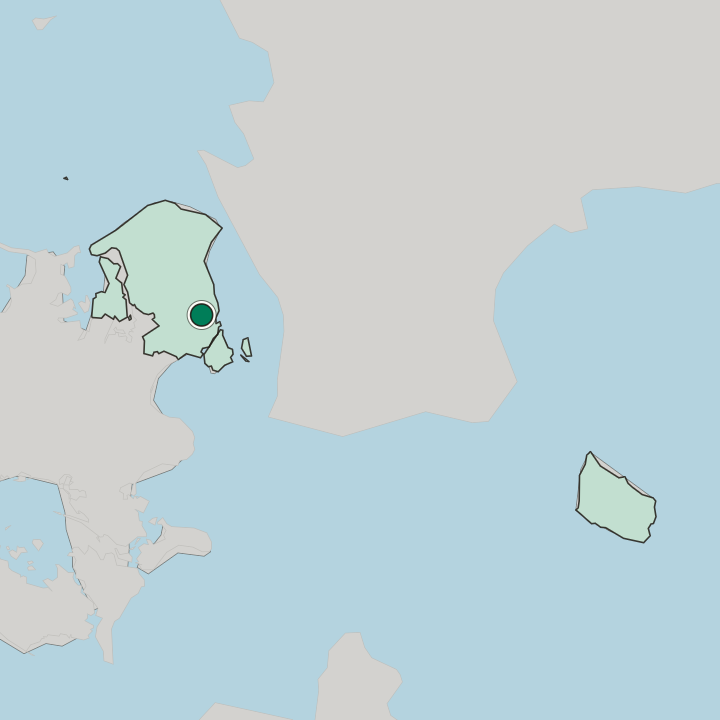
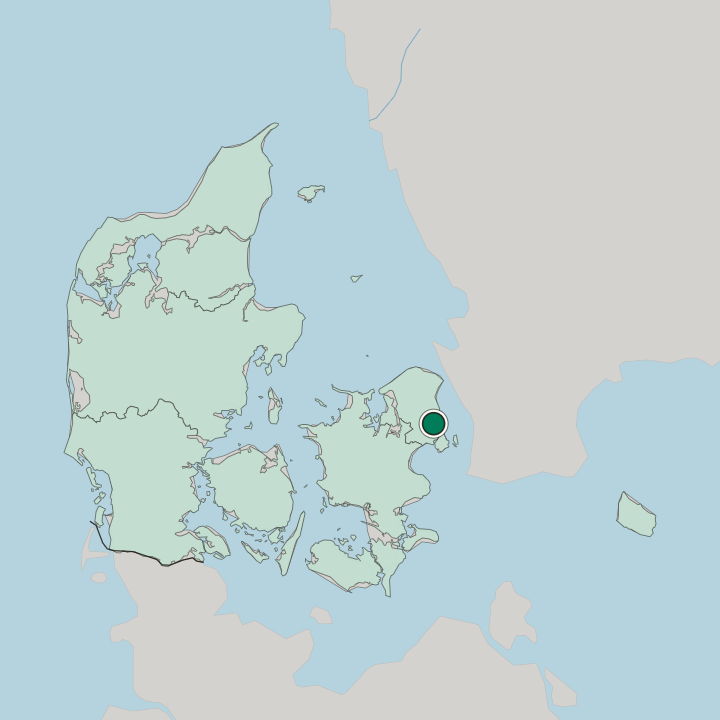
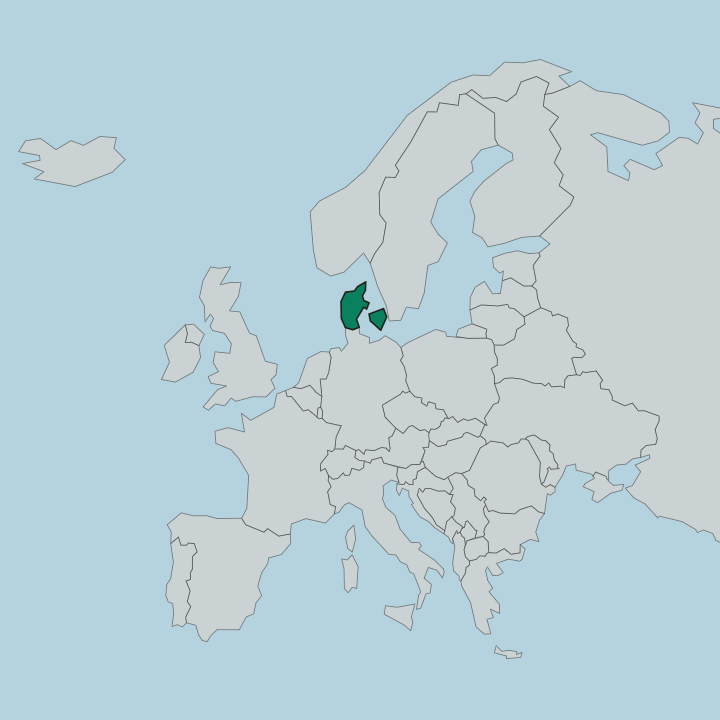
Buddinge is a suburb northwest of Copenhagen, in eastern Denmark, on the island of Zealand.
Hotel links are affiliate links: booking through them may earn us a commission, at no extra cost to you. It never affects how places are ranked. How this works


Where to stay in Buddinge
Where the beds are, and what that means for the visit.
Buddinge works best as a quiet rail base for trips into Copenhagen. The rooms here are practical and few, scattered through the housing near the two stations rather than gathered around any centre. From Buddinge or Kildebakke the S-Train runs frequent and direct, so the capital is a short ride to the south and the other northern suburbs lie a few stops along the line.
Stay here for the trains. Toward the leafier eastern streets near Gentofte Sportspark and the swimming halls of Kildeskovshallen, a handful of guest rooms sit in calmer surroundings, suited to a longer or family stay away from the through-roads. If you want history close by, the old earthworks of Garderhøj Fort lie out to the east.
Beds are limited and tied to weekday demand. Book early in the busy weeks, since this suburb keeps no spare lodging beyond what its commuters and visiting workers need.
Find hotels in Buddinge
Direct booking searches for these neighbourhoods.
Around Buddinge station
practical rooms beside the Buddinge S-Train stop. Lodging is scarce in this area; reserve in advance.Find hotels in Around Buddinge stationa quiet overnight on the second lineKildebakke side
scattered guest rooms near the Kildebakke S-Train stopFind hotels in Kildebakke sidelonger family stays with sport nearbyEastern parks and pools
calm lodging by Gentofte Sportspark and KildeskovshallenFind hotels in Eastern parks and poolsHotel links are affiliate links: booking through them may earn us a commission, at no extra cost to you. It never affects how places are ranked. How this works
About Buddinge
What is Buddinge known for?
Buddinge is a rail-served quarter of Gladsaxe, set in the suburban belt northwest of Copenhagen. Two S-Train stations define it. The stops at Buddinge and Kildebakke carry commuters into the capital and back, and it was the rail and the postwar building that joined this old village to the streets around it until the seams between them disappeared.
Bagsværd Kirke, the church Jørn Utzon shaped, stands among the nearby parishes, and the playing fields of Gentofte Sportspark lie within reach to the east.
What are the main landmarks in Buddinge?
The sights cluster around Buddinge. Bagsværd Kirke is the best known, a modern church Jørn Utzon designed, its bare exterior opening onto a wave-vaulted hall of light. Garderhøj Fort, an old earthwork of the capital's ring of defences, stands to the east as a listed monument.
Sport fills Gentofte Sportspark and the indoor pools of Kildeskovshallen, while the listed villa called Frieboeshvile and the art rooms of Sophienholm Kunsthal carry the older country houses that once dotted these grounds.
What is the history of Buddinge?
Buddinge began as a small village on the plain northwest of Copenhagen. For a long stretch it was a cluster of farms among the fields of Zealand, a hamlet well clear of the capital, holding to the slow agrarian round of the open land. Country houses dotted the surroundings.
The listed villas named Frieboeshvile and Christianelyst, and grounds like those at Sophienholm Kunsthal, recall the gentry estates that once stood among the farms here. Then the capital reached outward. As Copenhagen built across the island, defence works such as Garderhøj Fort rose on the ring of high ground to the east, and the rail soon pushed the city's streets after them.
The postwar decades did the rest. The village merged with the suburban areas around it, and the two S-Train stations at Buddinge and Kildebakke fixed it into the commuter belt of Gladsaxe. New neighbourhoods filled the old fields, the churches of the district served the growing parishes, and sport gathered at grounds like Gentofte Sportspark and the pools of Kildeskovshallen.
Through all of it the place stayed bound to Copenhagen. Buddinge is a rail suburb of the capital rather than a village that kept apart.
Where is Buddinge?
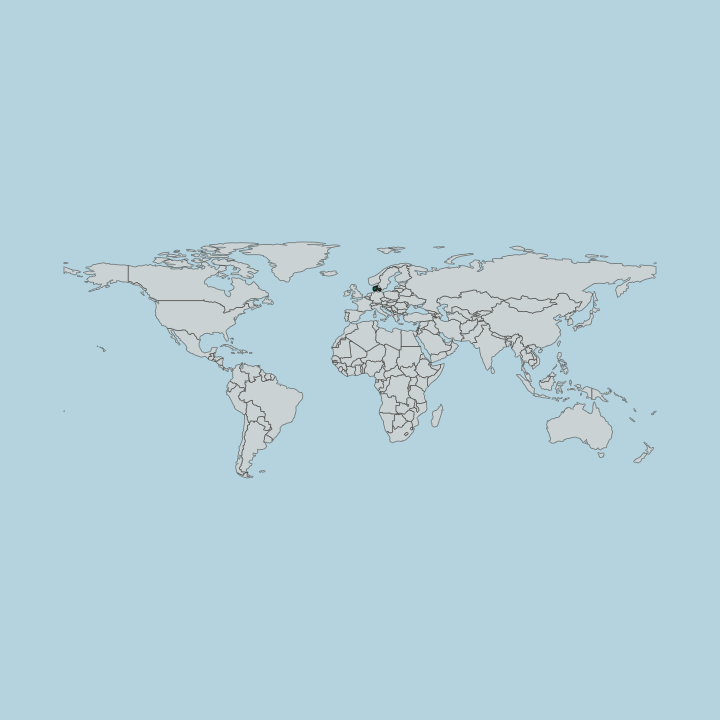
Buddinge lies on the low, level ground northwest of Copenhagen, in the south-eastern part of Capital Region of Denmark. The land is inland and flat. The built suburb runs together with the rest of Gladsaxe and the neighbouring quarters without a clear seam, the two S-Train lines threading through it, while the capital sits a short way to the southeast along the routes across Zealand.
Higher ground rises only at old earthworks like Garderhøj Fort to the east. It holds no coast of its own.
What is the climate of Buddinge?
Buddinge shares the mild, damp weather of lowland Zealand. Winters stay cool and grey, frost easing and returning rather than locking in hard so near the sea that surrounds the island, while summers turn moderate and green under the long northern daylight that keeps the parks and the grounds of Gentofte Sportspark bright late into the evening. No month here stays reliably dry.
The open inland ground offers little shelter, so the wind crosses the streets readily off the surrounding plain.
How do you get to Buddinge?
The S-Train makes it easy. Buddinge has two stops on the network, at Buddinge and Kildebakke, with frequent services running into Copenhagen, so the capital lies a short ride to the south and the other northern suburbs a few stations along the line. Buses link the stops to the outlying streets and across Gladsaxe.
Drivers reach the suburb on the roads running northwest from the city across Zealand, and Copenhagen Airport sits beyond the capital to the southeast, an easy connection away by rail.
Common questions
What is the best area to stay in Buddinge?
Around Buddinge station: direct rail runs into Copenhagen. Kildebakke side: a quiet overnight on the second line. Eastern parks and pools: longer family stays with sport nearby.
Good for
More cities in Region Hovedstaden
Updated October 2026