Denmark · Region Hovedstaden
Where to Stay in Christiansø, Region Hovedstaden
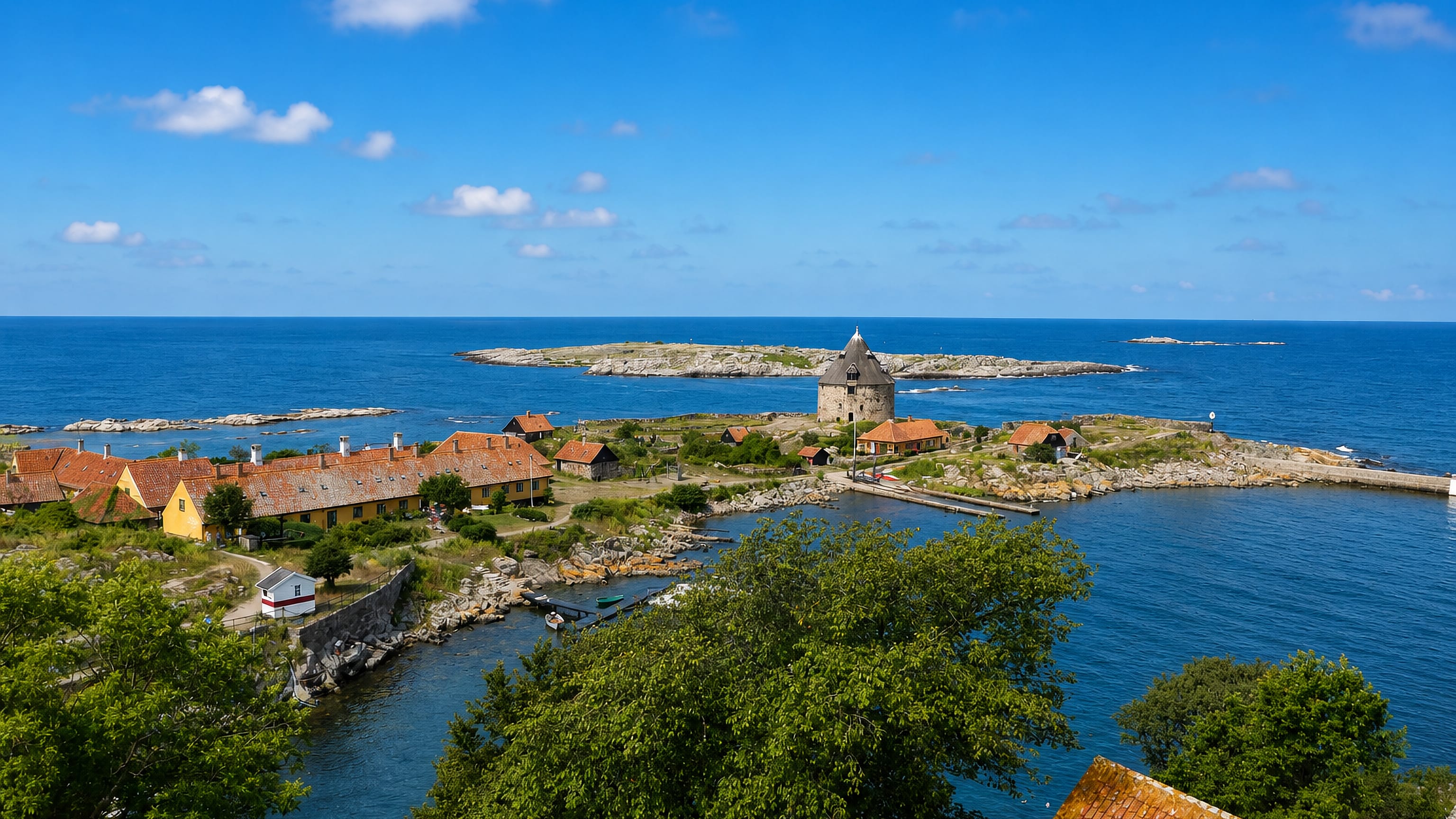
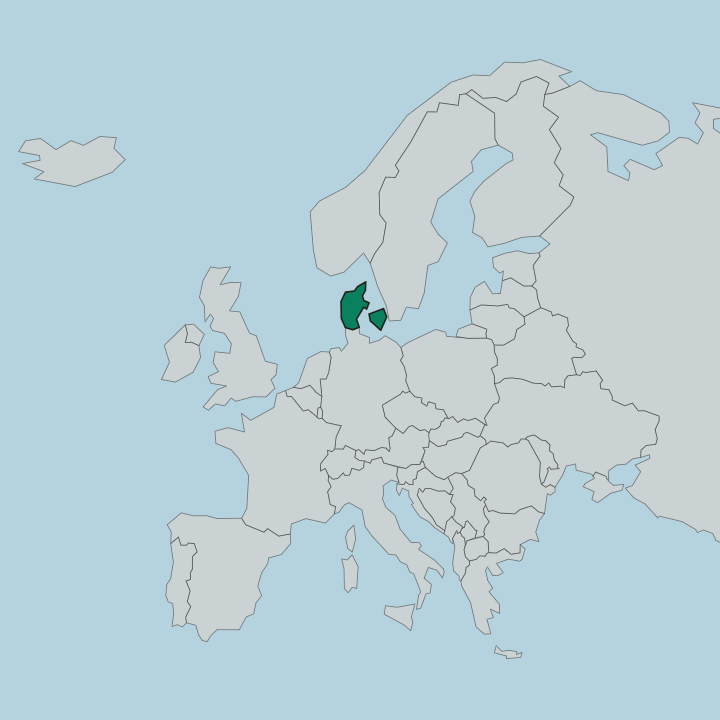
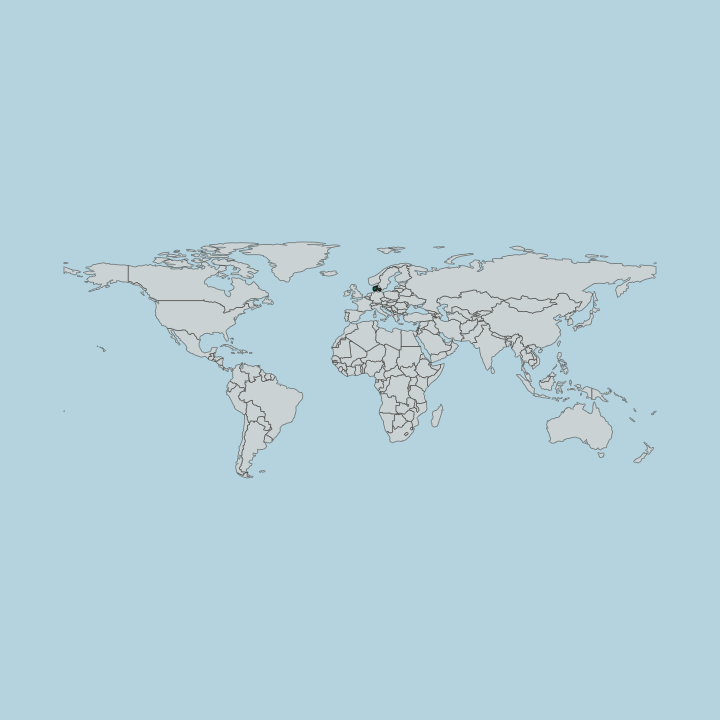
Christiansø is the largest island of the Ertholmene archipelago, in the Baltic Sea north-east of Bornholm in Denmark.
Hotel links are affiliate links: booking through them may earn us a commission, at no extra cost to you. It never affects how places are ranked. How this works


Where to stay in Christiansø
Where the beds are, and what that means for the visit.
Beds are very scarce on Christiansø, a tiny island of only a few hectares where the handful of rooms sit inside the old fortress walls and book up far ahead through the warm months. A small inn and a few guest rooms on the island serve the visitors who come over by boat from Bornholm, and most travellers who want more choice sleep on the larger island and cross to Christiansø and Frederiksø for the day. Plan early in summer.
The island's beds are quickly taken. When the season turns and the boats run full from Gudhjem and the other harbours of Bornholm, the limited beds on the Ertholmene islands fill quickly, so anyone who wants to stay the night out in the Baltic Sea must reserve well in advance. There are no large hotels here and no road off the rock, only the ferry, the harbour, and the quiet of the open water once the day boats have gone.
The off-season island is all but empty.
Find hotels in Christiansø
Direct booking searches for these neighbourhoods.
Inside the fortress
the few rooms within the old ramparts of Christiansø, booked far aheadFind hotels in Inside the fortressday visits across the narrow channelFrederiksø
the smaller inhabited island reached by footbridge from Christiansø. Few places to stay nearby — book ahead.Find hotels in Frederiksømore rooms and a day trip to the islandsBack on Bornholm
harbours such as Gudhjem with boats out to the Ertholmene groupFind hotels in Back on BornholmHotel links are affiliate links: booking through them may earn us a commission, at no extra cost to you. It never affects how places are ranked. How this works
About Christiansø
Christiansø is the chief island of the Ertholmene group.
What is Christiansø known for?
It is best known as the easternmost land of Denmark, a former naval fortress on a cluster of rocks in the Baltic Sea, where a small year-round community lives among the old ramparts with its neighbour island of Frederiksø just across a narrow channel. The sea sets the bounds. The whole of Ertholmene covers only a few hectares of granite and grass, reached by boat from Bornholm, and the islands draw visitors for the old fort, the birds, and the open water rather than for any town.
It is Denmark's far edge.
What are the main landmarks in Christiansø?
The old naval fortress is the whole point of Christiansø, its ramparts, towers, and gun batteries raised across the rock to guard the eastern approaches of the Baltic Sea. A narrow channel and a footbridge join it to Frederiksø, the smaller of the two inhabited islands, where more of the old defences stand. Walls and water are the sights.
The bare skerries of the wider Ertholmene group around them carry seabird colonies rather than buildings, and from the ramparts the open sea runs out toward the distant low line of Bornholm to the south-west. There is no town to speak of.
What is the history of Christiansø?
Christiansø owes its whole shape to war and the navy. Before any fort was built the Ertholmene islands were bare fishing rocks in the Baltic Sea, used by the fishermen of Bornholm but holding no settlement, until the crown of Denmark chose the cluster as a naval base to command the eastern waters and watch the sea lanes between the lands around the Baltic. A fortress rose on the rock.
Across the seventeenth century the king's engineers raised ramparts, towers, and a harbour across Christiansø and its neighbour Frederiksø, turning the two islands into a single guarded station far out from the coast of Bornholm. The naval days did not last forever. As the fort lost its purpose the navy drew down, yet the works were never torn away, and the old garrison buildings, the ramparts, and the harbour passed instead to a small civilian community that has held the islands ever since.
The state still keeps the rock. Run apart from the ordinary municipalities of Denmark, the Ertholmene islands stay under a special administration, and Christiansø remains the easternmost land of the country, a preserved fortress town adrift in the Baltic Sea north-east of Bornholm.
Where is Christiansø?
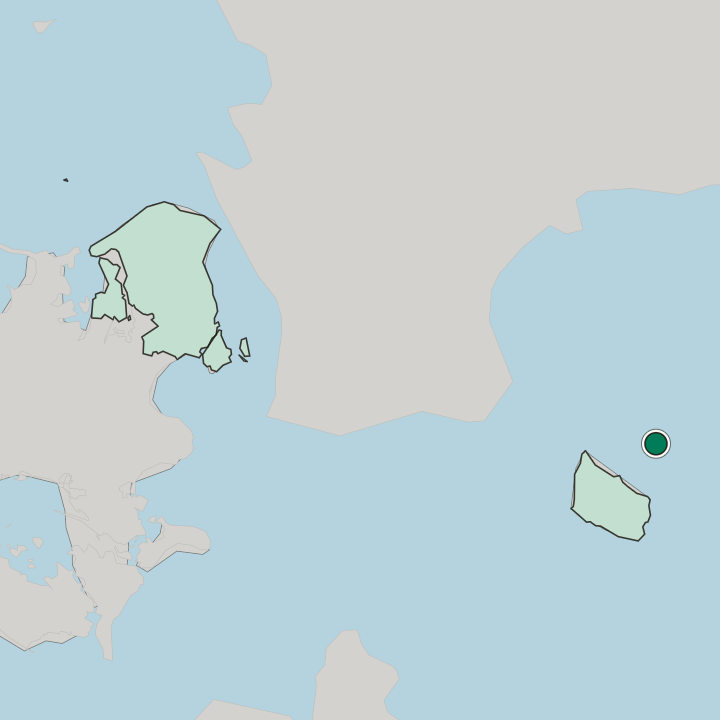
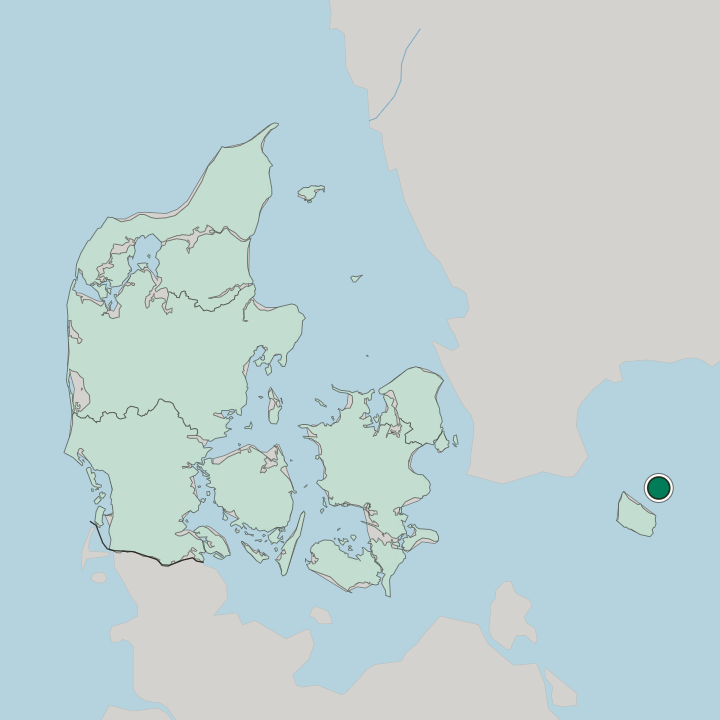
Christiansø lies far out in the Baltic Sea, the largest island of the Ertholmene group north-east of Bornholm and the easternmost land of Denmark. The island is a low slab of granite of only a few hectares, ringed by skerries and joined by a narrow channel and footbridge to Frederiksø, with open water on every side. There is no mainland in sight.
Boats cross from the harbours of Bornholm, chiefly Gudhjem, and the islands form a far south-eastern outpost of the Capital Region of Denmark.
What is the climate of Christiansø?
Christiansø has a raw, sea-bound climate. Winters are grey and stormy, with hard wind and salt spray sweeping the bare granite of the island and the open Baltic Sea grey and cold around it, while the boats from Bornholm run thin through the dark months. Summers are mild and breezy.
The longer days bring calmer water, seabirds to the skerries of the Ertholmene group, and day visitors to the ramparts, before the autumn gales return. The wind off the sea never quite drops.
How do you get to Christiansø?
The only way to Christiansø is by boat. Passenger ferries cross the open Baltic Sea from the harbours of Bornholm, chiefly Gudhjem, carrying day visitors and supplies out to the islands and back. The crossing takes about an hour.
There is no airfield and no bridge to the mainland, so every traveller first reaches Bornholm and then takes the boat out to Christiansø and Frederiksø in the Ertholmene group. Seas can be rough in autumn.
Common questions
What is the best area to stay in Christiansø?
Inside the fortress: a rare night out in the Baltic Sea. Frederiksø: day visits across the narrow channel. Back on Bornholm: more rooms and a day trip to the islands.
Good for
More cities in Region Hovedstaden
Updated September 2026