Denmark · Region Hovedstaden
Where to Stay in Dragør, Region Hovedstaden
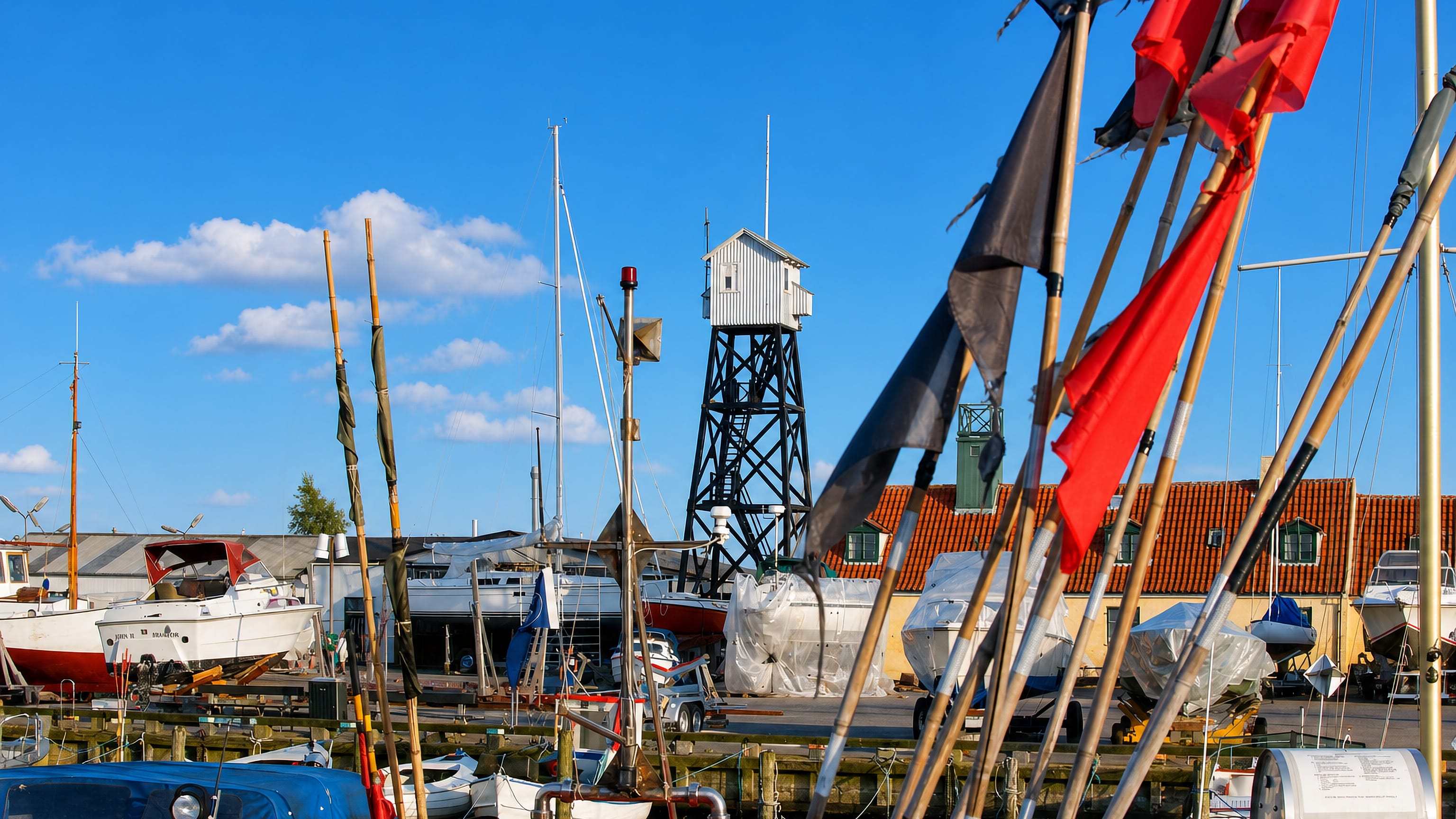
Dragør is an old seafaring town near Copenhagen, its harbour ringed by lanes of yellow cottages and a long Dutch heritage.
Hotel links are affiliate links: booking through them may earn us a commission, at no extra cost to you. It never affects how places are ranked. How this works


Where to stay in Dragør
The practical side of choosing where to sleep.
Dragør is small, and almost everyone who stays wants the old town. Take a room among the yellow cottages near the harbour and Dragør Kirke and you can walk the cobbled lanes, eat by the quay beside the Danmarks Lodsmuseum, and reach the water in minutes. It suits you if a quiet historic harbour close to Copenhagen is the point of the trip.
Dragør has few beds of its own. A handful of small hotels, inns and guesthouses sit in and around the protected centre, so they book out fast in the warm summer months when day-trippers fill the lanes. Inland toward Store Magleby and the Hollændergårdene, the old Dutch farming village, a few quieter rooms lie among the fields.
Many visitors instead base themselves in central Copenhagen, a short ride away, and come out to Dragør for the harbour, the museums and the painter's house at Mølsteds Museum.
Find hotels in Dragør
Direct booking searches for these neighbourhoods.
Old town and harbour
yellow fishing cottages around the quay, Dragør Kirke and the Danmarks Lodsmuseum. Few places to stay nearby — book ahead.Find hotels in Old town and harbourthe Dutch village fieldsStore Magleby
quieter inland rooms near the Hollændergårdene and Store Magleby Kirke. Rooms are few around here — worth securing early.Find hotels in Store Maglebya city base for day tripsCentral Copenhagen
fuller hotel choice in the capital, a short ride from Dragør's harbour and museumsFind hotels in Central CopenhagenHotel links are affiliate links: booking through them may earn us a commission, at no extra cost to you. It never affects how places are ranked. How this works
Things to do in Dragør
Ranked by global recognition; descriptions from Wikidata (CC0).
Museums & Galleries
3- Mølsteds Museum
- Danmarks Lodsmuseum
- Dragør museum
Churches & Religious Sites
2- Dragør Church
- Store Magleby Church
Stadiums & Sports
1- Hollænderhallen
worth knowingacross 3 categories in Dragør
About Dragør
Dragør is known for its preserved old town.
What is Dragør known for?
Tight lanes of low yellow cottages run down to a working harbour, kept much as the fishing and shipping community left it, with the maritime past laid out at the Dragør Museum and the Danmarks Lodsmuseum on the quay. Pilots once sailed from here. The painter Christian Mølsted is remembered at Mølsteds Museum, the steeple of Dragør Kirke rises over the rooftops, and the nearby Hollændergårdene recall the Dutch farmers who settled the surrounding land.
What are the main landmarks in Dragør?
Dragør's landmarks are its old town itself. The harbour and the lanes of yellow cottages make up an open-air heritage that the Dragør Museum and Danmarks Lodsmuseum explain from the quay, while Mølsteds Museum hangs the marine paintings of Christian Mølsted in the artist's own house. Two churches anchor the parishes.
Dragør Kirke stands over the town and the older Store Magleby Kirke sits inland, the Hollændergårdene preserve the heritage of the Dutch farmers who settled the surrounding fields, and the modern Hollænderhallen serves the community at the town's edge.
What is the history of Dragør?
Dragør made its living from the sea. It rose as a fishing and trading harbour on the flat land south-east of Copenhagen, drawing herring boats and merchant ships, and for centuries its livelihood came off the water rather than the fields behind it. Pilots made the town famous.
From its quay, where the Danmarks Lodsmuseum now tells the story, local pilots guided vessels through the shallow waters around the capital, and Dragør became one of Denmark's great seafaring communities. The land had a separate story. In the sixteenth century Dutch farmers were brought to the neighbouring village of Store Magleby to grow vegetables for the royal court, and their long influence survives in the Hollændergårdene and the local dress and customs.
The fishing fleet shrank over time, but the close-packed lanes of yellow cottages were spared the redevelopment that swallowed older quarters elsewhere, and the whole town centre survives as one of the best-kept old harbours in the country. Painters like Christian Mølsted recorded its boats and light.
Where is Dragør?
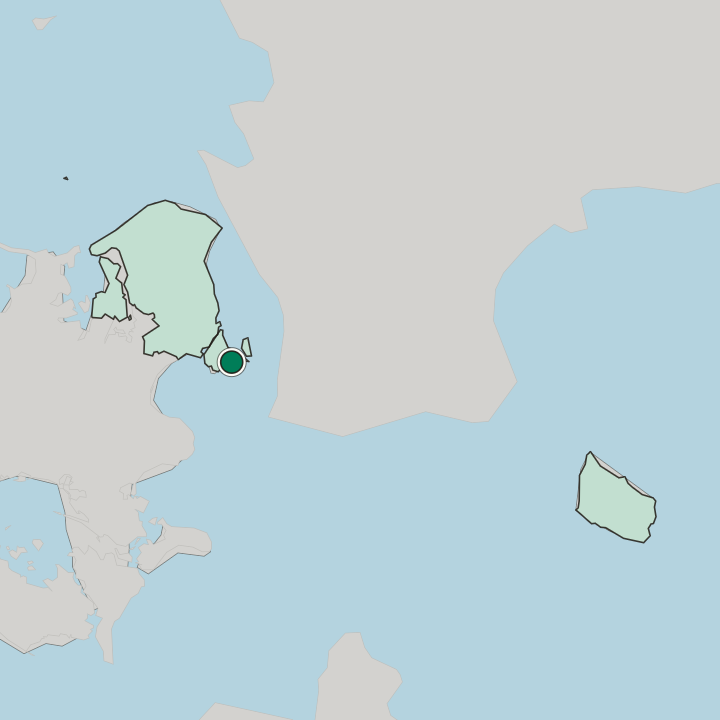
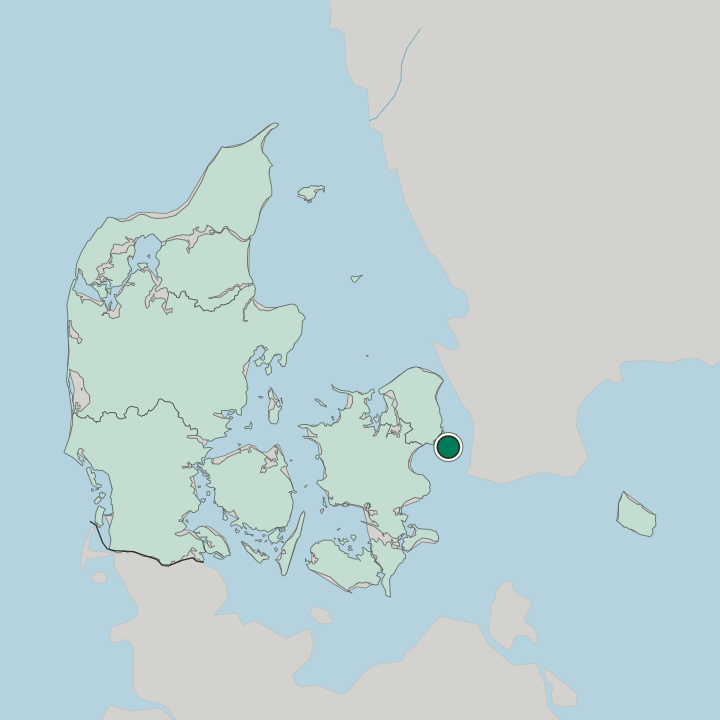
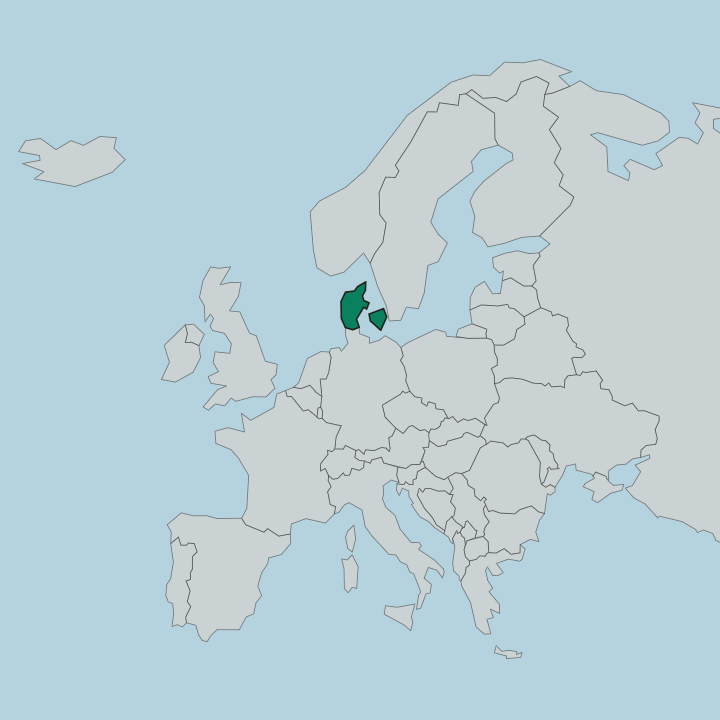
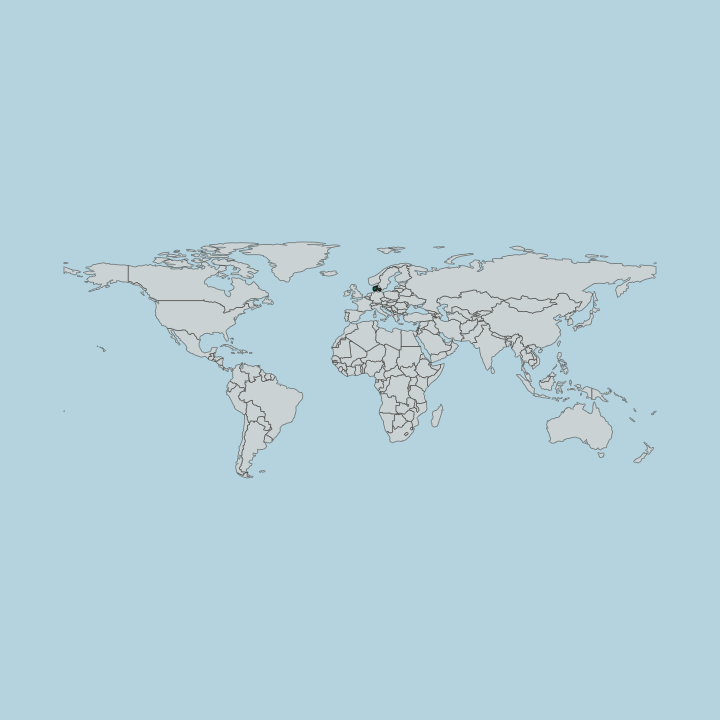
Dragør lies in eastern Denmark, on the island of Zealand, on the flat coast at the south-eastern corner of the Capital Region near Copenhagen. The land here is low and open. Its harbour opens to the water on one side, while reclaimed farmland and the old Dutch fields around Store Magleby stretch behind the town on the other, leaving the whole place barely above the waterline.
Beyond it, the shoreline runs out to wide tidal flats and meadows.
What is the climate of Dragør?
The open water keeps Dragør cool and changeable. Sitting low on its exposed coast, the town feels the sea in grey, breezy winters and mild summers, with the wind reaching freely across the flat land around Store Magleby. Storms drive in off the water.
Spring and autumn stay damp and shifting, while the long light of midsummer fills the harbour and the cottage lanes, drawing strollers down to the quay before the colder season closes in again.
How do you get to Dragør?
Dragør sits close to the capital but off the rail map. Buses run the short distance from central Copenhagen out to the old town and harbour, the simplest way in without a car. The ride is quick.
Drivers follow the roads south-east across the flat land through Store Magleby, and Copenhagen Airport lies only a short way north of the town, making Dragør one of the easiest old harbours to reach on arrival in Denmark.
Common questions
What is the best area to stay in Dragør?
Old town and harbour: the cobbled cottage lanes. Store Magleby: the Dutch village fields. Central Copenhagen: a city base for day trips.
Good for
More cities in Region Hovedstaden
Updated October 2026