Denmark · Region Hovedstaden
Where to Stay in Frederiksværk, Region Hovedstaden
Frederiksværk is an old industrial town in Halsnæs on northern Zealand, grown up around a royal gunpowder works.
Hotel links are affiliate links: booking through them may earn us a commission, at no extra cost to you. It never affects how places are ranked. How this works


Where to stay in Frederiksværk
The practical side of choosing where to sleep.
Frederiksværk keeps a small stock of rooms for a small town, gathered near its old works. Stay in the centre and you are within a short walk of Krudtværket, the canal-side mill buildings and Frederiksværk Kirke, where a handful of inns and guesthouses sit among the streets of the planned industrial town. It suits you if the powder-works history and a quiet northern Zealand base appeal more than nightlife.
The works quarter holds few beds. Out toward the green edge of town, rooms near Arresødal Skov and the lakeside trade calm for woodland and water, a short hop from the centre. The whole of Halsnæs is small, so summer visitors heading for the open Kattegat beaches of the peninsula often book well ahead.
Travellers wanting wider choice base themselves nearer the larger towns of northern Zealand, such as Hillerød or Helsingør, and drive out to Frederiksværk for the museum and the lake.
Find hotels in Frederiksværk
Direct booking searches for these neighbourhoods.
Town centre
inns among the planned mill streets beside Krudtværket and Frederiksværk Kirke. Lodging is scarce in this area; reserve in advance.Find hotels in Town centrewoods and lakeArresødal edge
quieter rooms by Arresødal Skov on the green side of town toward the lake. Rooms are few around here — worth securing early.Find hotels in Arresødal edgewider choice nearbyNorthern Zealand towns
fuller hotel stock at Hillerød or Helsingør, an easy drive from the Halsnæs peninsulaFind hotels in Northern Zealand townsHotel links are affiliate links: booking through them may earn us a commission, at no extra cost to you. It never affects how places are ranked. How this works
About Frederiksværk
Frederiksværk owes its name to its works.
What is Frederiksværk known for?
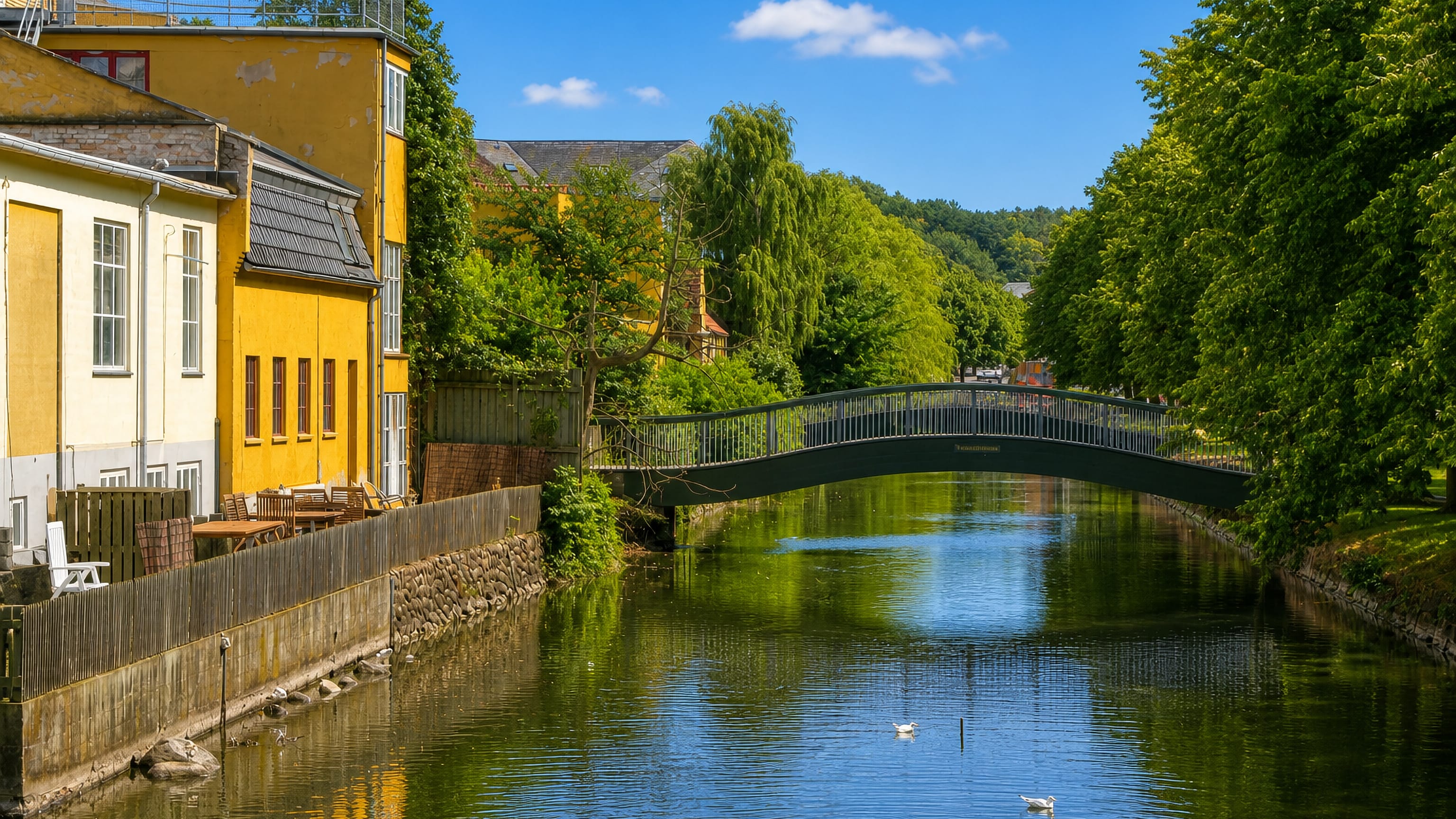
The town was laid out around a royal gunpowder and cannon foundry whose buildings survive as Krudtværket, now a museum tracing the powder works that made this one of the earliest planned industrial towns in Denmark. Industry shaped every street. The waterway that drove its mills still threads through the centre, the parish gathers at Frederiksværk Kirke, and the woods of Arresødal Skov rise on the edge of town toward the great lake beyond.
What are the main landmarks in Frederiksværk?
Krudtværket is the heart of it. The old gunpowder works, now a museum, keeps the canals, water wheels and forge buildings that gave Frederiksværk its name and made it a planned industrial town. Powder once ruled here.
Frederiksværk Kirke serves the centre, the older Kregme Kirke and Vinderød Kirke stand among the surrounding parishes, and the protected woods of Arresødal Skov hold an ancient monument among their trees on the rise toward the lake.
What is the history of Frederiksværk?
Frederiksværk was built around a machine. In the eighteenth century the Danish crown turned a watercourse on northern Zealand into the power for a gunpowder and cannon works, and a planned town rose around the foundry to house the workers who served it. The works gave the town its name.
Where most Danish towns grew slowly from market or church, Frederiksværk was laid out for industry from the start, its streets and canals arranged around the powder mills, making it one of the country's first true industrial settlements. The forge fed the army. Generations worked the powder, iron and cannon trades along the canal, while the older farming parishes of Kregme and Vinderød kept their churches on the surrounding land.
When the military works finally wound down, the buildings became Krudtværket, a museum preserving the canals and wheels of the foundry that explains how the whole town came to be. The waterway that once drove the mills still runs quietly through the centre.
Where is Frederiksværk?
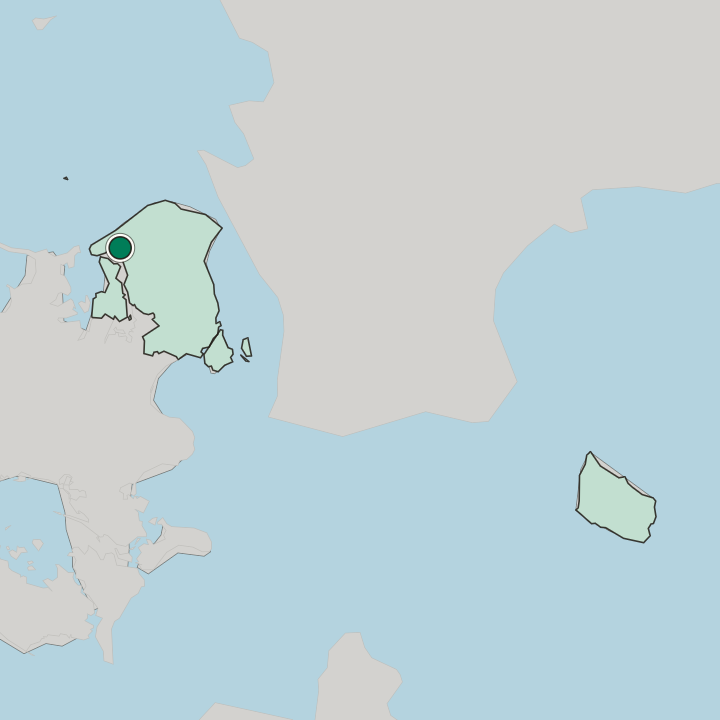
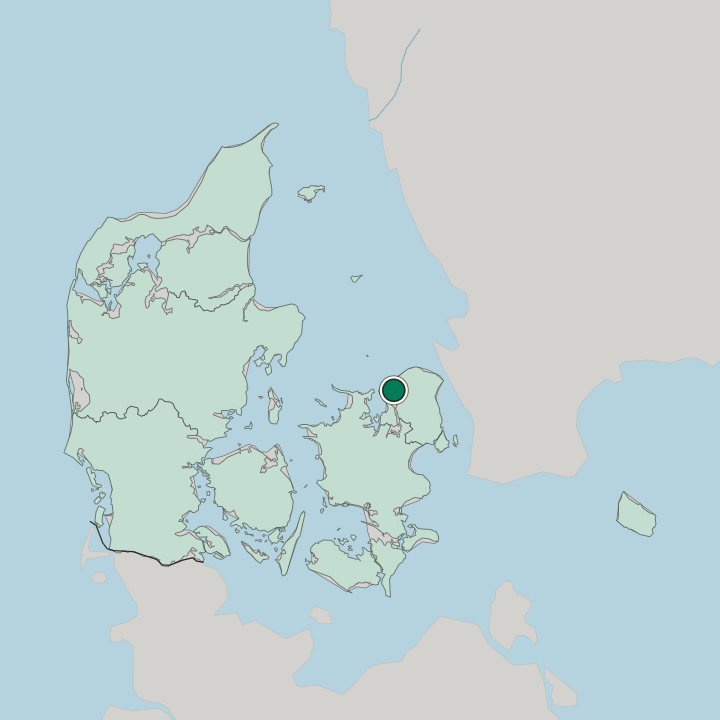
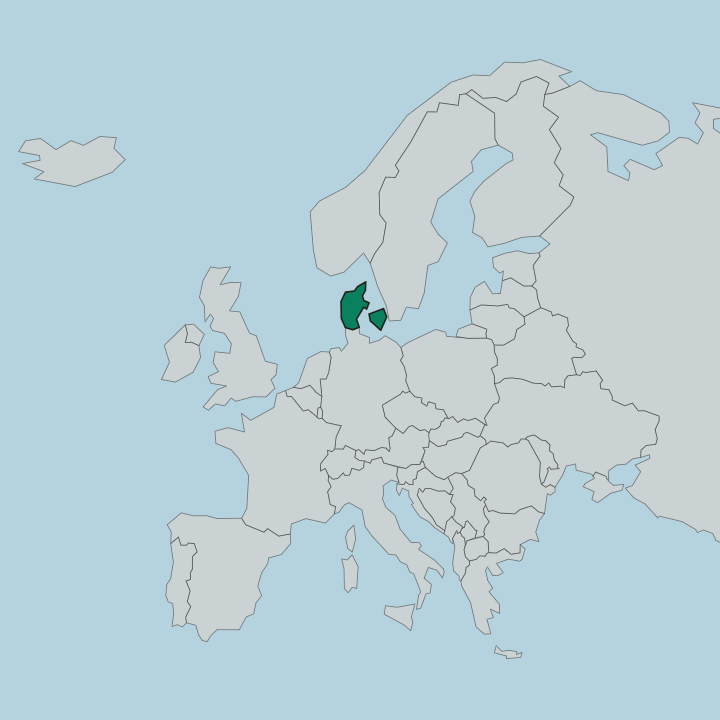
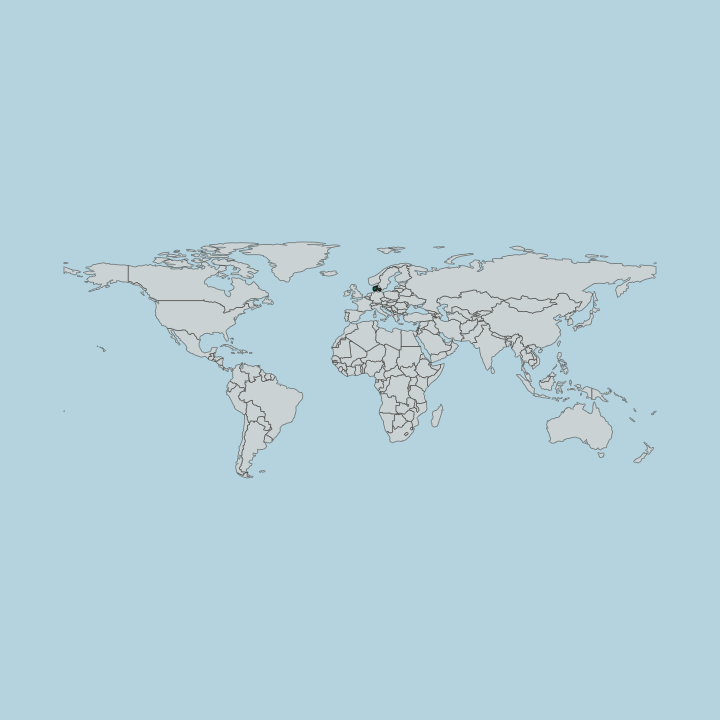
Frederiksværk lies in eastern Denmark, on the island of Zealand, set on the Halsnæs peninsula in the western part of the Capital Region. Water surrounds the town's setting. A canalised watercourse runs through the centre toward the coast, the lake country of Arresødal opens to the south behind its woods, and the open Kattegat washes the peninsula's northern shores beyond the town.
Flat, wooded farmland fills the land between.
What is the climate of Frederiksværk?
Frederiksværk keeps a cool, coastal climate. The nearby Kattegat and the lake country temper the town through grey, damp winters and mild summers, with sea winds reaching across the low Halsnæs land. Damp grey weather settles over Halsnæs through much of the year.
Spring arrives slowly over the wooded farmland around Arresødal Skov, while the longer light of summer draws walkers to the lake and the peninsula's beaches before the autumn winds blow in off the sea again.
How do you get to Frederiksværk?
A local rail line links Frederiksværk to the wider network. The Frederiksværkbanen runs across the Halsnæs peninsula to Hillerød, where S-trains carry on south into Copenhagen. Trains feed the junction.
Drivers reach the town by road across northern Zealand from Hillerød and the larger towns, and from the peninsula a ferry crosses the water to the far shore, a short cut for those continuing along the coast toward the Kattegat.
Common questions
What is the best area to stay in Frederiksværk?
Town centre: the powder-works history. Arresødal edge: woods and lake. Northern Zealand towns: wider choice nearby.
Good for
More cities in Region Hovedstaden
Updated September 2026