Denmark · Region Hovedstaden
Where to Stay in Helsinge, Region Hovedstaden
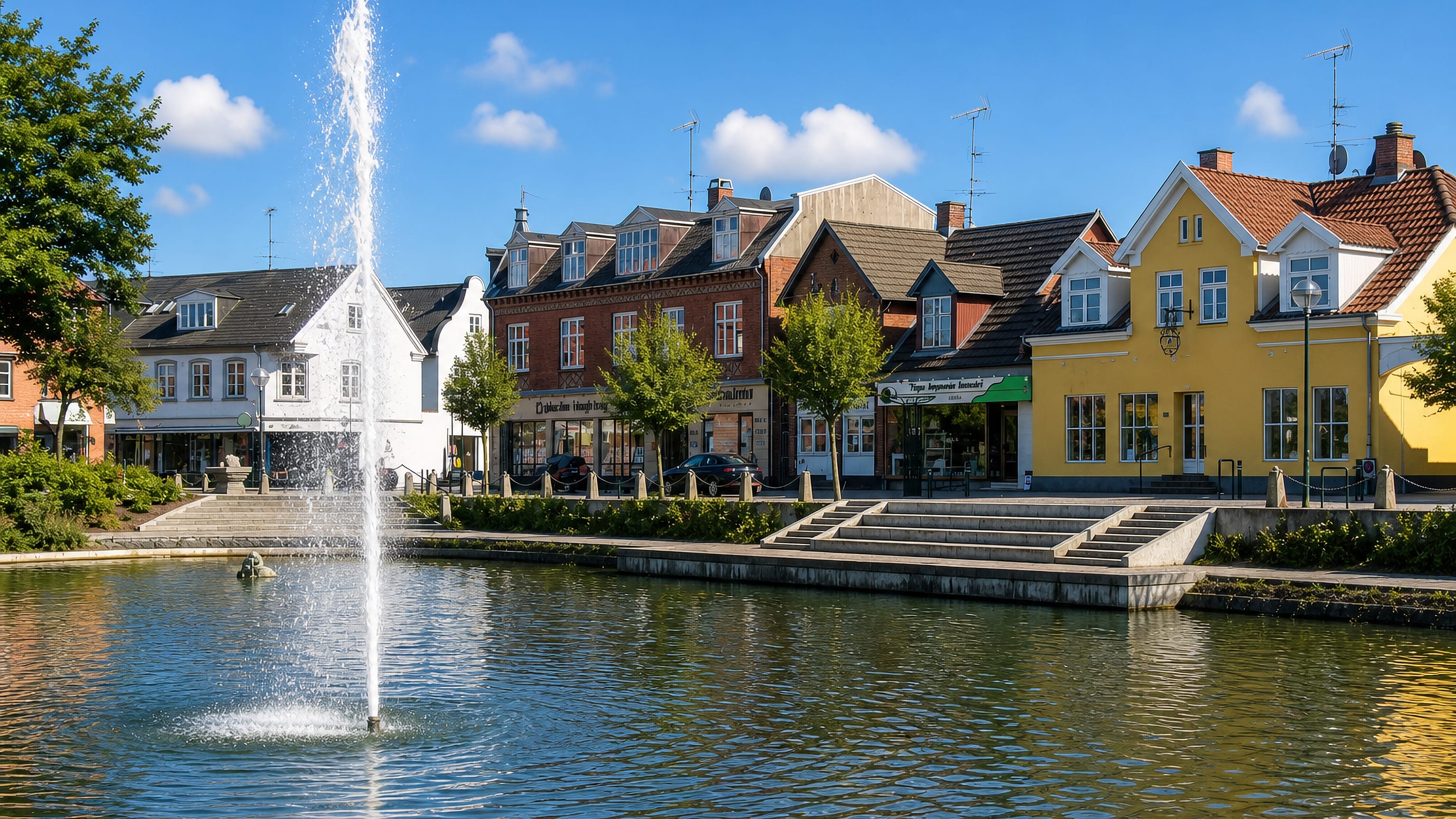
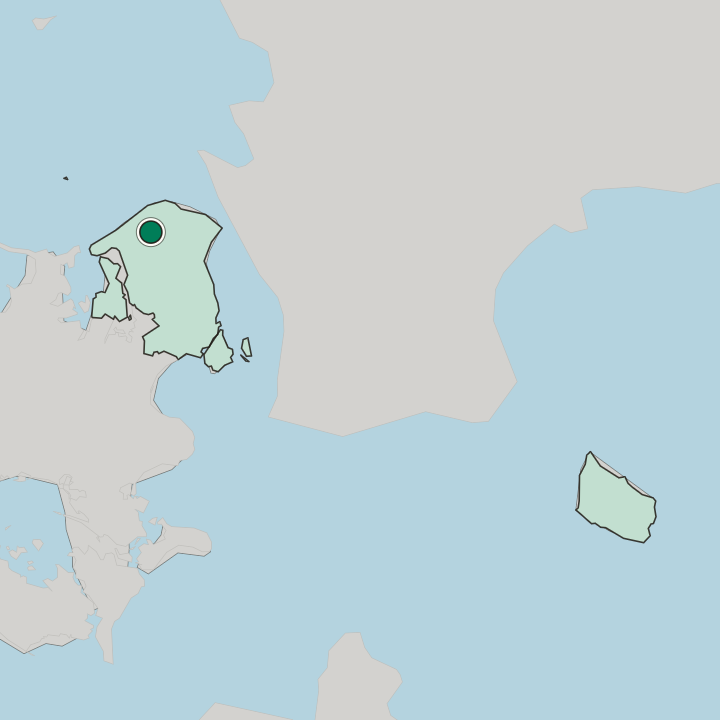
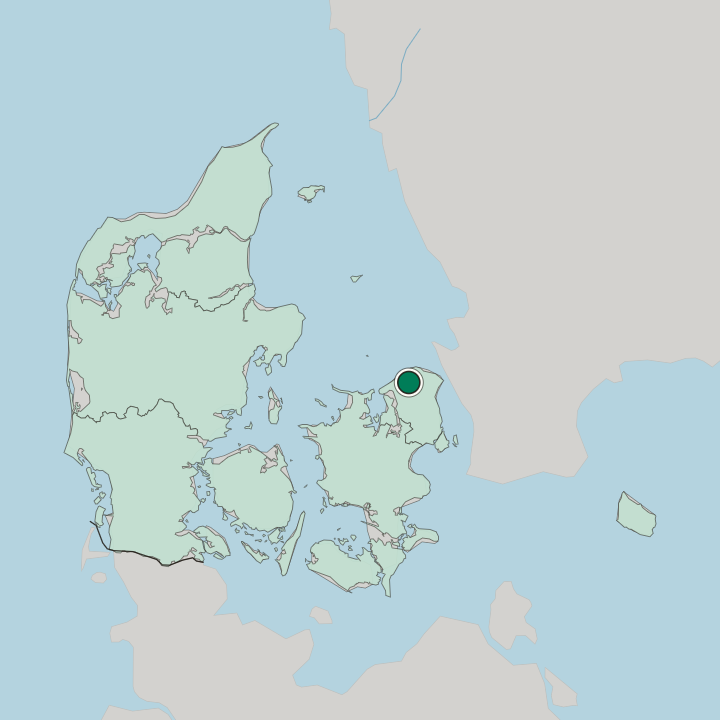
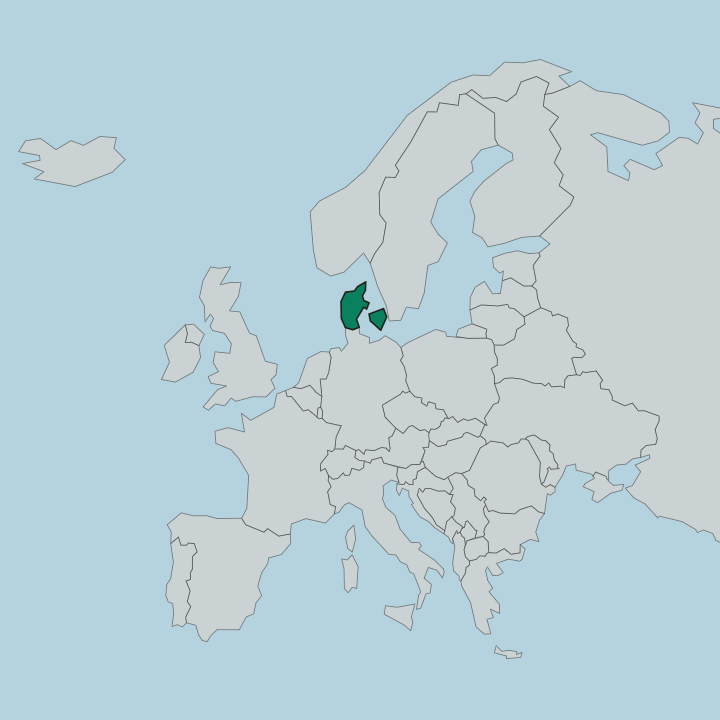
Helsinge is the seat of Gribskov Municipality in eastern Denmark, on the island of Zealand, an inland town in North Zealand.
Hotel links are affiliate links: booking through them may earn us a commission, at no extra cost to you. It never affects how places are ranked. How this works


Where to stay in Helsinge
How the choice of base plays out on the ground.
Most beds in the area sit not in Helsinge itself but along the coast a short way north, where the seaside villages of Tisvildeleje and Rågeleje hold the inns, summer cottages, and guesthouses that fill through the warm months. The town centre of Helsinge suits travellers who want a quiet inland base near the council offices, the station, and the shops, within easy reach of the country churches and the woods. Beds are few in town.
The seaside fills first. Through summer the cottages and small hotels of Tisvildeleje and Rågeleje book up early, drawn by the Kattegat shore and the pinewoods behind it, so reserve well ahead if you want a room near the water. Inland, the farms and hamlets around Esrum Kloster and the edge of Gribskov offer holiday lets and bed-and-breakfast rooms for walkers and cyclists who come for the abbey, the lakes, and the forest.
The inland base is calmest off season.
Find hotels in Helsinge
Direct booking searches for these neighbourhoods.
Helsinge town
shops and offices behind the North Zealand coast, an easy reach from the country churches. Rooms are few around here — worth securing early.Find hotels in Helsinge townsummer beach holidays on the KattegatTisvildeleje and Rågeleje
seaside inns and cottages behind the pinewoods of the Danish Riviera shoreFind hotels in Tisvildeleje and Rågelejewalkers and cyclists at the abbey and forestEsrum and the Gribskov edge
holiday lets among the farms around Esrum Kloster and the woods. Rooms are few around here — worth securing early.Find hotels in Esrum and the Gribskov edgeHotel links are affiliate links: booking through them may earn us a commission, at no extra cost to you. It never affects how places are ranked. How this works
Things to do in Helsinge
Ranked by global recognition; descriptions from Wikidata (CC0).
Museums & Galleries
1- Esrum Kloster & Møllegård
Churches & Religious Sites
3- Esrum Abbey Heritage
- Tibirke Church church building in Gribskov Municipality
- Vejby Church
Castles & Historic Sites
1- Tibirkevejen Heritage archaeological site in Gribskov Municipality
Landmarks & Notable Places
3- Rågegården Heritage house in Rågeleje
- Villa Vendle Heritage house in Tisvildeleje
- Byholm
worth knowingacross 4 categories in Helsinge
About Helsinge
What is Helsinge known for?
Helsinge serves as the administrative seat of Gribskov Municipality. It is best known as the market and service town behind the North Zealand coast, the place where shops, the council, and the railway gather for the farms and the seaside villages of Tisvildeleje and Rågeleje a little to the north. Esrum Kloster lies near.
The medieval abbey, the ruined Søborg Slot, and the old village churches of the parish give the country around the town a long and well-marked past. It anchors the inland part of the municipality.
What are the main landmarks in Helsinge?
Esrum Kloster is the great monument of the district, a Cistercian abbey by the lakes whose surviving wing recalls the religious house dissolved in 1536. Søborg Slot lies in ruin nearby. The royal castle once stood guard over a vanished lake, and its earthworks still mark the low ground east of the town.
Among the parishes stand the medieval churches of Ramløse Kirke, Tibirke Kirke, and Vejby Kirke, while the Sandflugtsmonumentet ved Tisvilde records the great sand drift that once buried the coastal fields. The country here is dense with the old.
What is the history of Helsinge?
The story of this corner of Zealand is older than the town. Long before Helsinge grew into a market centre, the land around it belonged to the church and the crown, and Esrum Kloster, founded as a Cistercian house in the twelfth century, held wide estates across North Zealand until the abbey was dissolved in 1536 and its lands passed to the king. Royal power left its mark.
Søborg Slot rose on a low rise above a now-drained lake, a stronghold and at times a royal prison, and its ruin still tells of the medieval reach of the crown across the district. Helsinge itself stayed a village church town for centuries. The medieval churches of Ramløse Kirke, Tibirke Kirke, and Vejby Kirke mark the scattered parishes that worked the inland farms while the coast drifted with sand, a calamity the Sandflugtsmonumentet ved Tisvilde was raised to commemorate.
Growth came with the railway. When the line reached inland North Zealand, Helsinge gathered the shops, the trade, and the administration of the surrounding country, and in time it became the seat of Gribskov Municipality, the inland town that serves the seaside villages and farms of the region.
Where is Helsinge?
Helsinge sits inland in North Zealand, in eastern Denmark, on the island of Zealand, a few kilometres back from the Kattegat shore. Around the town spread farmland and low rises, with the great forest of Gribskov to the south-east and the seaside villages of Tisvildeleje and Rågeleje strung along the coast to the north. The land tilts to the sea.
Roads run north to the beaches, south toward the lakes and the woods, and on toward the wider Capital Region of Denmark of which the municipality forms the north-western part.
What is the climate of Helsinge?
Helsinge has a mild coastal climate tempered by the nearby Kattegat. Winters are grey and damp, with raw wind off the sea and only light snow over the inland farms, while the short days keep the country around the town cool and quiet through the darkest weeks. Summers draw the crowds north.
The warmer months bring long light and gentle warmth to the coast at Tisvildeleje, when the seaside fills and the inland woods of Gribskov turn green. Showers reach the town in every season.
How do you get to Helsinge?
Helsinge sits on the local railway of North Zealand. The line links the town inland to the larger centres of the Capital Region of Denmark and on toward the coast, the simplest way in for those without a car. Drivers come on the country roads that cross the island of Zealand, turning off toward the seaside villages of Tisvildeleje and Rågeleje or south past the edge of Gribskov.
Buses serve the farms and hamlets around the town.
Common questions
What is the best area to stay in Helsinge?
Helsinge town: quiet inland stays near the council and station. Tisvildeleje and Rågeleje: summer beach holidays on the Kattegat. Esrum and the Gribskov edge: walkers and cyclists at the abbey and forest.
Good for
More cities in Region Hovedstaden
Updated October 2026