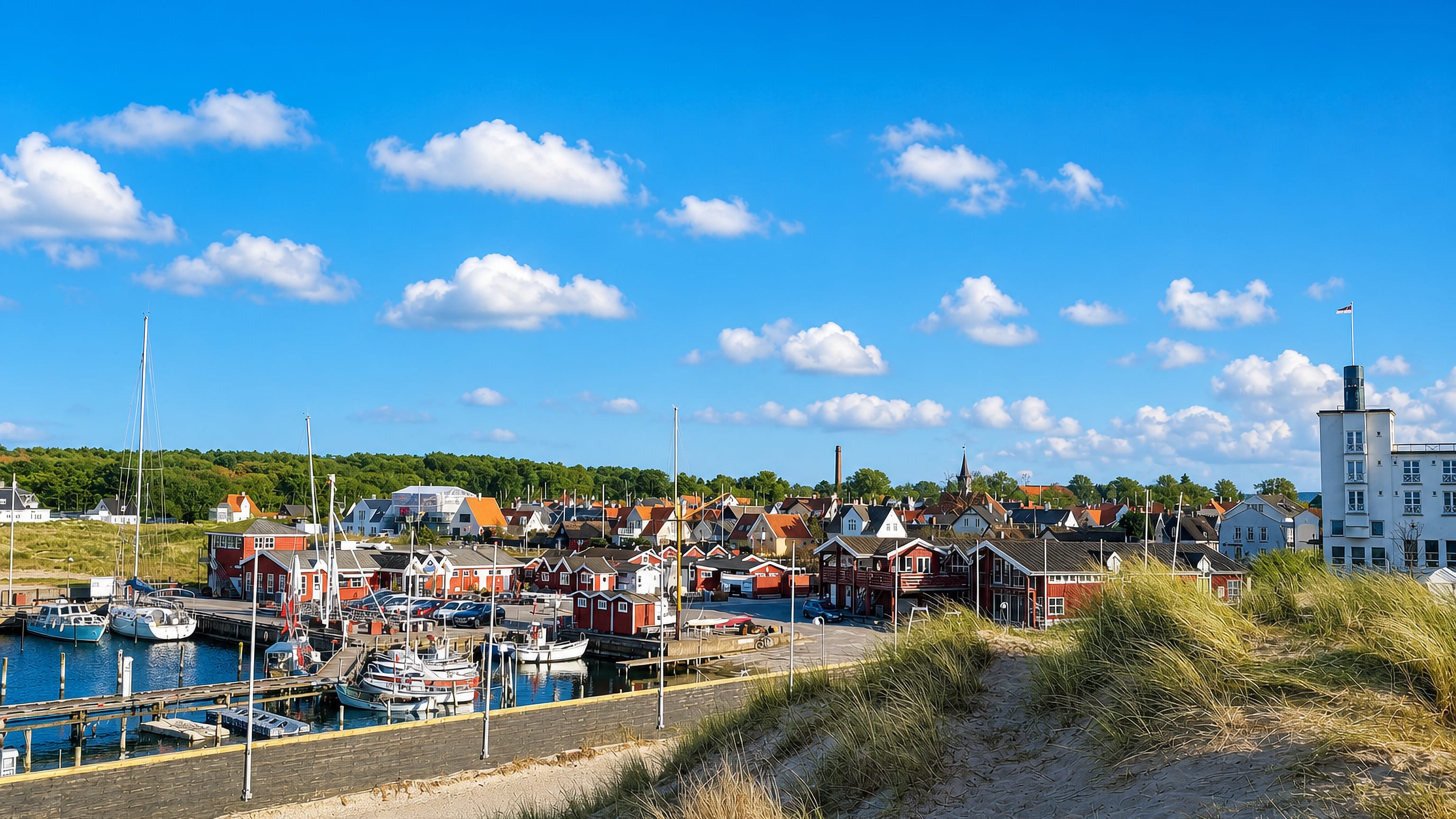
Denmark · Region Hovedstaden
Where to Stay in Hornbæk, Region Hovedstaden
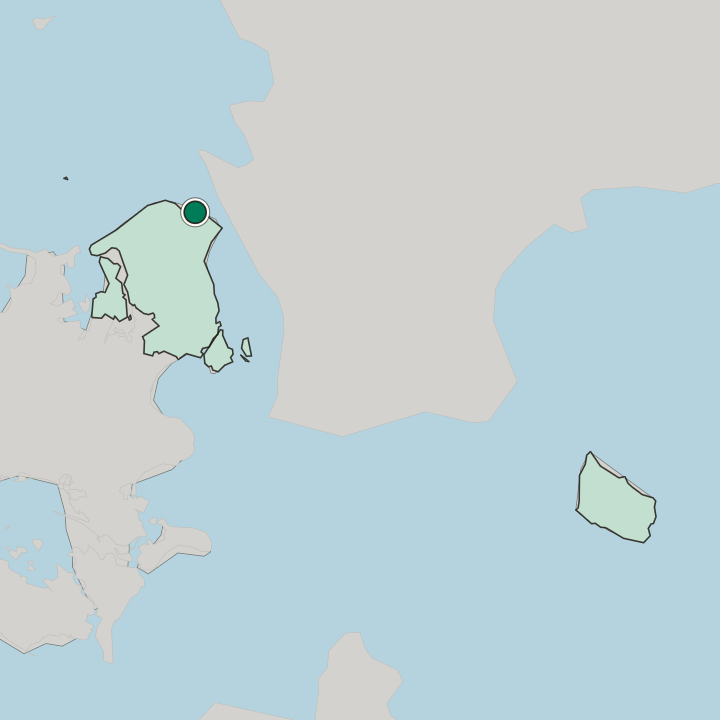
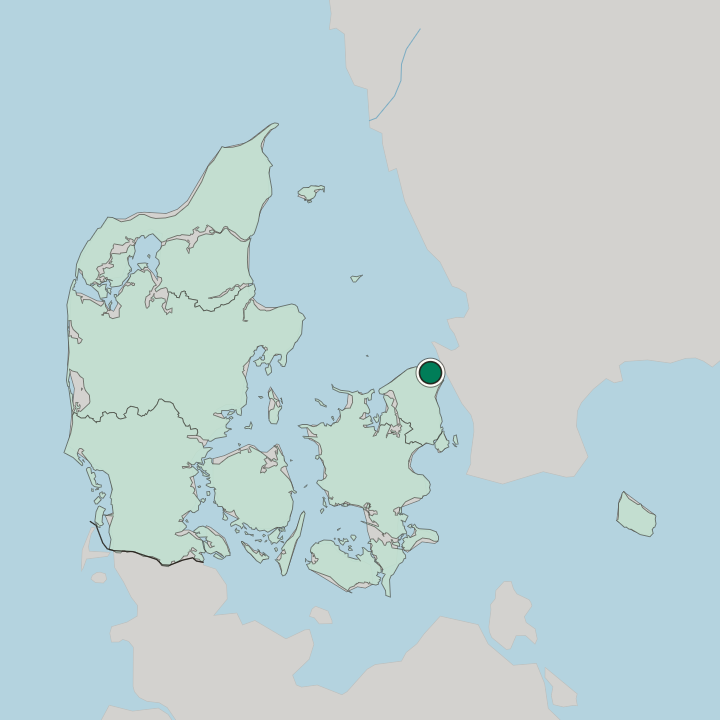
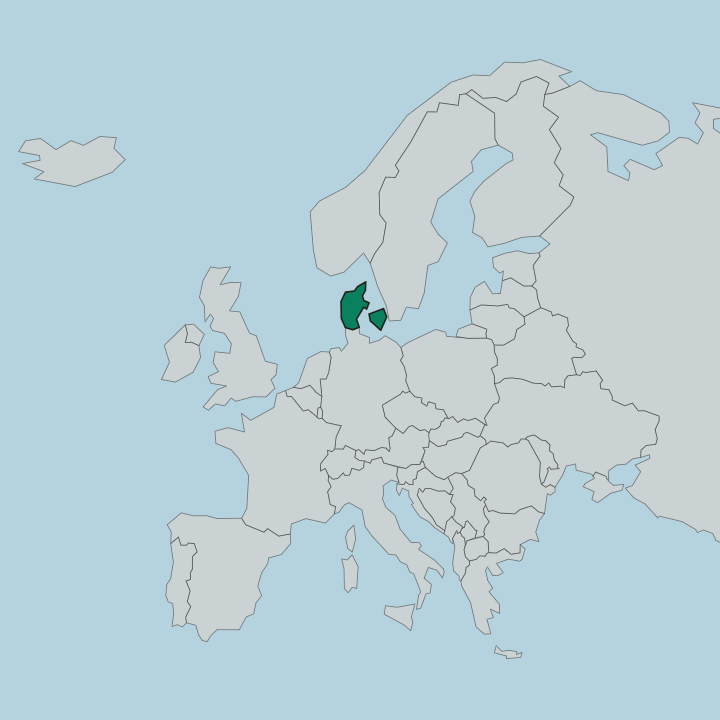
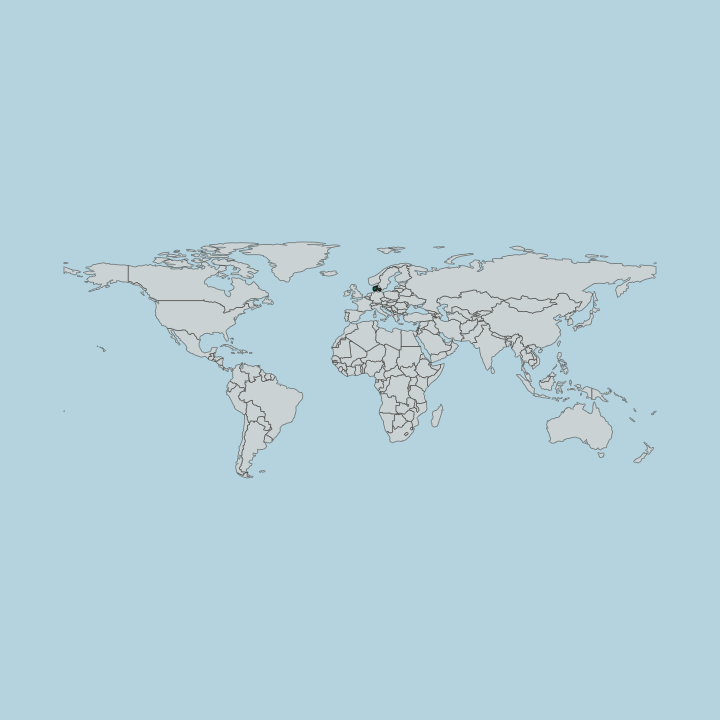
Hornbæk is a town in Helsingør Municipality in eastern Denmark, on the island of Zealand, in the north-east near the castle town of Helsingør.
Hotel links are affiliate links: booking through them may earn us a commission, at no extra cost to you. It never affects how places are ranked. How this works


Where to stay in Hornbæk
The practical side of choosing where to sleep.
Hornbæk makes a quiet base in the north-east of Zealand, with small hotels, inns, and holiday lets in and around the town that suit travellers who want a calm spot within easy reach of Helsingør and its sights. From here the great castle of Kronborg, the maritime halls of M/S Museet for Søfart, and the old waterfront at Kulturhavn Kronborg lie a short drive to the south-east, so many visitors sleep here and spend their days in the castle town. Beds are limited in town.
Summer presses hardest. Holiday cottages and guesthouses around Hornbæk fill through the warm months when walkers and day-trippers come for the forests of Teglstrup Hegn and Gurre Vang and the museums of the coast, so book ahead in the season. Toward Helsingør itself there are larger hotels near the harbour and the old streets around Sankt Vincent kirke and Skibsklarerergaarden, a fuller choice of rooms for those who want the town at the door.
The off-season town runs slow and still.
Find hotels in Hornbæk
Direct booking searches for these neighbourhoods.
Hornbæk town
inns and holiday lets within reach of Teglstrup Hegn and the museums at Helsingør. Beds are limited here, so book early.Find hotels in Hornbæk towna fuller choice of rooms by the sightsToward Helsingør harbour
hotels near Kronborg, Kulturhavn Kronborg, and the old streets by Sankt Vincent kirkeFind hotels in Toward Helsingør harbourwalkers among the old forest and ruinsThe Gurre woods
cottages inland by Gurre Vang and the ruin of Gurre Slot. Lodging is scarce in this area; reserve in advance.Find hotels in The Gurre woodsHotel links are affiliate links: booking through them may earn us a commission, at no extra cost to you. It never affects how places are ranked. How this works
Things to do in Hornbæk
Ranked by global recognition; descriptions from Wikidata (CC0).
Museums & Galleries
4- Skibsklarerergaarden historic house museum
- Kulturhavn Kronborg area in Helsingør
- Flynderupgård Museet
- Helsingør Værftsmuseum Danish industry museum
Churches & Religious Sites
3- Sankt Mariæ Kirke og Vor Frue Kloster Heritage house of Carmelite friars
- Gurre Church church building in Helsingør Municipality
- St. Vincent's Church
Castles & Historic Sites
1- Kronborg Castle UNESCO castle in Helsingør
Landmarks & Notable Places
3- Helsingør City Museum Heritage
- Rytterhuset Heritage Danish historic house
- Belvedere Heritage
worth knowingacross 4 categories in Hornbæk
About Hornbæk
Hornbæk lies in the north-eastern corner of Zealand.
What is Hornbæk known for?
It is best known for its setting near Helsingør, the castle town a short way to the south-east whose great fortress Kronborg, the maritime halls of M/S Museet for Søfart, and the old waterfront draw visitors from across the island. The woods lie close at hand. Tegners Museum og Statuepark stands on the heath to the west, while the old forest tracts of Teglstrup Hegn and Gurre Vang spread inland behind the town.
It anchors the quieter end of the municipality.
What are the main landmarks in Hornbæk?
Kronborg is the great sight of this corner of Zealand, the Renaissance fortress at Helsingør that guards the narrow sea and stands as the Elsinore of the stage. M/S Museet for Søfart sits below its walls in a dry dock, while Kulturhavn Kronborg gathers the old shipyard quarter beside it. In Helsingør the medieval Sankt Vincent kirke, the priory of Sankt Mariæ Kirke og Vor Frue Kloster, the merchant house of Skibsklarerergaarden, and the Helsingør Bymuseum keep the town's long story.
Inland the past runs deeper still. The ruin of Gurre Slot, the country church of Gurre Kirke, and the sculpture grounds of Tegners Museum og Statuepark lie among the woods west and south of the town.
What is the history of Hornbæk?
History in this corner of Zealand turns on the narrow sea and the crown. The kings of Denmark held the coast nearby for centuries, and at Helsingør they raised Kronborg to command the strait and levy the sound dues on every ship that passed, a power that made the castle town rich while villages like Hornbæk worked the land and the inshore water behind it. Royal hunts filled the woods.
Gurre Slot, now a ruin among the trees, was a favoured royal seat in the Middle Ages, and the old church of Gurre Kirke and the forest tracts of Teglstrup Hegn and Gurre Vang still carry the memory of that medieval country. Hornbæk itself stayed small for a long time. The town grew up at the quiet end of the parish behind Helsingør, while the larger town built its priory at Sankt Mariæ Kirke og Vor Frue Kloster and its merchant houses such as Skibsklarerergaarden along the waterfront.
Then came the artists and the visitors. Painters and summer guests found the heath and the woods around the town, the sculptor Rudolph Tegner built Tegners Museum og Statuepark on the open ground to the west, and Hornbæk settled into its place as a quiet town in Helsingør Municipality, in the north-eastern part of the Capital Region of Denmark.
Where is Hornbæk?
Hornbæk sits in the north-eastern part of Zealand, in eastern Denmark, in Helsingør Municipality. Woods and heath spread around the town, with the old forest tracts of Teglstrup Hegn and Gurre Vang inland to the south and the castle town of Helsingør on the narrow sea a short way to the south-east. The land is low and wooded.
Roads run to Helsingør and its harbour, west toward Tegners Museum og Statuepark, and on into the wider Capital Region of Denmark, of which the municipality forms the north-eastern part.
What is the climate of Hornbæk?
Hornbæk has a mild, damp climate. Winters are grey and wet, with raw wind off the narrow sea near Helsingør and little lasting snow over the woods, while the short days keep the forests of Teglstrup Hegn quiet and the holiday cottages around the town shuttered through the cold months. Summers turn green and warm.
The longer days bring walkers and visitors out to the heath and the woods, and the country around Tegners Museum og Statuepark dries and blooms. Whatever the season, showers drift in off the sea near Helsingør.
How do you get to Hornbæk?
Hornbæk sits on the north coast railway of Zealand. The line runs out from Helsingør, the easiest way in for those without a car, ending close to the town. Trains run often out from Helsingør.
Drivers come on the roads that cross Helsingør Municipality, turning off the route between Helsingør and the western towns. From the castle town there are frequent trains and a busy ferry crossing the narrow sea to Sweden, so many visitors reach Hornbæk by way of Helsingør and the wider Capital Region of Denmark.
Common questions
What is the best area to stay in Hornbæk?
Hornbæk town: a quiet base for the forests and the castle town. Toward Helsingør harbour: a fuller choice of rooms by the sights. The Gurre woods: walkers among the old forest and ruins.
Good for
More cities in Region Hovedstaden
Updated October 2026