Denmark · Region Hovedstaden
Where to Stay in Ishøj, Region Hovedstaden
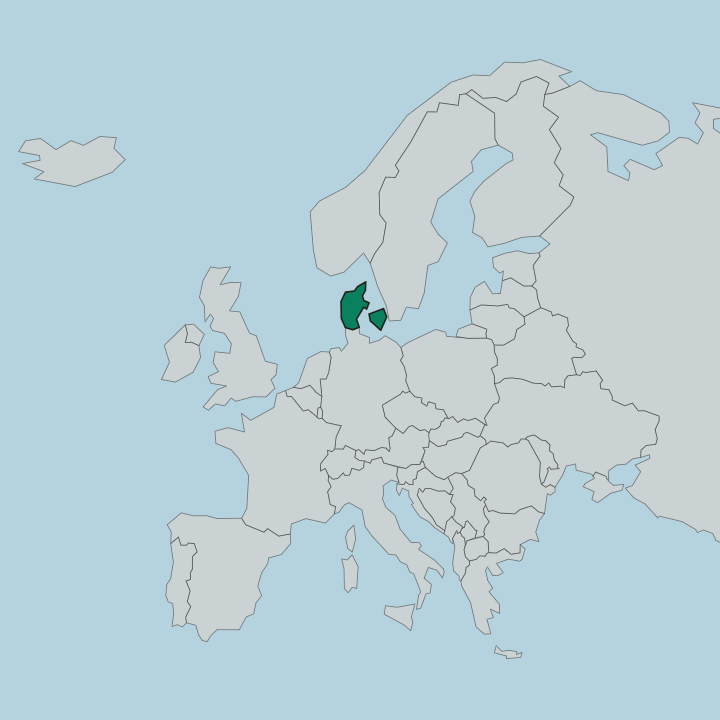
Ishøj is the seat of Ishøj Municipality in eastern Denmark, a town on the Køge Bay coast of Zealand south of Copenhagen.
Hotel links are affiliate links: booking through them may earn us a commission, at no extra cost to you. It never affects how places are ranked. How this works


Where to stay in Ishøj
The practical side of choosing where to sleep.
Most beds in Ishøj gather near the town centre and the station, where residential streets and a handful of hotels and guesthouses sit within reach of the S-train into Copenhagen and a short ride from the old church of Ishøj Kirke. The centre suits visitors who want the capital close and the Køge Bay coast nearer still. Stock is modest.
Down by the shore, the beach park, the marina, and the spit that carries the Arken Museum of Modern Art draw their own visitors through summer, and a scatter of waterside lodging and the trolls of The Six Forgotten Giants pull families to the dunes. Beds book up across the warm weeks. Out across Ishøj Municipality and the neighbouring boroughs, suburban hotels near the motorways catch travellers touring the southern Capital Region by car.
Book your room well before the summer rush. With limited rooms of its own, Ishøj works well as a coastal base for those who split their time between the beach, the art museum, and central Copenhagen by rail.
Find hotels in Ishøj
Direct booking searches for these neighbourhoods.
Ishøj station and centre
guesthouses near Ishøj Kirke and the S-train line. Few places to stay nearby — book ahead.Find hotels in Ishøj station and centrebeachgoers and gallery visitorsKøge Bay shore and Arken
waterside lodging by the marina and the Arken Museum of Modern Art. Beds are limited here, so book early.Find hotels in Køge Bay shore and Arkenfamilies hunting the troll sculpturesThe dunes and the Giants
coastal beds near The Six Forgotten Giants in the beach park. Few places to stay nearby — book ahead.Find hotels in The dunes and the GiantsHotel links are affiliate links: booking through them may earn us a commission, at no extra cost to you. It never affects how places are ranked. How this works
About Ishøj
Art on the shore defines Ishøj.
What is Ishøj known for?
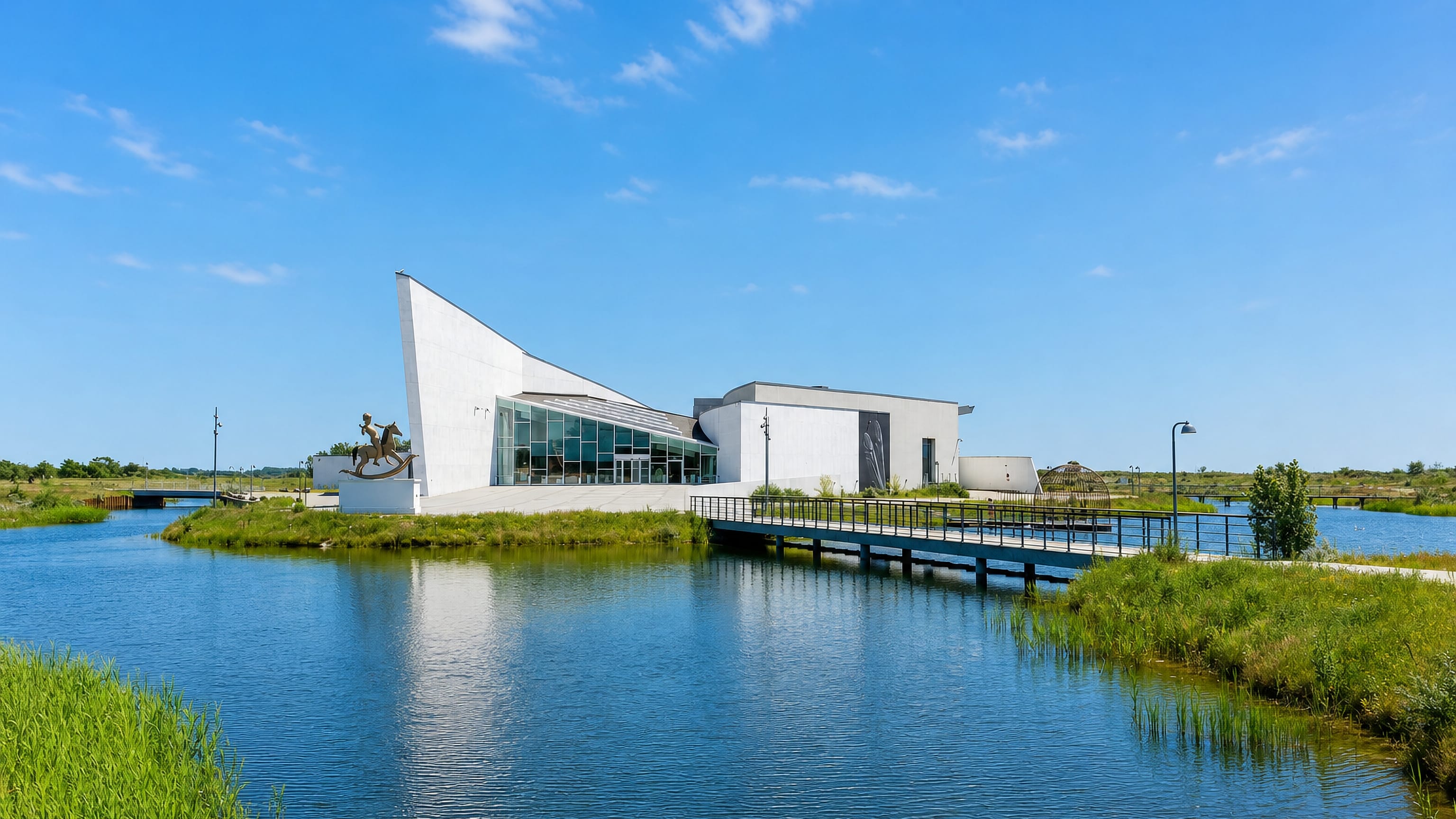
The Arken Museum of Modern Art rises on the spit by the Køge Bay beach, a ship-like building of white concrete whose collection and changing shows draw visitors from across the capital region to this coastal town south of Copenhagen. Along the dunes wait The Six Forgotten Giants, a set of wooden troll sculptures hidden in the landscape. Inland stands the old village around Ishøj Kirke, the medieval parish church at the heart of Ishøj Municipality, with the long beach park and marina pulling crowds to the water through the warm months.
What are the main landmarks in Ishøj?
Arken is the great draw. The Arken Museum of Modern Art stands on the spit by the Køge Bay shore, a sharp white building whose galleries hold one of the country's leading modern collections, while out among the dunes hide the wooden trolls of The Six Forgotten Giants. Inland, the medieval Ishøj Kirke marks the old village at the heart of the town.
Nearby parishes keep their own churches, the coastal Hundige Kirke to the south and Vallensbæk Kirke to the north among them. The long beach park closes the shore.
What is the history of Ishøj?
Ishøj began as a coastal farming village. The parish gathered around Ishøj Kirke, a medieval church on the low land behind the Køge Bay shore south of Copenhagen, where families lived by the fields and the sea through the long centuries before the capital spread south to reach them. The neighbouring parishes of Vallensbæk and Hundige kept their own churches along the same coast.
For generations the bay and the farmland set the rhythm of life. The twentieth century transformed the place. As Copenhagen grew and the rail line ran south along the coast, Ishøj swelled from village into a dense suburban town, drawing families to new housing within reach of the city.
The town became the seat of Ishøj Municipality. The reclaiming of the shore built a long beach park and marina on the bay, and on a man-made spit there rose the Arken Museum of Modern Art, which turned this outer suburb into a destination for art, drawing crowds the old farming parish could never have imagined.
Where is Ishøj?
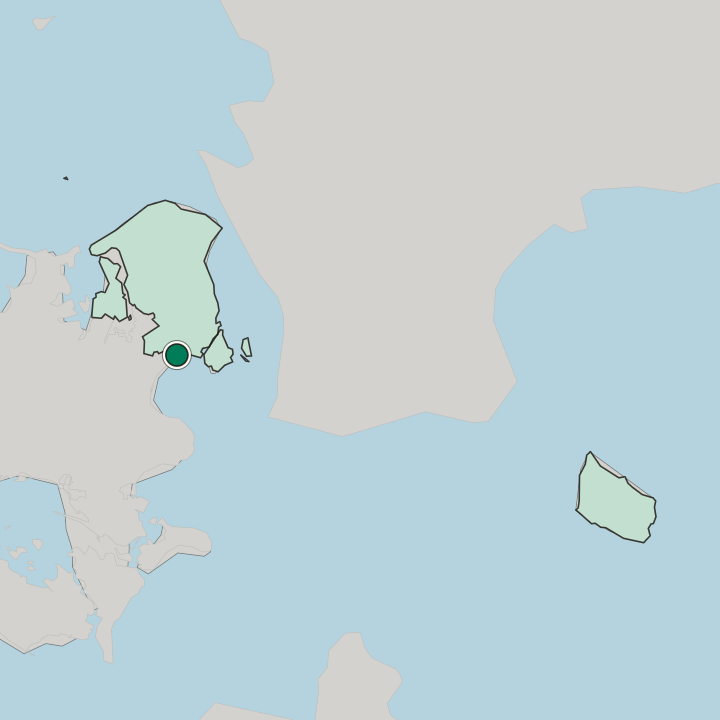
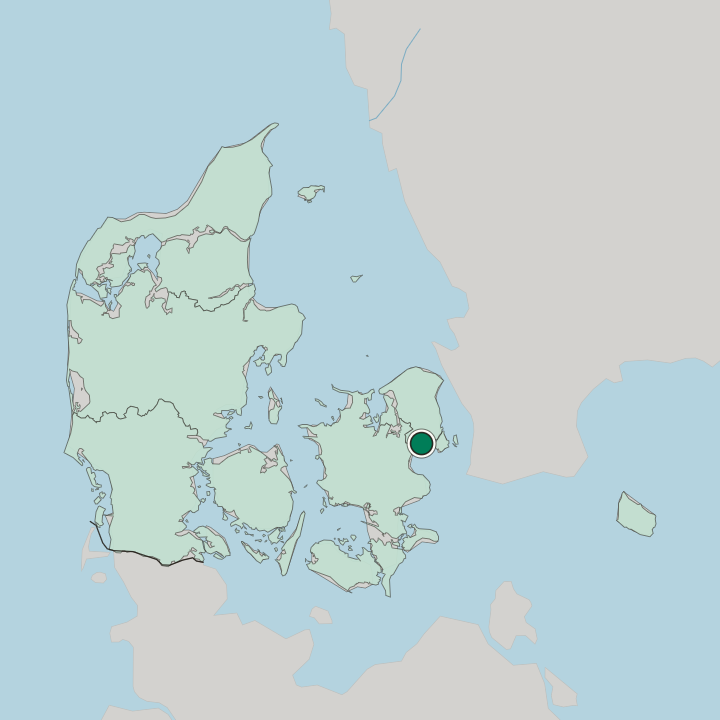
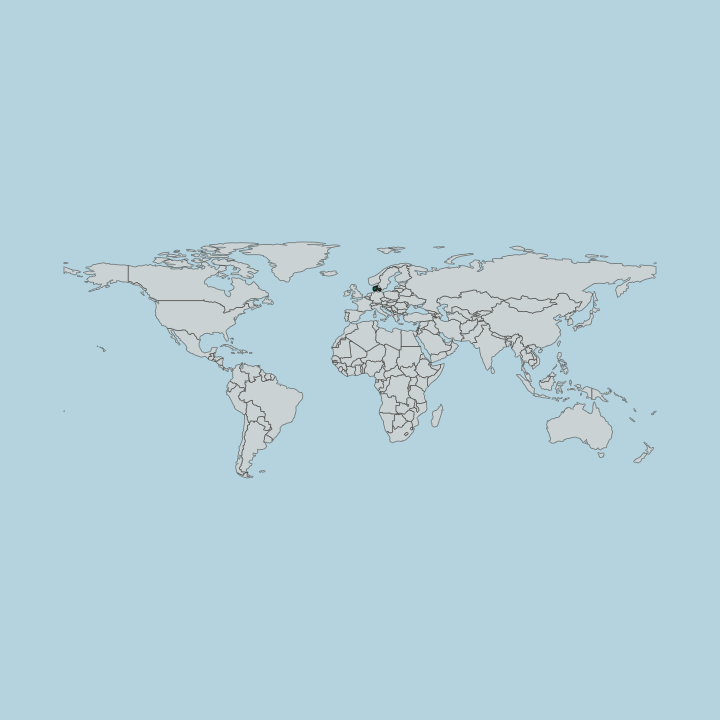
Ishøj lies in eastern Denmark, on the island of Zealand along the Køge Bay coast south of Copenhagen. The land is low and flat here, a coastal plain where reclaimed shore, a long beach park, and a man-made spit carrying the Arken Museum of Modern Art front the open bay. The setting is level and seaward.
Ishøj Municipality runs inland from the water through suburban streets and farmland, with the neighbouring boroughs of Vallensbæk and Greve along the same coast and the heart of greater Copenhagen a short way to the north-east.
What is the climate of Ishøj?
Ishøj has the mild, damp temperate climate of coastal Zealand. Winters are cool and grey rather than severe, with frequent rain and only brief frost and thin snow along the flat shore, far gentler than the deep cold further inland and north. Summers turn warm and luminous.
The open water of Køge Bay tempers the heat and draws crowds to the beach park through the long-lit months, when the northern dusk lingers late over the sea. Wind off the bay reaches the coast all year.
How do you get to Ishøj?
Ishøj sits on the coastal rail line south of Copenhagen, with frequent S-trains carrying commuters and visitors into the capital and out along Køge Bay through the day. Drivers come on the motorway. The road ties the town through Ishøj Municipality to the wider Zealand network and on toward central Copenhagen.
Copenhagen Airport, on the eastern side of the city, is the main gateway for travellers from abroad, linked to the coast by the same rail and road routes that carry the town's daily traffic.
Common questions
What is the best area to stay in Ishøj?
Ishøj station and centre: rail travellers into Copenhagen. Køge Bay shore and Arken: beachgoers and gallery visitors. The dunes and the Giants: families hunting the troll sculptures.
Good for
More cities in Region Hovedstaden
Updated October 2026