Denmark · Region Hovedstaden
Where to Stay in Kongens Lyngby, Region Hovedstaden
Kongens Lyngby is a leafy town north of Copenhagen in Lyngby-Taarbæk, rich in museums, lakes and old country houses.
Hotel links are affiliate links: booking through them may earn us a commission, at no extra cost to you. It never affects how places are ranked. How this works


Where to stay in Kongens Lyngby
How the choice of base plays out on the ground.
Kongens Lyngby works well as a calm, green base on the northern edge of the capital. Stay near the centre around Lyngby Kirke and the station and you sit within reach of the shops, the lakes and a short rail run into central Copenhagen, with a handful of hotels and guesthouses among the residential streets. It suits you if you want quiet, parkland and culture over city bustle.
The town leans leafy and comfortable. Out toward Brede and its wooded river valley, rooms lie close to the Frilandsmuseet and the old Brede Værk among the trees, a peaceful spot for walkers. Beds across Lyngby-Taarbæk are limited and lean upmarket, so they fill in the summer months.
Travellers wanting the fullest choice still base themselves in central Copenhagen, a quick train ride south, and come up to Lyngby for the open-air museum, the lakes and the art at Sophienholm and Ordrupgaard.
Find hotels in Kongens Lyngby
Direct booking searches for these neighbourhoods.
Lyngby centre
rooms by Lyngby Kirke and the station, a short rail run from central Copenhagen. Rooms are few around here — worth securing early.Find hotels in Lyngby centrewoods and open-air museumBrede river valley
quiet stays by the Frilandsmuseet and the old Brede Værk cloth mill in the wooded valley. Beds are limited here, so book early.Find hotels in Brede river valleya fuller city baseCentral Copenhagen
wider hotel choice in the capital, a quick train up to Lyngby's lakes and museumsFind hotels in Central CopenhagenHotel links are affiliate links: booking through them may earn us a commission, at no extra cost to you. It never affects how places are ranked. How this works
Things to do in Kongens Lyngby
Ranked by global recognition; descriptions from Wikidata (CC0).
Museums & Galleries
3- Brede Works Heritage historical industrial complex
- Brede House Heritage
- Frieboeshvile Heritage building in Copenhagen
Churches & Religious Sites
2- Lyngby Church church building in Lyngby-Taarbæk Municipality
- Lundtofte Church
Landmarks & Notable Places
3- Christianelyst Heritage house in Lyngby-Taarbæk Municipality
- Gramlille Heritage
- Gård fra Lønne building in Frilandsmuseet, Copenhagen
worth knowingacross 3 categories in Kongens Lyngby
About Kongens Lyngby
Kongens Lyngby is known for its museums and parkland.
What is Kongens Lyngby known for?
The open-air Frilandsmuseet spreads dozens of relocated farmhouses across the meadows by Brede, where the old Brede Værk cloth mill keeps the area's industrial past in its waterside halls. Greenery runs through the town. The medieval Lyngby Kirke marks the centre, the art house of Sophienholm sits beside a lake, and the country villa of Frieboeshvile and the wooded grounds around them give the town the parkland feel that has long drawn the city north.
What are the main landmarks in Kongens Lyngby?
Few Danish towns hold as many museums as Kongens Lyngby. The Frilandsmuseet gathers historic farmhouses and cottages from across the country on open meadows, while the neighbouring Brede Værk and its Brede Hovedbygning preserve a whole nineteenth-century cloth-mill works in the river valley. Art has a home here too.
Ordrupgaard shows French and Danish painting in a parkside mansion, Sophienholm hangs exhibitions by its lake, and the designer's own Finn Juhls hus stands nearby, while the medieval Lyngby Kirke and the earthwork ramparts of Garderhøj Fort round out the town's older landmarks.
What is the history of Kongens Lyngby?
Kongens Lyngby began as a royal village. Its name marks a crown connection, and for centuries it was a parish church town on the road north of Copenhagen, gathered around the medieval Lyngby Kirke amid woods, lakes and a small mill stream. The river turned wheels.
From the eighteenth century mills lined the valley below the town, and at Brede a cloth works grew into one of the country's larger early industries, its buildings surviving as the Brede Værk and Brede Hovedbygning museums. Wealth followed the water and the woods. Copenhagen families built country villas like Frieboeshvile and Sophienholm in the green hinterland, and when the capital's defences were thrown up in the late nineteenth century, the ring of forts around the city reached out to Garderhøj Fort above the town.
The railway tied the village ever closer to the growing capital, drawing commuters and turning the old church town into a leafy northern suburb. The open meadows by Brede became the Frilandsmuseet, where farm buildings rescued from across Denmark were rebuilt to keep the rural past alive.
Where is Kongens Lyngby?
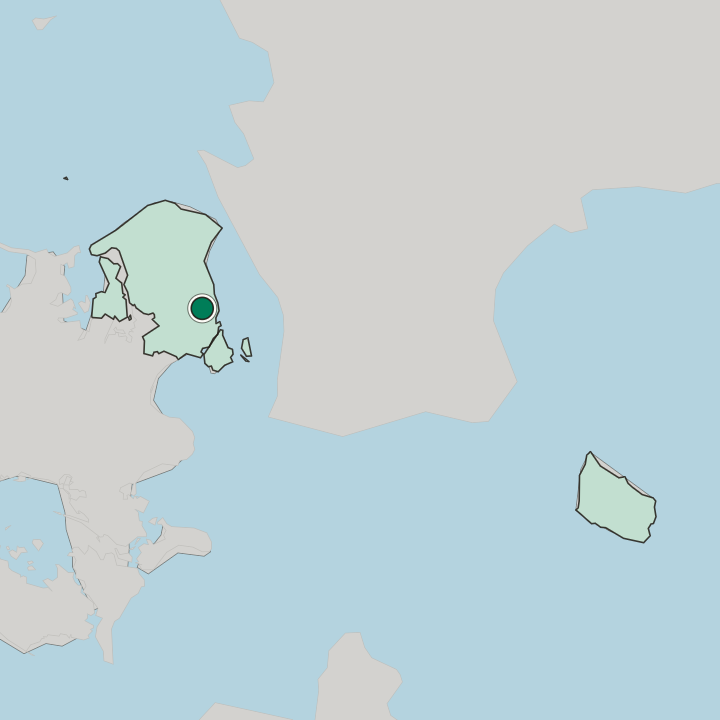
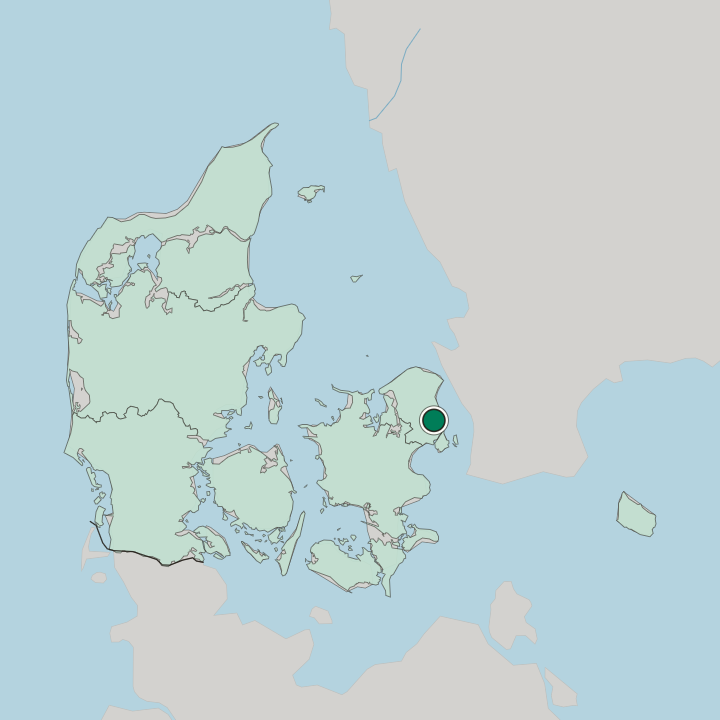
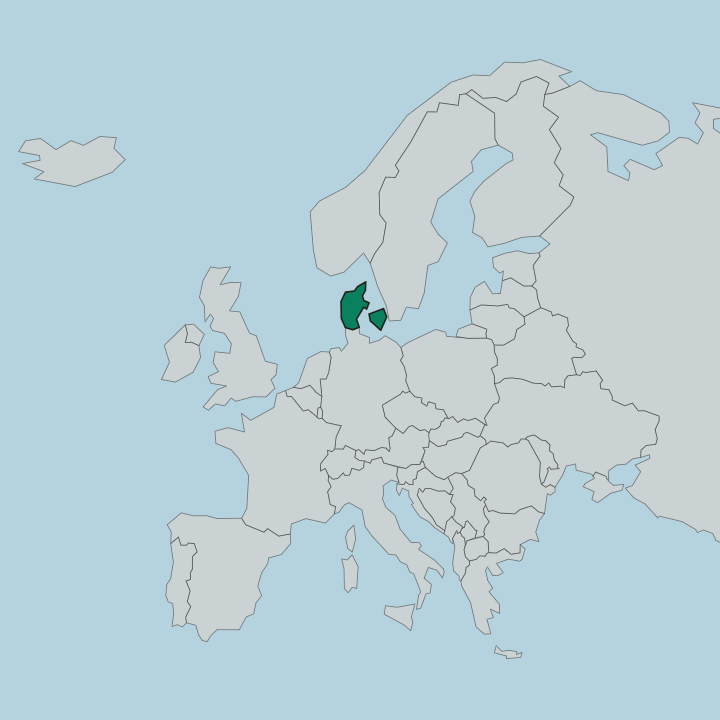
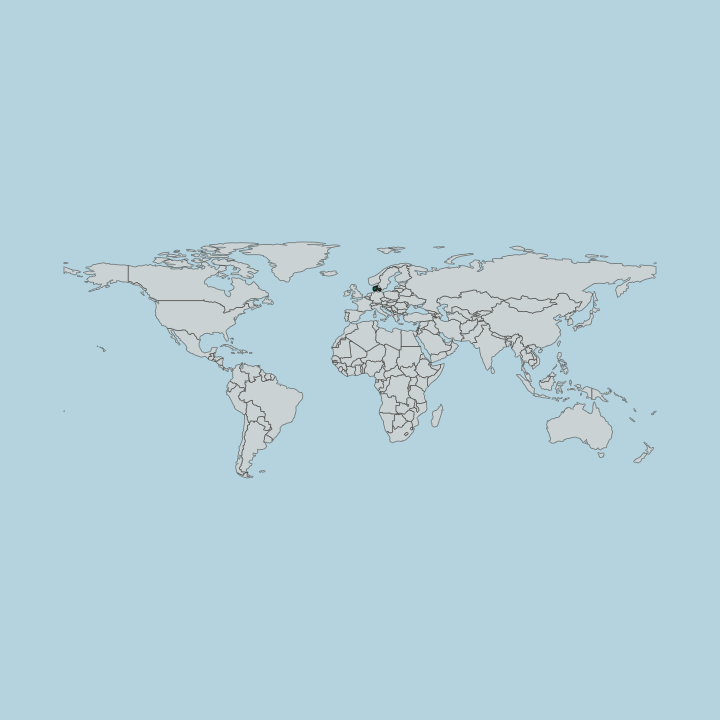
Kongens Lyngby lies in eastern Denmark, on the island of Zealand, in the south-eastern part of the Capital Region just north of Copenhagen. Lakes and woods break up the town. A small mill stream threads west through the valley past Brede toward a chain of lakes, while parkland and old villa grounds spread between the built-up streets and the surrounding suburbs of Lyngby-Taarbæk.
It is some of the greenest country close to the capital.
What is the climate of Kongens Lyngby?
Kongens Lyngby has the mild, damp climate of inland Zealand. Sheltered a little from the open sea, the town runs through grey, wet winters and warm, changeable summers, with the lakes and the river woods at Brede holding morning mist. Rain comes in all seasons.
Spring greens the parkland of Sophienholm and the museum meadows slowly, while long summer evenings draw walkers and boaters out along the lakes before the leaves turn and the autumn rains return to the valley.
How do you get to Kongens Lyngby?
Kongens Lyngby sits on the capital's commuter network. S-trains run frequently from Lyngby station south into central Copenhagen in around twenty minutes, the simplest way in and out. The line does the work.
Drivers reach the town by motorway and the main roads north from Copenhagen, Copenhagen Airport lies a longer ride to the south across the region, and a historic lake steamer still carries summer passengers along the chain of lakes near the town.
Common questions
What is the best area to stay in Kongens Lyngby?
Lyngby centre: shops, lakes and the train. Brede river valley: woods and open-air museum. Central Copenhagen: a fuller city base.
Good for
More cities in Region Hovedstaden
Updated October 2026