Denmark · Region Hovedstaden
Where to Stay in Rønne, Region Hovedstaden
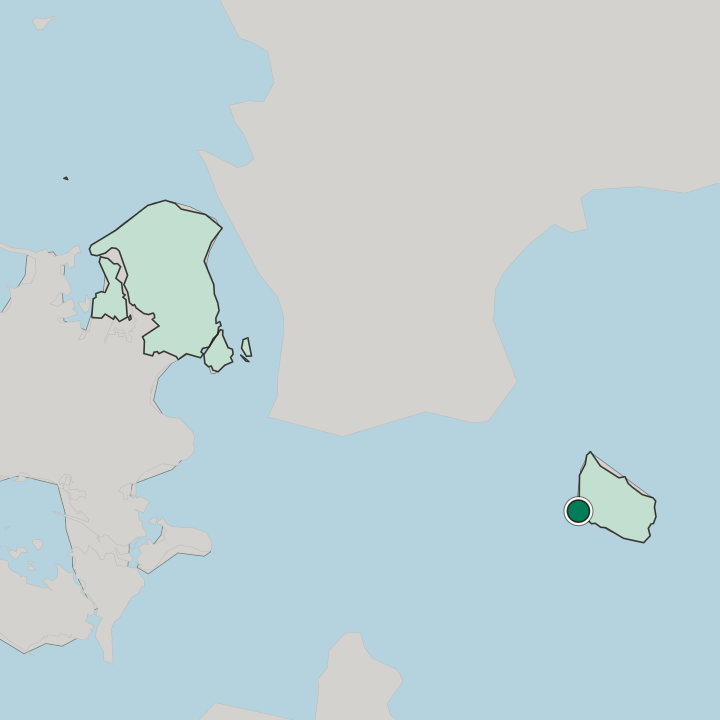
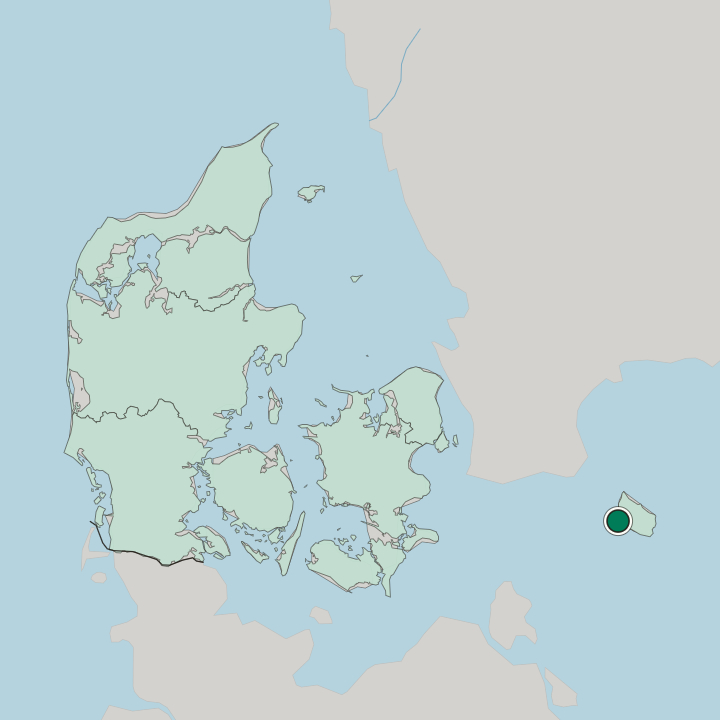
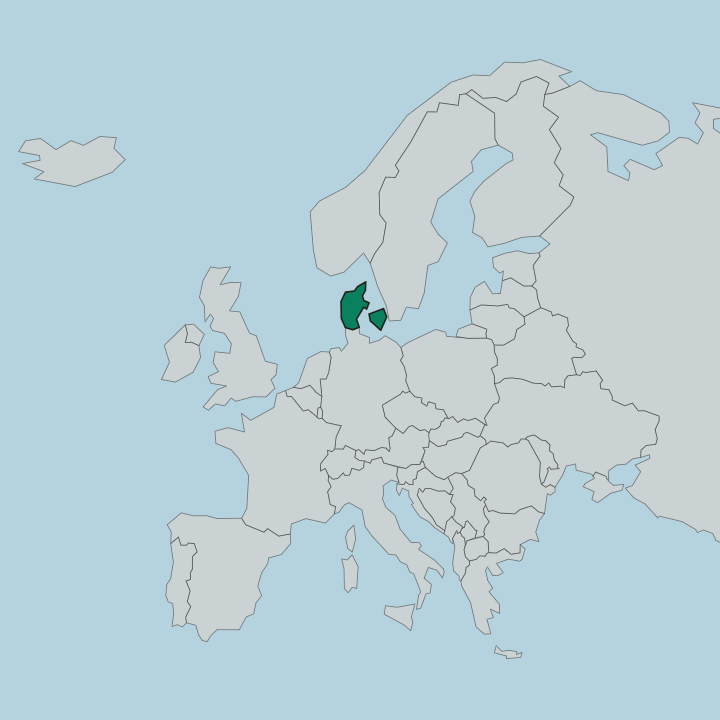
Rønne is the main town and ferry port of Bornholm, a granite island set out in the Baltic Sea east of the Danish mainland.
Hotel links are affiliate links: booking through them may earn us a commission, at no extra cost to you. It never affects how places are ranked. How this works


Where to stay in Rønne
Where visitors usually base themselves, and why.
Rønne carries most of Bornholm's beds, and it makes the natural first base on the island. Stay in the old town and you wake among the cobbled lanes of half-timbered houses between the harbour and Sankt Nicolai Kirke, with the ferry quay, restaurants and Bornholms Museum within a short walk. It suits you if arrival, ferries and an easy island start matter most.
The harbour quarter is busiest. Around the ferry terminal and along the waterfront, larger hotels and apartments catch travellers arriving or leaving by sea, handy for early sailings. Beds fill fast in the summer island season.
Quieter rooms lie back among the residential streets toward Sankt Knuds Kirke and the old Kastellet that now holds Bornholms Forsvarsmuseum. Many visitors use Rønne only for a night or two, then move on around Bornholm to the smoke-house villages and the cliffs of the north coast, returning to the port for the sailing home.
Find hotels in Rønne
Direct booking searches for these neighbourhoods.
Old town
half-timbered streets between the harbour and Sankt Nicolai Kirke, steps from the museumsFind hotels in Old townearly sailingsHarbour and ferry quarter
larger hotels along the waterfront beside the Bornholm ferry terminalFind hotels in Harbour and ferry quartera quieter nightInland streets toward Kastellet
residential lanes near Sankt Knuds Kirke and the old Kastellet defence museumFind hotels in Inland streets toward KastelletHotel links are affiliate links: booking through them may earn us a commission, at no extra cost to you. It never affects how places are ranked. How this works
Things to do in Rønne
Ranked by global recognition; descriptions from Wikidata (CC0).
Museums & Galleries
2- Erichsens Gård Heritage museum in Bornholm
- Bornholms Forsvarsmuseum
Churches & Religious Sites
3- St Nicolas' Church church in Bornholm
- St Canute's Church church building in Bornholm Regional Municipality
- Rønne Baptistkirke church building in Bornholm regional municipality
Landmarks & Notable Places
1- Karnaphuset Heritage house in Bornholm regional municipality
worth knowingacross 3 categories in Rønne
About Rønne
Rønne is where Bornholm begins.
What is Rønne known for?
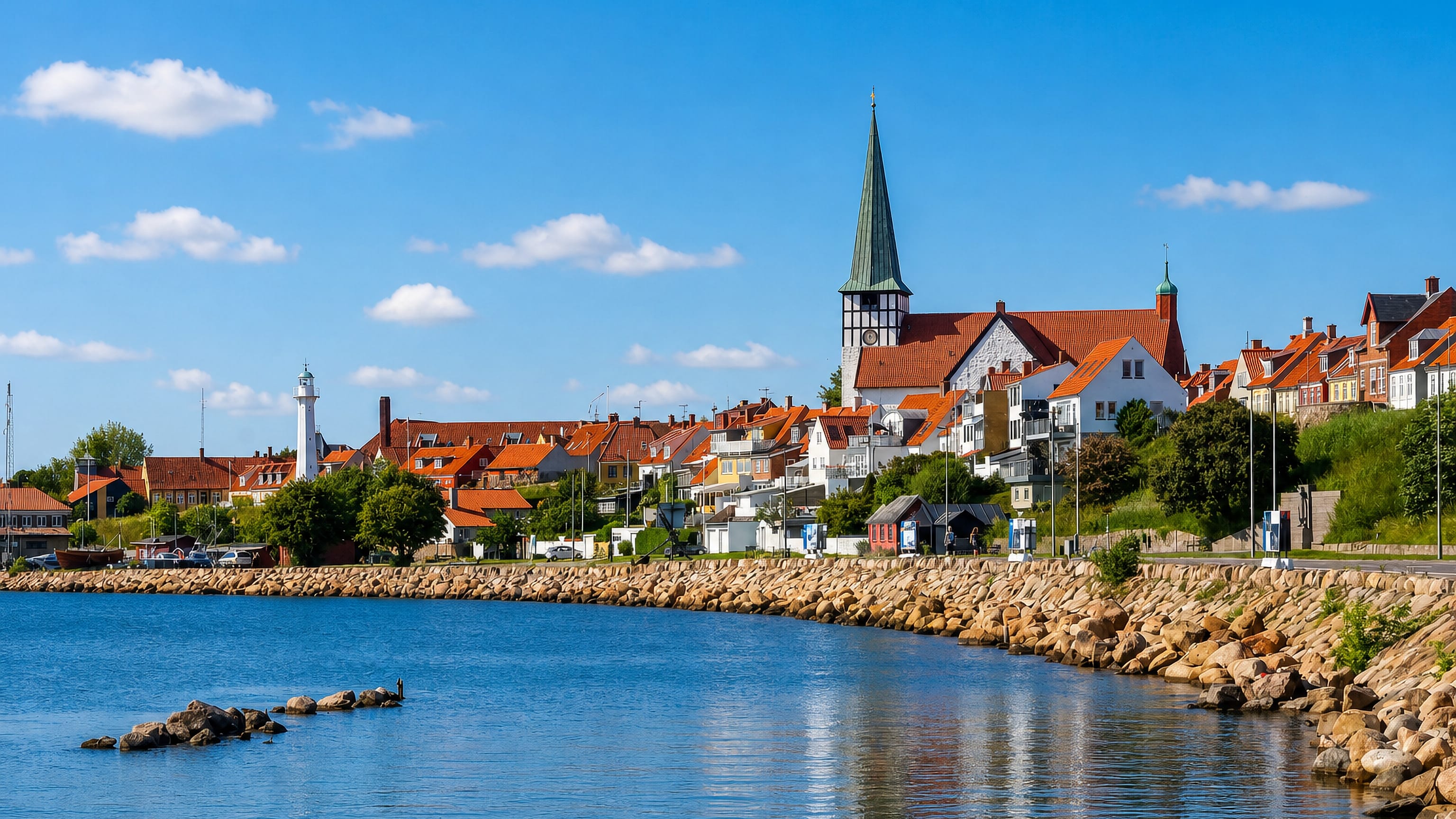
Ferries from the mainland and from Sweden dock at its harbour, and most visits to the island start on its cobbled streets of yellow and rose half-timbered houses. The old town wears its colour boldly. Behind the quays sit the octagonal Sankt Nicolai Kirke, the merchant rooms of Erichsens Gård, and the carved corner-window front of the heritage-listed Karnaphuset.
Bornholms Museum gathers the island's past a few steps inland.
What are the main landmarks in Rønne?
Rønne's landmarks crowd a small, walkable centre. The octagonal Sankt Nicolai Kirke watches over the harbour, while Bornholms Museum tells the island's long story and the heritage-listed merchant home of Erichsens Gård keeps a furnished town garden behind its walls. Karnaphuset shows off its carved corner window.
Down on the southern shore the old citadel of Kastellet, now Bornholms Forsvarsmuseum, guards the coast, the medieval Sankt Knuds Kirke stands inland, and the ancient Printzenskjold-stenene mark a memorial to the island's defence of itself centuries ago.
What is the history of Rønne?
Rønne was established in 1327. The town grew on the westernmost point of Bornholm, where ships could land facing the Danish mainland across the Baltic Sea, and a market settlement gathered behind a small natural harbour on the granite coast. Fishing and trade made it.
Through the centuries Rønne lived from herring, shipping and the island's stone and clay, and its merchant families raised the half-timbered houses that still line the old streets. Bornholm changed hands more than once, held for a time by Lübeck and later by Sweden, before the islanders rose and returned themselves to the Danish crown, a defiance remembered in monuments like the Printzenskjold-stenene. War marked the town again at the very end of the Second World War, when Soviet bombing of the German garrison destroyed much of central Rønne, and the rebuilt streets mix old survivors with post-war work.
The harbour still sets the town's clock, sending ferries out across the Baltic and drawing visitors onto the island.
Where is Rønne?
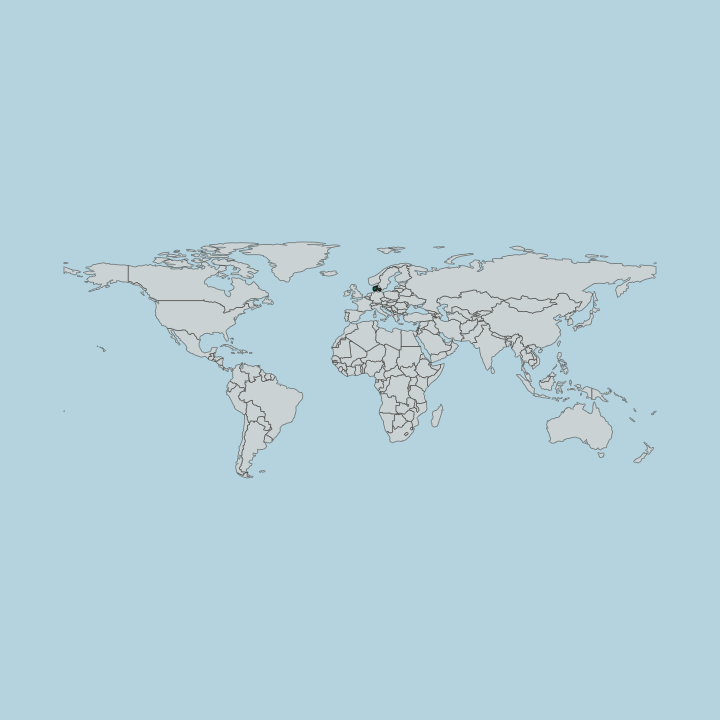
Rønne sits in the Baltic Sea, on the island of Bornholm, at the island's western tip facing the open water toward the Danish mainland and the Swedish coast. The town spreads back from its harbour over low granite ground. Rønne Parish runs as a narrow strip along the west of Bornholm, with farmland and forest rising eastward toward the island's rocky interior, and the long beaches of the south coast begin not far below the town.
Rock defines it. The whole island is a slab of ancient granite in the sea.
What is the climate of Rønne?
The Baltic Sea rules Rønne's weather. Surrounded by water on its granite headland, the town keeps a mild maritime climate, milder and sunnier than much of Denmark, which has long given Bornholm its reputation as a summer island. Sunshine hours run high here.
Winters stay grey and windy off the sea rather than bitterly cold, summers are warm enough to fill the south-coast beaches, and the open Baltic horizon means storms can sweep in hard against the harbour in the darker months.
How do you get to Rønne?
Most travellers reach Rønne by sea. Fast ferries cross from the Swedish port of Ystad and from Køge near Copenhagen to the harbour, and longer routes link Bornholm to Germany and Poland across the Baltic Sea. The crossing is the journey.
Rønne Airport on the edge of town adds quick flights from Copenhagen for those skipping the ferry, and from the port itself island buses and rental bikes fan out to the rest of Bornholm.
Common questions
What is the best area to stay in Rønne?
Old town: ferries and cobbled lanes. Harbour and ferry quarter: early sailings. Inland streets toward Kastellet: a quieter night.
Good for
More cities in Region Hovedstaden
Updated October 2026