Denmark · Region Sjælland
Where to Stay in Greve, Region Sjælland
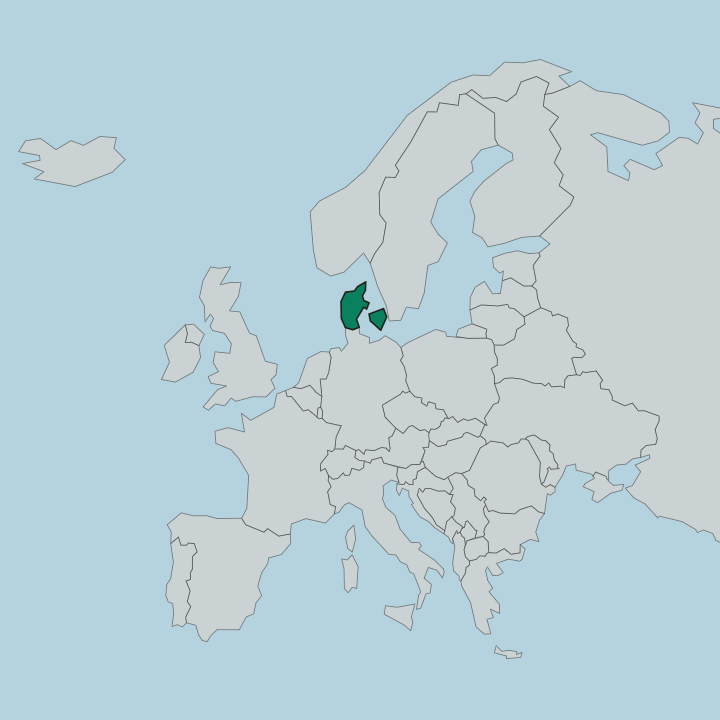
Greve is a coastal commuter town in eastern Denmark, on the island of Zealand south-west of the capital.
Hotel links are affiliate links: booking through them may earn us a commission, at no extra cost to you. It never affects how places are ranked. How this works


Where to stay in Greve
Where the beds are, and what that means for the visit.
Greve spreads in a long ribbon along the shore, so where you stay depends on what you came for. The old heart at Greve Landsby, gathered around Johanneskirken and the Greve Museum, keeps the village feel and the easiest reach into town. It is quiet and green.
Families and beach-goers lean toward the seaward strip, where the sand and the bathing water sit a short walk from the residential roads. Inland, the older parish villages of Karlslunde and Kildebrønde anchor the municipality's western reaches, each marked by its medieval church, Karlslunde Kirke and Kildebrønde Kirke. They make a calmer, more rural base for drivers.
Greve works above all as a low-key place to sleep within commuting reach of the capital, so most travellers pick it for the train and the beach rather than the nightlife. Book ahead in the warm months when the coast draws day crowds.
Find hotels in Greve
Direct booking searches for these neighbourhoods.
Greve Landsby
Historic core at Greve Landsby with Johanneskirken and the Greve Museum, quietest reach into townFind hotels in Greve LandsbyRural parish stay by Karlslunde KirkeKarlslunde
Western parish village around the medieval Karlslunde Kirke, a calmer base for driversFind hotels in KarlslundeQuiet inland stay near Kildebrønde KirkeKildebrønde
Inland parish hamlet marked by Kildebrønde Kirke, rural and away from the beach crowdsFind hotels in KildebrøndeHotel links are affiliate links: booking through them may earn us a commission, at no extra cost to you. It never affects how places are ranked. How this works
About Greve
What is Greve known for?
Greve grew from a farming parish into a broad coastal suburb. The old core survives as Greve Landsby, the historic village where Johanneskirken still stands, and the Greve Museum gathers the story of the land before the houses spread. It is a place of beaches and quiet residential streets rather than grand sights.
What are the main landmarks in Greve?
Greve's set pieces are its old parish churches. Johanneskirken stands in the historic village, while Karlslunde Kirke and Kildebrønde Kirke serve the inland parishes that the modern town grew to enclose. Local history sits at the Greve Museum, which keeps the record of the farming district that the suburb replaced.
What is the history of Greve?
Greve was farmland long before it was a town. For centuries it was a scatter of parish villages on the Zealand coast, Greve Landsby among them, each grouped around a medieval stone church such as Johanneskirken or the inland Kildebrønde Kirke. It fed the capital's market.
Little else changed for generations. The railway and the motorway changed the balance. As the capital's commuter belt pushed south-west along the shore, the old parishes of Greve, Karlslunde and Kildebrønde were knitted into one spreading municipality, and the fields between the villages filled with housing within a few short decades.
The Greve Museum keeps that turn from farmland to suburb, while the churches at Karlslunde Kirke and Johanneskirken still mark where the original villages stood.
Where is Greve?
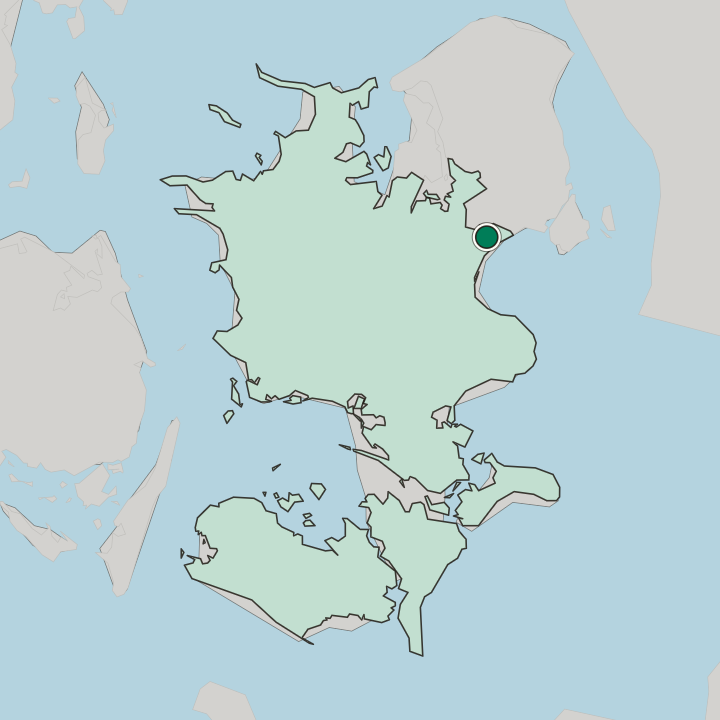
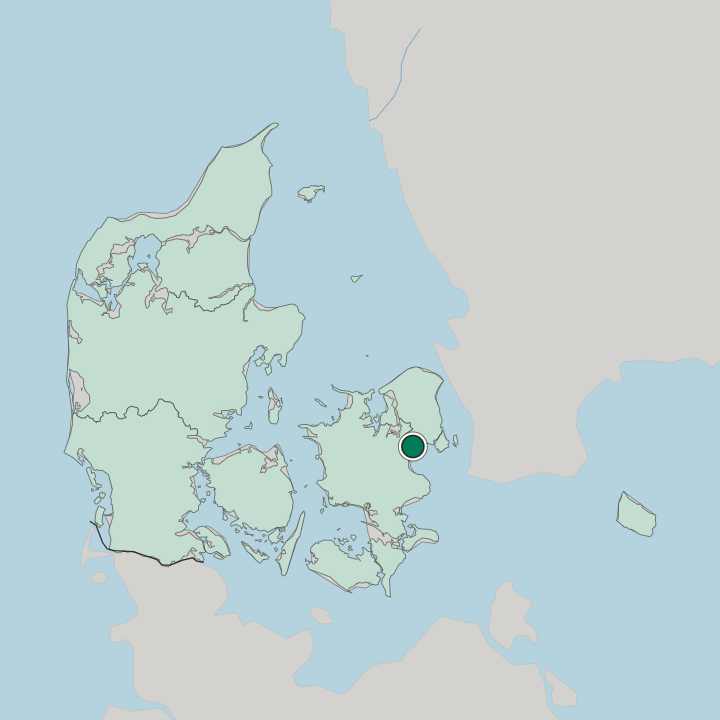
The land here is low and flat. Greve runs along the coast in the north-eastern part of Region Zealand, on the island of Zealand, a wide band of housing stretched between the open shore and the farmed fields inland. Behind the beach sit the parishes.
The older villages of Karlslunde and Kildebrønde mark the rural edge of the municipality.
What is the climate of Greve?
The coast keeps Greve mild. Sitting on the open shore of Zealand, the town has a temperate maritime climate, with damp grey winters that rarely turn bitter and cool, changeable summers that bring beach weather in fits and starts. A breeze runs in off the Zealand shore.
The seaward edge feels it most.
How do you get to Greve?
Greve sits on the suburban rail line that runs south-west from the capital along the Zealand coast, with frequent trains making it an easy commute. The motorway runs parallel for drivers. Stations are spread along the town, so the nearest stop depends on whether you are heading for Greve Landsby, the beach or the inland parishes.
Common questions
What is the best area to stay in Greve?
Greve Landsby: Old-village base around Johanneskirken and the Greve Museum. Karlslunde: Rural parish stay by Karlslunde Kirke. Kildebrønde: Quiet inland stay near Kildebrønde Kirke.
Good for
More cities in Region Sjælland
Updated September 2026