Denmark · Region Sjælland
Where to Stay in Maribo, Region Sjælland
Maribo is a town in southern Denmark, on the island of Lolland, the cathedral town of Lolland Municipality in Region Zealand.
Hotel links are affiliate links: booking through them may earn us a commission, at no extra cost to you. It never affects how places are ranked. How this works


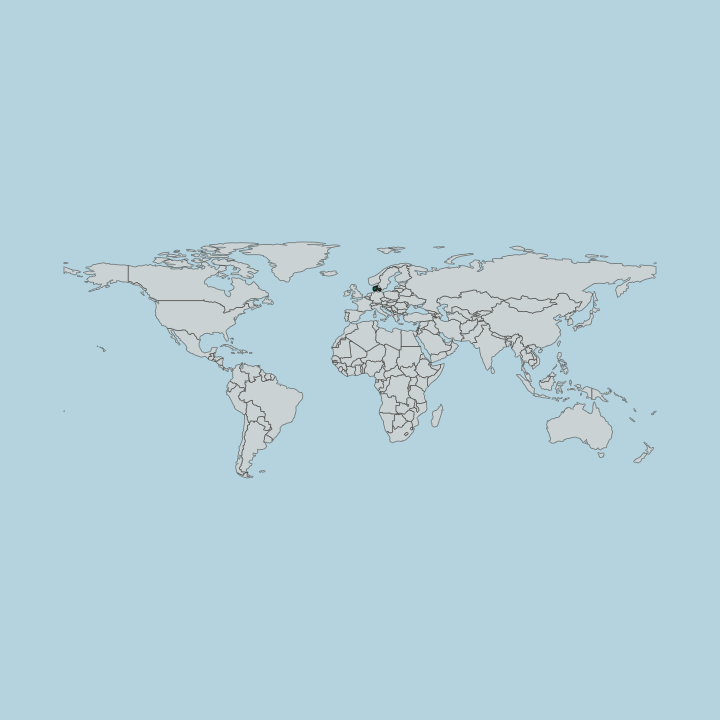
Where to stay in Maribo
Where visitors usually base themselves, and why.
Most beds in Maribo gather near the old centre, where small hotels and guesthouses stand within a short walk of Maribo Kloster and the cathedral that grew from it. The centre suits travellers who want the convent church and the Stiftsmuseet Maribo on foot. Stock is modest here.
Toward Hunseby, on the edge of town, the country church of Hunseby Kirke and the open ground of the Frilandsmuseet i Maribo mark a quieter quarter where the occasional guest room or holiday house turns up for those touring this corner of Lolland Municipality by car. Rail enthusiasts drawn to the Museumsbanen Maribo-Bandholm and the Birgittine sites at Sankt Birgitta Kloster find the walkable centre the natural base. Reserve early for the summer weeks.
With a limited spread of rooms, Maribo works best as a calm heritage stop in south-western Region Zealand for travellers who spend their days among its convent ruins and museums and want a peaceful base to return to each evening.
Find hotels in Maribo
Direct booking searches for these neighbourhoods.
Maribo centre
small hotels by Maribo Kloster and the walk to Stiftsmuseet Maribo. Lodging is scarce in this area; reserve in advance.Find hotels in Maribo centredrivers touring Lolland MunicipalityHunseby
guest rooms near Hunseby Kirke and the Frilandsmuseet i Maribo grounds. Few places to stay nearby — book ahead.Find hotels in Hunsebyvisitors to the convent sitesThe Birgittine quarter
central lodging near Sankt Birgitta Kloster and the Museumsbanen Maribo-Bandholm. Lodging is scarce in this area; reserve in advance.Find hotels in The Birgittine quarterHotel links are affiliate links: booking through them may earn us a commission, at no extra cost to you. It never affects how places are ranked. How this works
Things to do in Maribo
Ranked by global recognition; descriptions from Wikidata (CC0).
Museums & Galleries
1- Stiftsmuseum Maribo Danish museum
Churches & Religious Sites
3- Maribo Abbey Heritage ancient monument in Lolland Municipality (112312)
- Hunseby Church church building in Lolland Municipality
- Sankt Birgitta Kirke
Castles & Historic Sites
2- Refshaleborg Heritage ancient monument in Lolland Municipality (131630)
- Lysemose Skov Heritage ancient monument in Lolland Municipality (128233)
worth knowingacross 3 categories in Maribo
About Maribo
Maribo is a convent town.
What is Maribo known for?
Best known for the medieval Maribo Kloster, the Birgittine house whose church became the diocesan cathedral, the town also keeps the relics of that order at Sankt Birgitta Kloster and Sankt Birgitta Kirke, and carries its name across south-western Region Zealand. The narrow-gauge Museumsbanen Maribo-Bandholm runs from its edge. Its museums, the local Stiftsmuseet Maribo and the Frilandsmuseet i Maribo, with the country church of Hunseby Kirke nearby, give the town its quiet heritage character within Lolland Municipality.
What are the main landmarks in Maribo?
Maribo Kloster anchors the town. The ruined Birgittine convent and the cathedral that rose from its church stand at the old centre, the chief monument of a place built around its order, with the newer Sankt Birgitta Kloster and Sankt Birgitta Kirke carrying the same name nearby. The museums gather close: Stiftsmuseet Maribo and the open-air Frilandsmuseet i Maribo.
From the town's edge the narrow-gauge Museumsbanen Maribo-Bandholm runs out toward the coast. Beyond lie the old earthwork of Refshaleborg, the country church of Hunseby Kirke, and the ancient woodland of Lysemose Skov. History marks every quarter.
What is the history of Maribo?
Maribo grew up around a convent. The Birgittine house of Maribo Kloster was founded in the medieval centuries, and the town gathered around its church on the quiet land of south-western Region Zealand, a religious settlement that took its name from the order. Older still was the earthwork of Refshaleborg, raised long before the convent, and the ancient woodland of Lysemose Skov marked the surrounding land.
The nuns held the house for generations. After the convent closed its church became the cathedral of the diocese, and Maribo settled into its lasting role as a quiet ecclesiastical town. The order's memory was kept and later revived at Sankt Birgitta Kloster and Sankt Birgitta Kirke, while the town gathered its museums, the diocesan Stiftsmuseet Maribo and the open-air Frilandsmuseet i Maribo.
In the railway age the narrow-gauge line preserved as the Museumsbanen Maribo-Bandholm linked the town to the coast at Bandholm, and the country church of Hunseby Kirke kept its place among the fields. Through reformation, war, and the slow modernising of Lolland Municipality the cathedral held the heart of the town, and Maribo endured as the seat of its diocese in Region Zealand.
Where is Maribo?
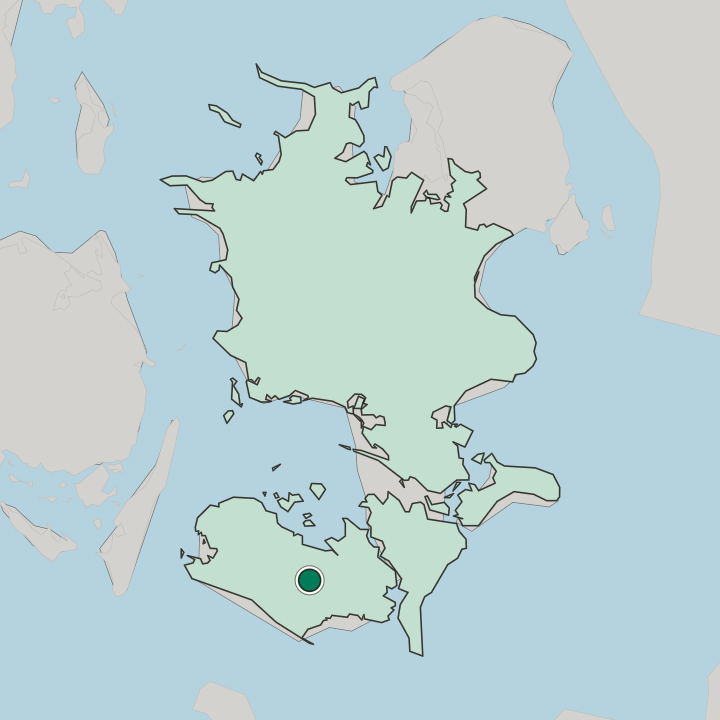
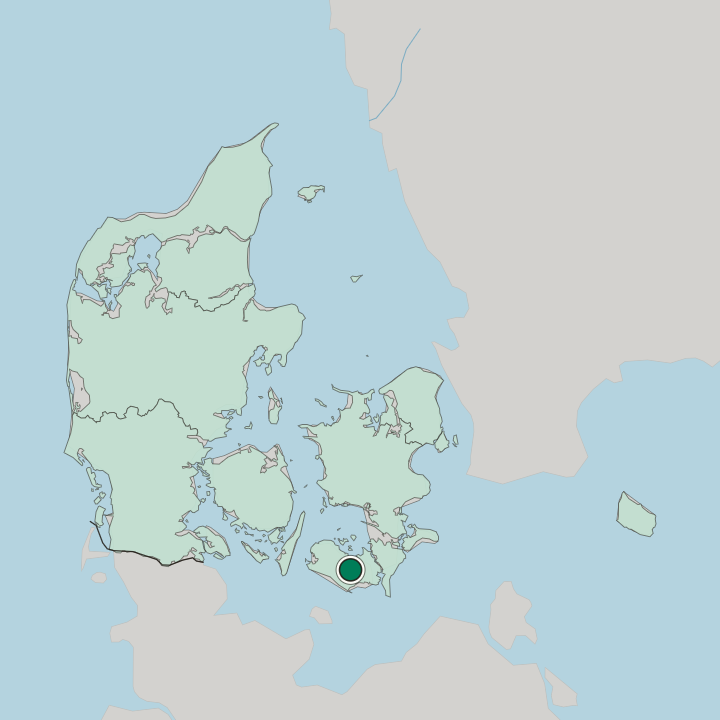
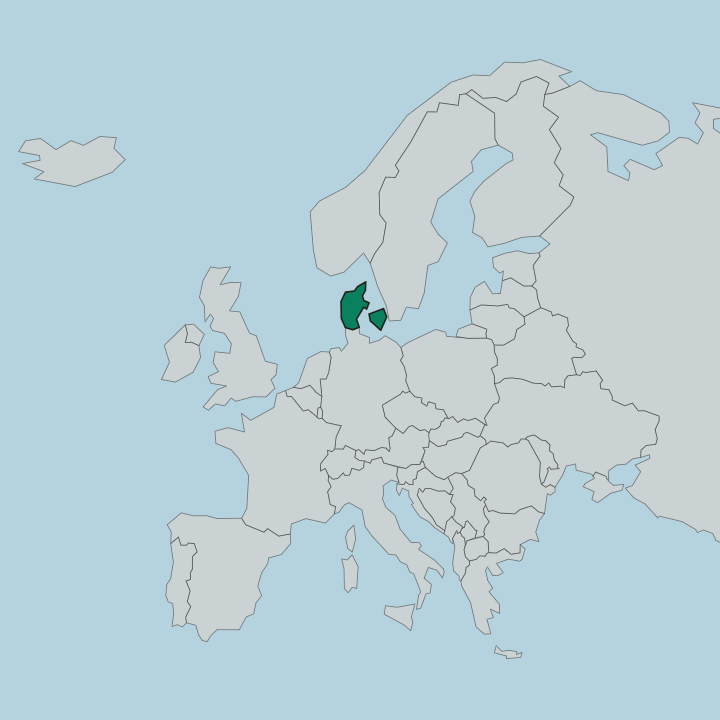
Maribo lies in southern Denmark, on the island of Lolland in the south-western part of Region Zealand. The land here is low and green, a flat stretch of farmland and lake-dotted country where the old town gathers around Maribo Kloster and the cathedral. Water and woodland surround it.
The country quarter of Hunseby sits near Hunseby Kirke on the town's edge, while the ancient woodland of Lysemose Skov and the roads of Lolland Municipality run out across the surrounding fields toward the coast at Bandholm.
What is the climate of Maribo?
Maribo has the mild, damp temperate climate of the southern Danish lowlands. Winters are cool and grey rather than harsh, with frequent rain and only brief frost and thin snow over the flat land around the convent, far gentler than the deeper cold that grips the ground much further north. Summer comes warm and green.
The lakes and gardens about Maribo Kloster hold their colour through the long-lit months, when the northern dusk lingers late over the cathedral town. Wind and cloud off the surrounding water reach this part of Region Zealand all year.
How do you get to Maribo?
Maribo sits on the main rail line crossing the southern islands, with trains stopping through the day on the route toward the coast. Drivers come in by road. The motorway and local roads tie the town through Lolland Municipality to the wider network of Region Zealand and on across the island.
The preserved Museumsbanen Maribo-Bandholm carries visitors from the town's edge down to Bandholm, while most travellers arriving from abroad come through the airport on the eastern islands, linked to Maribo by the same rail and road routes that serve its everyday traffic.
Common questions
What is the best area to stay in Maribo?
Maribo centre: heritage travellers exploring on foot. Hunseby: drivers touring Lolland Municipality. The Birgittine quarter: visitors to the convent sites.
Good for
More cities in Region Sjælland
Updated October 2026