Denmark · Region Sjælland
Where to Stay in Holbæk, Region Sjælland
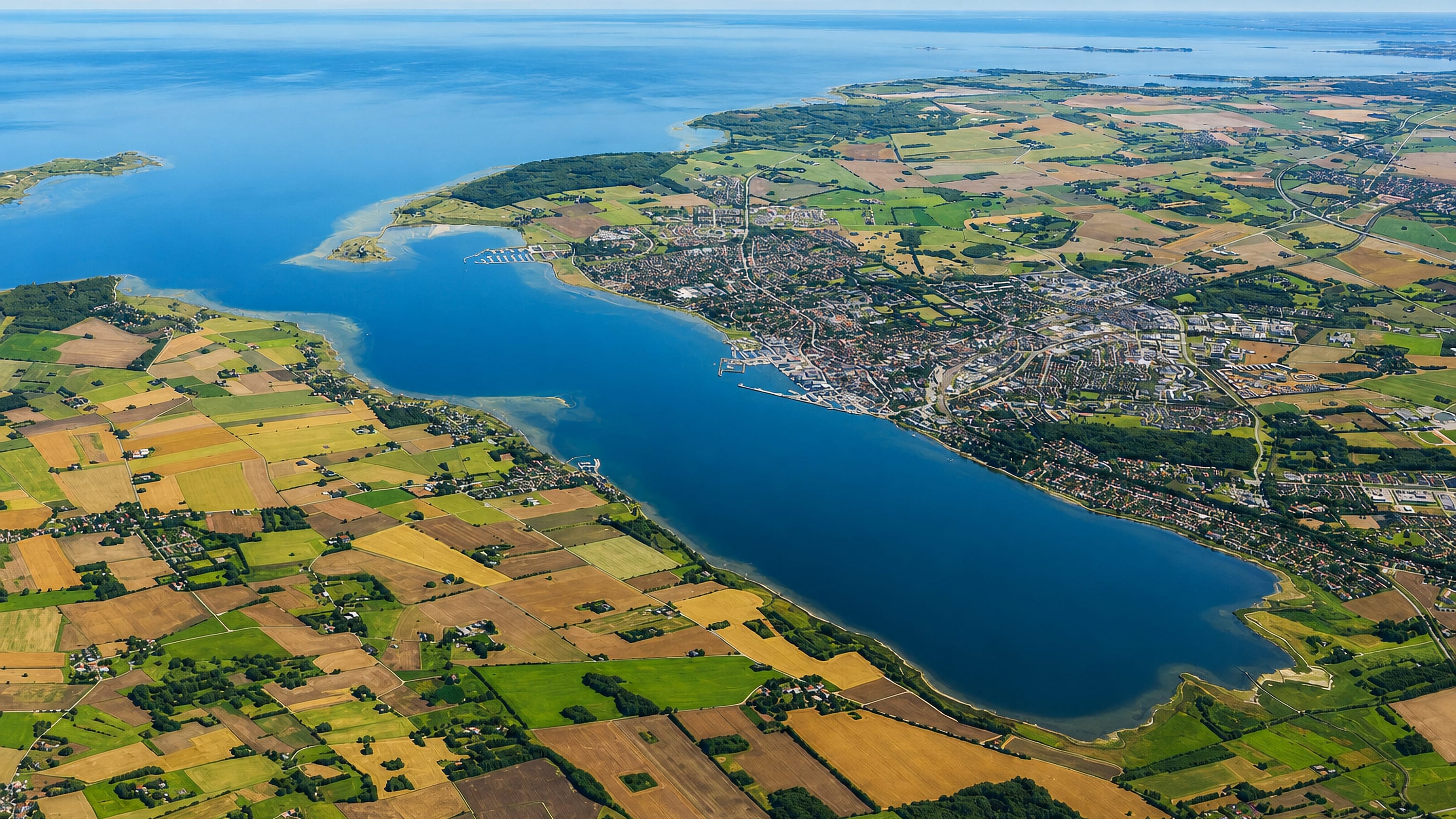
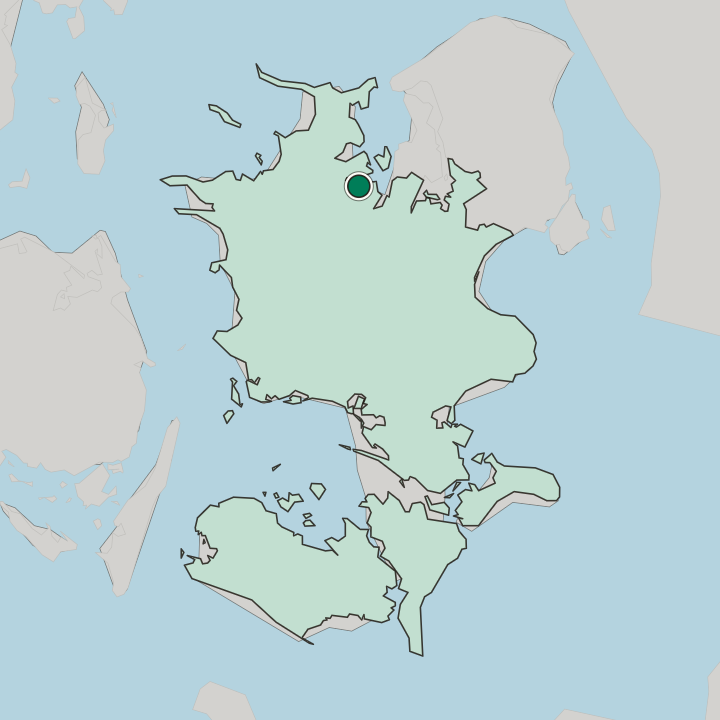
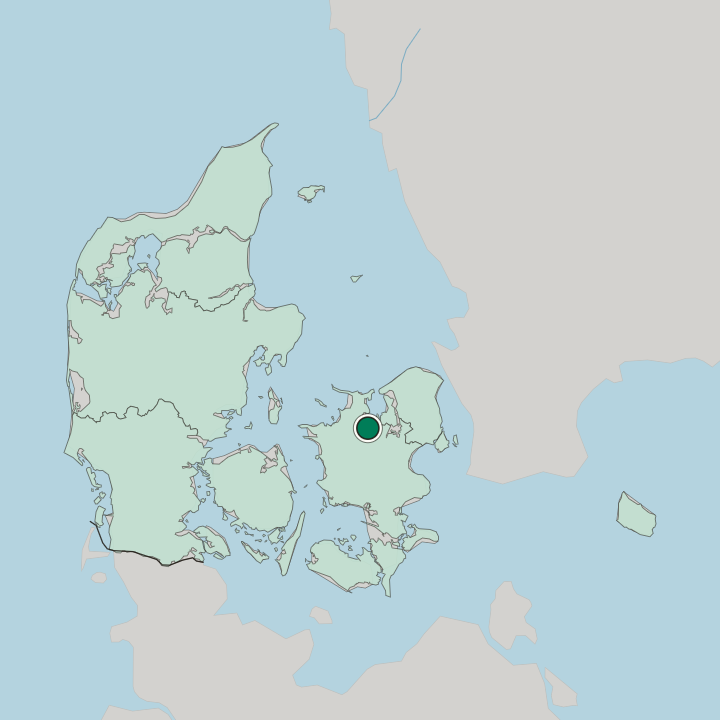
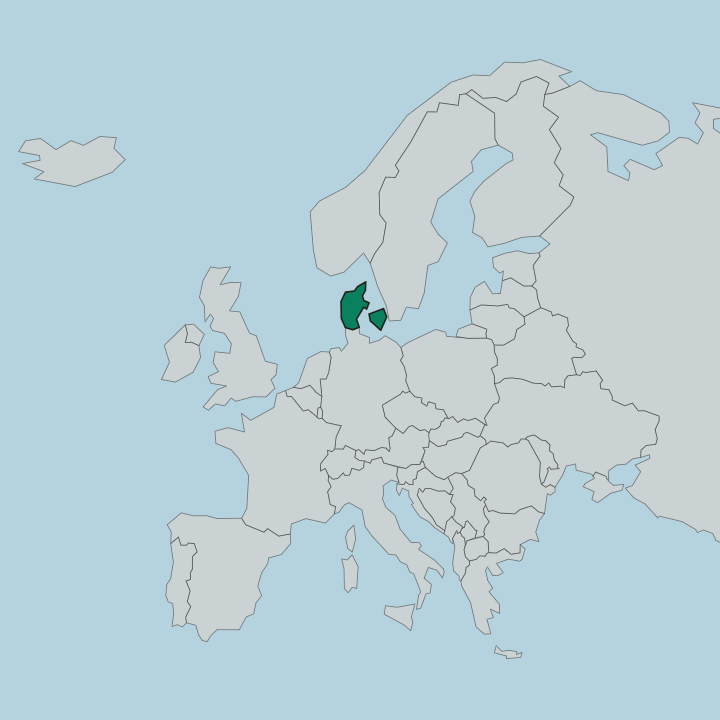
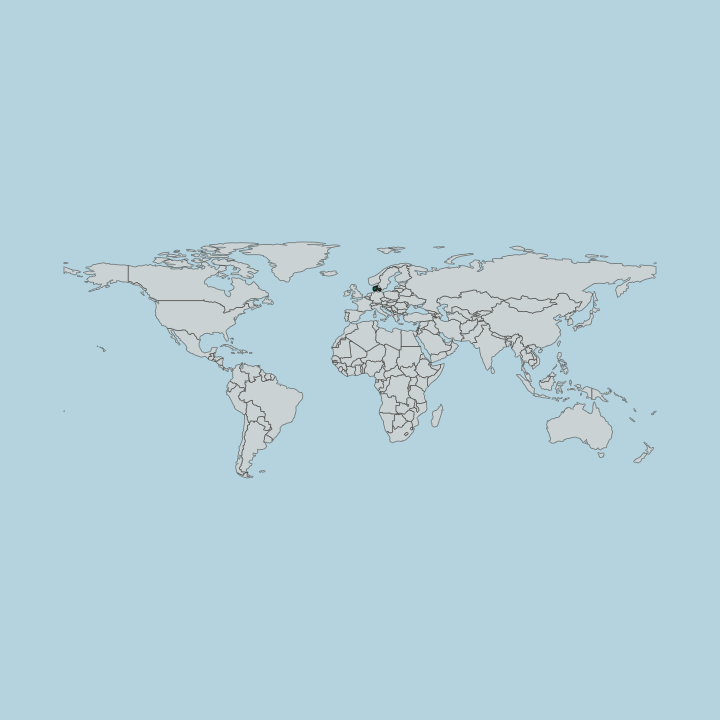
Holbæk is the main market town of the northern part of Region Zealand, in eastern Denmark on the island of Zealand.
Hotel links are affiliate links: booking through them may earn us a commission, at no extra cost to you. It never affects how places are ranked. How this works


Where to stay in Holbæk
Where visitors usually base themselves, and why.
Most beds in Holbæk gather in the old centre below Sankt Nikolai Kirke, where small hotels and guesthouses stand within a short walk of the church, the shopping streets and the harbour quays of the market town. The centre suits visitors who want the working waterfront and the shops of Holbæk Municipality on the doorstep. It is the natural base for the town.
Toward the edge of town, a scatter of motels and guest rooms sits near the road approaches and the large sports complex of Holbæk Sportsby, a practical choice for drivers and for those visiting the open-air Oplevelsescenter Nyvang nearby. Rooms there book out in summer. Across the rest of Holbæk Municipality, holiday houses and farm stays spread through the country parishes around Grandløse Kirke and the old Tveje Merløse Kirke, a quieter base for travellers touring the north of Zealand by car.
Stock is thin in the villages. Reserve well ahead in the high season, since the town and its municipality carry limited beds and fill fast when the summer brings visitors to this corner of eastern Denmark.
Find hotels in Holbæk
Direct booking searches for these neighbourhoods.
Old centre below Sankt Nikolai Kirke
guesthouses by Sankt Nikolai Kirke and the Holbæk quaysFind hotels in Old centre below Sankt Nikolai Kirkedrivers and visitors to Oplevelsescenter NyvangSportsby and road approaches
motels near Holbæk Sportsby and the open-air Nyvang centreFind hotels in Sportsby and road approachestravellers touring northern Zealand by carHolbæk Municipality parishes
farm stays among Grandløse Kirke and Tveje Merløse Kirke. Lodging is scarce in this area; reserve in advance.Find hotels in Holbæk Municipality parishesHotel links are affiliate links: booking through them may earn us a commission, at no extra cost to you. It never affects how places are ranked. How this works
Things to do in Holbæk
Ranked by global recognition; descriptions from Wikidata (CC0).
Museums & Galleries
2- Holbæk Museum Heritage local history museum in Holbaek
- Æglageret
Churches & Religious Sites
3- Tveje Merløse Church
- St. Nicholas Church
- Grandløse Church
Stadiums & Sports
1- Holbæk Sportsby
worth knowingacross 3 categories in Holbæk
About Holbæk
What is Holbæk known for?
Holbæk anchors the northern part of Region Zealand, the market town that serves as the seat of Holbæk Municipality. Sankt Nikolai Kirke rises over the old centre, its tower a fixed point above the streets that run down toward the water. The town has long traded and gathered.
Visitors come for the Holbæk Museum, a row of old townhouses kept as a museum of local life, and for Oplevelsescenter Nyvang on the edge of town, an open-air centre that recreates a Danish working village of the past around its dairy and workshops.
What are the main landmarks in Holbæk?
Sankt Nikolai Kirke stands at the heart of Holbæk. The medieval church rises above the old streets, the most prominent of the town's buildings and a marker of its long history on Zealand. Nearby, the Holbæk Museum keeps a row of old townhouses as a record of local life, while the warehouse known as the Æglageret recalls the trading quays of the harbour town.
Two landmarks lie out beyond the centre. Oplevelsescenter Nyvang recreates a working rural village of the Danish past, and Tveje Merløse Kirke, a rare twin-towered Romanesque church, stands among the oldest stone buildings in Holbæk Municipality.
What is the history of Holbæk?
Holbæk grew as a market town on the sheltered water of northern Region Zealand. Sankt Nikolai Kirke marked the medieval centre, while older still stood Tveje Merløse Kirke just outside the town, a rare twin-towered Romanesque church among the oldest stone buildings on Zealand. Trade shaped the early town.
Around the parishes the country churches of Grandløse Kirke held their own congregations, and the old townhouses that now form the Holbæk Museum recall the merchant streets of the working town as it ran its commerce inland and along the coast of eastern Denmark. The town spread out from that core over the centuries. The harbour handled the goods of Holbæk Municipality, and warehouses such as the Æglageret stood by the quays as the town's trade grew.
In time Holbæk became the administrative seat of its municipality in Region Zealand, and newer institutions joined the old, among them Oplevelsescenter Nyvang, which gathers the buildings and trades of a vanished rural Denmark, and the large sports complex of Holbæk Sportsby on the edge of the modern town.
Where is Holbæk?
Holbæk lies in the northern part of Region Zealand, in eastern Denmark on the island of Zealand. The town stands at the head of an arm of sheltered coastal water, the streets of the old centre falling from Sankt Nikolai Kirke toward the quays. Farmland rings the town.
Holbæk Municipality reaches out around it across the north of Zealand, gathering country parishes whose churches, among them Grandløse Kirke and the old Tveje Merløse Kirke, stand among the fields beyond the built-up edge of the market town.
What is the climate of Holbæk?
Holbæk has the mild, damp maritime climate of coastal Zealand. Winters stay cool and grey rather than hard, the nearby sheltered water keeping lasting frost and deep snow off the streets of the market town for most of the season. The Holbæk summer turns warm but unsettled.
The open coast of eastern Denmark feeds the wind and the long northern daylight that lingers late over Holbæk Municipality through the height of the year, while cloud and rain off the surrounding seas reach this corner of Region Zealand in every month.
How do you get to Holbæk?
Holbæk sits on the rail line that crosses northern Region Zealand. Trains run in along the route from the larger cities of Zealand, and the station stands a short walk from Sankt Nikolai Kirke and the old centre. Many come instead by car.
Roads carry the traffic of Holbæk Municipality in from the surrounding countryside of eastern Denmark, while the wider airports of the island handle the longer journeys of travellers reaching the town from abroad.
Common questions
What is the best area to stay in Holbæk?
Old centre below Sankt Nikolai Kirke: first-time visitors wanting the harbour and shopping streets. Sportsby and road approaches: drivers and visitors to Oplevelsescenter Nyvang. Holbæk Municipality parishes: travellers touring northern Zealand by car.
Good for
More cities in Region Sjælland
Updated October 2026