Denmark · Region Sjælland
Where to Stay in Haslev, Region Sjælland
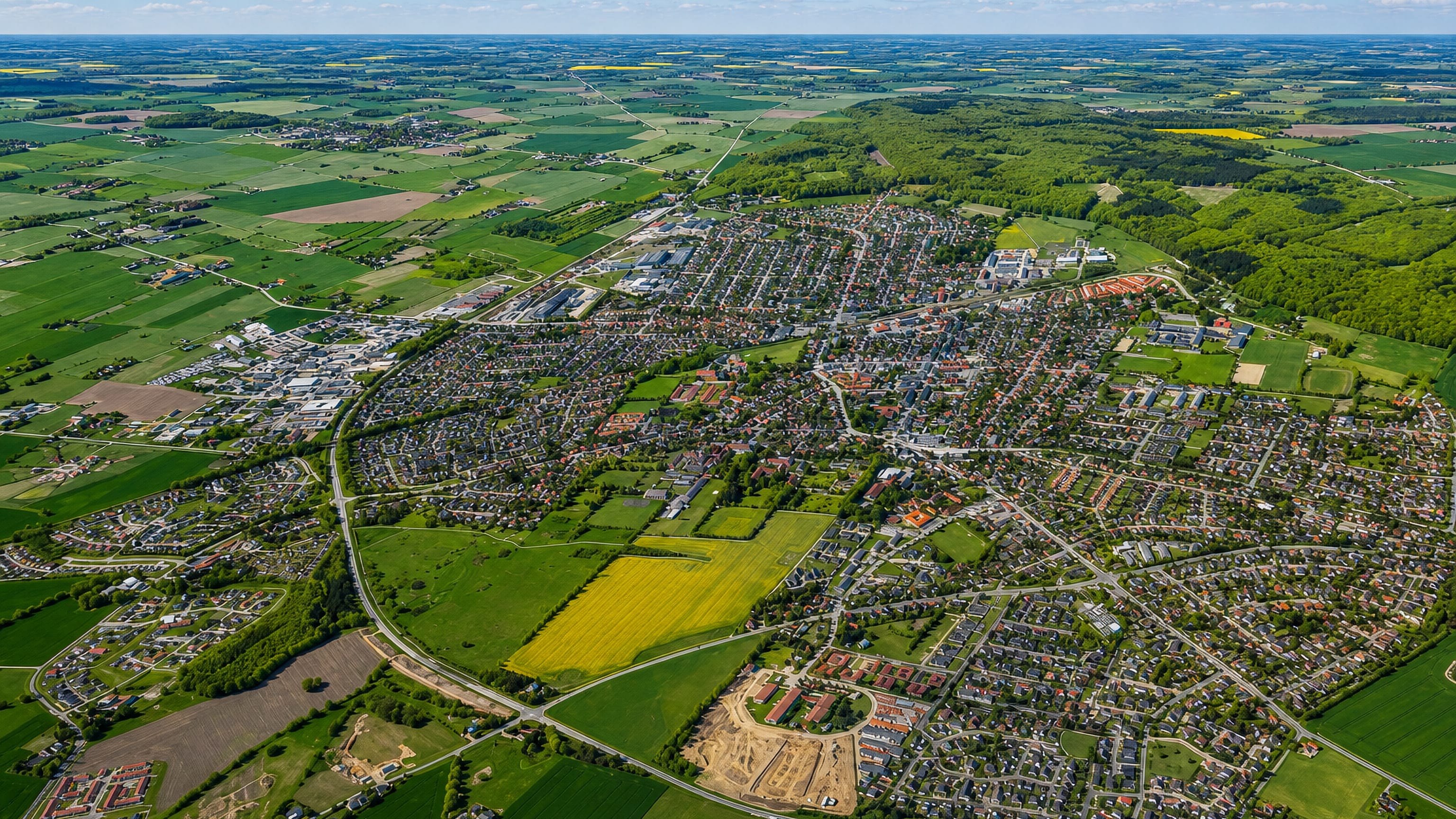
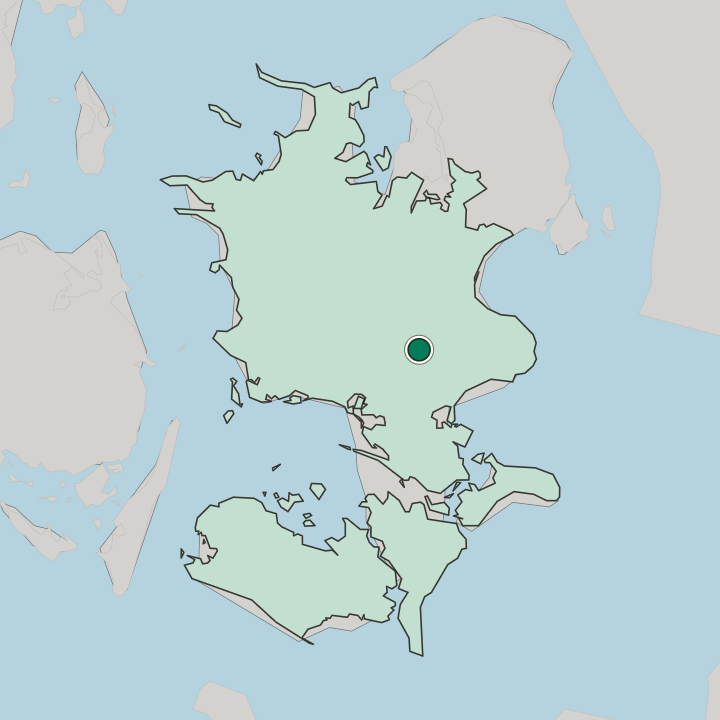
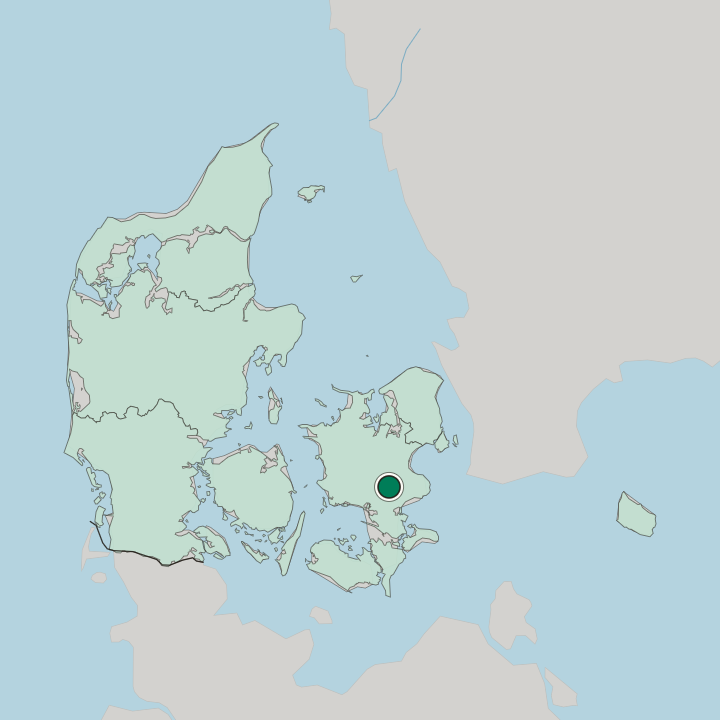
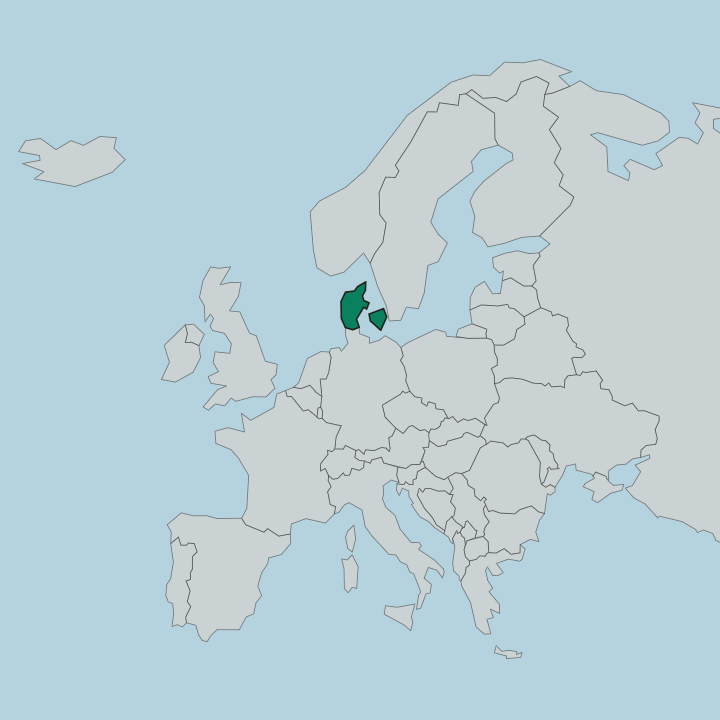
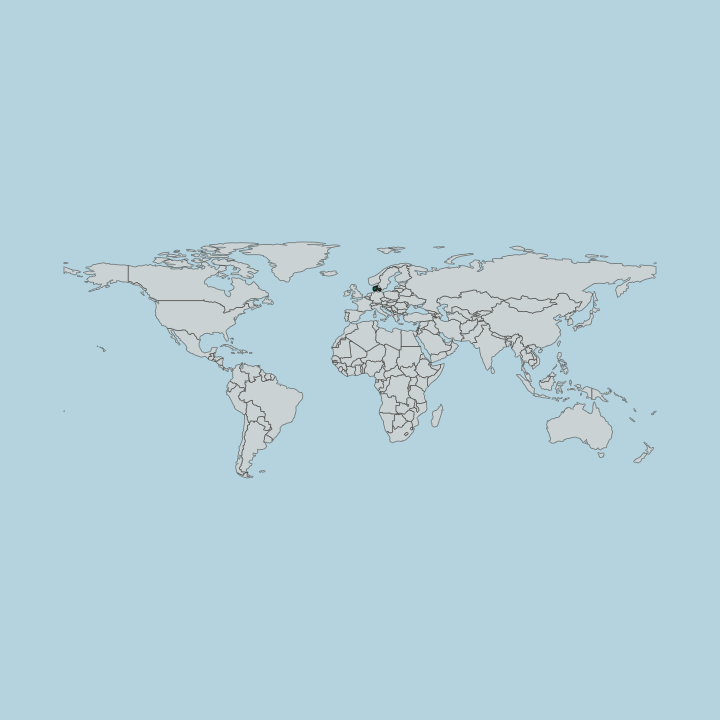
Haslev is a railway town in the northern part of Region Zealand, in eastern Denmark on the island of Zealand.
Hotel links are affiliate links: booking through them may earn us a commission, at no extra cost to you. It never affects how places are ranked. How this works


Where to stay in Haslev
Where visitors usually base themselves, and why.
Most beds in Haslev gather near the station and Haslev Kirke, where guesthouses and small hotels stand within a short walk of the railway, the Haslev Stationsbymuseum and the shops of the town centre. The centre suits visitors who want the station and the market streets on the doorstep. For a base, nothing beats being steps from the platform.
Out toward the edges, rooms sit near the road approaches and the SEAS-NVE Elmuseum, handy for drivers touring the farmland and woods of Faxe Municipality. Beds there fill in summer. Through the surrounding parishes, holiday houses and farm stays spread among the country churches of Bråby Kirke and Freerslev Kirke, a quieter base for travellers crossing the northern part of Region Zealand by car.
Rooms grow sparse out in the villages. Book ahead in the warm season, when the railway heritage and the open country draw visitors to this part of eastern Denmark.
Find hotels in Haslev
Direct booking searches for these neighbourhoods.
Station and town centre
small hotels by the station and Haslev StationsbymuseumFind hotels in Station and town centredrivers touring the farmland of Faxe MunicipalityRoad approaches by the Elmuseum
rooms near the road approaches and the SEAS-NVE ElmuseumFind hotels in Road approaches by the Elmuseumtravellers crossing northern Region Zealand by carSurrounding parishes
farm stays among Bråby Kirke and Freerslev Kirke. Beds are limited here, so book early.Find hotels in Surrounding parishesHotel links are affiliate links: booking through them may earn us a commission, at no extra cost to you. It never affects how places are ranked. How this works
Things to do in Haslev
Ranked by global recognition; descriptions from Wikidata (CC0).
Museums & Galleries
1- Haslev Stationsbymuseum
Churches & Religious Sites
3- Haslev Church church building in Faxe Municipality
- Braaby Church
- Freerslev Church
Castles & Historic Sites
2- Dovrebanken Heritage ancient monument in Faxe Municipality (167780)
- Spegedyne Heritage ancient monument in Faxe Municipality (110913)
worth knowingacross 3 categories in Haslev
About Haslev
What is Haslev known for?
Haslev is the largest town of Faxe Municipality, set on the farmland of Region Zealand. The town grew up around its station, a past kept by the Haslev Stationsbymuseum, which traces how the railway turned a country parish into a market town. Trains shaped the place.
Haslev Kirke marks the old core, and the SEAS-NVE Elmuseum gathers the story of electricity in the district, two small museums that draw visitors into the streets of this corner of the island of Zealand.
What are the main landmarks in Haslev?
Haslev Kirke anchors the old town. The medieval parish church stands at the core of Haslev, the oldest of its landmarks among the streets that grew up with the railway. Two small museums tell the modern story.
The Haslev Stationsbymuseum traces the rise of the railway town, while the SEAS-NVE Elmuseum keeps the history of electricity in the district. Beyond the town the country churches of Bråby Kirke and Freerslev Kirke serve their parishes, and the ancient burial mounds of Spegedyne and Dovrebanken rise from the fields as protected monuments of Faxe Municipality.
What is the history of Haslev?
Haslev began as a country parish around its medieval church on the farmland of southern Zealand. Haslev Kirke stood at the heart of a scattered rural community, and the old burial mounds of Spegedyne and Dovrebanken already marked the surrounding fields as relics of a far older settlement in what is now Faxe Municipality. The land was farmed for centuries.
Around the parish the country churches of Bråby Kirke and Freerslev Kirke served their own congregations across the northern reach of Region Zealand, long before the railway came. A station on the new line remade the parish. The market town grew up around the tracks, the story now kept by the Haslev Stationsbymuseum.
Trade, schools and small industry gathered by the railway, the coming of electricity to the district recorded in the SEAS-NVE Elmuseum, and Haslev grew into the largest town of Faxe Municipality on this part of the island of Zealand in eastern Denmark.
Where is Haslev?
Haslev lies in the northern part of Region Zealand, on the island of Zealand, in eastern Denmark. The town sits inland on low, gently rolling farmland away from the coast, the streets gathered around the station and Haslev Kirke. Fields and woods ring the town.
Faxe Municipality spreads out around it across the northern part of Region Zealand, taking in the country parishes whose churches, among them Bråby Kirke and Freerslev Kirke, stand among the farms beyond the built-up edge of the railway town.
What is the climate of Haslev?
Haslev has the mild, damp climate of inland Zealand. Winters stay cool and grey rather than harsh, with frost and the odd snowfall over the surrounding farmland but rarely the deep cold of the far north. Summers are mild and changeable.
Cloud and rain off the seas that ring the island reach the inland parishes of Faxe Municipality through every month, while the long northern daylight lingers late over the fields around Haslev in the height of the warm season.
How do you get to Haslev?
Haslev sits on the railway that crosses the island of Zealand. Trains stop here on the line linking the towns of Region Zealand, and the station stands at the heart of the town beside the old centre and Haslev Kirke. Many also arrive by road.
Main roads carry the traffic of Faxe Municipality in from the surrounding farmland of eastern Denmark, while the wider airports of Zealand handle the longer journeys of travellers reaching the town from abroad.
Common questions
What is the best area to stay in Haslev?
Station and town centre: visitors wanting the railway and market streets. Road approaches by the Elmuseum: drivers touring the farmland of Faxe Municipality. Surrounding parishes: travellers crossing northern Region Zealand by car.
Good for
More cities in Region Sjælland
Updated October 2026