Denmark · Region Sjælland
Where to Stay in Køge, Region Sjælland
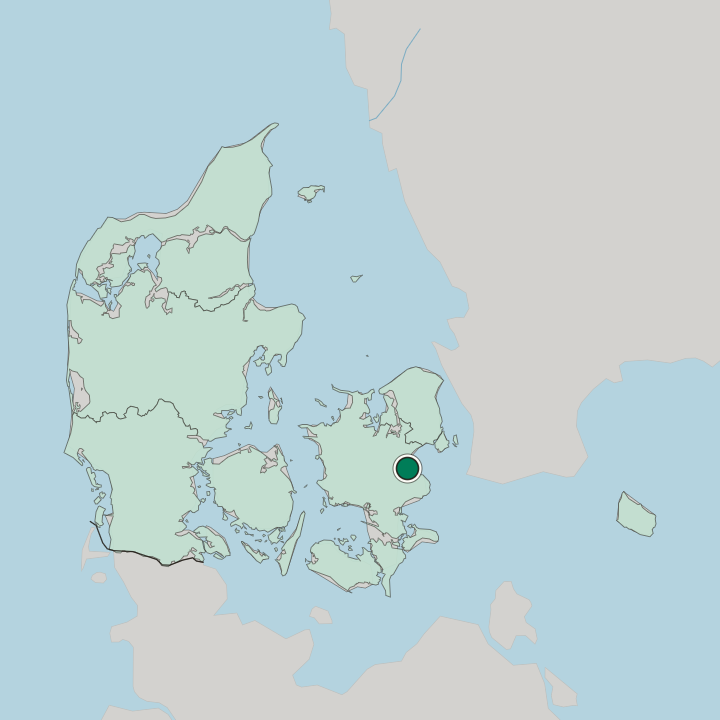
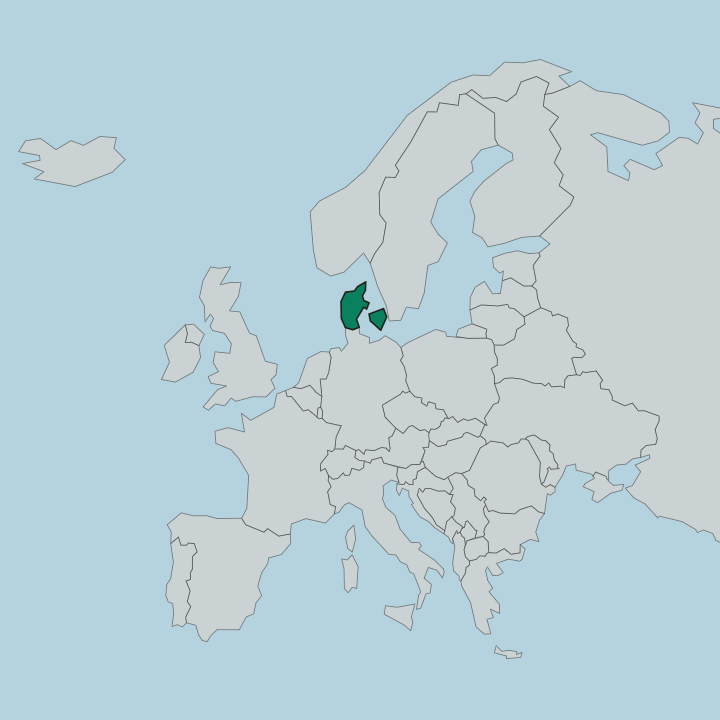
Køge is a historic harbour town in eastern Denmark, on the island of Zealand south of the capital.
Hotel links are affiliate links: booking through them may earn us a commission, at no extra cost to you. It never affects how places are ranked. How this works


Where to stay in Køge
Where visitors usually base themselves, and why.
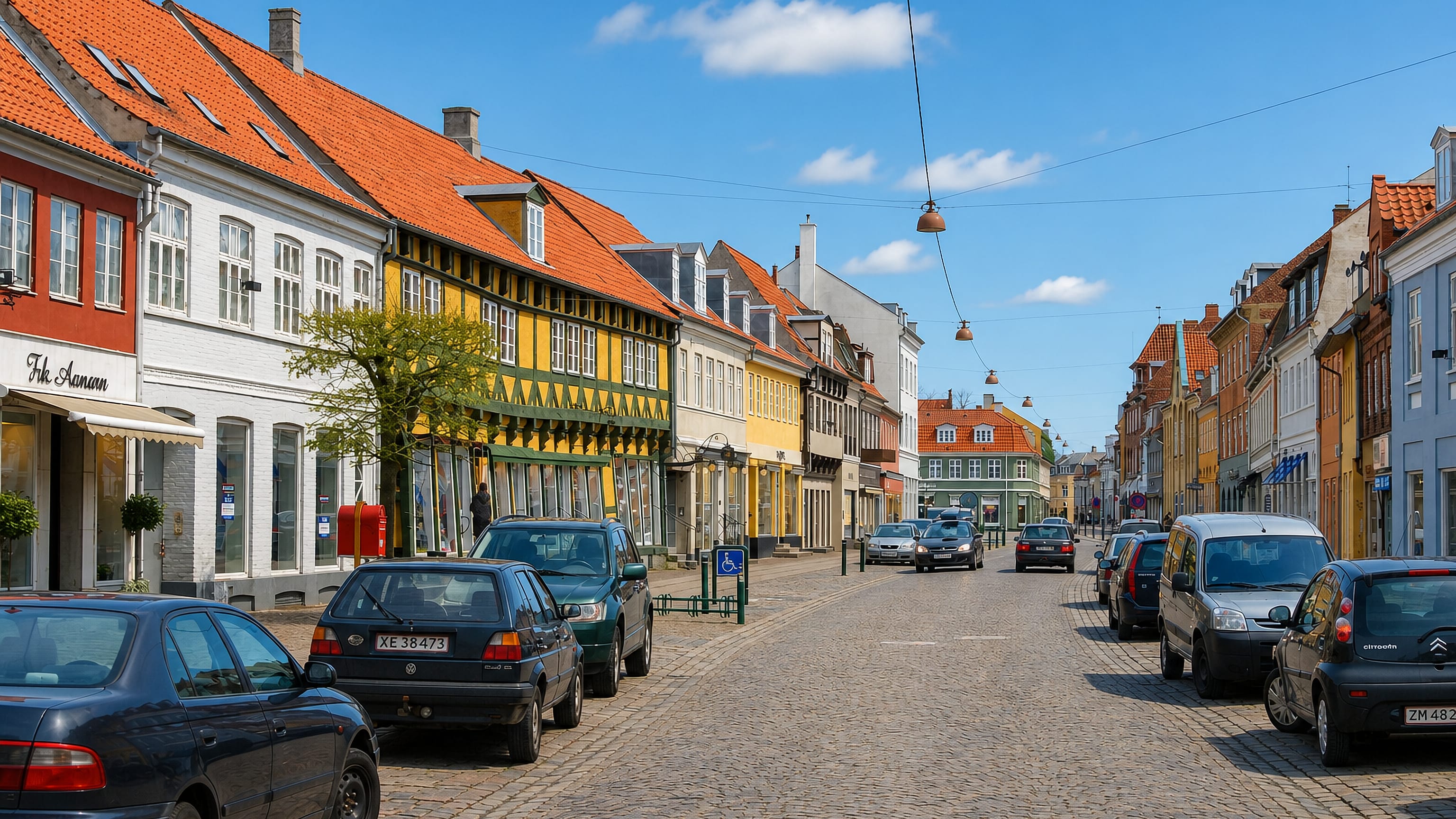
The obvious base is the old town, the grid of half-timbered streets around the market square and the Sankt Nicolai Kirke. Stay here for the square, the Køge Museum and a short walk to the harbour and the station. Nothing is more than a few streets away.
The lanes are quiet once the day-trippers leave. Down by the water, the harbour and marina edge trades old-town bustle for sea air and a working quay, a good footing for boats and beach days. It suits the warm months.
Out toward the residential fringe, the older parish of Ølby around Ølby Kirke and the modern transport hub make a cheaper, plainer base for drivers and rail commuters. Køge sees steady custom from both tourists and commuters into the capital, so beds rarely vanish, but a summer weekend in the old town still rewards an early booking.
Find hotels in Køge
Direct booking searches for these neighbourhoods.
Old town
Medieval grid around the market square and the Sankt Nicolai Kirke, by the Køge MuseumFind hotels in Old townQuayside stay for boats and beach daysHarbour and marina
Working harbour and marina edge with sea air, suited to summer and sailing in KøgeFind hotels in Harbour and marinaPlainer rail-hub base near Ølby KirkeØlby
Residential parish of Ølby around Ølby Kirke and the transport hub, cheaper for commutersFind hotels in ØlbyHotel links are affiliate links: booking through them may earn us a commission, at no extra cost to you. It never affects how places are ranked. How this works
About Køge
What is Køge known for?
Køge is known for one of Denmark's best-kept old towns. Half-timbered houses line the market square and the lanes behind it, watched over by the brick tower of the Sankt Nicolai Kirke, and the Køge Museum sets out the merchant past in a row of period buildings. It is a working harbour town with a medieval heart.
What are the main landmarks in Køge?
The old town is the main sight. Its set pieces are the brick Sankt Nicolai Kirke on the market square, the Køge Museum among its period houses, and the small customs building of Acciseboden by the harbour. Faith and the wider parish leave their marks too.
The Køge Adventistkirke stands in the town and Ølby Kirke serves the older parish on the outskirts.
What is the history of Køge?
Køge was chartered as a market town in the Middle Ages and grew on trade through its harbour. Merchants built the half-timbered houses that still frame the market square, and the great brick Sankt Nicolai Kirke rose as the town church when Køge was a busy port on the Zealand coast. Goods moved through the harbour.
The little customs house of Acciseboden recalls the duties once levied on that trade. The town kept its medieval plan through the centuries that followed, which is why its old core survives so intact. Later growth pushed Køge outward, absorbing older parishes such as Ølby with its country church Ølby Kirke, while the centre held its shape.
The Køge Museum gathers this long record, from the merchant port to the witch trials that once darkened the town's name.
Where is Køge?
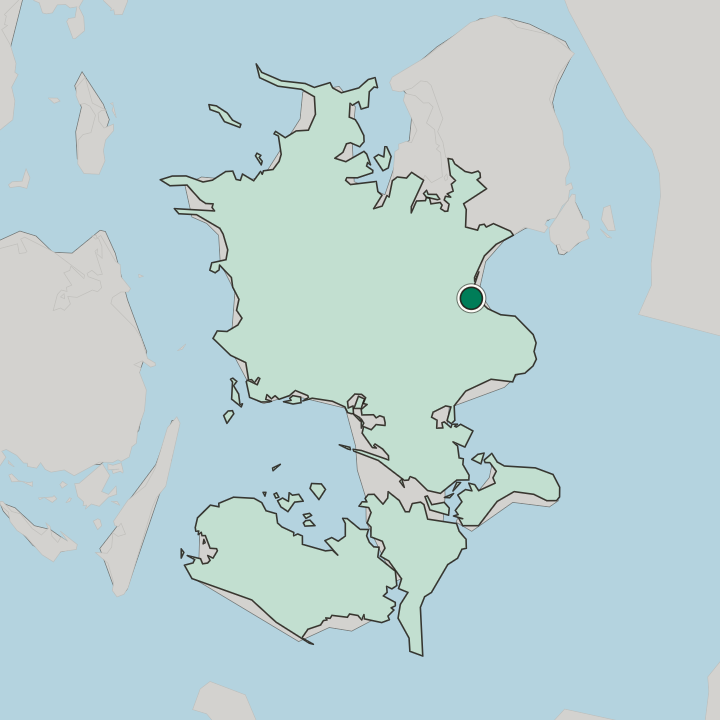
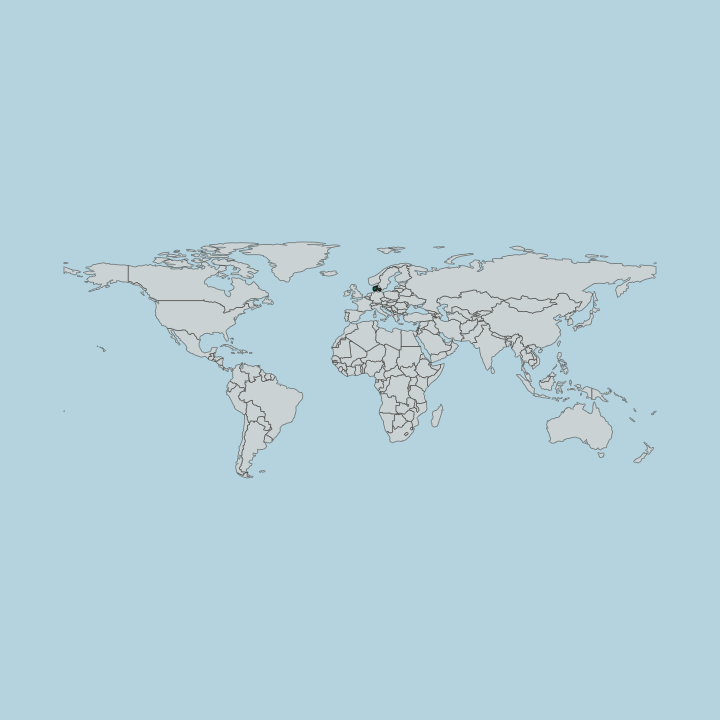
Køge stands on the coast in the north-eastern part of Region Zealand, on the island of Zealand. The land around it is low and gently rolling. The old town clusters by the harbour where a small stream reaches the sea, and the built-up area spreads inland toward the parish of Ølby and the surrounding farmland.
What is the climate of Køge?
Køge shares the temperate maritime climate of coastal Zealand. The sea keeps the seasons mild and the swings narrow. Winters are grey and damp more often than freezing, while summers turn pleasantly warm and breezy, the harbour and beach drawing crowds on the better days and the old-town lanes giving shade on the hottest.
How do you get to Køge?
Køge is a southern terminus of the capital's suburban rail network, with frequent trains and a regional line linking it across Zealand. The motorway passes close for drivers. From the station it is a short walk into the old town, past the parish edge of Ølby and on to the market square and the Sankt Nicolai Kirke.
Common questions
What is the best area to stay in Køge?
Old town: Half-timbered market square by Sankt Nicolai Kirke. Harbour and marina: Quayside stay for boats and beach days. Ølby: Plainer rail-hub base near Ølby Kirke.
Good for
More cities in Region Sjælland
Updated September 2026