Denmark · Region Sjælland
Where to Stay in Nykøbing Falster, Region Sjælland
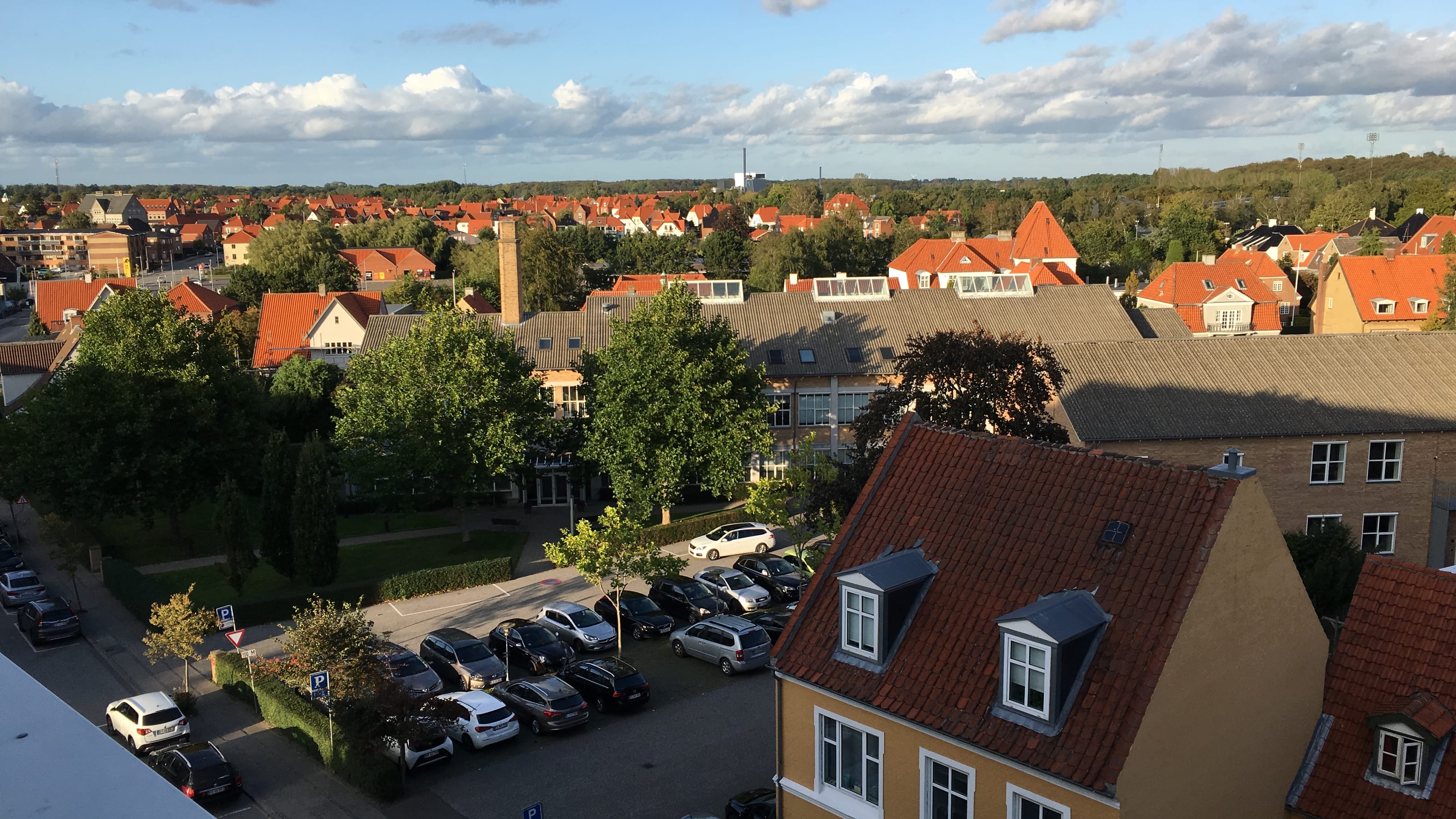
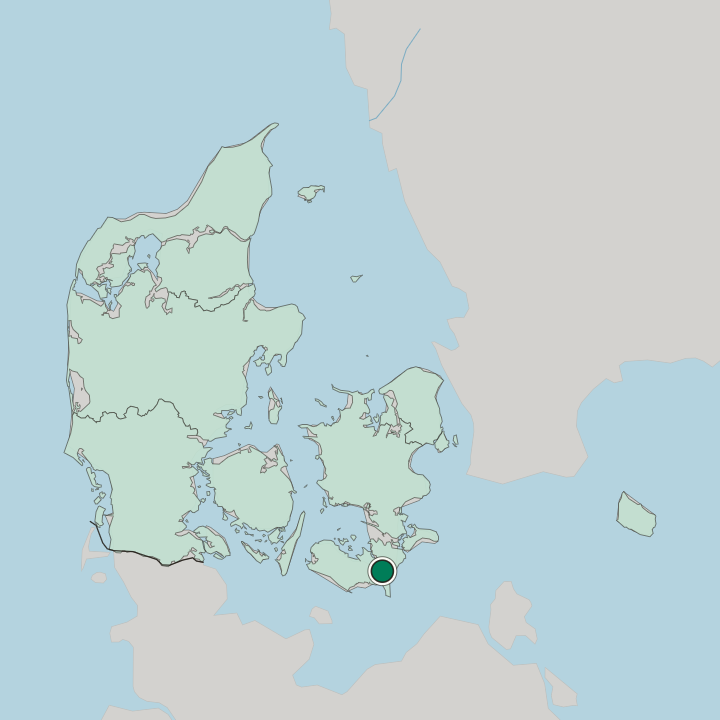
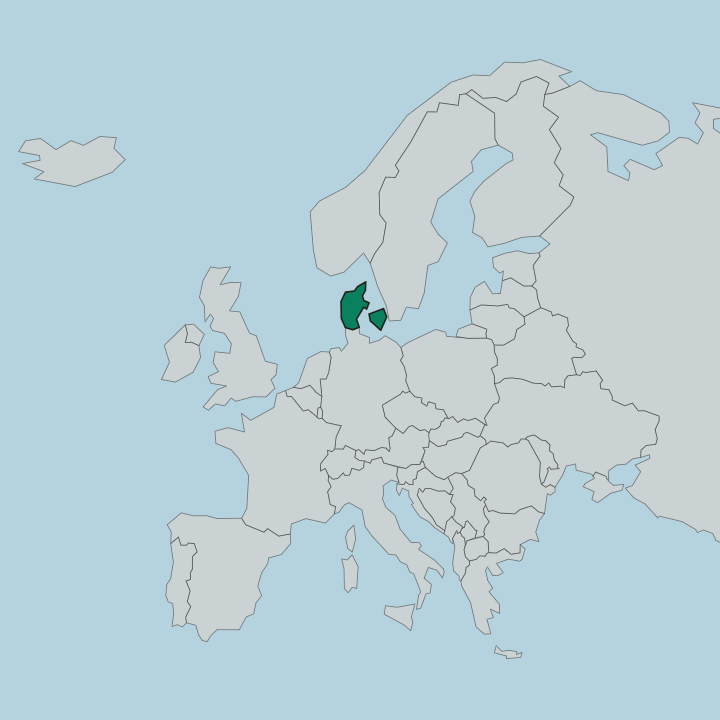
Nykøbing Falster is the main town of the island of Falster, in the southern part of Region Zealand, in eastern Denmark.
Hotel links are affiliate links: booking through them may earn us a commission, at no extra cost to you. It never affects how places are ranked. How this works


Where to stay in Nykøbing Falster
Where the beds are, and what that means for the visit.
Most beds in Nykøbing Falster gather in the old centre near Klosterkirken, where hotels and guesthouses stand within a short walk of the Abbey Church, the merchant houses of Falsters Minder and the waterside streets. The centre suits visitors who want the museums and the harbour of Falster on the doorstep. It is the natural place to stay.
Out on the edge of town, rooms sit near the Scandlines Arena and the road approaches, handy for visitors heading to Middelaldercentret and for drivers crossing the island. Beds there fill in summer. Through the rest of Guldborgsund Municipality, holiday houses and farm stays spread among the country parishes around Lindeskovkirken and Nordre Kirke, a quieter base for travellers touring Falster and the south of Region Zealand by car.
Beyond the town, rooms thin out. Reserve well ahead in the warm season, when the medieval museum and the island beaches draw visitors to this corner of eastern Denmark.
Find hotels in Nykøbing Falster
Direct booking searches for these neighbourhoods.
Old centre by Klosterkirken
guesthouses by Klosterkirken and the Falsters Minder housesFind hotels in Old centre by Klosterkirkendrivers and visitors to the medieval museumScandlines Arena edge
rooms near the Scandlines Arena and the Middelaldercentret roadFind hotels in Scandlines Arena edgetravellers touring Falster by carGuldborgsund Municipality parishes
farm stays around Lindeskovkirken and Nordre Kirke. Few places to stay nearby — book ahead.Find hotels in Guldborgsund Municipality parishesHotel links are affiliate links: booking through them may earn us a commission, at no extra cost to you. It never affects how places are ranked. How this works
Things to do in Nykøbing Falster
Ranked by global recognition; descriptions from Wikidata (CC0).
Museums & Galleries
2- Falsters Minder City museum of Nykøbing on the Danish island of Falster
- Nykøbing Falster Frisørmuseum
Churches & Religious Sites
3- Abbey Church Heritage
- Lindeskovkirken church building in Guldborgsund Municipality
- Nordre Church
Stadiums & Sports
1- POWER ARENA indoor sports arena
worth knowingacross 3 categories in Nykøbing Falster
About Nykøbing Falster
What is Nykøbing Falster known for?
Nykøbing Falster is the chief town of the island of Falster and the seat of Guldborgsund Municipality. Middelaldercentret draws the most visitors, an open-air museum on the edge of town that rebuilds a medieval Danish market with working trebuchets and craft workshops. Its old centre is walkable in minutes.
In the centre the Abbey Church, Klosterkirken, marks the medieval heart, while the city museum of Falsters Minder gathers the past of the island in a row of old merchant houses by the water.
What are the main landmarks in Nykøbing Falster?
Middelaldercentret is the great draw of Nykøbing Falster. The open-air museum on the edge of town rebuilds a medieval Danish market, complete with working trebuchets and craft workshops, the best-known sight on the island of Falster. In the centre the Abbey Church of Klosterkirken marks the medieval core, while Falsters Minder keeps the island's past in old merchant houses.
Smaller museums fill the streets. The Legetøjsmuseet, the Frisørmuseum and the Brandmuseet gather toys, hairdressing and fire-fighting history, and the churches of Lindeskovkirken and Nordre Kirke serve the parishes of Guldborgsund Municipality.
What is the history of Nykøbing Falster?
Nykøbing Falster grew as a market and harbour town on the island of Falster. The medieval Abbey Church of Klosterkirken stood at its heart, and a castle once guarded the crossing of the sound that the town commanded, the gathering point for the trade of Falster and the southern reach of Region Zealand. Ships made the town.
Merchant houses rose along the water, the same buildings that now hold the city museum of Falsters Minder, while the country churches of Lindeskovkirken and Nordre Kirke served the parishes of the island around the growing town. The harbour and the routes carried the town through the centuries. Sugar and farming shaped the surrounding island, and the town became the chief market and the seat of what is now Guldborgsund Municipality in Region Zealand.
In time newer attractions joined the old, among them the Middelaldercentret on the edge of town, which rebuilds a medieval market for visitors, and the Scandlines Arena, the indoor hall that serves the modern town on the island of Falster.
Where is Nykøbing Falster?
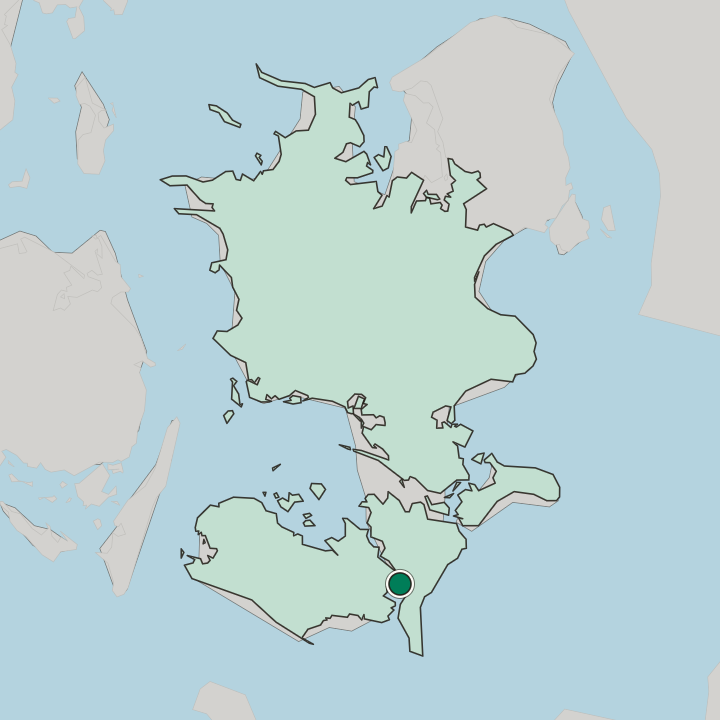
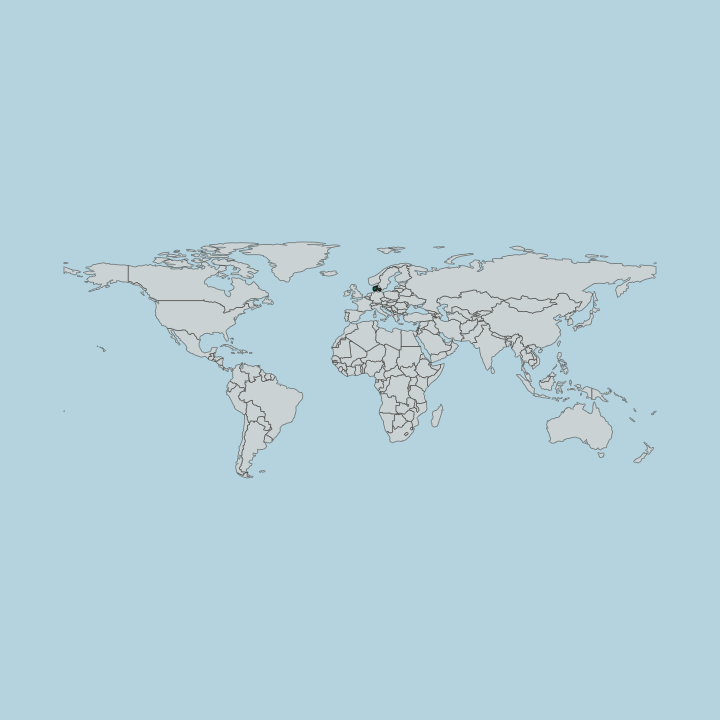
Nykøbing Falster lies on the island of Falster, in the southern part of Region Zealand, in eastern Denmark. The town stands on the sound that divides Falster from the neighbouring island, the old streets gathered around Klosterkirken and the harbour. Flat farmland rings the town.
Guldborgsund Municipality spreads across Falster and the land beyond the sound, taking in the country parishes whose churches, among them Lindeskovkirken and Nordre Kirke, stand among the fields away from the built-up centre.
What is the climate of Nykøbing Falster?
Nykøbing Falster has the mild, damp maritime climate of the southern Danish islands. Winters stay cool and grey rather than harsh, the surrounding water keeping hard frost and lasting snow off the low island ground through most of the season. Summers on Falster are warm and breezy.
The open sounds around Falster temper the heat and feed the wind that crosses the island under the long northern daylight, while cloud and rain off the Baltic reach this southern corner of Region Zealand the year round.
How do you get to Nykøbing Falster?
Nykøbing Falster sits on the rail line running south through Falster. Trains stop here on the route that links the island to the larger cities of Region Zealand, and the station lies a short walk from Klosterkirken and the old centre. Many cross by car.
Roads and the motorway carry the traffic of Guldborgsund Municipality over the sounds and bridges of the southern islands, while the wider airports handle the longer journeys of travellers reaching this part of eastern Denmark from abroad.
Common questions
What is the best area to stay in Nykøbing Falster?
Old centre by Klosterkirken: visitors wanting the Abbey Church and harbour museums. Scandlines Arena edge: drivers and visitors to the medieval museum. Guldborgsund Municipality parishes: travellers touring Falster by car.
Good for
More cities in Region Sjælland
Updated October 2026