Denmark · Region Sjælland
Where to Stay in Næstved, Region Sjælland
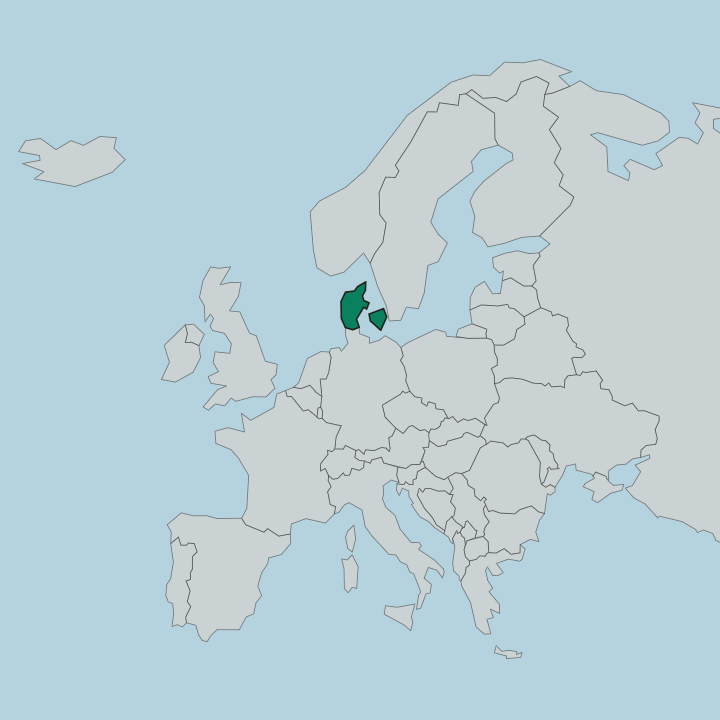
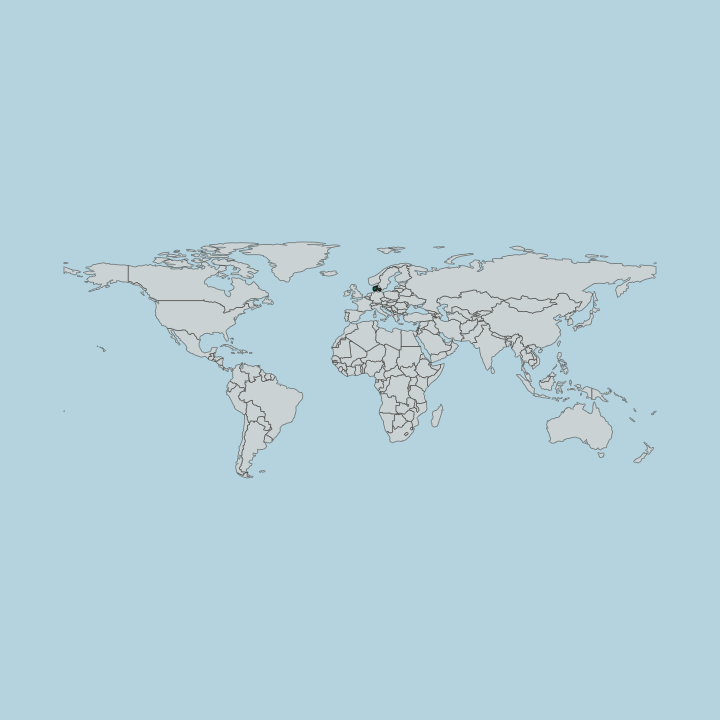
Næstved is a medieval market town in eastern Denmark, in the southern part of the island of Zealand.
Hotel links are affiliate links: booking through them may earn us a commission, at no extra cost to you. It never affects how places are ranked. How this works


Where to stay in Næstved
The practical side of choosing where to sleep.
The medieval core is the obvious base, the tight grid of streets between the Sankt Peders Kirke and the Sankt Mortens Kirke where most of Næstved's shops and cafés cluster. Stay here for the churches, the Næstved Museum and an easy walk to the station. The old town is small and walkable.
Visitors who want a quieter, greener footing look to the southern fringe around Rønnebæk Kirke and the heritage Grundtvigs Pavillon, where the town gives way to parkland and old estate grounds. It suits drivers and slow days. Families with a niche interest can build a stay around the outlying collections, the Næstved Automobilmuseum and the Medicinsk-historisk Museum, both a short hop from the centre.
Næstved is a working town more than a resort, so beds are steady rather than scarce, but a weekend in the warmer months still rewards booking ahead.
Find hotels in Næstved
Direct booking searches for these neighbourhoods.
Medieval core
Walkable old grid between the Sankt Peders Kirke and Sankt Mortens Kirke, with the Næstved Museum and shopsFind hotels in Medieval coreParkland stay by Rønnebæk Kirke and Grundtvigs PavillonSouthern fringe
Green estate edge around Rønnebæk Kirke and the heritage Grundtvigs Pavillon, quiet and suited to driversFind hotels in Southern fringeNear the Næstved Automobilmuseum and medical museumMuseum outskirts
Short hop from the Næstved Automobilmuseum and the Medicinsk-historisk Museum for niche collectionsFind hotels in Museum outskirtsHotel links are affiliate links: booking through them may earn us a commission, at no extra cost to you. It never affects how places are ranked. How this works
Things to do in Næstved
Ranked by global recognition; descriptions from Wikidata (CC0).
Museums & Galleries
1- Næstved Museum
Churches & Religious Sites
3- St. Peter's Church church building in Naestved Municipality
- St Martin's Church
- Rønnebæk Church
Landmarks & Notable Places
1- Venligheden Heritage house in Naestved Municipality
worth knowingacross 3 categories in Næstved
About Næstved
What is Næstved known for?
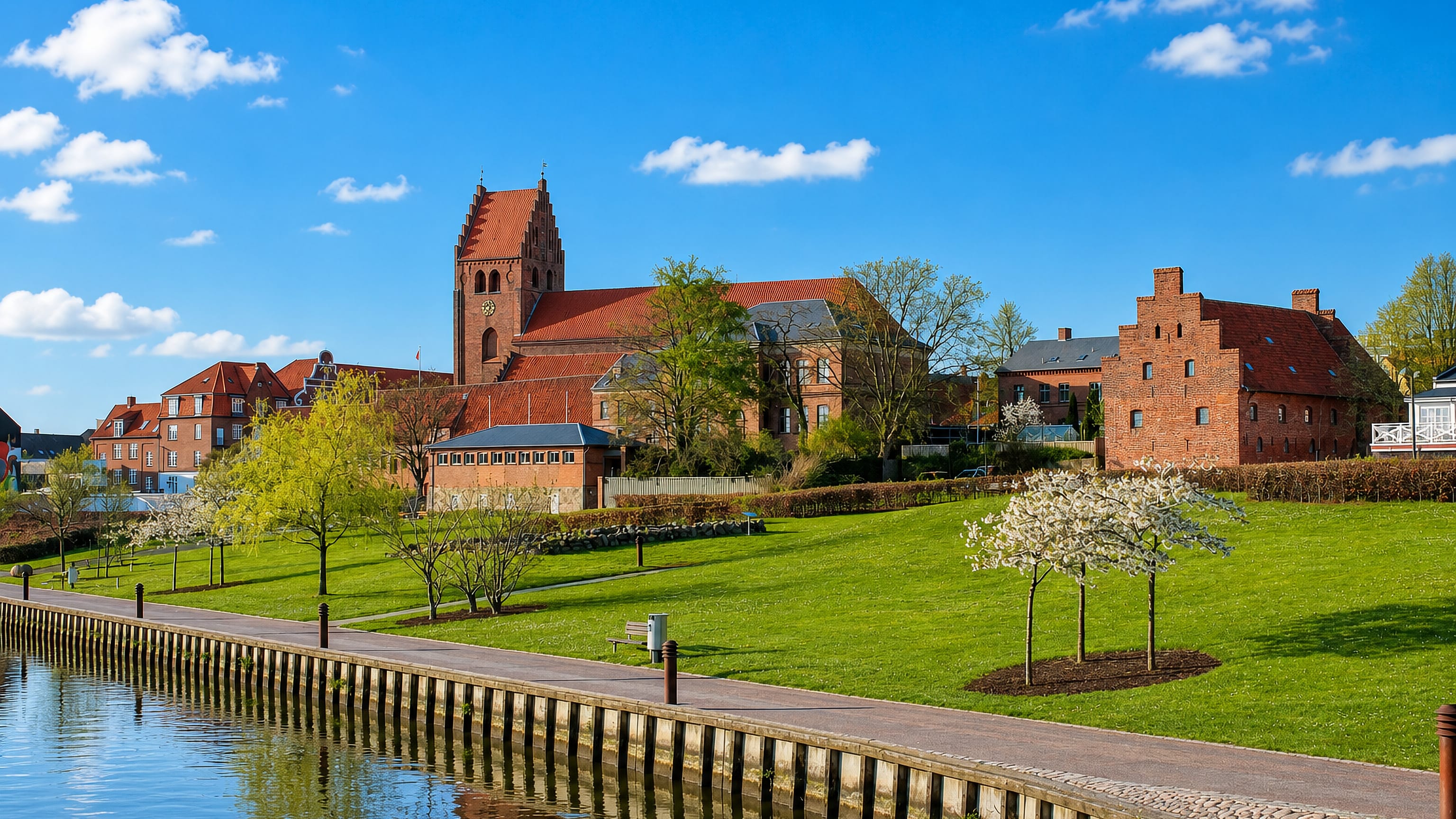
Næstved is southern Zealand's old trading town. Two great brick churches mark its centre, the Sankt Peders Kirke and the Sankt Mortens Kirke, raised when the town was a wealthy medieval market. The Næstved Museum keeps the long account of the merchants, monks and craftsmen who built it.
What are the main landmarks in Næstved?
The two brick churches dominate. Sankt Peders Kirke and Sankt Mortens Kirke carry Næstved's medieval skyline, and at the green edge of town the older Rønnebæk Kirke and the heritage Grundtvigs Pavillon recall the estates beyond the walls. Collections fill the rest.
The Næstved Museum, the Næstved Automobilmuseum, the Medicinsk-historisk Museum and the ancient monument of Fruens Plantage round out the town's sights.
What is the history of Næstved?
Næstved was one of southern Zealand's leading towns in the Middle Ages. A Benedictine house and a busy market drew merchants and craftsmen, and their wealth raised the two huge brick churches, the Sankt Peders Kirke and the Sankt Mortens Kirke, that still dominate the skyline. The town traded in earnest.
Its old grid of streets took shape around those spires. Fortunes shifted with the centuries. Reformation and changing trade routes thinned the medieval institutions, yet Næstved held on as a regional centre and a hub of pottery and craft industry, the story now told in the Næstved Museum.
Out at the estates beyond the walls, the heritage Grundtvigs Pavillon recalls the cultural life of the surrounding manors, and the parish church of Rønnebæk Kirke marks the old country edge of the district.
Where is Næstved?
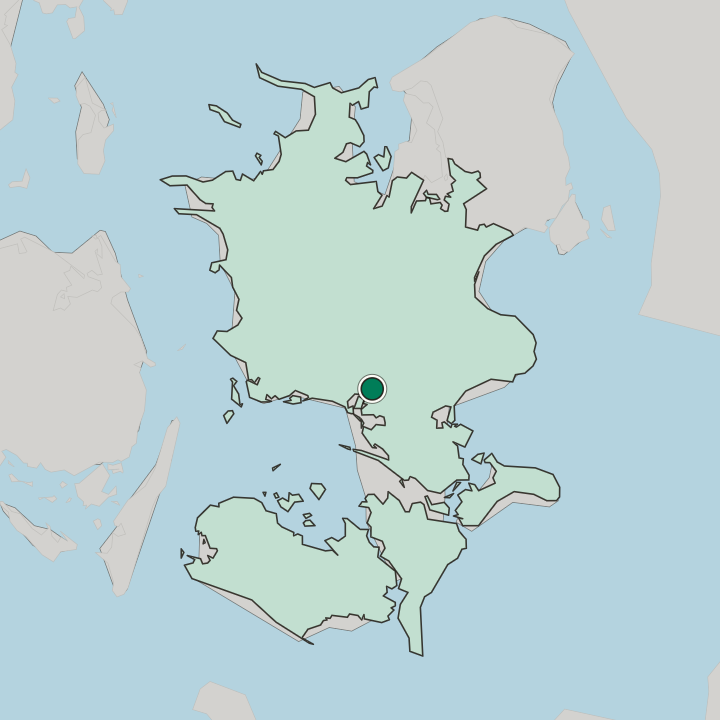
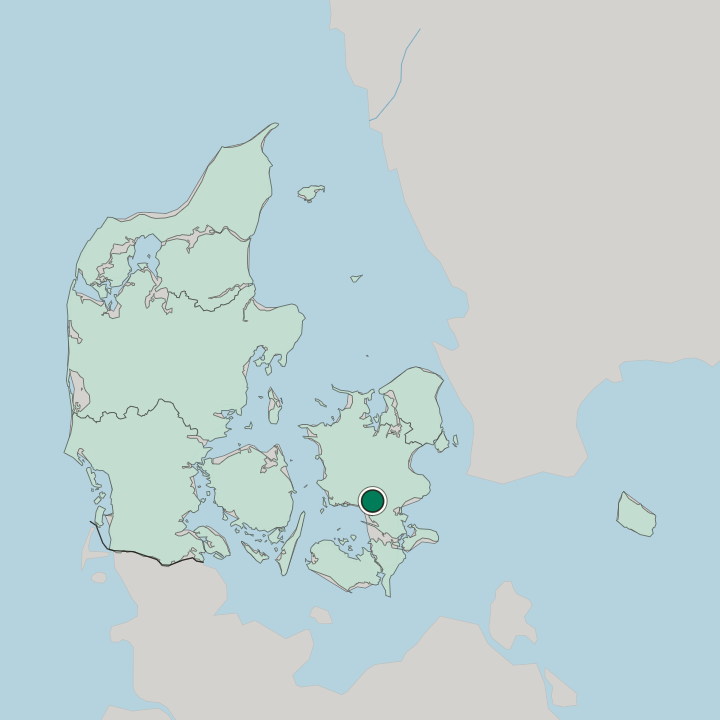
Næstved lies inland in the southern part of Region Zealand, on the island of Zealand. Gentle farmland rolls around it. The old town sits on rising ground above the surrounding fields, with the parish country of Rønnebæk Kirke and the green ground of Fruens Plantage marking where the built-up edge gives out.
What is the climate of Næstved?
Næstved has the temperate maritime climate of southern Zealand, milder and a touch drier than the open coast because it lies inland. Winters stay grey. Damp, overcast spells run longer than hard frost, and summers turn warm and changeable, the better stretches drawing people out to the parkland of Fruens Plantage and the country around Rønnebæk Kirke.
How do you get to Næstved?
Næstved sits on the rail line through southern Zealand, with regular trains linking it north toward the capital and south across the region. The motorway network reaches it by road. From the station the old centre is a short walk, leading up to the Sankt Peders Kirke and the heart of the medieval town.
Common questions
What is the best area to stay in Næstved?
Medieval core: Between Sankt Peders Kirke and Sankt Mortens Kirke. Southern fringe: Parkland stay by Rønnebæk Kirke and Grundtvigs Pavillon. Museum outskirts: Near the Næstved Automobilmuseum and medical museum.
Good for
More cities in Region Sjælland
Updated October 2026