Denmark · Region Sjælland
Where to Stay in Roskilde, Region Sjælland
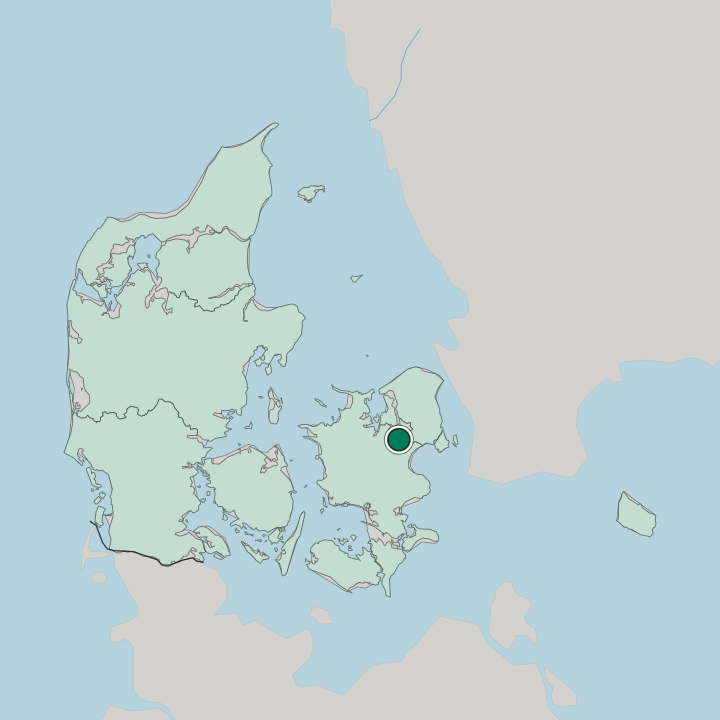
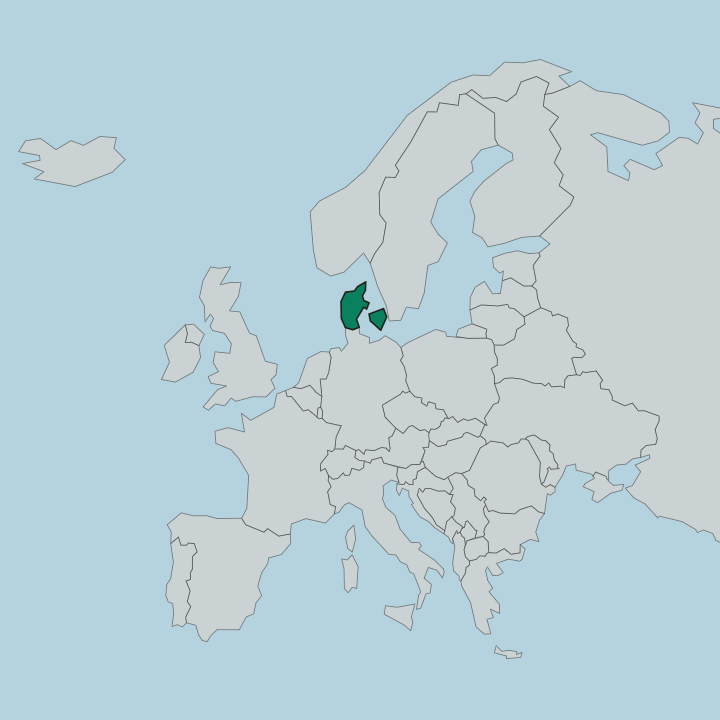
Roskilde is an old royal and cathedral city in eastern Denmark, on the island of Zealand west of Copenhagen.
Hotel links are affiliate links: booking through them may earn us a commission, at no extra cost to you. It never affects how places are ranked. How this works


Where to stay in Roskilde
One neighbourhood here has its own guide — here's what it is best for.
 RoskildeDenmark
Haraldsborg
Haraldsborg is a historic property in northeastern Roskilde, close to Roskilde Fjord and within reach of the Vikingeskibsmuseet.Where to stay →Hotel links are affiliate links: booking through them may earn us a commission, at no extra cost to you. It never affects how places are ranked. How this works
Find hotels in Roskilde
Direct booking searches for these neighbourhoods.
Old centre
Medieval streets rising from the Roskilde Fjord to the Roskilde Cathedral and museumsFind hotels in Old centreFjord-side base by the Vikingeskibsmuseet boatyardHarbour and Sankt Jørgensbjerg
Old shipwright quarter around Sankt Jørgensbjerg Kirke beside the VikingeskibsmuseetFind hotels in Harbour and Sankt JørgensbjergFestival and conference stays near Roskilde Kongres- & IdrætscenterSouthern venues
Close to the Roskilde Kongres- & Idrætscenter and the festival grounds at the town's southern edgeFind hotels in Southern venuesHotel links are affiliate links: booking through them may earn us a commission, at no extra cost to you. It never affects how places are ranked. How this works
Things to do in Roskilde
Ranked by global recognition; descriptions from Wikidata (CC0).
Museums & Galleries
3- Viking Ship Museum maritime history museum, archaeological museum
- Museet for Samtidskunst institution
- Roskilde Museum of Tools
Churches & Religious Sites
3- St Jørgensbjerg Church
- Old Church of Our Lady
- Sankt Laurentii Kirke
Castles & Historic Sites
1- Boserup Skov Heritage ancient monument
Stadiums & Sports
1- Roskilde Kongres- og Idrætscenter Danish conference venue and indoor arena
Landmarks & Notable Places
2- Rektorbolig Heritage
- Kastellet home of the Danish author and satirist Gustav Wied
worth knowingacross 5 categories in Roskilde
About Roskilde
Roskilde owes its renown to two things.
What is Roskilde known for?
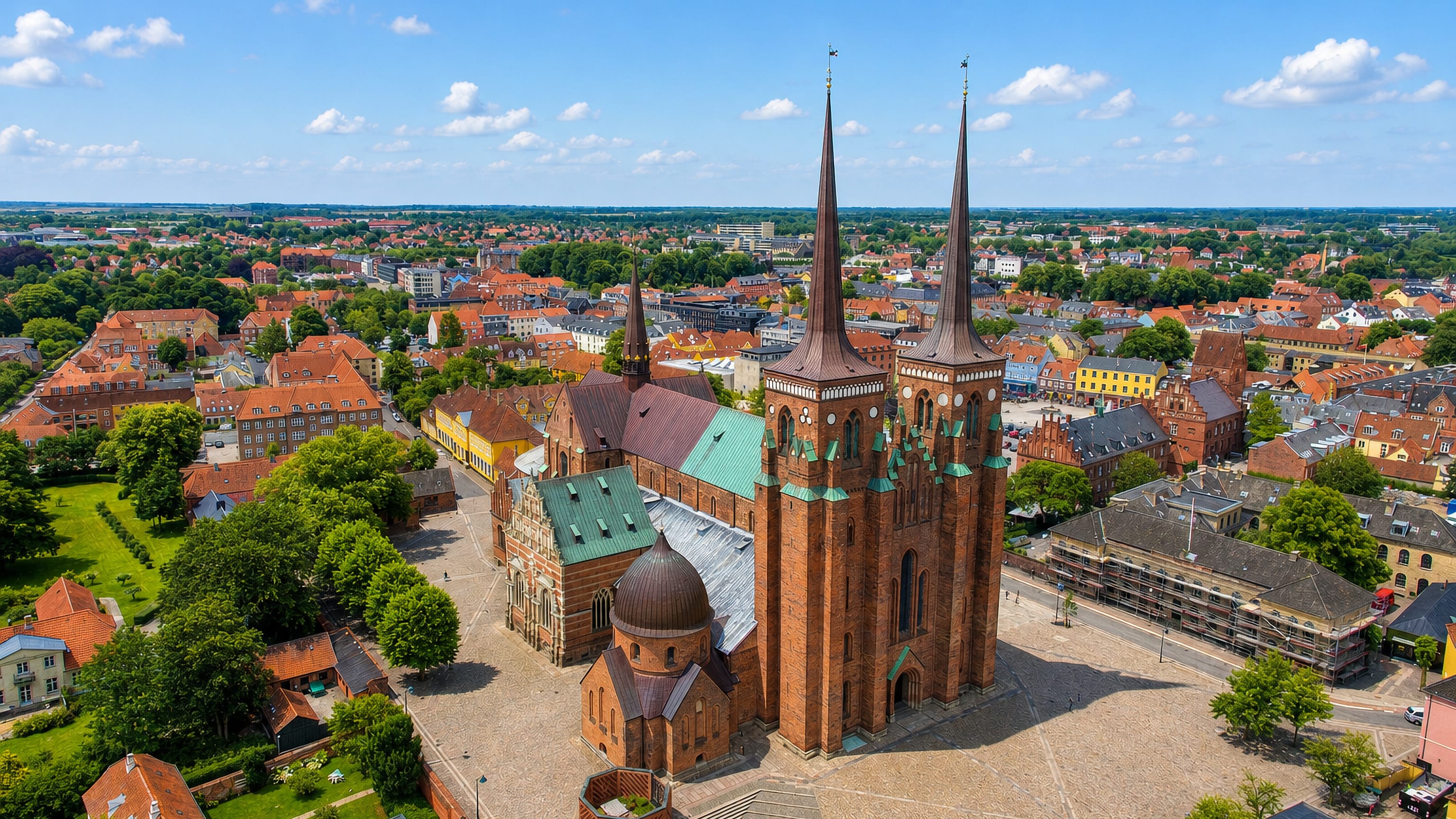
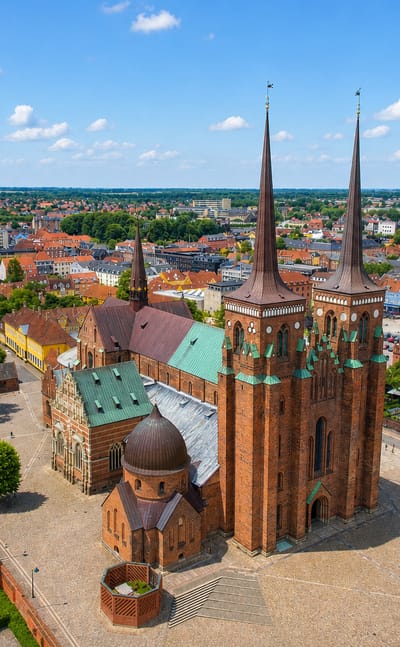
The Roskilde Cathedral, a World Heritage site, holds the tombs of Danish kings and queens, and down on the water the Vikingeskibsmuseet displays five excavated longships raised from the Roskilde Fjord. Once a year the Roskilde Festival fills the fields south of town with one of Europe's largest rock crowds.
What are the main landmarks in Roskilde?
Beyond the cathedral, Roskilde keeps a deep bench of museums. The Roskilde Museum traces the town's long story, the Håndværkermuseet gathers old tools and trades, and the Museet for Samtidskunst hangs contemporary art in the former royal mansion. Churches mark the medieval grid too.
The Gammel Vor Frue Kirke and the Sankt Laurentii Kirke stand among the streets, while the old fortification of Kastellet and the heritage Rektorboligen recall later centuries, and the woodland of Boserup Skov edges the fjord.
What is the history of Roskilde?
Roskilde began as a Viking-age settlement on the fjord that carries its name. By the early Middle Ages it had become a royal seat and the spiritual centre of the kingdom, and the great brick cathedral that crowns the town grew into the burial church of Danish monarchs, the role that later won it World Heritage standing. Kings were made and laid to rest here.
The fjord shaped its fortunes. Trade and shipping ran up the Roskilde Fjord to the quays below the town, and the longships later raised by the Vikingeskibsmuseet were scuttled across that very channel as a medieval defence. Power drifted to Copenhagen as the capital rose, and Roskilde settled into the role of provincial cathedral town.
Its older fabric endures in the streets around the Gammel Vor Frue Kirke and on the harbour rise at Sankt Jørgensbjerg Kirke.
Where is Roskilde?
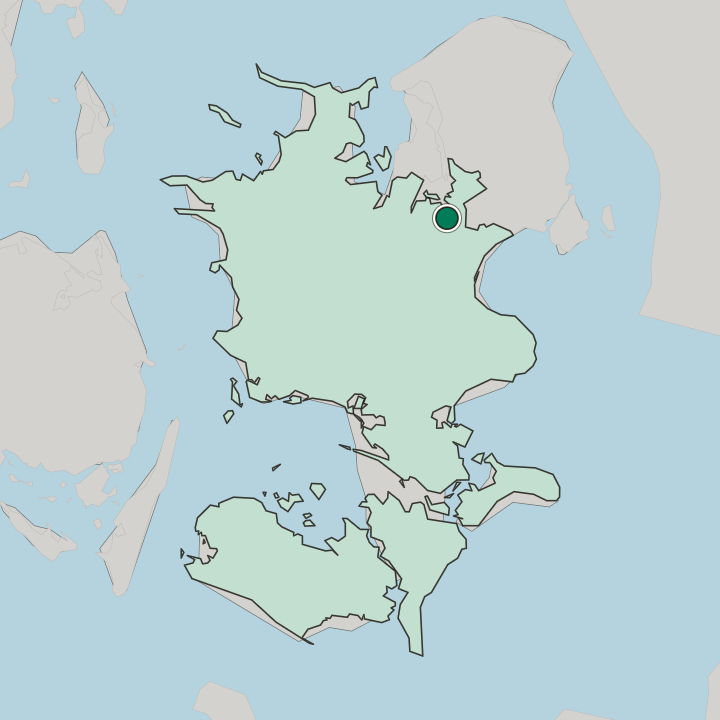
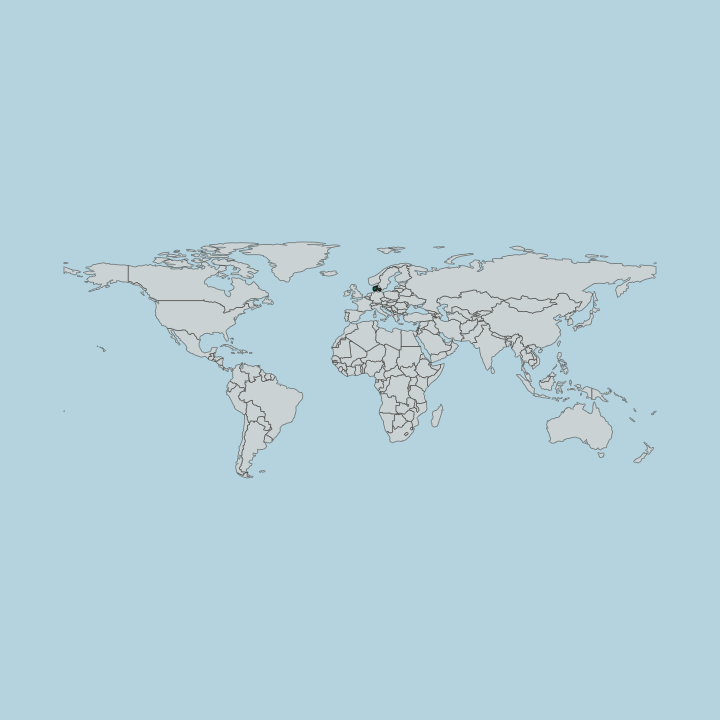
Roskilde stands at the head of the Roskilde Fjord, in the north-eastern part of Region Zealand on the island of Zealand. The town climbs from the water on a gentle rise. Around it spread the farmed lowlands of inland Zealand, with the wooded shore of Boserup Skov running west along the fjord, and Copenhagen lies a short way east.
What is the climate of Roskilde?
The fjord moderates the seasons. Roskilde shares the temperate maritime climate of eastern Zealand, where the sheltered water of the Roskilde Fjord softens both winter cold and summer heat into a mild, changeable round. Showers reach Roskilde in every season.
Grey, damp spells give way to bright, breezy stretches that fill the fjord with sails.
How do you get to Roskilde?
Roskilde sits on the main rail line west of Copenhagen, a short hop by frequent trains from the capital. The motorway runs close by for drivers. From the station it is a downhill walk through the old streets to the Roskilde Cathedral and on to the harbour and the Vikingeskibsmuseet on the fjord.
Common questions
What is the best area to stay in Roskilde?
Old centre: Cathedral-side stays climbing from the fjord to Roskilde Cathedral. Harbour and Sankt Jørgensbjerg: Fjord-side base by the Vikingeskibsmuseet boatyard. Southern venues: Festival and conference stays near Roskilde Kongres- & Idrætscenter.
Good for
More cities in Region Sjælland
Updated October 2026