Spain · Catalunya
Where to Stay in Sant Cugat del Vallès, Catalunya
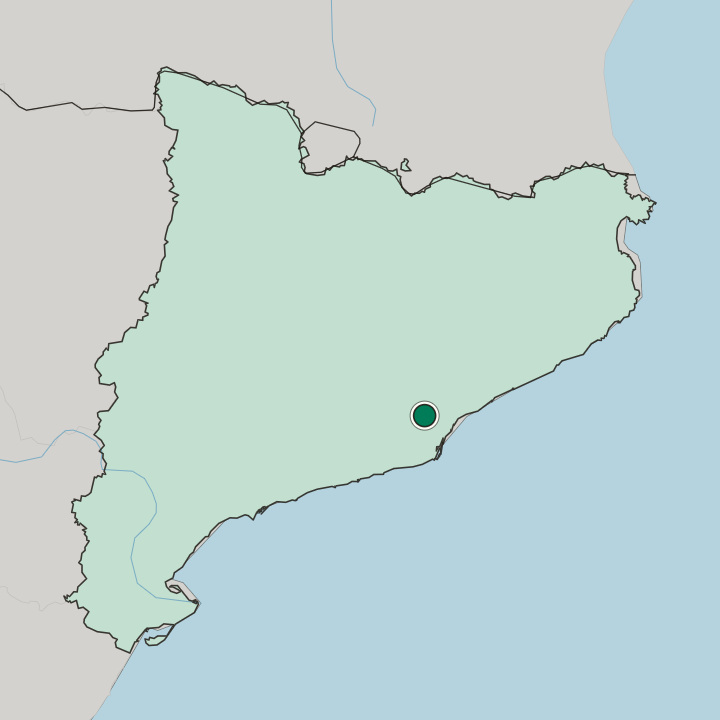
Sant Cugat del Vallès grew around a Benedictine monastery northwest of Barcelona, with the Collserola range standing between the town and the city.
Hotel links are affiliate links: booking through them may earn us a commission, at no extra cost to you. It never affects how places are ranked. How this works


Where to stay in Sant Cugat del Vallès
Where visitors usually base themselves, and why.
The monastery anchors everything. Rooms in the streets around the Monastery of Sant Cugat put the cloister, the Sant Cugat Museum and the old addresses of Cal Ros Barber, Fonda del Comerç and Cal Tartraner within a walk of each other, which is the whole point of staying in the middle. Casa Lluch, Casa Armet and Cases Pere Català line the same short circuit.
Market mornings suit that side. It works for you if the plan is the abbey early, lunch late and no car at all. Collserola pulls the other way.
The municipality takes in part of Collserola Natural Park, and beds on that side trade the medieval centre for trailheads, quiet nights and the Ermita de Sant Adjutori standing out among the trees. Walkers do better out there. Anyone commuting in rather than out wants to be near the line instead of the woods, since the ridge is what separates the two towns and the crossing is the fixed cost of the day.
Barcelona lies over the range. Castell de Sant Marçal and the Can Vernet bridge fill out the same municipality.
Find hotels in Sant Cugat del Vallès
Direct booking searches for these neighbourhoods.
Around the abbey
The medieval centre, with the Sant Cugat Museum and the Fonda del Comerç on the same roundFind hotels in Around the abbeyWalkers heading into Collserola Natural ParkThe Collserola side
Trailheads and the Ermita de Sant Adjutori in place of streets. Few places to stay nearby — book ahead.Find hotels in The Collserola sideDrivers using the Castell de Sant Marçal end of the municipalityTowards Sant Marçal
Outer Vallès ground, crossed by the Can Vernet bridge. Few places to stay nearby — book ahead.Find hotels in Towards Sant MarçalHotel links are affiliate links: booking through them may earn us a commission, at no extra cost to you. It never affects how places are ranked. How this works
Things to do in Sant Cugat del Vallès
Ranked by global recognition; descriptions from Wikidata (CC0).
Museums & Galleries
1- Sant Cugat Museum
Churches & Religious Sites
2- Monastery of Sant Cugat Heritage
- Ermita de Sant Adjutori Heritage
Castles & Historic Sites
2- Castell de Sant Marçal Heritage
- Can Vernet bridge Heritage
Landmarks & Notable Places
8- Casa Lluch Heritage
- Casa Armet Heritage
- Cal Maristany Heritage
- Penya Blaugrana Heritage
- Cal Ros Barber Heritage
Show 3 more →
- Cal Salero Heritage
- Cal Tartraner Heritage
- Cases Pere Català Heritage
worth knowingacross 4 categories in Sant Cugat del Vallès
About Sant Cugat del Vallès
The Monastery of Sant Cugat is the reason to come.
What is Sant Cugat del Vallès known for?
Built between the ninth and the fourteenth centuries as a Benedictine abbey, it stands on the ground where Saint Cucuphas is said to have been martyred, and the town carries his name because of it. Collserola does the rest. Part of Collserola Natural Park falls inside the municipality, which puts protected woodland and a medieval cloister inside one set of boundaries.
The Sant Cugat Museum keeps the rest of the record.
What are the main landmarks in Sant Cugat del Vallès?
One building outranks the rest. The Monastery of Sant Cugat, a Benedictine abbey raised between the ninth and the fourteenth centuries, holds the cloister that draws most of the visits, and the Sant Cugat Museum works alongside it. Houses make up the long tail: Casa Armet, Casa Jacint Bruguera, Casa Lluch, Cal Maristany, Cal Salero, Cal Guillem and the three Conjunt Maria Llinàs groups.
Two more names stand outside the streets, the Castell de Sant Marçal and the Ermita de Sant Adjutori. Can Vernet bridge crosses the water.
What is the history of Sant Cugat del Vallès?
Antiquity called it Castrum Octavianum. The name Sant Cugat del Vallès came later, from Saint Cucuphas, who is said to have been martyred on the ground the medieval monastery now occupies, and the second half of it points to Vallès, the historical county the town belongs to. Pins del Vallès replaced both for a time.
That was the name the town carried during the Second Spanish Republic, before the older one came back. Three names, one place. Benedictines built in stages.
Work on the Monastery of Sant Cugat ran from the ninth century to the fourteenth, which is why the fabric carries several medieval periods at once instead of a single one, and the cloister remains the centre of any visit. Houses came much later. Casa Armet, Casa Jacint Bruguera, Casa de Francesca Bracons, Casa de Pau Vilardell, Cal Ros Barber and the Fonda del Comerç are the domestic and commercial layer that grew up around the abbey, and the Sant Cugat Museum now reads all of it back.
Castell de Sant Marçal belongs to the same long record. Collserola still carries the woods that the name Pins del Vallès recalls.
Where is Sant Cugat del Vallès?
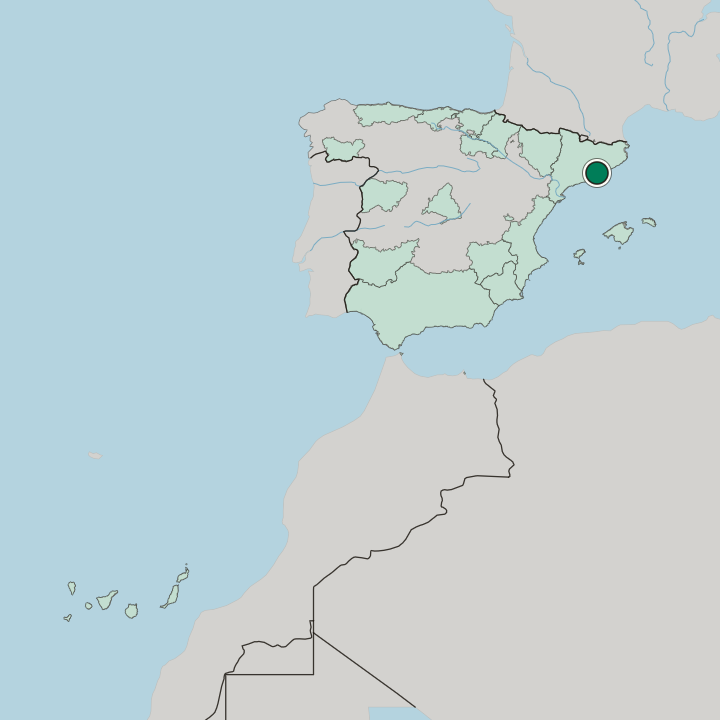
Collserola separates the town from Barcelona. Sant Cugat del Vallès covers about 48 square kilometres on the far side of that range, part of it inside Collserola Natural Park, so woodland and built streets share a single municipality. Vallès opens out beyond.
The historical county gives the town the second half of its name, and the ground there runs flatter than the ridge behind it.
What is the climate of Sant Cugat del Vallès?
Collserola stands between the town and the coast. That ridge takes the sea air out of the equation more than it would be in a coastal town, so summer heat settles over the Vallès ground and the cloister walls of the Monastery of Sant Cugat hold their shade well into the afternoon. Shade matters more than heating.
The temperate band and the northern calendar put the hottest weeks in July and August, and Collserola Natural Park is where people go when the streets get too warm.
How do you get to Sant Cugat del Vallès?
Everything comes over or around Collserola. Sant Cugat del Vallès lies northwest of Barcelona on the other side of the range, and the rail into it is the standard way through, which makes the town an easy day trip in either direction. Roads take the same gap.
Once here, the Monastery of Sant Cugat is walkable from the centre, while drivers making for Collserola Natural Park or the Castell de Sant Marçal want the outer roads instead.
Common questions
What is the best area to stay in Sant Cugat del Vallès?
Around the abbey: Cloister mornings at the Monastery of Sant Cugat. The Collserola side: Walkers heading into Collserola Natural Park. Towards Sant Marçal: Drivers using the Castell de Sant Marçal end of the municipality.
Good for
More cities in Catalunya
Updated October 2026