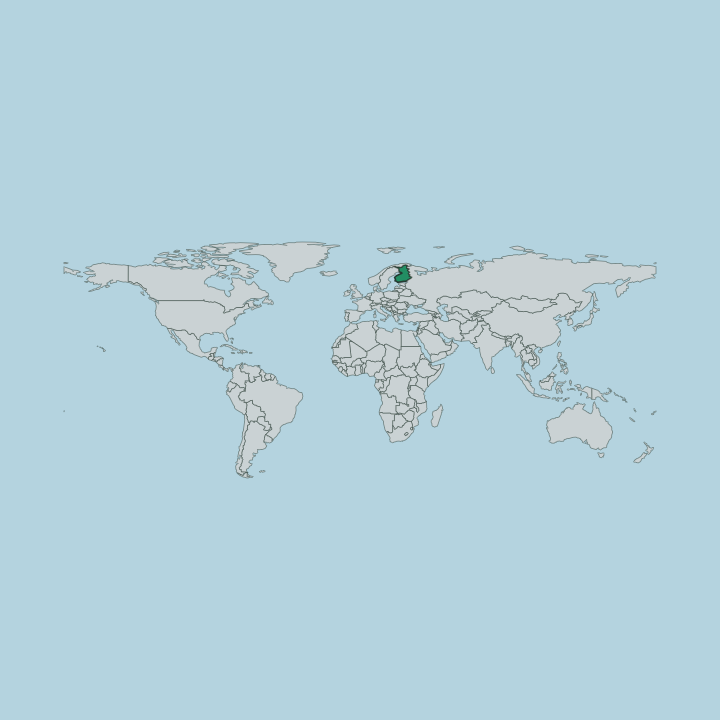
Finland · South Karelia Region
Where to Stay in Lappeenranta, South Karelia Region
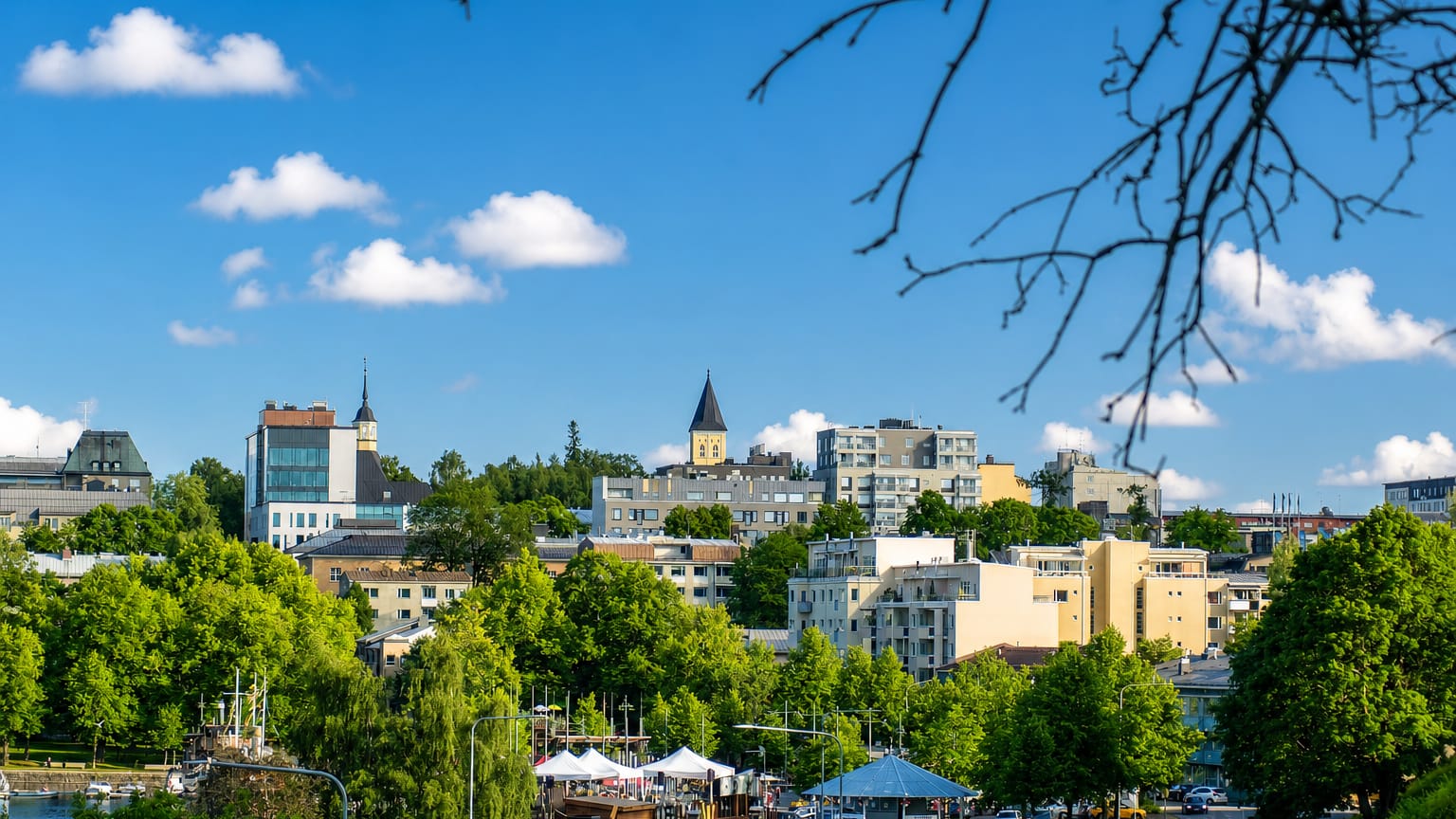
Lappeenranta is a garrison city in South Karelia, south-eastern Finland, chartered in 1649 above the lake shore.
Find your area →


Where to stay in Lappeenranta
Each area has its own feel; here's who each one suits.
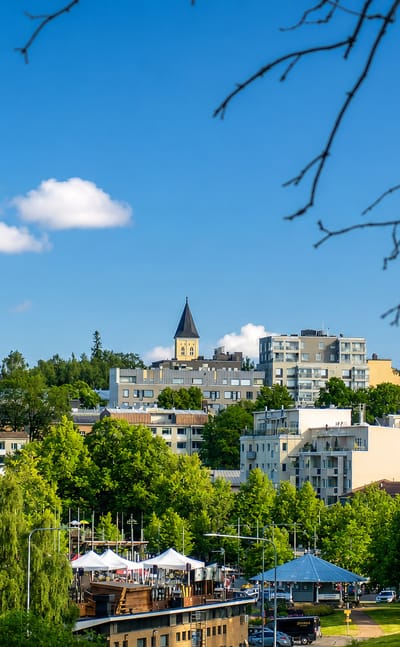
 LappeenrantaFinland
Tykki
Tykki is a central, museum-rich district of southern Lappeenranta, in south-eastern Finland.Where to stay →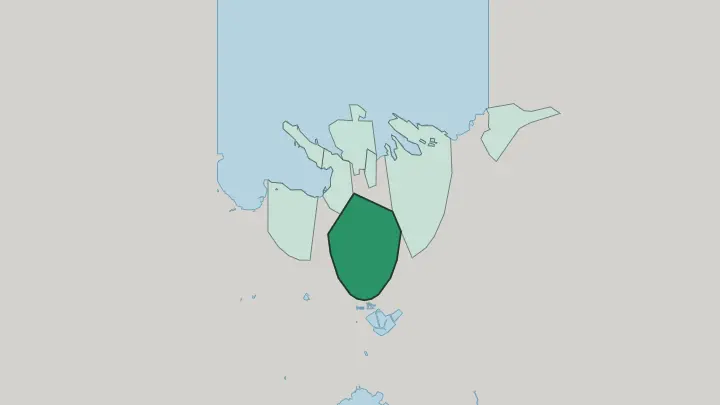 LappeenrantaFinland
Pallo
Pallo is a museum-lined district of Lappeenranta, set in the western part of this city in south-eastern Finland.Where to stay →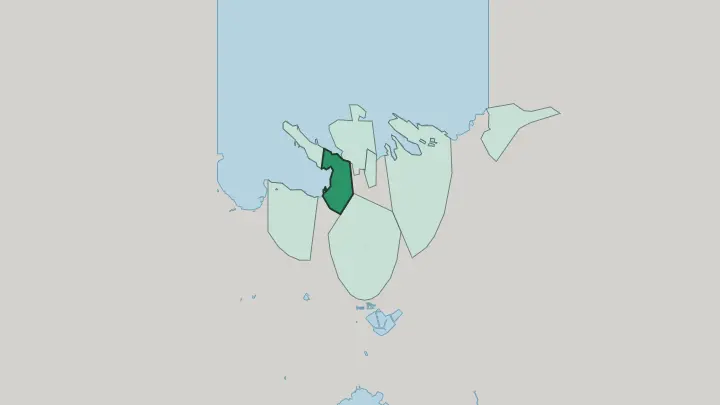 LappeenrantaFinland
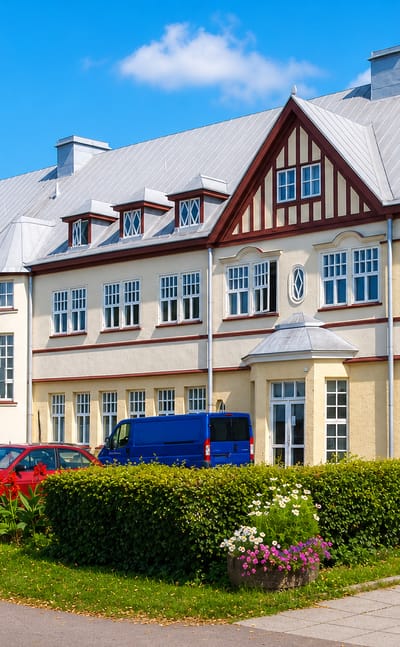
Linnoitus
Linnoitus is the old fortress quarter of Lappeenranta, the historic core of this city in south-eastern Finland.Where to stay →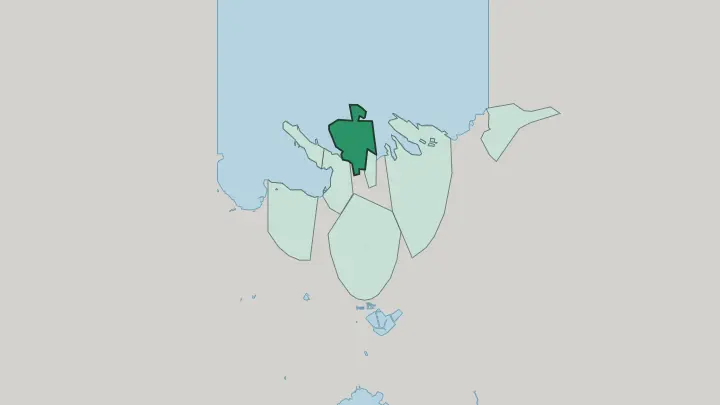
 LappeenrantaFinland
Kylpylä
Kylpylä is the spa district of Lappeenranta, set in the south-eastern part of this city in south-eastern Finland.Where to stay →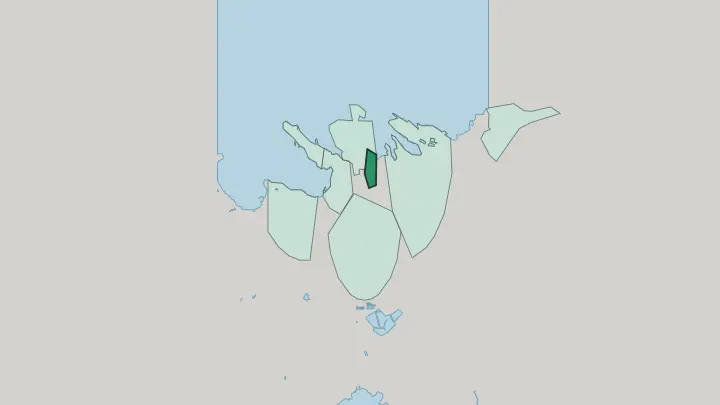 LappeenrantaFinland
Kahilanniemi
Kahilanniemi is a north-eastern district of Lappeenranta, a quarter of this city in south-eastern Finland.Where to stay →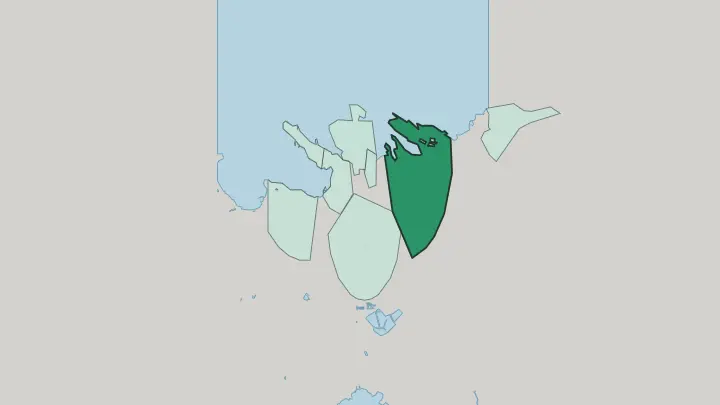 LappeenrantaFinland
Tyysterniemi
Tyysterniemi is a north-western district of Lappeenranta, a residential quarter of this city in south-eastern Finland.Where to stay →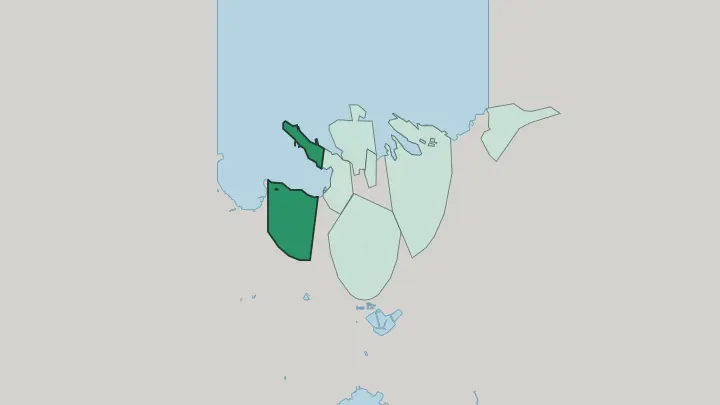
All neighbourhoods (28)
LappeenrantaFinlandVoisalmi
Voisalmi is a district at the northern end of Lappeenranta, in South Karelia, with Kivisalmi beyond it and Tyysterniemi to the south.Where to stay →LappeenrantaFinlandLeiri
Leiri is the fifth district of Lappeenranta, set between the city centre and the airport and reaching the shore of Saimaa. Military camps gave it the name.Where to stay →LappeenrantaFinlandPeltola
Peltola is a central Lappeenranta district holding the Lappeenrannan museot and the JR 4:n muistokivi.Where to stay →LappeenrantaFinland
Lauritsala
Lauritsala is a north-eastern district of Lappeenranta, a former mill village now part of this city in south-eastern Finland.Where to stay →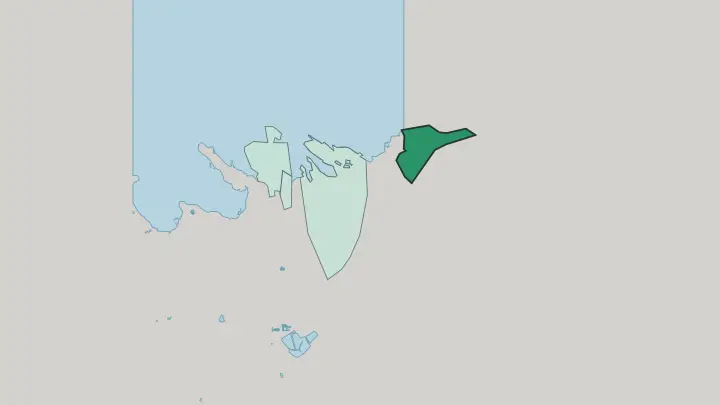 LappeenrantaFinland
Kourula
Kourula is a Lappeenranta district known for the Karjalan ilmailumuseo and the Folland Gnat -muistomerkki beside it.Where to stay →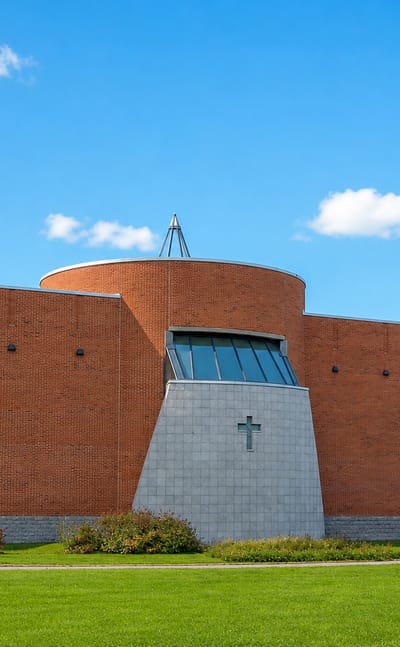 LappeenrantaFinland
Sammonlahti
Sammonlahti is a district on the western side of Lappeenranta, in South Karelia, and Sammonlahden kirkko is its recorded landmark.Where to stay →LappeenrantaFinlandKivisalmi
Kivisalmi is a district of Lappeenranta about four kilometres out from the city centre, with Voisalmi as its closest neighbour.Where to stay →LappeenrantaFinlandAlakylä
Alakylä is a district of Lappeenranta barely a kilometre from the city centre, pressed up against Taikinamäki and Peltola.Where to stay →LappeenrantaFinlandKuusimäki
Kuusimäki is a district of Lappeenranta in South Karelia, sharing its entry in the record with neighbouring Huhtiniemi to the north.Where to stay →LappeenrantaFinlandHuhtiniemi
Huhtiniemi is a Lappeenranta neighbourhood on a cape of the same name, reaching north into Saimaa two kilometres west of the town centre.Where to stay →LappeenrantaFinlandPikisaari
Pikisaari is a district on the northern side of Lappeenranta, in South Karelia, close to Rapasaari and the Linnoitus quarter.Where to stay →LappeenrantaFinlandRakuunamäki
Rakuunamäki is the Lappeenranta district that carries Lappeenrannan kirkko, with Pallo and Leiri within half a kilometre of it.Where to stay →LappeenrantaFinlandKesämäki
Kesämäki is a Lappeenranta district under two kilometres from the centre, with Mattila, Tykki and Leiri as its nearest neighbours.Where to stay →LappeenrantaFinlandParkkarila
Parkkarila is a named district of Lappeenranta, and the public record leaves it almost bare beyond that.Where to stay →LappeenrantaFinlandRapasaari
Rapasaari and Pikisaari lie closer together than any other pair of Lappeenranta districts, barely three hundred metres apart.Where to stay →LappeenrantaFinlandMattila
Mattila is a Lappeenranta district nearly three kilometres from the centre, with Kesämäki and Mäntylä closest to it.Where to stay →LappeenrantaFinlandHyrymäki
Hyrymäki belongs to the Lappeenranta cluster of districts that includes Myllymäki and Parkkarila, none of them carrying a listed landmark.Where to stay →LappeenrantaFinlandMäntylä
Mäntylä sits at the outer edge of the Lappeenranta district roster, with its nearest neighbour, Mattila, more than a kilometre off.Where to stay →LappeenrantaFinlandTaikinamäki
Taikinamäki is a Lappeenranta district a short walk from the centre, wedged between Alakylä, Peltola and Kylpylä.Where to stay →LappeenrantaFinlandMyllymäki
Lappeenranta divides into small named districts, and Myllymäki is one of them, mapped and titled but left blank in the wider record.Where to stay →LappeenrantaFinlandReijola
Reijola shares a tight corner of Lappeenranta with Tykki and Myllymäki, each under a kilometre off and none of them carrying a listed sight.Where to stay →LappeenrantaFinlandLavola
Lavola is a Lappeenranta district set among Sammonlahti, Kourula and Kuusimäki, close to four kilometres from the centre.Where to stay →Things to do in Lappeenranta
Ranked by global recognition; descriptions from Wikidata (CC0).
Museums & Galleries
3- Ratsuväkimuseo military museum
- Lappeenrannan taidemuseo
- Vihreä makasiini
Churches & Religious Sites
3- Lappeen kirkko Heritage
- Lauritsalan kirkko Heritage
- Jumalansynnyttäjän suojeluksen kirkko Heritage Eastern Orthodox church
Landmarks & Notable Places
1- Wolkoffin talo Heritage old merchant house
worth knowingacross 3 categories in Lappeenranta
About Lappeenranta
What is Lappeenranta known for?
Lappeenranta is known for its hilltop fortress and the regiments quartered here over centuries. The Fortress of Lappeenranta crowns the old town above the harbour, and within it stands the Jumalansynnyttäjän suojeluksen kirkko, the oldest Orthodox church in Finland. Garrison and faith shaped the place.
Cavalry memorials such as the Rakuunakivi and museums like the Ratsuväkimuseo recall the dragoons who drilled at the city's heart, the seat of South Karelia in south-eastern Finland.
What are the main landmarks in Lappeenranta?
The Fortress of Lappeenranta holds the city's oldest ground. Inside its walls the Jumalansynnyttäjän suojeluksen kirkko and the regional Etelä-Karjalan museo draw visitors up from the harbour, while the Lappeen kirkko, St. Mary's Church of Lappee, keeps the Lutheran parish below. Three churches mark the skyline.
Out by the airfield the Karjalan ilmailumuseo, the Karelia Aviation Museum, gathers old aircraft, and the Wolkoffin talo recalls the merchant trade that ran through this corner of South Karelia.
What is the history of Lappeenranta?
Lappeenranta was chartered in 1649, in the century when Sweden held this eastern march and ringed its border towns with earthworks. The fortress hill above the lake grew into a military post, and the place changed hands as the frontier between Sweden and Russia shifted east. Borders moved often here.
After the wars of the eighteenth century the fortress passed to Russia, and the Jumalansynnyttäjän suojeluksen kirkko was raised within the walls for the Orthodox garrison, the oldest church of its faith in the country. The Lappeenrannan taistelun muistomerkki marks the battle fought at the town in 1741, one of the clashes that decided who held this stretch of South Karelia. Cavalry took the place in the years that followed.
Dragoon regiments quartered on Rakuunamäki drilled here, leaving the Rakuunakivi and the other memorials that still stand around the old garrison, and the city kept its soldierly cast as the seat of the surrounding region in south-eastern Finland.
Where is Lappeenranta?
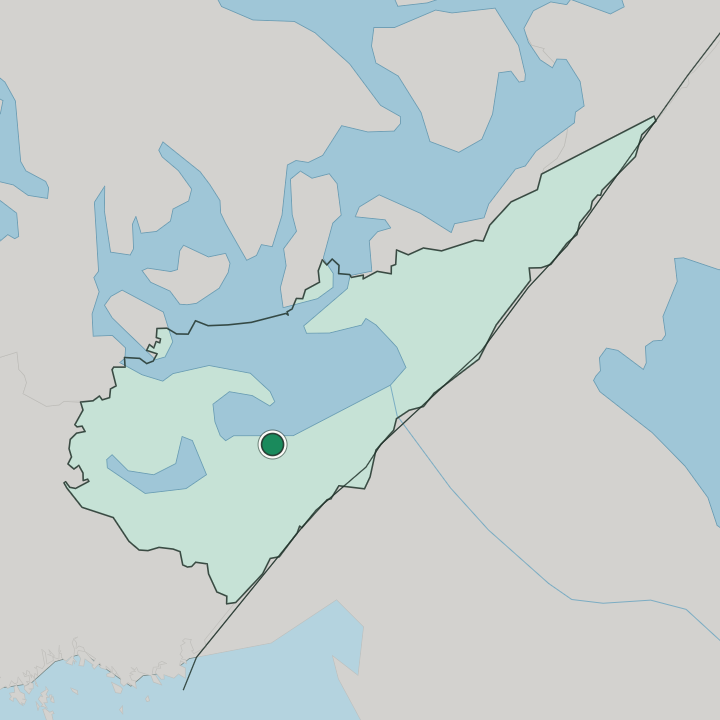
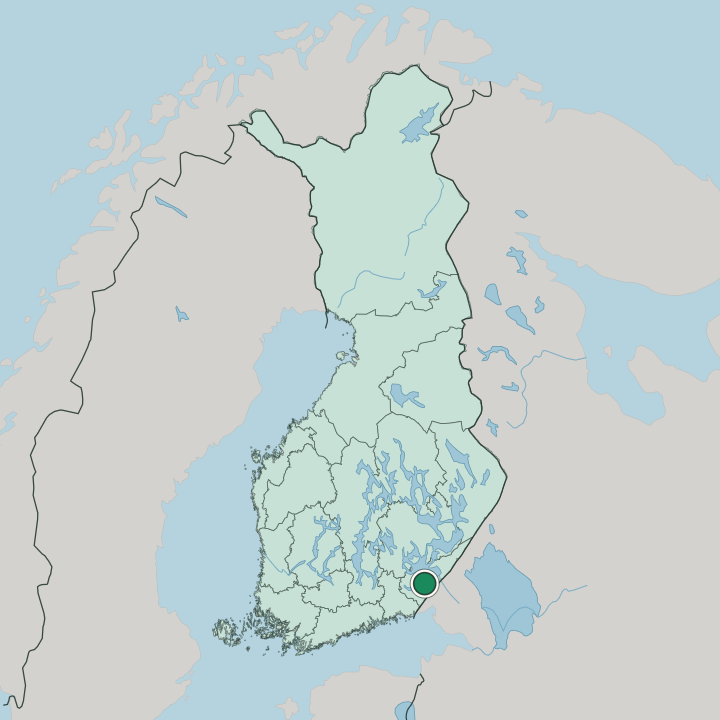
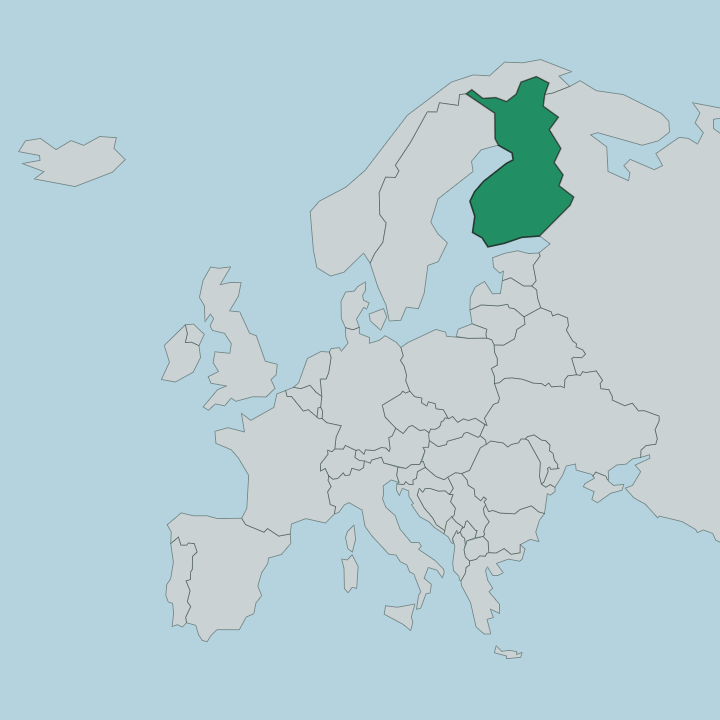
Lappeenranta sits on a lake shore in the far south-east of Finland, where the fortress hill rises above the harbour and the water reaches off toward the Russian border. The city anchors South Karelia, a region of forests, lakes, and the long inland waterway that runs down to the sea. Lakes define the country here.
Wide and low, the surrounding parish spreads across woodland and shore around the historic core, the largest city of this corner of south-eastern Finland.
What is the climate of Lappeenranta?
Lappeenranta has the long, cold winters of inland South Karelia, with deep snow lying over the fortress hill and the frozen lake for months. Summers are short and warm, drawing harbour crowds and lake boats while the light stretches late across south-eastern Finland. Lappeenranta's seasons swing hard between deep winter and brief warm summer.
Spring breaks the ice slowly. Autumn brings rain and an early dusk to the woods around the city before the snow returns.
How do you get to Lappeenranta?
Lappeenranta lies on the rail line east of the capital, and trains run to the city station near the lake. Its own airport keeps a small terminal beside the Karjalan ilmailumuseo, while roads cross South Karelia toward the nearby Russian frontier. The border is close here.
From the station and harbour the fortress hill and old town are a short walk, the compact heart of this seat of south-eastern Finland.
Good for
More cities in South Karelia Region
Updated September 2026