France · Hauts-de-France
Where to Stay in Amiens, Hauts-de-France
Gothic stone towers over Amiens, a city in Hauts-de-France in northern France, known for Amiens Cathedral and the Belfry of Amiens.
Hotel links are affiliate links: booking through them may earn us a commission, at no extra cost to you. It never affects how places are ranked. How this works


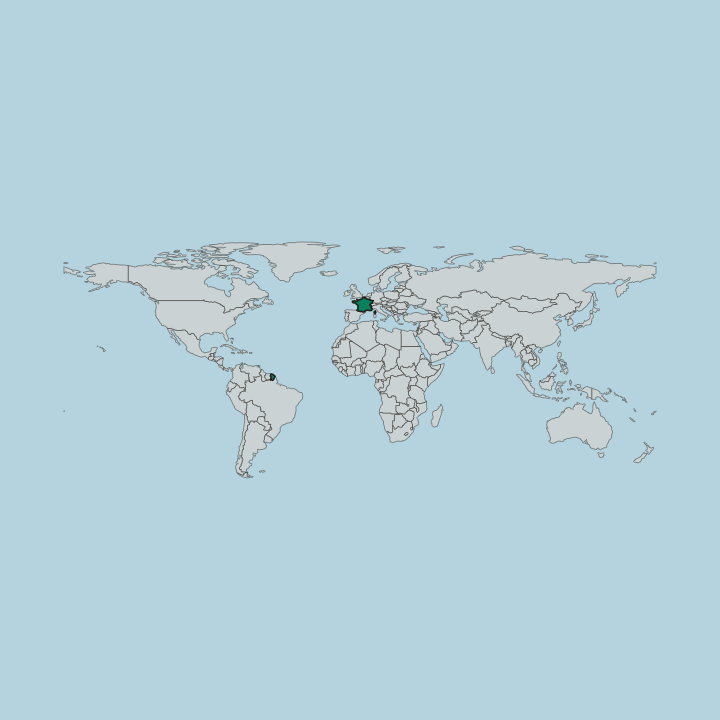
Where to stay in Amiens
Where the beds are, and what that means for the visit.
Most visitors base themselves near the cathedral, where Amiens Cathedral, the Belfry of Amiens, and the shopping streets of the centre sit within one walkable core of the old town. The great front fills the square. Around the cathedral the cafés and hotels gather under the Gothic towers, and the pace holds through the day near the Belfry of Amiens.
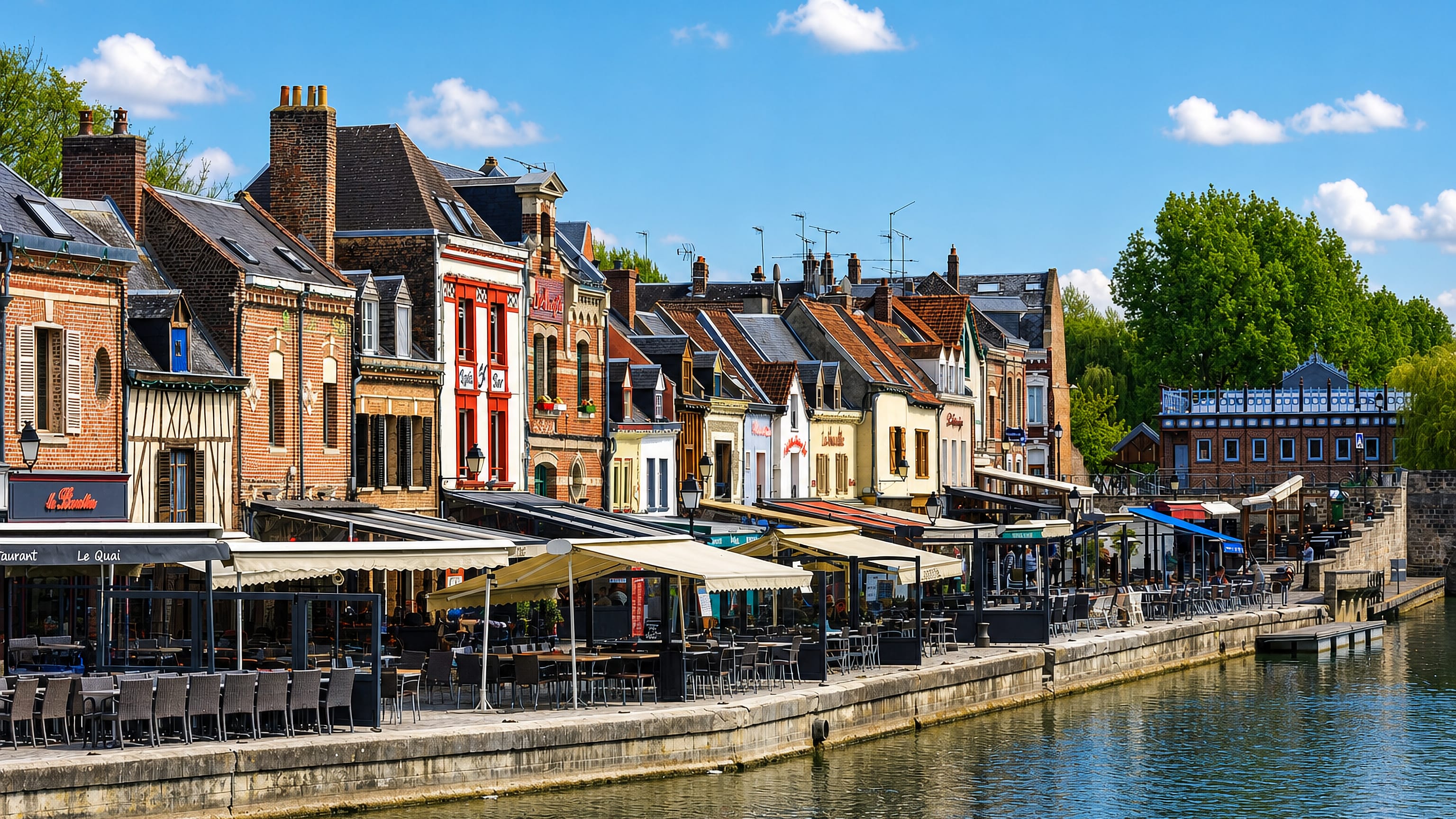
Rooms here go early in the warmer months. For a base among the canals, travellers choose the Saint-Leu quarter, where low coloured houses line the water channels below the Église Saint-Leu and the restaurants crowd the little bridges. The riverside offers a third choice.
Along the green edge toward the market gardens the ground opens into water and reed, an easy stretch from the centre. If you want museums on the doorstep, the blocks near the Musée de Picardie and the Maison de Jules Verne set the region's art and the writer's house a short walk apart.
Find hotels in Amiens
Direct booking searches for these neighbourhoods.
The cathedral quarter of Amiens
Amiens Cathedral and the Belfry of Amiens stand within one walkable core of the old town, ringed by the central shopping streets.Find hotels in The cathedral quarter of AmiensTravellers wanting the coloured houses along the waterThe Saint-Leu canal quarter
Low painted houses line the water channels of Saint-Leu below the Église Saint-Leu, with restaurants crowding the little bridges.Find hotels in The Saint-Leu canal quarterVisitors wanting green water-meadows near the centreThe market-garden riverside
The green edge toward the market gardens opens into reed and water channels an easy stretch from the Amiens cathedral core.Find hotels in The market-garden riversideTravellers who want the museums closeNear the Musée de Picardie and the Maison de Jules Verne
The blocks by the Musée de Picardie and the Maison de Jules Verne set the region's art and the writer's study a short walk apart.Find hotels in Near the Musée de Picardie and the Maison de Jules VerneHotel links are affiliate links: booking through them may earn us a commission, at no extra cost to you. It never affects how places are ranked. How this works
Things to do in Amiens
Ranked by global recognition; descriptions from Wikidata (CC0).
Museums & Galleries
2- Musée de Picardie Heritage
- Hotel de Berny Museum Heritage
Churches & Religious Sites
8- Église Saint-Honoré d'Amiens Heritage
- Église Saint-Leu, Amiens Heritage
- Église Saint-Martin d'Amiens Heritage
- Église Saint-Germain l'Écossais (Amiens) Heritage
- Église Saint-Remi Heritage
Show 3 more →
- Église Sainte-Anne (Amiens) Heritage
- Église Sainte-Jeanne-d'Arc d'Amiens Heritage
- Église du Sacré-Cœur d'Amiens Heritage
Castles & Historic Sites
1- Samarobriva
Stadiums & Sports
1- Coliséum
Landmarks & Notable Places
3- Maison de Jules Verne Heritage
- Maison du Sagittaire Heritage
- Maison du bailliage, Amiens Heritage
worth knowingacross 5 categories in Amiens
About Amiens
Amiens is known for the largest Gothic cathedral in France.
What is Amiens known for?
Amiens Cathedral rises over the old town, and the medieval Belfry of Amiens stands nearby as the civic mark of the Somme. The writer left his house here. Jules Verne lived in the city for decades, and the Maison de Jules Verne keeps his study, while the Musée de Picardie holds the region's art beside the canal quarter of Saint-Leu.
What are the main landmarks in Amiens?
Amiens keeps its landmarks around the great cathedral. Amiens Cathedral is the largest Gothic church in France, and the medieval Belfry of Amiens rises nearby as a mark of the old commune. The writer has his house here.
The Maison de Jules Verne holds his study, the Musée de Picardie gathers the region's art, and the Église Saint-Leu and the Hotel de Berny Museum round out the historic centre.
What is the history of Amiens?
Amiens began as Samarobriva, a river crossing that became the chief town of the Ambiani and a Roman city of northern Gaul. The name meant the bridge on the water. From the Roman town grew a medieval cloth centre whose wealth raised Amiens Cathedral, the largest Gothic church in France, and set the Belfry of Amiens over the market as the sign of civic freedom.
Water ran through the trade. The channels of the Saint-Leu quarter carried the dyers and the market gardeners, and the Église Saint-Leu rose among the low houses by the canals. Later ages left their marks too.
Jules Verne made the city his home for many years and served on its council, and the Maison de Jules Verne keeps his study as it was, while the Musée de Picardie gathered the art of the region. The wars scarred the Somme. The fighting of the early twentieth century swept the department around the city, yet the cathedral and the belfry stood through it, and Amiens rebuilt around its Gothic heart.
Where is Amiens?
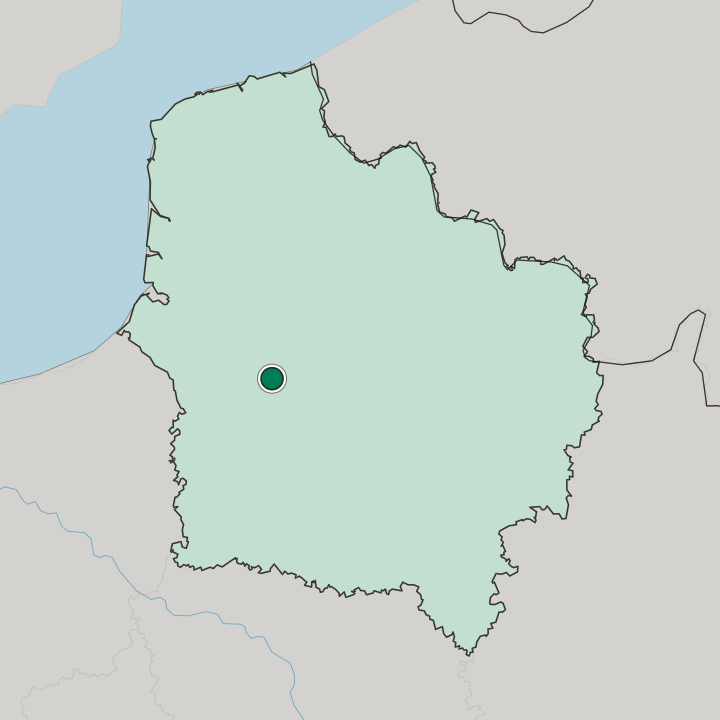
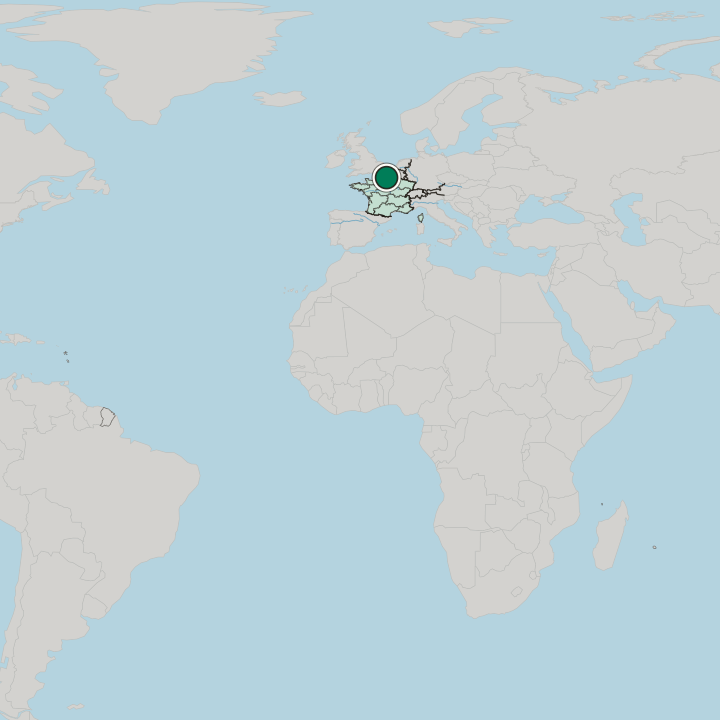
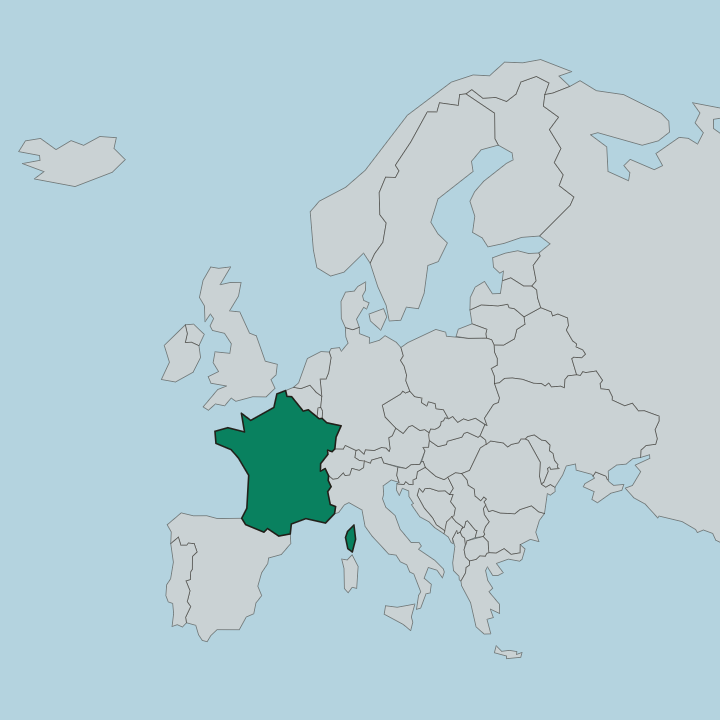
Amiens lies in northern France, on the river plain of the Somme north of Paris and southwest of Lille. The city is the prefecture of the Somme department in Hauts-de-France, and the river splits into channels through the Saint-Leu quarter, feeding the market gardens on its edge. Water threads the flat land.
Chalk downland rolls away beyond the valley, and the low ground carries the canals into the heart of the old town.
What is the climate of Amiens?
Amiens has a cool oceanic climate of mild summers and grey damp winters. Rain falls through much of the year across the Somme valley, and the flat land around the city greens under soft northern light. Frost visits the winter.
The channels of the Saint-Leu quarter can chill in the short days, while the market gardens on the edge run green from spring to autumn.
How do you get to Amiens?
Amiens sits on the rail lines that cross northern France between Paris and Lille. Trains reach the city in about an hour from Paris, and regional lines fan out across the Somme and Hauts-de-France. The old centre is walkable.
Motorways pass close by, linking the city north to Lille and south toward Paris and the capital region.
Common questions
What is the best area to stay in Amiens?
The cathedral quarter of Amiens: First-time visitors wanting the Gothic front on foot. The Saint-Leu canal quarter: Travellers wanting the coloured houses along the water. The market-garden riverside: Visitors wanting green water-meadows near the centre. Near the Musée de Picardie and the Maison de Jules Verne: Travellers who want the museums close.
Good for
More cities in Hauts-de-France
Updated September 2026