France
Hauts-de-France, France — Towns & Travel Guide
Hauts-de-France is the northernmost region of France, running from the Opal Coast beaches inland across the old Somme battlefields to Lille.
Hotel links are affiliate links: booking through them may earn us a commission, at no extra cost to you. It never affects how places are ranked. How this works


Towns & cities in Hauts-de-France
Pick a town or city — each links to where to stay.
 France
Lille
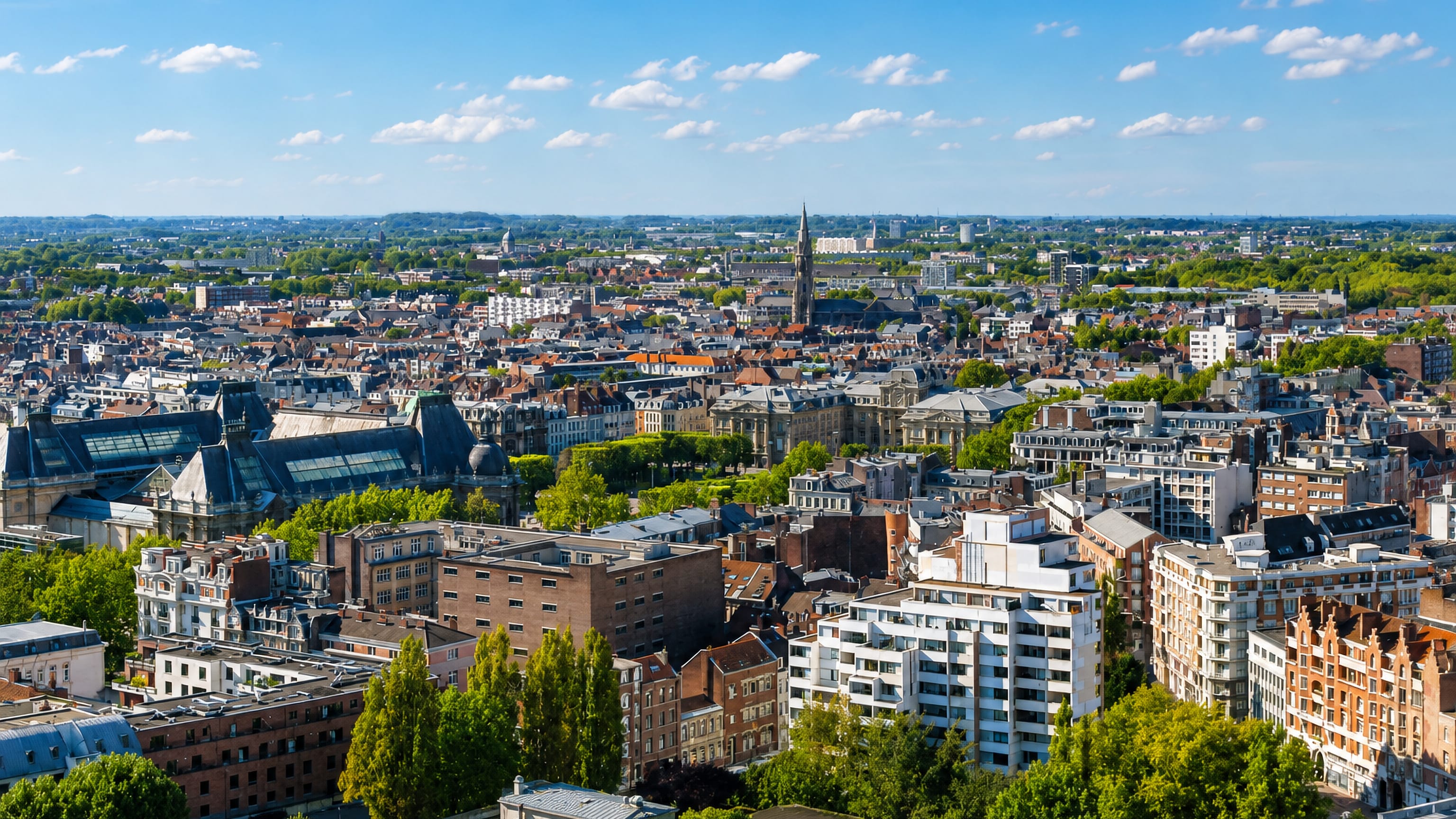
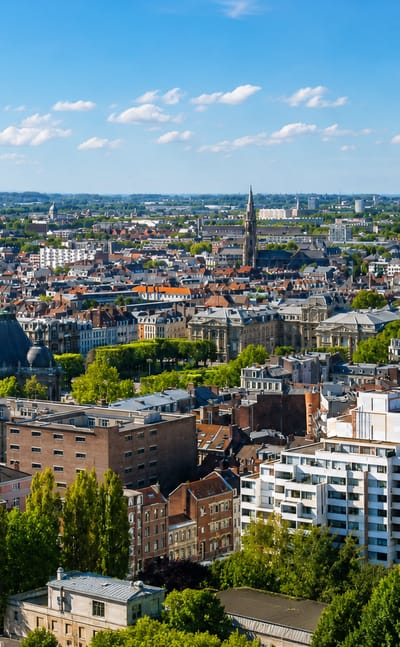
Brick gables line the Deûle at Lille, the capital of Hauts-de-France in French Flanders, known for its Flemish Belfry of Lille.Where to stay →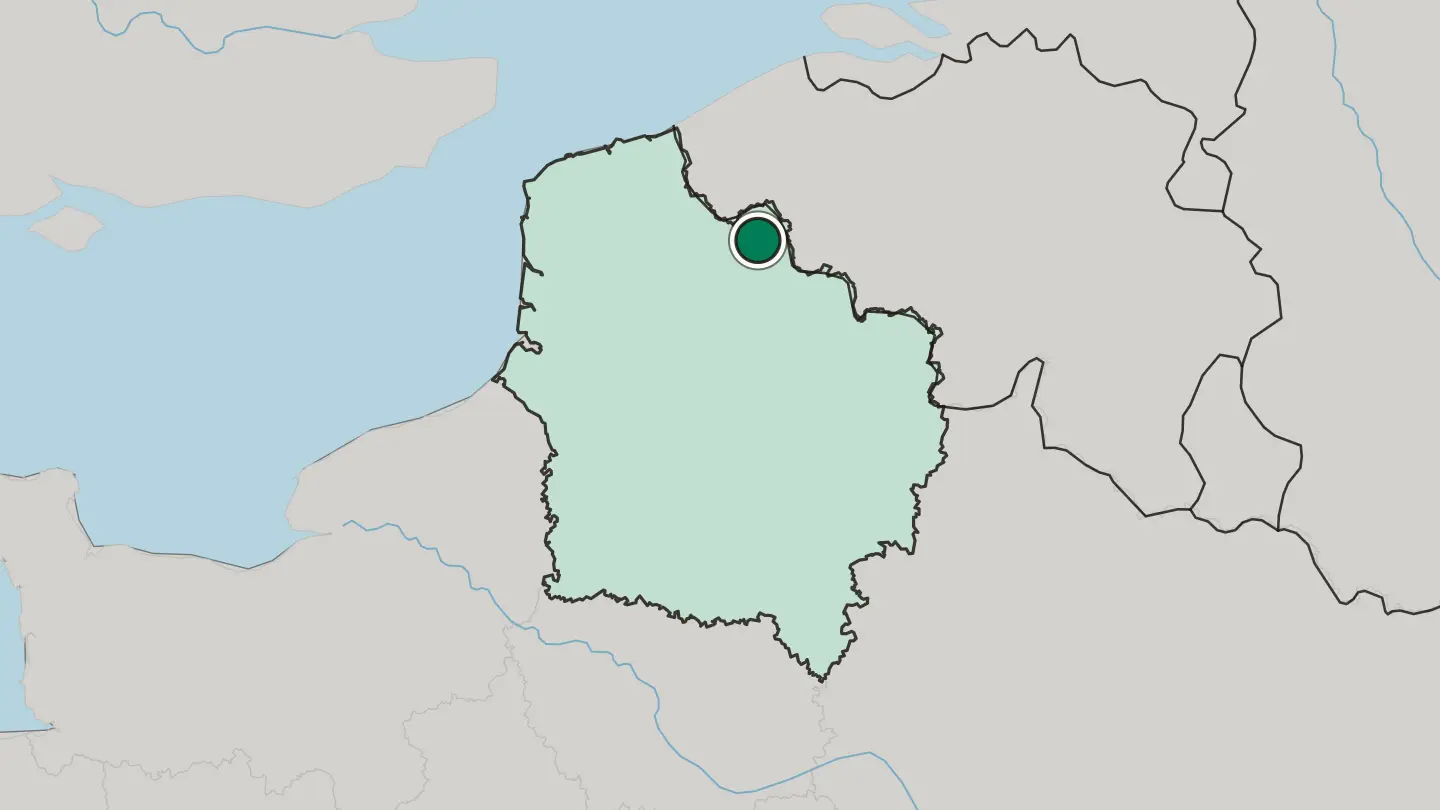
 France
Amiens
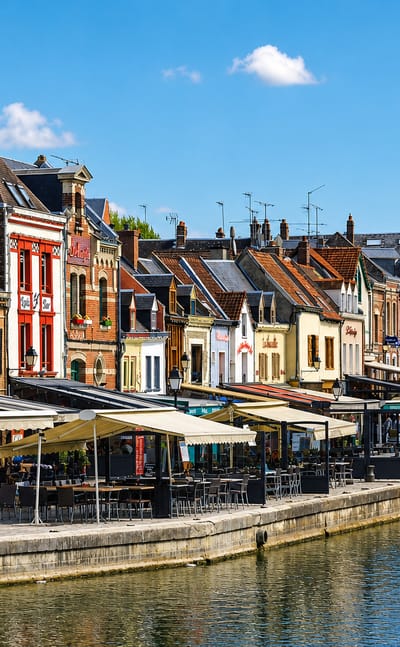
Gothic stone towers over Amiens, a city in Hauts-de-France in northern France, known for Amiens Cathedral and the Belfry of Amiens.Where to stay →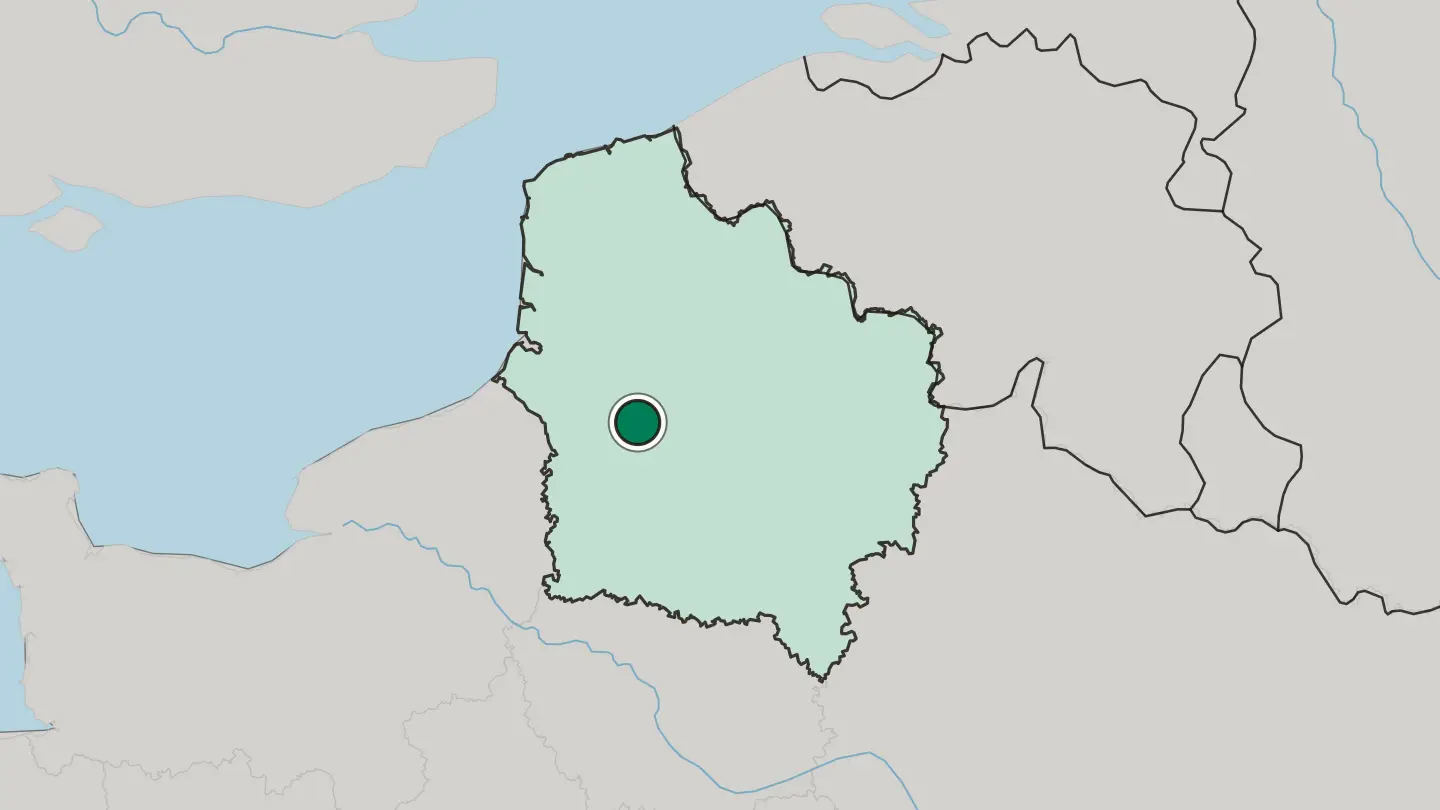
 France
Roubaix
Roubaix is a city of the far north of France near Lille, an old textile town famous for its art museum in a swimming pool and the cobbled cycling race.Where to stay →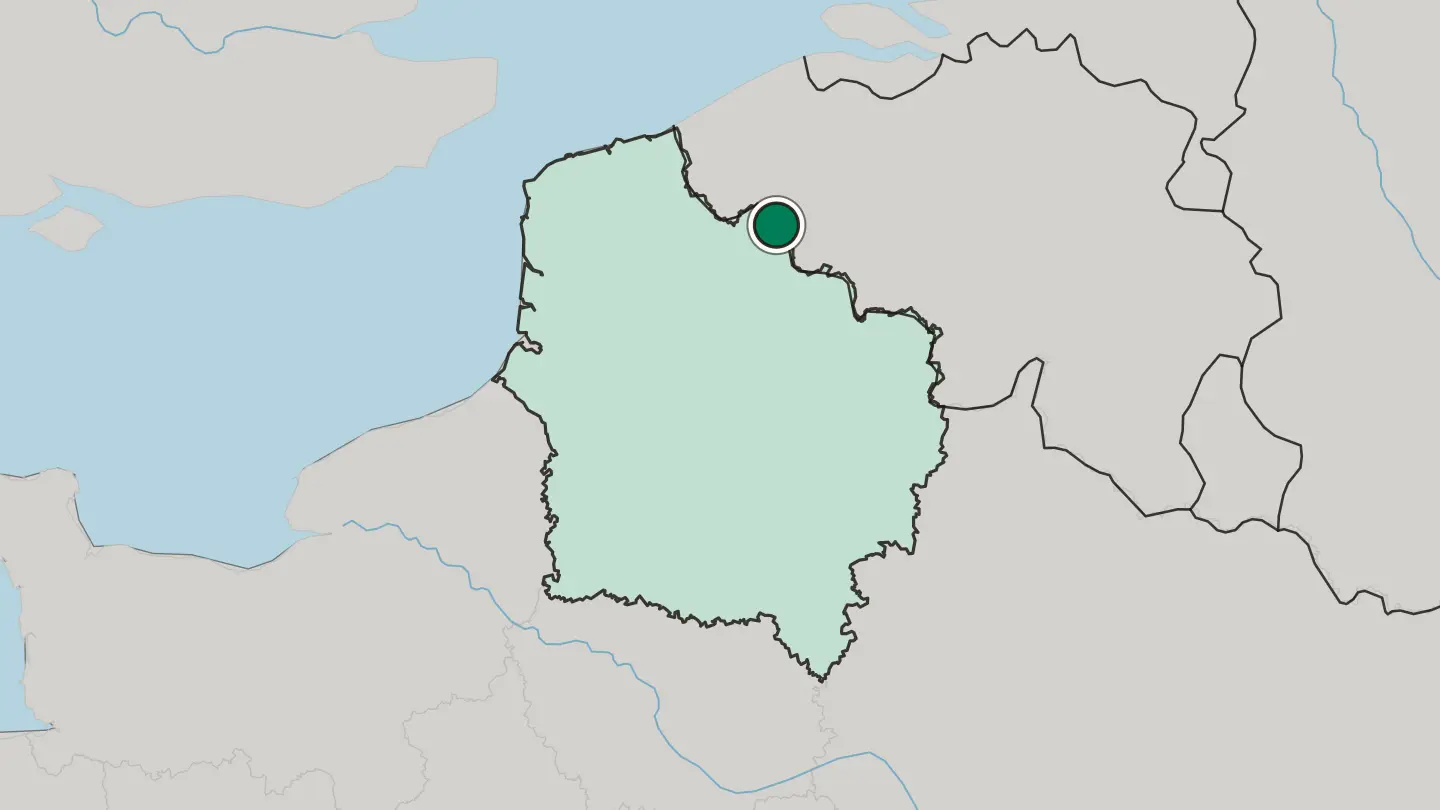 France
Tourcoing
Tourcoing is a Nord city on the Belgian border, next to Roubaix, with the MUba Eugène-Leroy and the Église Saint-Christophe at its centre.Where to stay →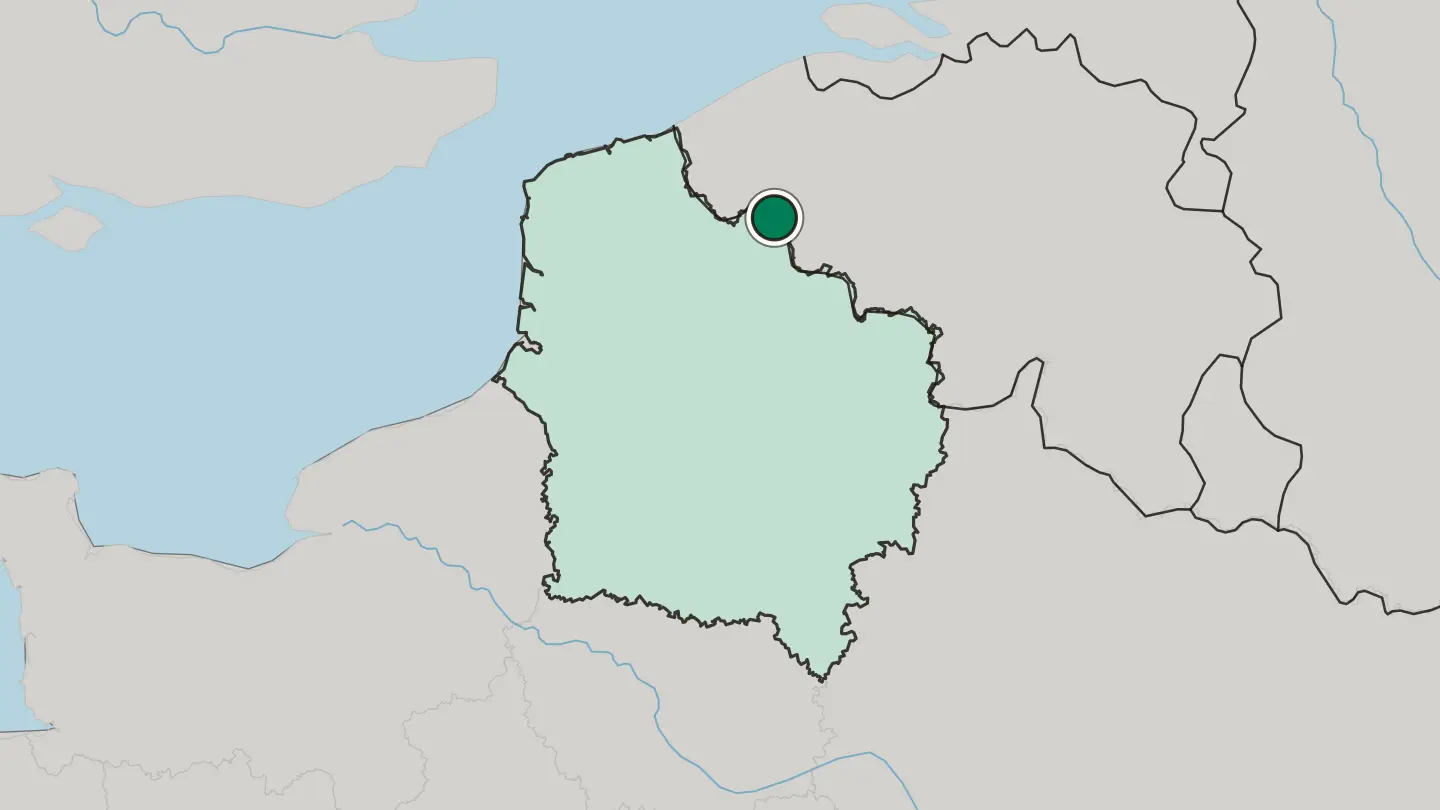
 France
Dunkirk
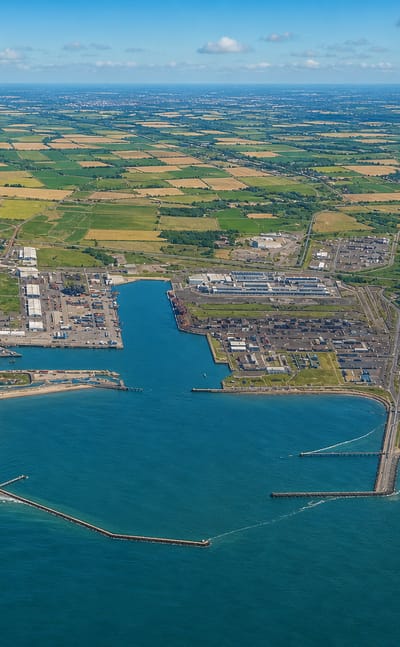
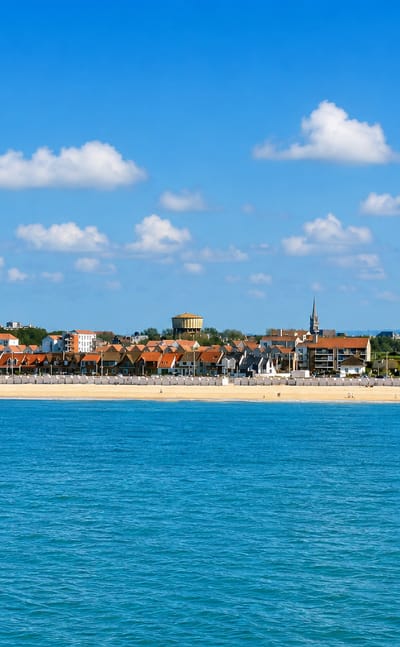
The North Sea works the quays at Dunkirk, a port city in the Nord department of northern France, near the Belgian border.Where to stay →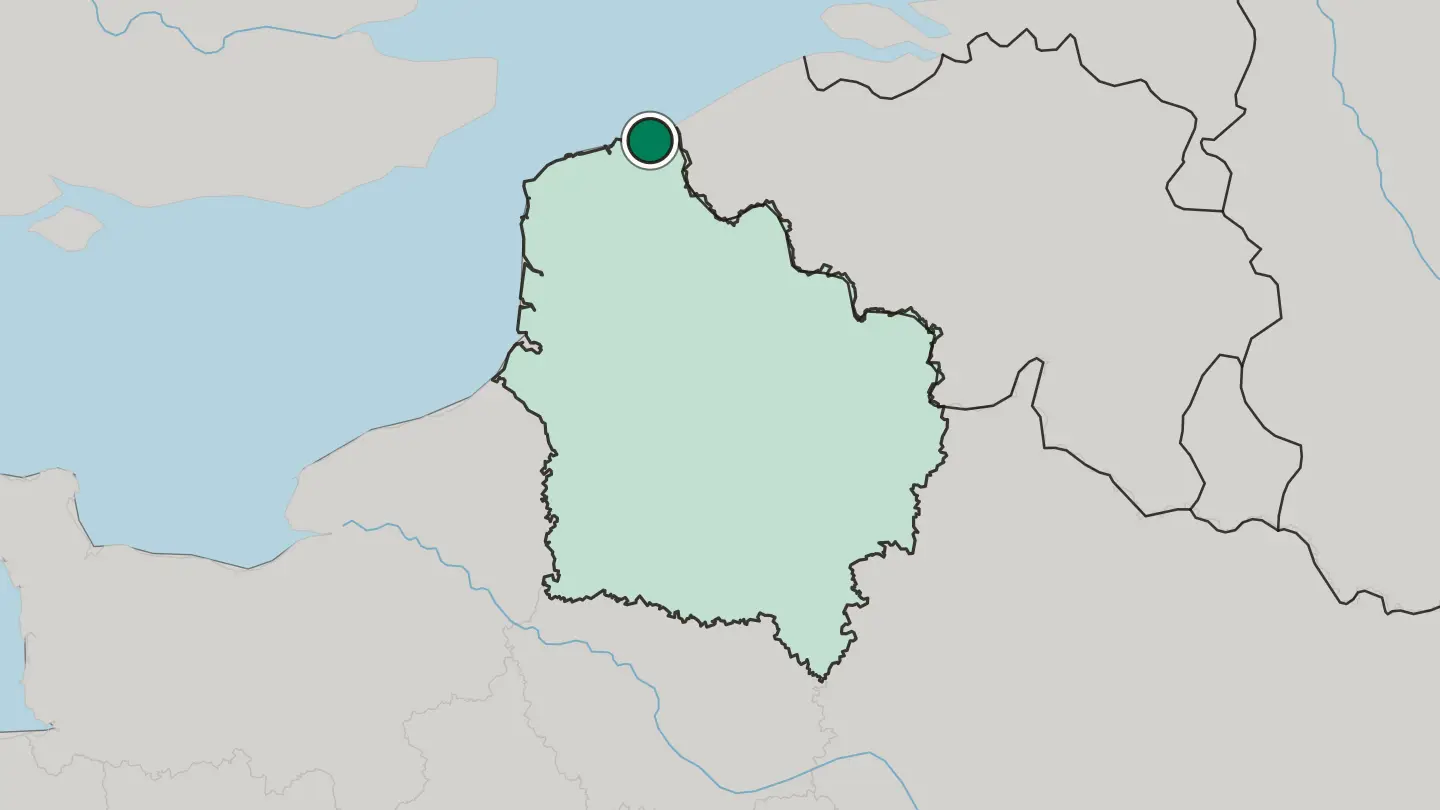
 France
Calais
Calais faces England across the Strait of Dover in Hauts-de-France, a port city known for its ferries and the Belfry of Calais.Where to stay →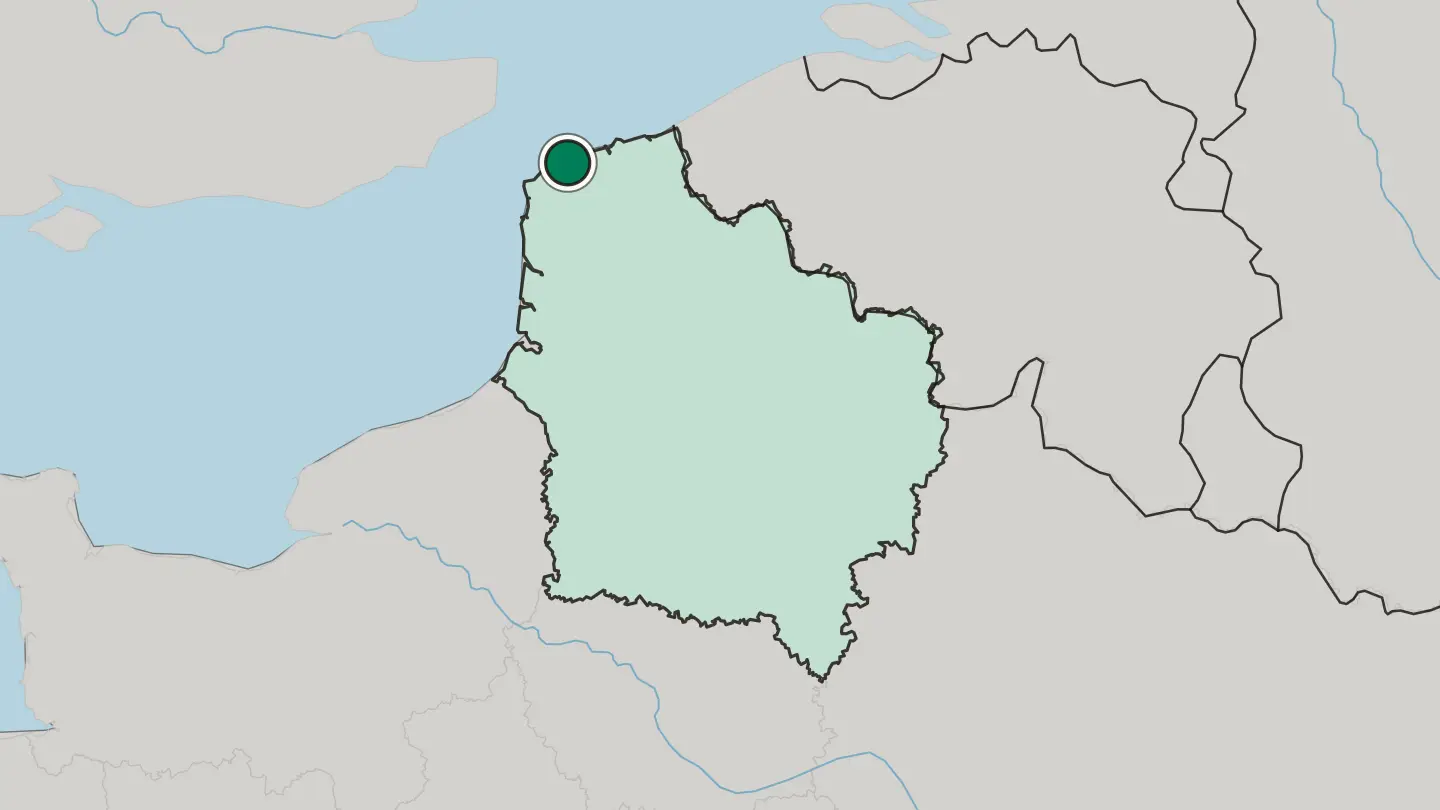 France
Villeneuve-d'Ascq
Villeneuve-d'Ascq, a commune of 1970 in the Lille metropolitan area, holds the LaM, the Pierre Mauroy Stadium and the Château de Flers.Where to stay →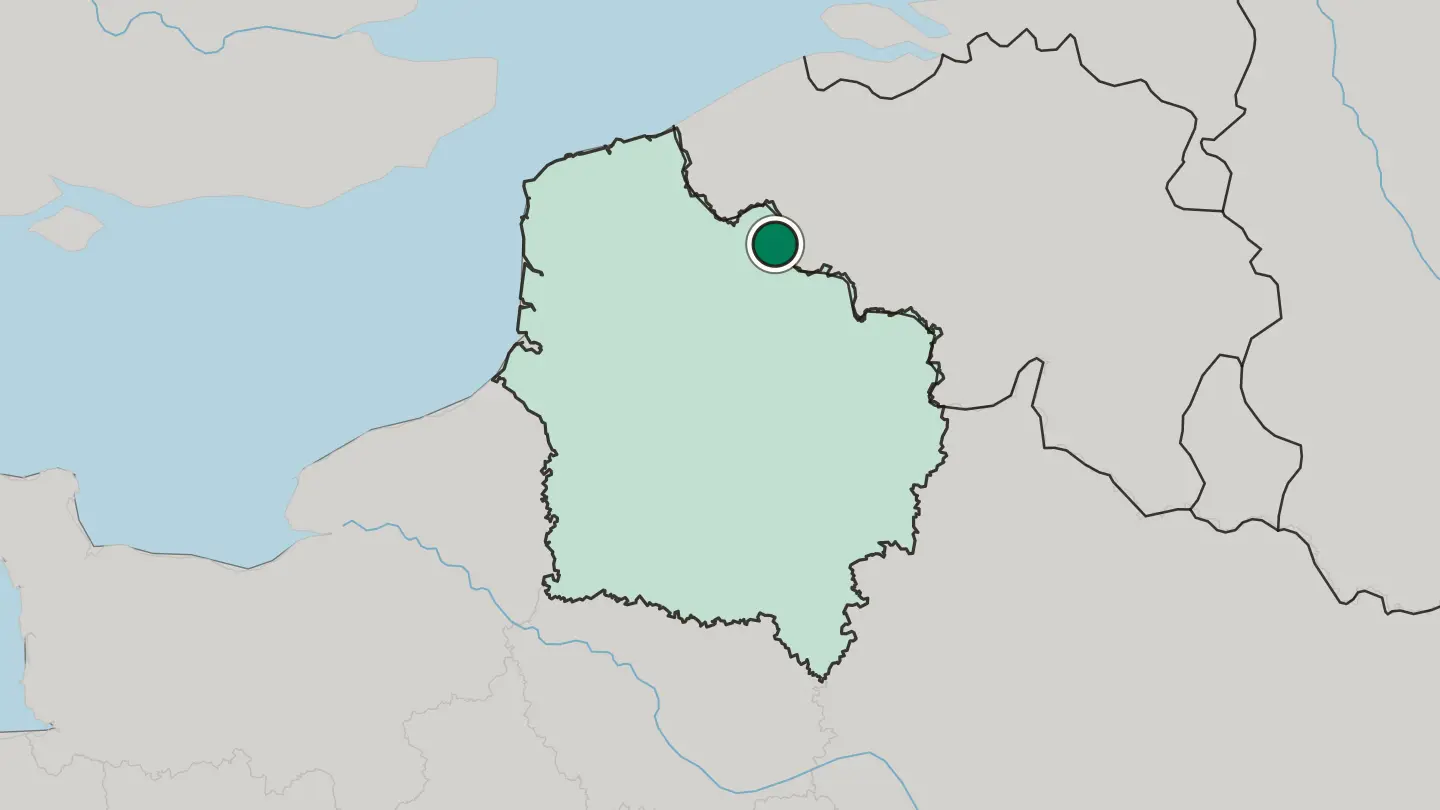 France
Saint-Quentin
Saint-Quentin is an Aisne city in Hauts-de-France, the Augusta Veromanduorum of antiquity, gathered under its basilica and the Musée Antoine-Lécuyer.Where to stay →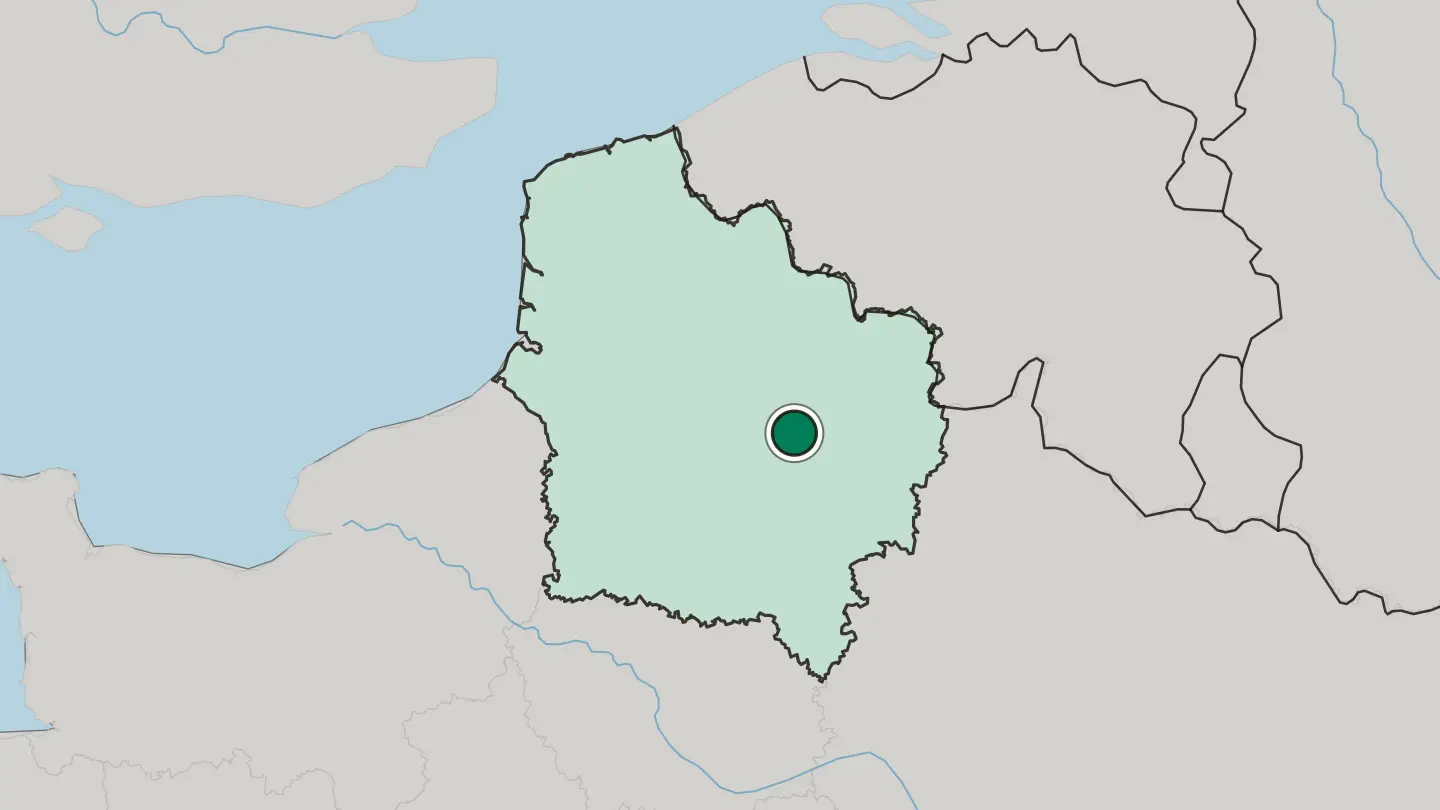
All towns & cities (9)
France
Beauvais
Beauvais is the prefecture of the Oise, a Hauts-de-France town north of Paris built around its 13th-century cathedral and the Basse Oeuvre.Where to stay →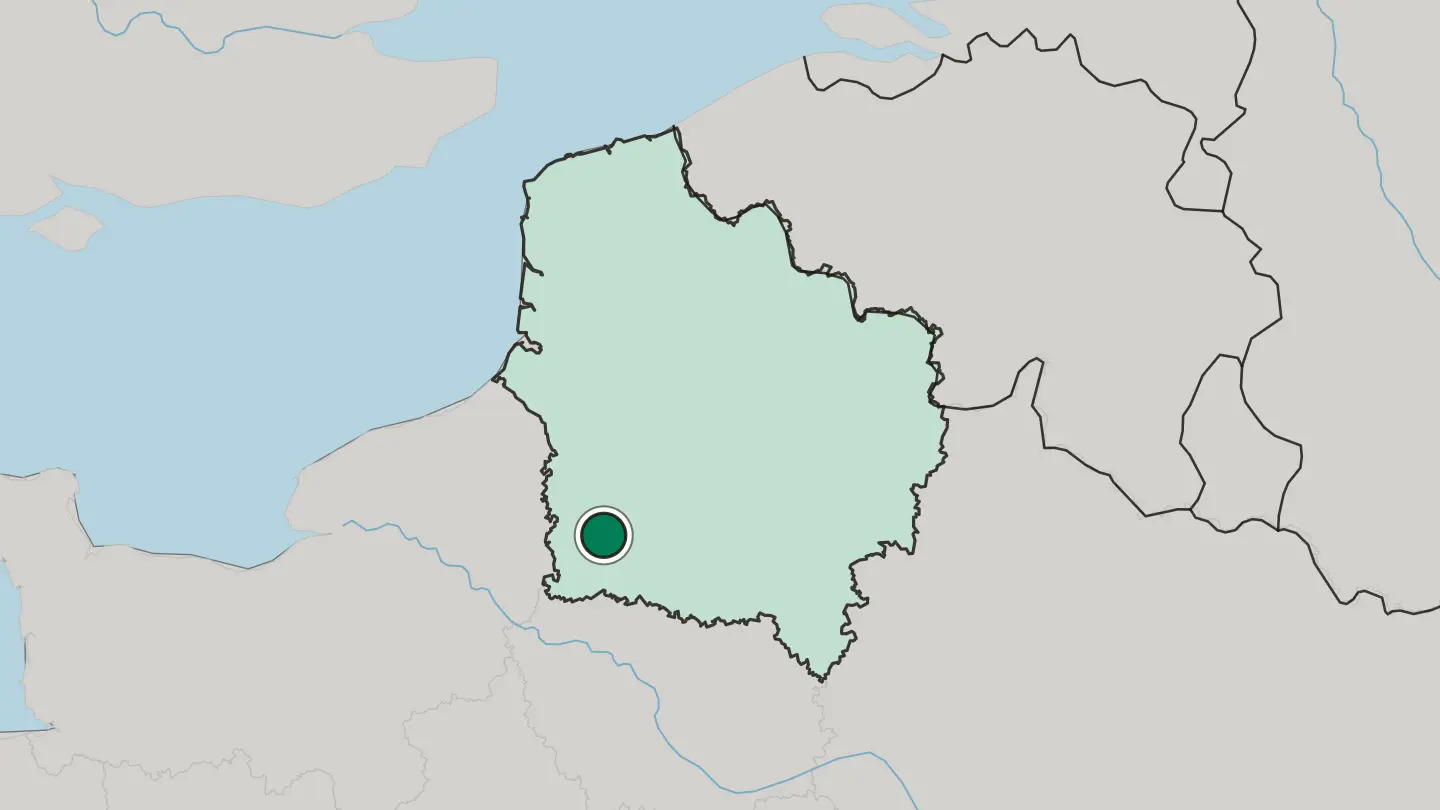
Hotel links are affiliate links: booking through them may earn us a commission, at no extra cost to you. It never affects how places are ranked. How this works
About Hauts-de-France
What is Hauts-de-France known for?
This is France's far north. Lille anchors it, a former Flemish trading city that grew rich on textiles and now runs the region from its grand central square. The chalk downs of the Somme carry the memory of the 1916 battle, and the Canadian memorial on Vimy Ridge above Arras looks out over the same ground.
Along the west, the Côte d'Opale strings sandy beaches and white cliffs from the Bay of the Somme up to Belgium. Amiens holds a Gothic cathedral, and beer, chips and slow-cooked carbonnade flamande carry the Flemish table across the whole region.
Where is Hauts-de-France?
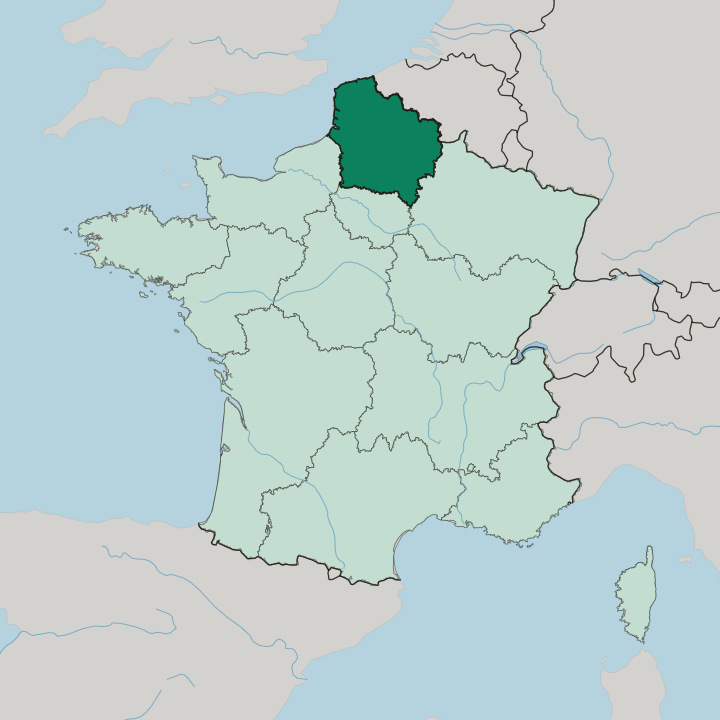
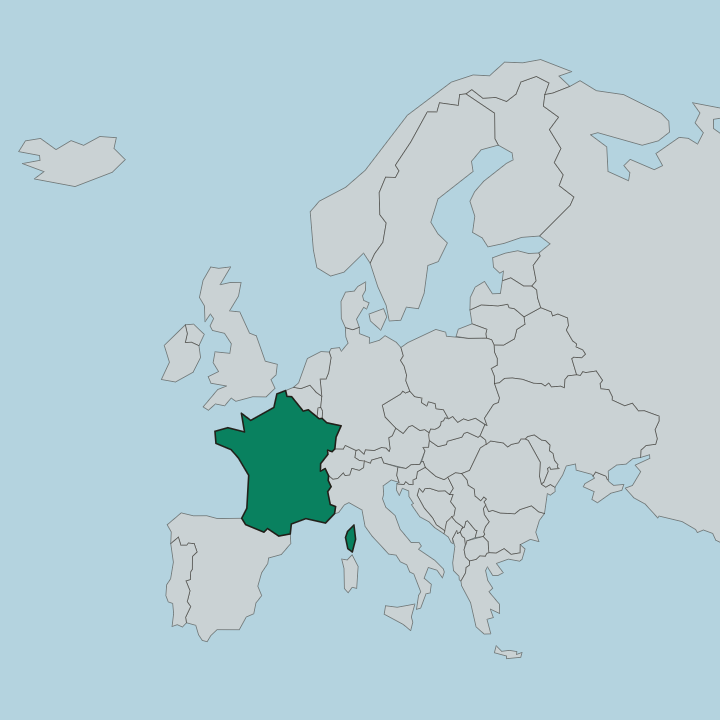
Hauts-de-France fills the top of France, the last stretch of land before the country runs out into the sea and the Belgian border. It was assembled in 2016 from two older regions, Nord-Pas-de-Calais in the north and Picardy in the south, and it now gathers five departments under Lille. Belgium closes off the north-east, its Flemish and Walloon country continuing the same low, worked landscape across the line. The North Sea washes a short northern shore near Dunkirk.
Along the west, the English Channel runs for well over 120 kilometres of the Opal Coast, the narrow water that separates this corner of France from the cliffs of England. Inland, the country rolls gently. Chalk plateaux and open farmland spread south across Picardy, cut by slow rivers.
The Somme is the great one, running 245 kilometres from near Saint-Quentin down to the wide Bay of the Somme on the Channel. Amiens sits in its valley, its market gardens threaded by canals. Little of the region rises high, and none of it sits far from a coast or a border, which is exactly why armies have crossed it for a thousand years.
What is Hauts-de-France like?
The north wears its differences openly. Along the Belgian side, the culture is Flemish at root: brick belfries rise over the market towns, tall carnival giants are paraded through the streets, and the local speech shifts into Ch'ti, the northern form of the old Picard tongue. That dialect and its warm, self-deprecating humour became a national in-joke, and people here own it with some pride.
French is the everyday language throughout, but the accent gives the north away at once. Food is where the region shows its hand most plainly. Carbonnade flamande simmers beef in dark beer, chips come from the roadside friterie, and Maroilles cheese turns up in tarts and stews.
Beer is brewed in small houses across French Flanders. The other current runs deeper and darker. This was the ground of the Western Front, and the Somme cemeteries, the mine craters and the Canadian memorial on Vimy Ridge draw visitors from across the world.
Coal shaped the east too, its slag heaps and pit villages now a listed landscape and the setting for the Louvre-Lens gallery. Lille pulls the strands together, a student city with grand squares, museums and a food market that never really sleeps.
What is the history of Hauts-de-France?
As a region, Hauts-de-France is young. It came together on 1 January 2016, when the reform of French regions merged Nord-Pas-de-Calais with Picardy into one northern block, and the name was fixed later that year. The land beneath it is anything but new.
This was long a frontier march between France and the Low Countries, its towns fortified, besieged and traded away for centuries. In 1916 the chalk of the Somme became the setting for the Battle of the Somme, four and a half months of trench fighting, and the war cemeteries scattered across the region still record it. Coal, cloth and steel drove the north through the industrial age before the mines closed.
What is the climate of Hauts-de-France?
The north is mild and wet. An oceanic climate off the English Channel keeps summers cool and winters gentle, with rain spread across the year rather than falling in one burst. Grey, changeable skies are the norm, and a sea wind runs hard along the Opal Coast, which is why the dunes shift and the kite-surfers gather.
Inland over the Somme plateaux the weather softens a little, but the umbrella still earns its place.
How do you get to Hauts-de-France?
The region is easy to reach. Lille sits on the high-speed line between Paris, Brussels and London, and the Channel Tunnel surfaces just outside Calais, so trains from England run straight into the north. Ferries cross the English Channel from Dover to Calais and Dunkirk in well under two hours.
Amiens and Arras lie on the Paris rail lines heading south. Once you are here, trains and roads fan out from Lille to the Côte d'Opale, the Somme and the Belgian border with little trouble.
Common questions
What is the best area to stay in Hauts-de-France?
Lille: a first base in France's north. Amiens: Gothic architecture and the Somme valley. The Côte d'Opale: beaches, cliffs and estuary walks. Arras: the First World War battlefields.
Good for
More regions in France
Updated October 2026