France · Hauts-de-France
Where to Stay in Lille, Hauts-de-France
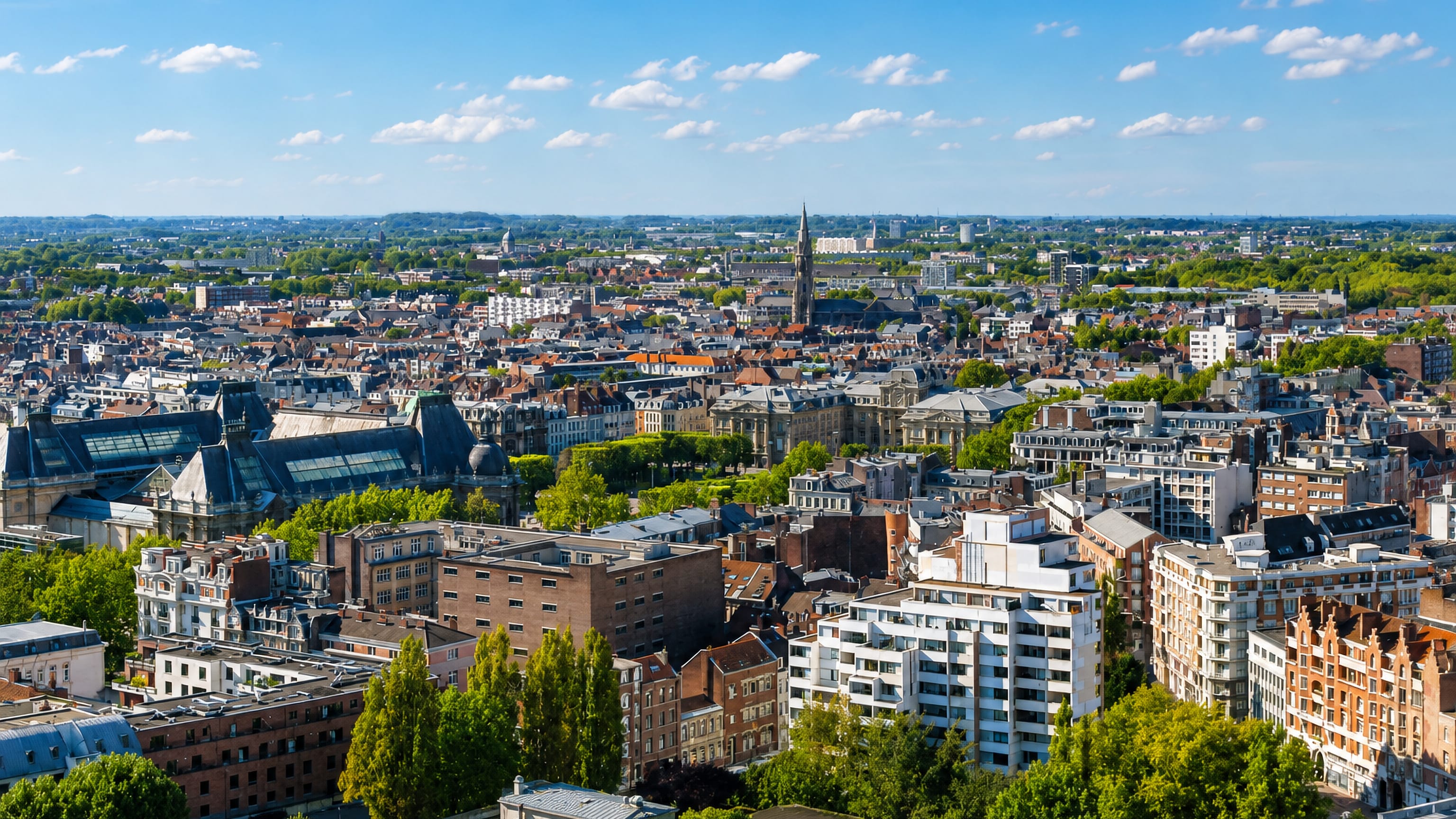
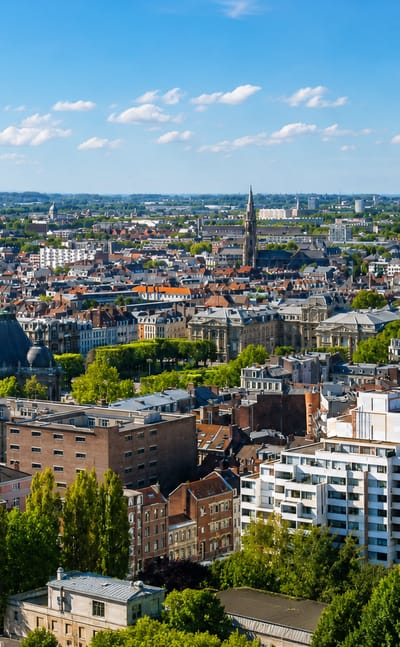
Brick gables line the Deûle at Lille, the capital of Hauts-de-France in French Flanders, known for its Flemish Belfry of Lille.
Hotel links are affiliate links: booking through them may earn us a commission, at no extra cost to you. It never affects how places are ranked. How this works


Where to stay in Lille
The right area depends on your trip — here's what each neighbourhood is best for.
 LilleFrance
Vauban-Esquermes
Vauban-Esquermes is a residential quarter of Lille, long associated with students, holding the piscine olympique Marx-Dormoy.Where to stay → LilleFrance
Faubourg de Fives
Faubourg de Fives was a commune of the Nord until 1858, when Lille took it in; the Église Notre-Dame de Fives still stands there.Where to stay →LilleFranceFaubourg de Béthune
Faubourg de Béthune is a Lille quarter whose register reaches into Loos, taking in the Belfry of Loos and the piscine Plein Sud.Where to stay →Hotel links are affiliate links: booking through them may earn us a commission, at no extra cost to you. It never affects how places are ranked. How this works
Find hotels in Lille
Direct booking searches for these neighbourhoods.
The Flemish old town
The gabled historic core keeps the Belfry of Lille, the Hospice Comtesse, and the Palais des Beaux-Arts de Lille within one walk.Find hotels in The Flemish old towngreen-space walkers near the Parc de la CitadelleAlong the Deûle by the Citadelle
The western edge along the Deûle opens onto the Parc de la Citadelle and its ramparts, a short step from the old streets.Find hotels in Along the Deûle by the CitadelleHotel links are affiliate links: booking through them may earn us a commission, at no extra cost to you. It never affects how places are ranked. How this works
Things to do in Lille
Ranked by global recognition; descriptions from Wikidata (CC0).
Museums & Galleries
3- Palais des Beaux-Arts de Lille Heritage
- Hospice Comtesse Heritage
- Birthplace of Charles de Gaulle Heritage
Churches & Religious Sites
8- Saint-Maurice church Heritage
- Église Saint-André de Lille Heritage
- Église Sainte-Catherine de Lille Heritage
- temple de l'église réformée de France de Lille Heritage
- Église Sainte-Marie-Madeleine de Lille Heritage
Show 3 more →
- Église Saint-Michel de Lille Heritage
- Église Saint-Sauveur de Lille Heritage
- église Saint-Denis d'Hellemmes Heritage
Stadiums & Sports
3- piscine olympique Marx-Dormoy
- Akhélios
- La halle de Glisse
Parks & Gardens
1- Les Poussins, Parc de la Citadelle
Landmarks & Notable Places
6- Maison Meert Heritage
- Noble Tour Heritage
- Refuge de l'Abbaye de Loos Heritage
- Maison Art-Déco Heritage
- Maison des Vieux Hommes Heritage
Show 1 more →
- Maison, 32-32bis rue d'Antin Heritage
worth knowingacross 5 categories in Lille
About Lille
What is Lille known for?
Lille is known as the capital of the Hauts-de-France region and the prefecture of the Nord, set along the Deûle in French Flanders near the border with Belgium. Flanders shaped its look. The Flemish-influenced Belfry of Lille and the Hospice Comtesse mark its old core, while the Palais des Beaux-Arts de Lille and the birthplace of Charles de Gaulle carry its art and memory.
What are the main landmarks in Lille?
Lille wears its Flemish past in stone and brick. The Belfry of Lille rises over the old town beside the Hospice Comtesse, one of the city's oldest surviving buildings. Art fills the centre.
The Palais des Beaux-Arts de Lille and the Musée d'Histoire Naturelle de Lille hold the collections, the birthplace of Charles de Gaulle keeps the memory, and the churches of Saint-Maurice and Sainte-Catherine de Lille anchor the older quarters near the Parc de la Citadelle.
What is the history of Lille?
Lille grew as a market town of French Flanders on the Deûle, close to the border with Belgium. Its Flemish trading past left the Belfry of Lille and the Hospice Comtesse, the old countess hospital that gives the museum its rooms. Flanders and France both claimed it.
The city passed between the two through long centuries of war, and the ramparts around the Parc de la Citadelle recall those fortified years. As the region industrialised, Lille rose to become the capital of the Hauts-de-France and the prefecture of the Nord. The Palais des Beaux-Arts de Lille was built to hold one of the great provincial art collections in France.
The city also claims the birthplace of Charles de Gaulle among its landmarks. Its Flemish roots still show in the brick gables of the old town. The Deûle kept the crossing that first made it.
Where is Lille?
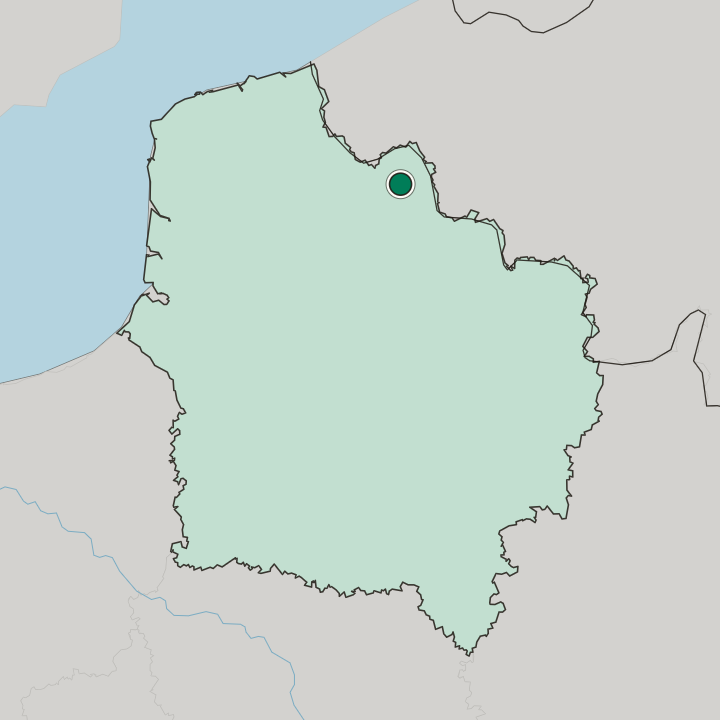
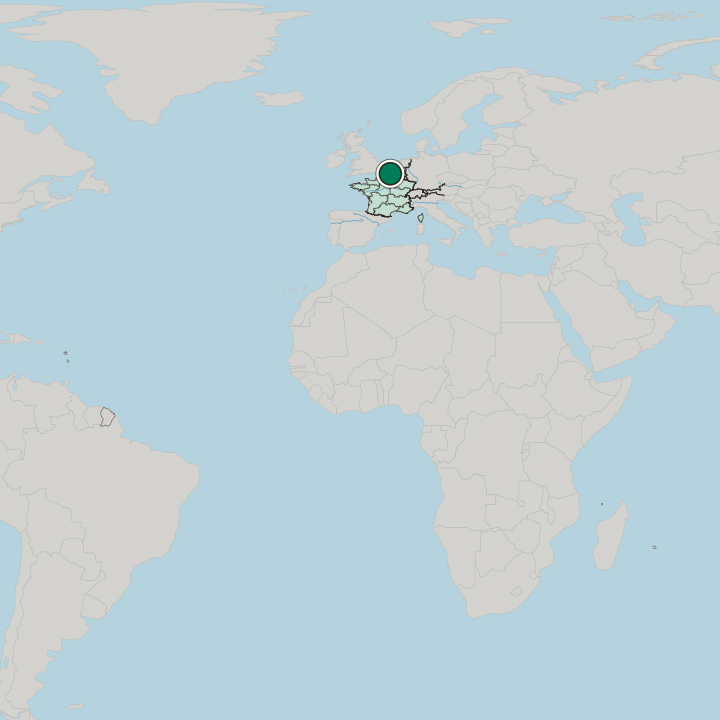
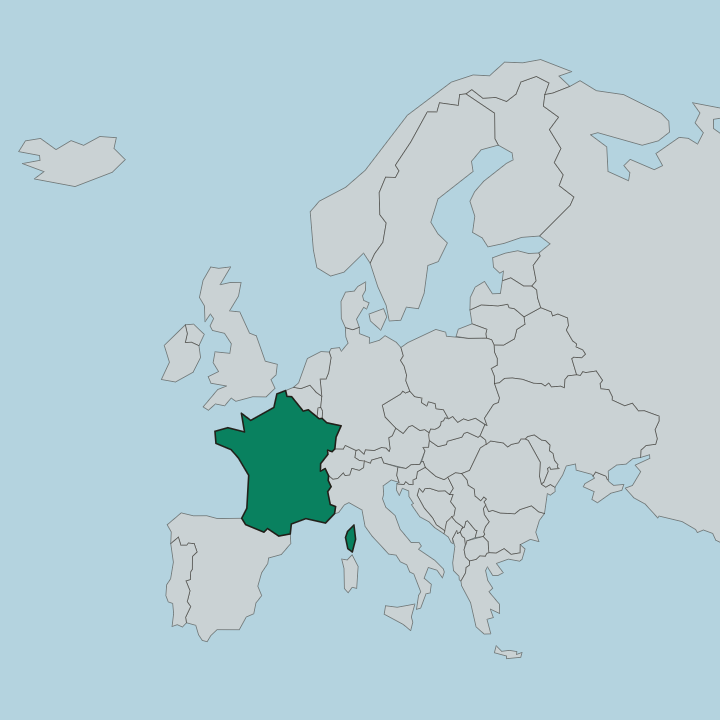
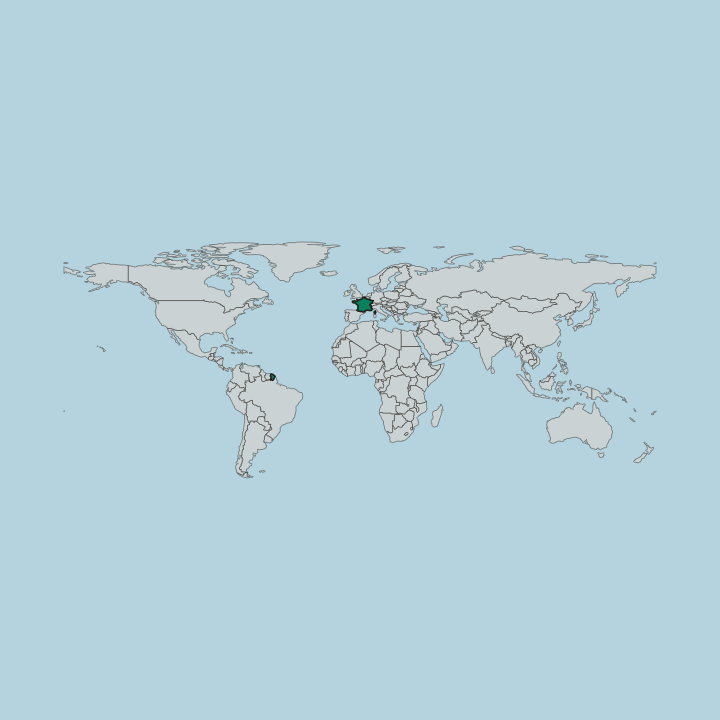
Lille lies in the northern part of France within French Flanders, along the Deûle near the border with Belgium. The land runs low and flat. The city sits at a crossing of the Flemish plain in the Hauts-de-France, with the Deûle threading its western edge past the Parc de la Citadelle.
Flatland and river set the scene.
What is the climate of Lille?
Lille has a cool, damp northern climate off the Flemish plain. Cloud hangs low across the Flemish plain more often than not. Winters run chilly and wet across the flatland, while summers stay mild and green along the Deûle and through the Parc de la Citadelle.
Rain falls across the year in this corner of French Flanders.
How do you get to Lille?
Lille sits at a crossroads of northern Europe, in the Hauts-de-France near the border with Belgium. Trains converge here. Fast rail links run from the city out toward Paris, Brussels, and London, and the flat roads of French Flanders carry traffic across the Deûle toward the Belgian frontier.
The plain keeps every approach level.
Common questions
What is the best area to stay in Lille?
The Flemish old town: first-time visitors near the Belfry of Lille. Along the Deûle by the Citadelle: green-space walkers near the Parc de la Citadelle.
Good for
More cities in Hauts-de-France
Updated October 2026