France · Hauts-de-France
Where to Stay in Beauvais, Hauts-de-France
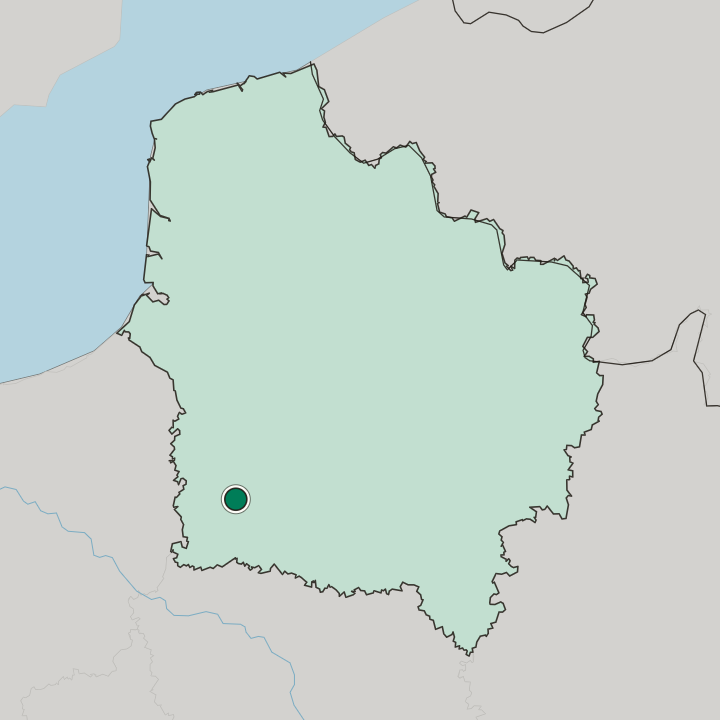
Beauvais is the prefecture of the Oise, a Hauts-de-France town north of Paris built around its 13th-century cathedral and the Basse Oeuvre.
Hotel links are affiliate links: booking through them may earn us a commission, at no extra cost to you. It never affects how places are ranked. How this works


Where to stay in Beauvais
The practical side of choosing where to sleep.
Two things decide it: the cathedral and the airport. Beds in the streets under the cathedral put the Basse Oeuvre, the Maison des Trois Piliers and the Musée départemental de l'Oise inside a few minutes on foot, which suits a weekend built on the old town. Stock is modest.
Rue de l'École-de-Chant and the streets around the Église Saint-Étienne de Beauvais carry listed houses and the quieter half of the centre. Tillé is the other pole. Rooms out by the airport exist for the early flight rather than the town, and the stade de football de Tillé marks how far from the cathedral that puts a traveller.
Anyone flying out early takes that trade. Aquaspace and the piscine Aldebert-Bellier fall between the two, useful when the trip involves children. Sport spreads the rest of the beds around: the Stade Pierre Brisson, the complexe sportif Louis Roger and the terrain de rugby Rostand each pull their own weekend crowd into the outer streets.
Allonne and Aux-Marais appear on the same list of parishes. The Église Notre-Dame de l'Annonciation d'Allonne and the Église de Saint-Martin-le-Nœud de Aux-Marais mark that outer ring, and a room out there means a drive back in.
Find hotels in Beauvais
Direct booking searches for these neighbourhoods.
Under the cathedral
The old core beside the cathedral, where the Basse Oeuvre and the Maison des Trois Piliers stand a minute apart. Few places to stay nearby — book ahead.Find hotels in Under the cathedrallisted frontages with the Musée départemental de l'Oise round the cornerRue de l'École-de-Chant
The quieter run of listed houses on Rue de l'École-de-Chant, within reach of the Église Saint-Étienne de Beauvais.Find hotels in Rue de l'École-de-Chanta departure from the Beauvais airport before the town wakesTillé
The commune edge by Tillé, where the airport and the stade de football de Tillé sit and rooms are built around early flights.Find hotels in TilléHotel links are affiliate links: booking through them may earn us a commission, at no extra cost to you. It never affects how places are ranked. How this works
Things to do in Beauvais
Ranked by global recognition; descriptions from Wikidata (CC0).
Museums & Galleries
1- Musée départemental de l'Oise Heritage
Churches & Religious Sites
6- Église Saint-Étienne de Beauvais Heritage
- Basse Oeuvre Heritage
- église Notre-Dame Heritage
- Église Notre-Dame de l'Annonciation d'Allonne Heritage
- Église Saint-Jacques de Beauvais Heritage
Show 1 more →
- Église de Saint-Martin-le-Nœud de Aux-Marais Heritage
Castles & Historic Sites
2- Caesaromagus
- Beauvais (Samian Ware Discovery Site)
Stadiums & Sports
3- Stade Pierre Brisson
- Aquaspace
- city stade Ali Djenadi
Landmarks & Notable Places
3- Houses on Rue de l'École-de-Chant in Beauvais Heritage
- Maison des Trois Piliers - Beauvais Heritage
- Maison Gréber Heritage
worth knowingacross 5 categories in Beauvais
About Beauvais
What is Beauvais known for?
The cathedral is what the town is known for, a 13th-century building whose stained glass and eighteenth-century astronomical clock draw most of the visitors who stop here. Beside it stands the Basse Oeuvre. The Musée départemental de l'Oise holds the departmental collection, and the Église Saint-Étienne de Beauvais and the Église Saint-Jacques de Beauvais take the parish work.
The airport at Tillé serves discount carriers as an alternative to the Paris airports. Football fills the Stade Pierre Brisson.
What are the main landmarks in Beauvais?
Basse Oeuvre stands beside the cathedral, which carries the stained glass and the astronomical clock. Three parish churches follow: the Église Saint-Étienne de Beauvais, the Église Saint-Jacques de Beauvais and the église Notre-Dame. Domestic building is listed too.
The Maison Gréber, the Maison des Trois Piliers and the Houses on Rue de l'École-de-Chant are the named frontages, while the Musée départemental de l'Oise gathers what came out of the ground, including a Samian Ware Discovery Site.
What is the history of Beauvais?
Caesaromagus came first. The older name attached to this ground survives in the record, and a Samian Ware Discovery Site at Beauvais is the other early entry on the list. Work on the 13th-century cathedral produced the building the town is still known for, and its stained glass and eighteenth-century astronomical clock remain the objects people come to see.
The Basse Oeuvre survived beside it. Parishes multiplied through the same centuries: the Église Saint-Étienne de Beauvais, the Église Saint-Jacques de Beauvais and the église Notre-Dame each took a quarter of the growing town. Outside it, the Église Notre-Dame de l'Annonciation d'Allonne and the Église de Saint-Martin-le-Nœud de Aux-Marais served the villages that the commune later drew close.
Merchants left their houses behind. The Maison Gréber, the Maison des Trois Piliers and the Houses on Rue de l'École-de-Chant are what remains of that. The Musée départemental de l'Oise gathered the record of all of it into one departmental collection.
Modern Beauvais grew outward. The Stade Pierre Brisson, the stade Pierre Omet and the complexe sportif Louis Roger belong to that phase, and Aquaspace and the piscine Aldebert-Bellier came with it, while an airport at Tillé gave the town a role beyond the Oise.
Where is Beauvais?
Beauvais sits north of Paris, close enough that its airport works as an alternative to the capital's own, far enough that Allonne, Aux-Marais and Tillé are the neighbours rather than suburbs. The commune runs to thirty-three square kilometres. Its old centre is compact, with the cathedral, the Basse Oeuvre and Rue de l'École-de-Chant in one quarter, while the Stade Pierre Brisson and the stade de football de Tillé mark the outer ground.
What is the climate of Beauvais?
Indoor days outnumber the other kind in the cold half of the year, which is when Aquaspace, the piscine Aldebert-Bellier and the Musée départemental de l'Oise earn their keep. Summer is the walking season. The temperate band keeps it moderate at both ends, so the cathedral, the Basse Oeuvre and Rue de l'École-de-Chant can be taken slowly from spring through autumn.
How do you get to Beauvais?
The airport at Tillé is the reason many arrive, serving discount carriers as an alternative to the main Paris airports and putting Beauvais on more itineraries than its size would suggest. Paris is the other end of that connection. Routes from across the Oise feed the same prefecture town, and the old centre is small enough that the cathedral, the Basse Oeuvre and the Musée départemental de l'Oise all fall within one walk.
The Stade Pierre Brisson sits further out.
Common questions
What is the best area to stay in Beauvais?
Under the cathedral: the astronomical clock and the Basse Oeuvre before the coaches arrive. Rue de l'École-de-Chant: listed frontages with the Musée départemental de l'Oise round the corner. Tillé: a departure from the Beauvais airport before the town wakes.
Good for
More cities in Hauts-de-France
Updated October 2026