France · Hauts-de-France
Where to Stay in Calais, Hauts-de-France
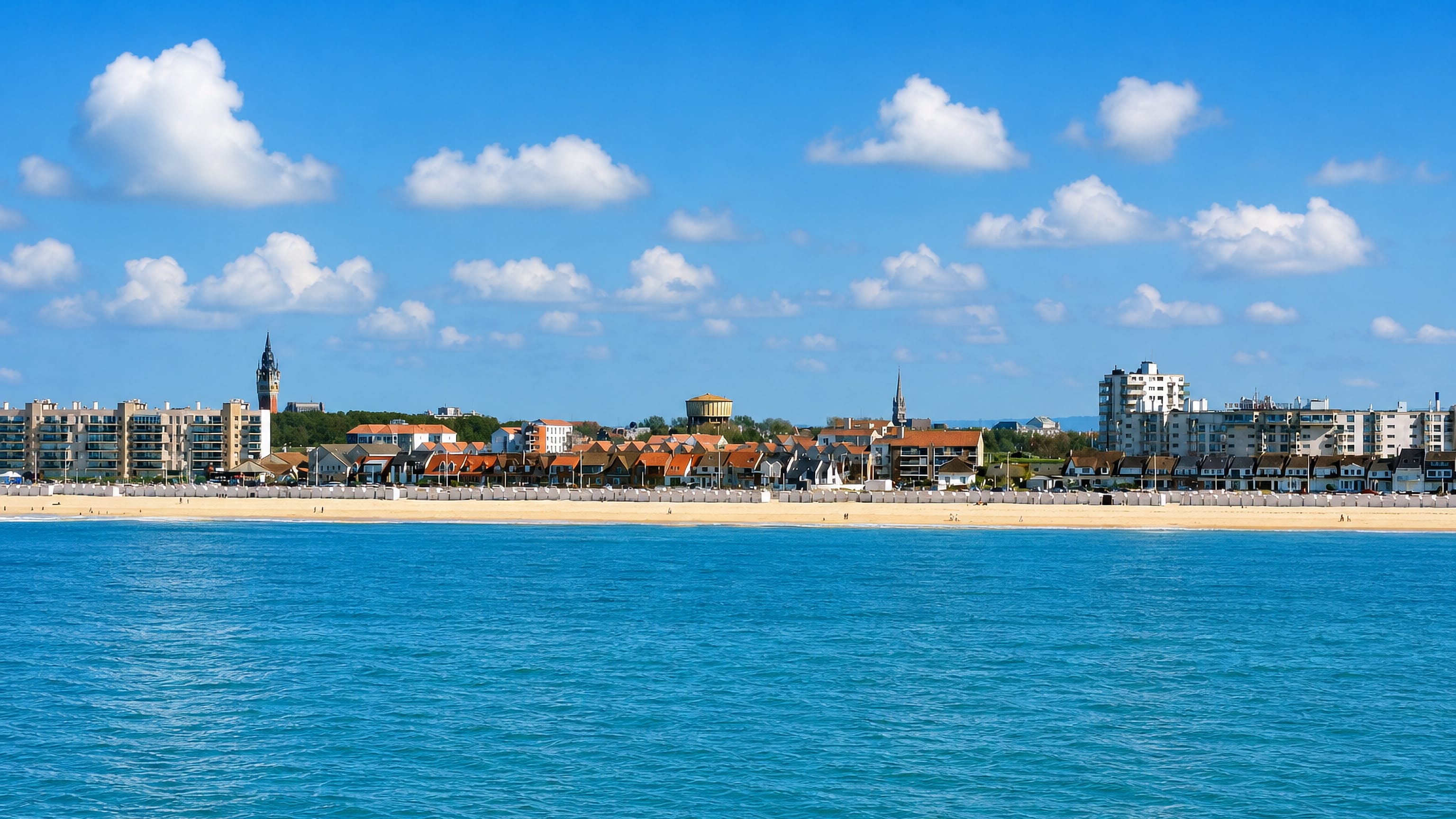
Calais faces England across the Strait of Dover in Hauts-de-France, a port city known for its ferries and the Belfry of Calais.
Hotel links are affiliate links: booking through them may earn us a commission, at no extra cost to you. It never affects how places are ranked. How this works


Where to stay in Calais
One neighbourhood here has its own guide — here's what it is best for.
 CalaisFrance
Calais-Nord
Calais-Nord carries the monuments of Calais: the Tour du Guet, the Église Notre-Dame de Calais and The Burghers of Calais.Where to stay →Hotel links are affiliate links: booking through them may earn us a commission, at no extra cost to you. It never affects how places are ranked. How this works
Find hotels in Calais
Direct booking searches for these neighbourhoods.
Around the town hall and the Belfry of Calais
The Belfry of Calais rises over the town hall square within one walkable core of Calais-Nord, ringed by the central shopping streets.Find hotels in Around the town hall and the Belfry of CalaisTravellers taking the ferry or watching the crossingThe harbour front by the Strait of Dover
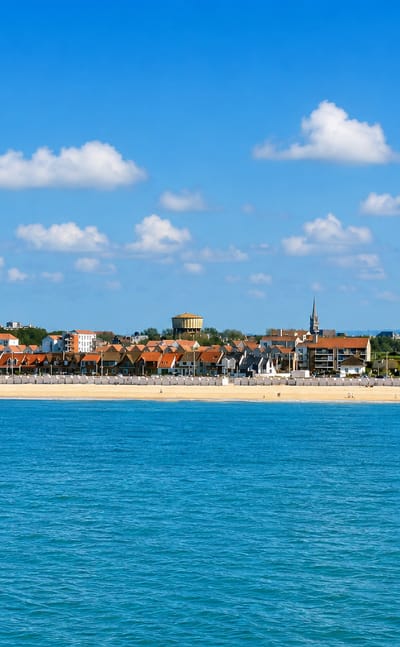
The ferry terminal, the lighthouse, and the beach look across the Strait of Dover toward the English cliffs at the edge of Calais.Find hotels in The harbour front by the Strait of DoverVisitors wanting the town's early stone and quiet streetsThe old Calais-Nord quarter
The lanes around the church of Notre-Dame keep the early stone of Calais-Nord away from the main harbour roads.Find hotels in The old Calais-Nord quarterTravellers who want the craft and art museums closeNear the Calais lace museum
The blocks by the Calais lace museum and the Musée des beaux-arts set the lace trade and the town's art a short walk apart.Find hotels in Near the Calais lace museumHotel links are affiliate links: booking through them may earn us a commission, at no extra cost to you. It never affects how places are ranked. How this works
Things to do in Calais
Ranked by global recognition; descriptions from Wikidata (CC0).
Museums & Galleries
3- Calais lace museum
- Musée des beaux-arts de Calais
- musée de la Guerre de Calais
Churches & Religious Sites
3- Église Notre-Dame de Calais Heritage
- église Sainte-Germaine de Calais Heritage
- église Saint-Pierre-et-Saint-Paul de Calais Heritage
Castles & Historic Sites
1- Monument des sauveteurs
Stadiums & Sports
3- Stade de l'Épopée
- stade Julien-Denis
- caserne le Gallois de Fouquieres
worth knowingacross 4 categories in Calais
About Calais
Calais is known as the great crossing port to England.
What is Calais known for?
It overlooks the Strait of Dover, the narrowest reach of the English Channel, and its ferries and the Channel Tunnel carry the shortest sea route between the two coasts. Lace made its name too. The Calais lace museum keeps the craft that once clothed Europe, while the tall Belfry of Calais and the church of Notre-Dame mark the old town above the harbour.
What are the main landmarks in Calais?
Calais keeps its landmarks around the old town and the harbour. The brick Belfry of Calais rises over the town hall square, and the church of Notre-Dame anchors the early streets of Calais-Nord. Lace has its own house.
The Calais lace museum tells the story of the town's great craft, the Musée des beaux-arts holds its art, and the ferry terminal and the harbour look out across the Strait of Dover toward England.
What is the history of Calais?
Calais grew as a fishing and trading harbour on the narrowest reach of the English Channel, where the Strait of Dover carries the shortest crossing to England. It was the Channel that made Calais. In the medieval wars between the two crowns the English took Calais and held it for two centuries as their last foothold on the mainland, and the church of Notre-Dame rose in that long English age.
France won it back at last. The town returned to the French crown, and the Belfry of Calais later rose over the market square as the sign of the reborn commune. Lace changed the trade.
Machines and workers came across the water and made Calais a great lace town, a craft the Calais lace museum still keeps, while the Musée des beaux-arts gathered the town's art. The modern crossings followed the old. Ferries and then the Channel Tunnel bound Calais to the English shore across the Strait of Dover, carrying the traffic the harbour had always served.
Where is Calais?
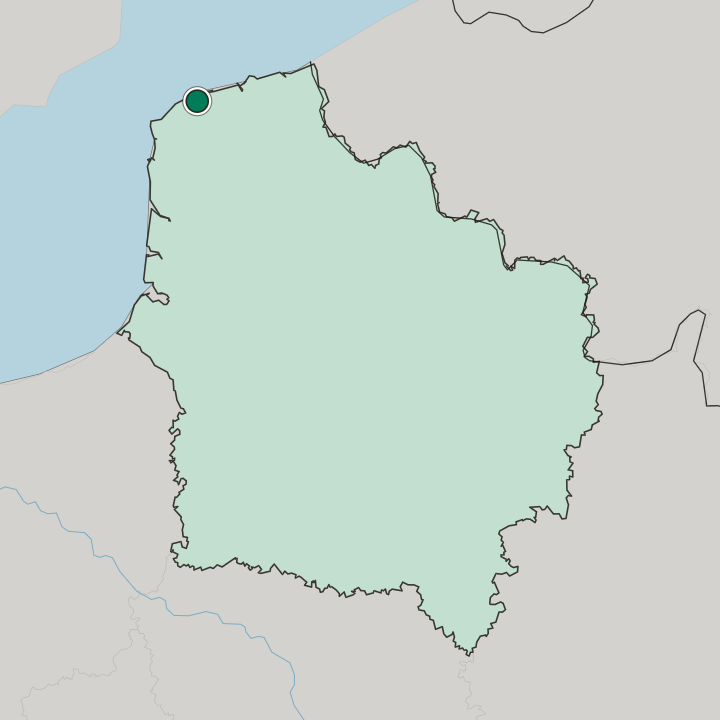
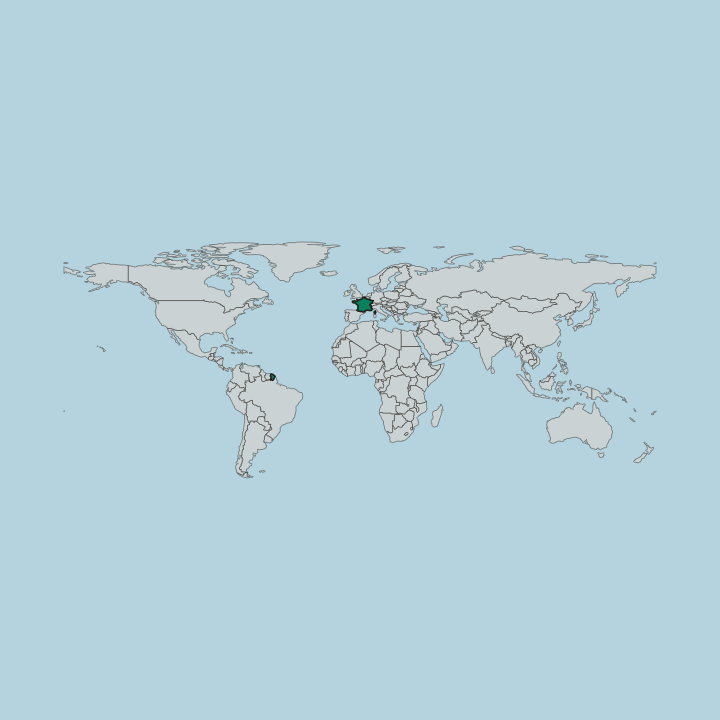
Calais stands on the flat coast of Hauts-de-France, looking out across the Strait of Dover at the narrowest point of the English Channel. The city is the largest town of the Pas-de-Calais department, and on a clear day the White Cliffs of Dover show across the water toward England. Low dunes and marsh ring the port.
The harbour and the ferry basins open to the sea, and the tunnel dives beneath the strait a short way to the west.
What is the climate of Calais?
Calais has a cool oceanic climate shaped by the sea. Mild damp winters and cool summers follow the winds off the English Channel, and grey skies and rain cross the flat coast through much of the year. The wind rarely rests.
Salt gusts sweep the harbour and the dunes off the Strait of Dover, and the weather can turn quickly on the open water.
How do you get to Calais?
Calais is one of the great gateways between France and England. Ferries cross the Strait of Dover to the English coast, and the Channel Tunnel runs its trains beneath the sea from just outside the town. Rail links reach inland too.
Fast trains connect the city toward Lille and Paris, and the motorways of Hauts-de-France meet at the port.
Common questions
What is the best area to stay in Calais?
Around the town hall and the Belfry of Calais: First-time visitors wanting the belfry and shops on foot. The harbour front by the Strait of Dover: Travellers taking the ferry or watching the crossing. The old Calais-Nord quarter: Visitors wanting the town's early stone and quiet streets. Near the Calais lace museum: Travellers who want the craft and art museums close.
Good for
More cities in Hauts-de-France
Updated September 2026