France · Hauts-de-France
Where to Stay in Dunkirk, Hauts-de-France
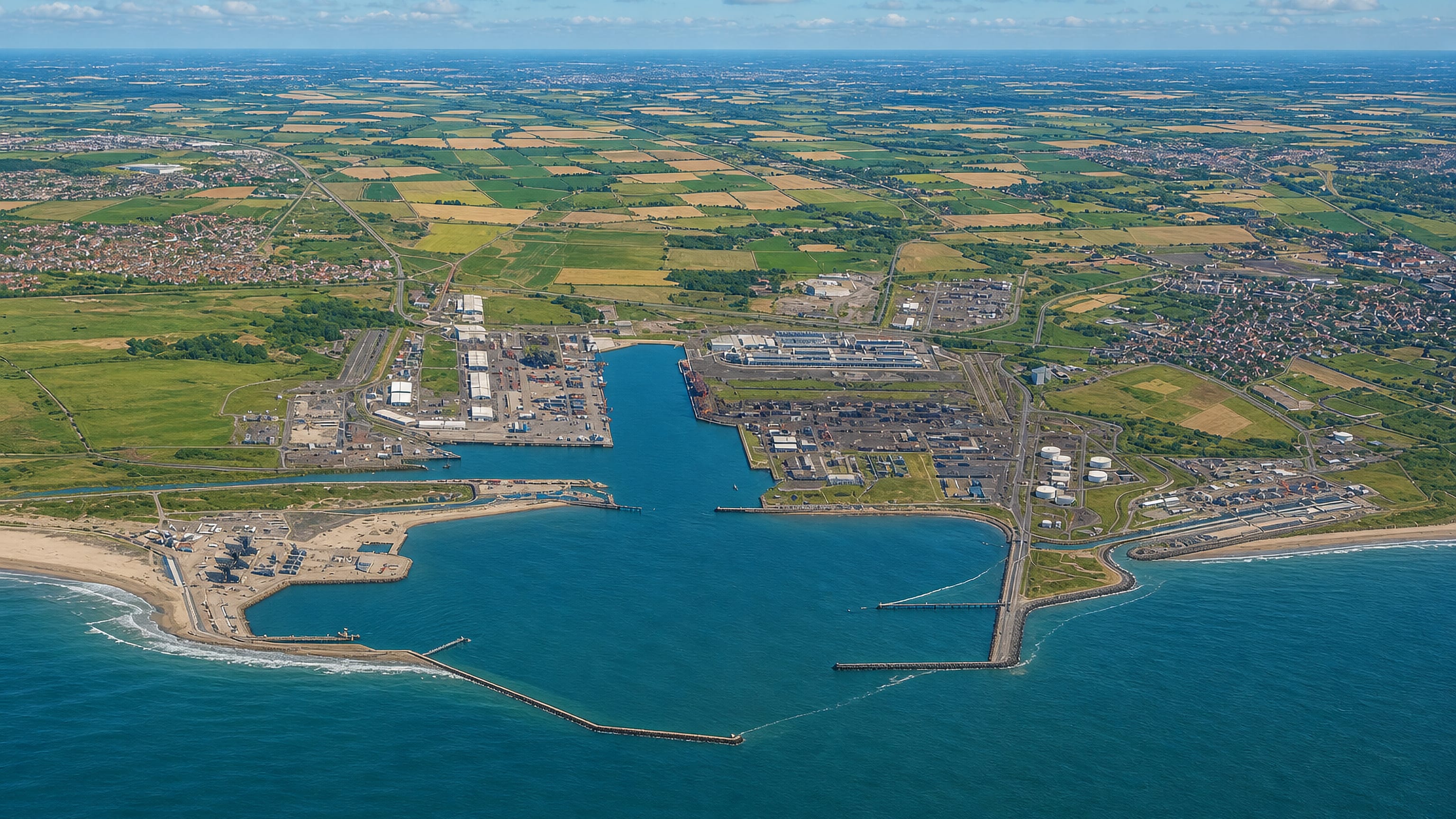
The North Sea works the quays at Dunkirk, a port city in the Nord department of northern France, near the Belgian border.
Hotel links are affiliate links: booking through them may earn us a commission, at no extra cost to you. It never affects how places are ranked. How this works


Where to stay in Dunkirk
How the choice of base plays out on the ground.
Dunkirk splits its lodging between the working town by the harbour and the seaside strip at Malo-les-Bains. The centre gathers around the Belfry of Dunkirk and the Église Saint-Éloi, close to the port museum and the old warehouses on the North Sea front, a walkable base within reach of the trains and the harbour. This is the base for the port and the old town.
From here the tramline and the promenade run out east to the sand. Malo-les-Bains gives the other footing, a resort quarter of villas set behind the beach where the Église Notre-Dame-du Sacré-Cœur marks the streets back from the sea. If you want the water at your door, this is the place to stay in Dunkirk, with the promenade and the wide North Sea beach a step from the room.
Base yourself by the beach. The harbour and the sand mark the two sides of the city.
Find hotels in Dunkirk
Direct booking searches for these neighbourhoods.
Old town by the Belfry of Dunkirk
The working centre around the Belfry of Dunkirk and the Église Saint-Éloi puts the North Sea harbour and the port museum within a short walk.Find hotels in Old town by the Belfry of Dunkirktravellers who want the promenade and the North Sea sand at Malo-les-BainsMalo-les-Bains beachfront
The villa streets of Malo-les-Bains behind the Église Notre-Dame-du Sacré-Cœur sit a step from the wide Dunkirk beach and its seafront promenade.Find hotels in Malo-les-Bains beachfrontHotel links are affiliate links: booking through them may earn us a commission, at no extra cost to you. It never affects how places are ranked. How this works
Things to do in Dunkirk
Ranked by global recognition; descriptions from Wikidata (CC0).
Museums & Galleries
3- Mémorial du Souvenir
- LAAC Museum of Contemporary Art
- Musée des Beaux-Arts de Dunkerque
Churches & Religious Sites
7- Église Saint-Éloi de Dunkerque Heritage
- Église Notre-Dame-du Sacré-Cœur de Malo-les-Bains Heritage
- Église Notre-Dame de Rosendaël Heritage
- église Saint-Martin de Dunkerque Heritage
- Église Saint-Antoine-de-Padoue de Petite-Synthe Heritage
Show 2 more →
- église Sainte-Bernadette de Rosendaël Heritage
- église Saint-Pierre de Coudekerque-Branche Heritage
Castles & Historic Sites
2- Méridienne verte
- Le Sablier
Stadiums & Sports
3- Stade des Flandres
- Patinoire Michel-Raffoux
- bassin d'initiation Deleersnyder
Landmarks & Notable Places
3- Tour du Leughenaer à Dunkerque Heritage
- Maison, 20, 22 rue du Sud Heritage
- Reuze Tower
worth knowingacross 5 categories in Dunkirk
About Dunkirk
What is Dunkirk known for?
Dunkirk is known as a major North Sea port in the Nord department, holding the third-largest French harbour. The city carries the Flemish stamp of its old town in the Belfry of Dunkirk and the Tour du Leughenaer, and it keeps the memory of the wartime evacuation at the Mémorial du Souvenir. Ships mark its whole story.
Malo-les-Bains draws bathers to the sand at its eastern edge.
What are the main landmarks in Dunkirk?
Dunkirk keeps its landmarks between the old harbour and the seaside quarters. The Belfry of Dunkirk and the Tour du Leughenaer rise over the port, the Reuze Tower and the Église Saint-Éloi hold the old streets, and the Dunkirk Port Museum, the LAAC Museum of Contemporary Art, and the Musée des Beaux-Arts gather the city's collections. The Mémorial du Souvenir recalls the evacuation.
Towers watch the North Sea.
What is the history of Dunkirk?
Dunkirk grew from a Flemish fishing settlement on the North Sea into one of the great harbours of northern France. Its name carries the old Flemish sense of a church in the dunes, and the town passed through Flemish, Spanish, and French hands before the Nord department settled around it, leaving landmarks such as the Tour du Leughenaer and the Belfry of Dunkirk from its long coastal trade. It was the North Sea that made Dunkirk.
Around the old market ground the Belfry of Dunkirk still stands. Dunkirk is bound in memory to the wartime evacuation from its beaches, a story the Mémorial du Souvenir keeps close to the harbour. Rebuilt after heavy damage, the city kept its port at the centre of its life while the resort of Malo-les-Bains spread east along the sand.
Much was lost and remade. From fishing dunes to the third-largest French harbour, the North Sea has shaped every age of the town.
Where is Dunkirk?
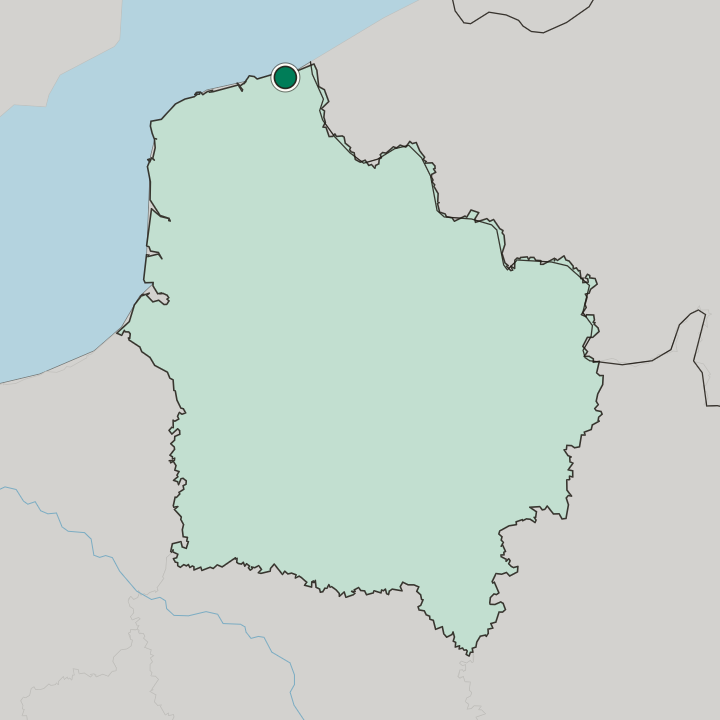
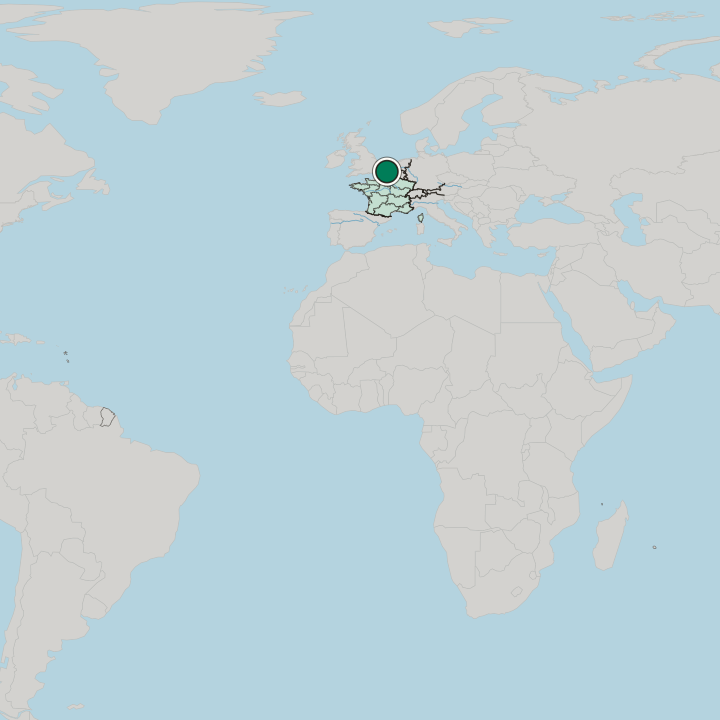
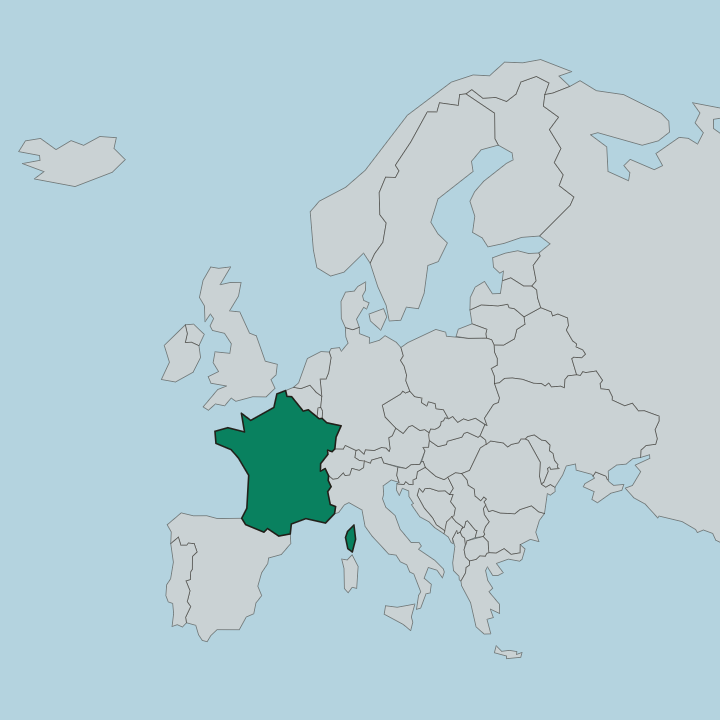
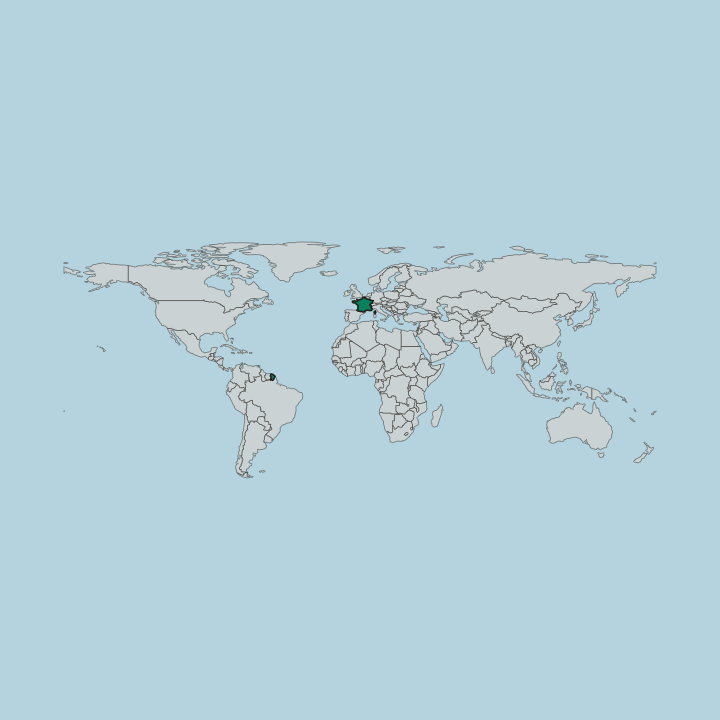
Dunkirk lies on the North Sea coast of northern France, on the flat dune country of the Nord department near the Belgian border. The city spreads along a low shore of sand and reclaimed polder, its harbour cut into the coast and its seaside quarter of Malo-les-Bains running east behind the beach. The land is flat and open.
Dunes and water frame every edge of the port.
What is the climate of Dunkirk?
Dunkirk has the mild, wet climate of the North Sea coast. Open to the water on the flat shore of northern France, the city sees cool summers and soft winters, with sea winds and grey, changeable skies driving in off the North Sea for much of the year. The wind rarely rests.
Rain comes in off the water across the dunes.
How do you get to Dunkirk?
Dunkirk sits on the coastal rail and road links of the Nord department near the Belgian border. Trains reach the city across the Hauts-de-France network, ferries cross the North Sea from its harbour, and the motorways run along the coast toward Belgium and inland across northern France. Ferries sail from the port.
The roads follow the flat coast east and west.
Common questions
What is the best area to stay in Dunkirk?
Old town by the Belfry of Dunkirk: visitors who want the harbour, the port museum, and the Belfry of Dunkirk on foot. Malo-les-Bains beachfront: travellers who want the promenade and the North Sea sand at Malo-les-Bains.
Good for
More cities in Hauts-de-France
Updated September 2026