France · Nouvelle-Aquitaine
Where to Stay in Bordeaux, Nouvelle-Aquitaine
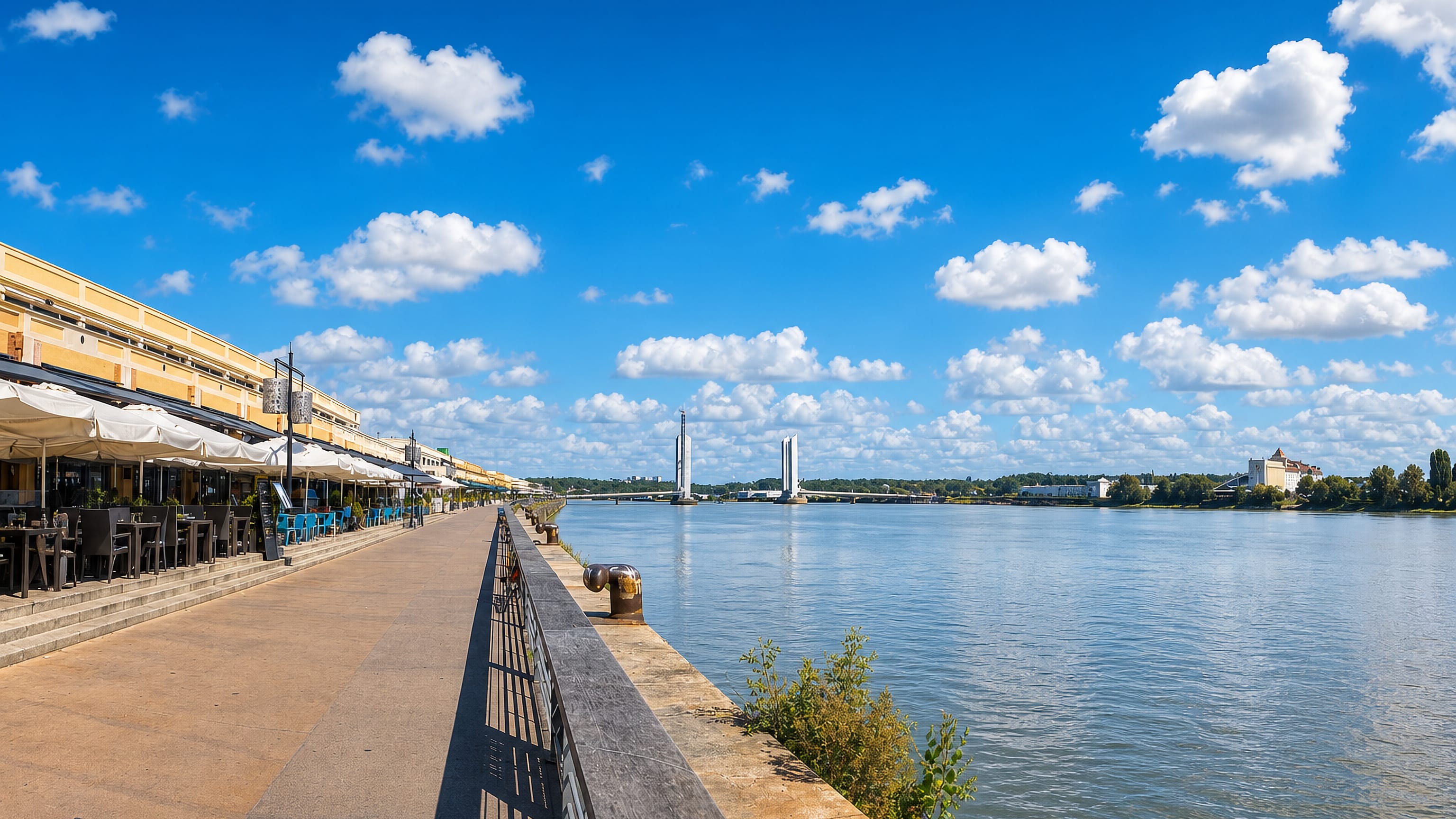
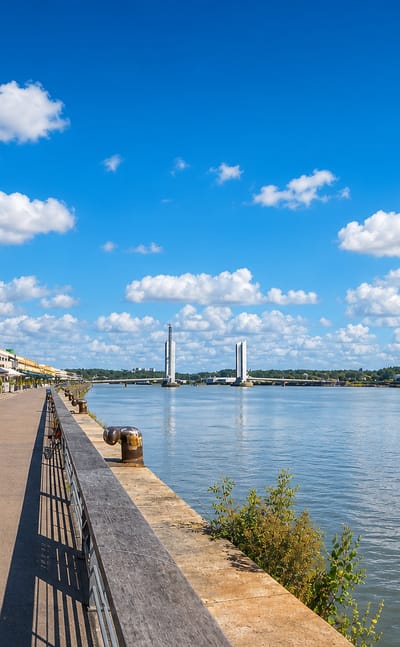
Pale limestone quays curve along the Garonne at Bordeaux, a port city in southwestern France, capital of Nouvelle-Aquitaine and known for the Cité du Vin.
Hotel links are affiliate links: booking through them may earn us a commission, at no extra cost to you. It never affects how places are ranked. How this works


Where to stay in Bordeaux
The right area depends on your trip — here's what each neighbourhood is best for.
 BordeauxFrancethe old wine-négoce riverfront
Chartrons
Warehouse streets past Saint-Louis-des-Chartrons holding the Musée du vin et du négoce de Bordeaux by the water.Chartrons → BordeauxFrance
Bacalan
Bacalan is a broad quarter of Bordeaux, holding the église Notre-Dame-du-Lac de Ginko, the stade Charles Martin and the sports ground at Labarde.Where to stay →Hotel links are affiliate links: booking through them may earn us a commission, at no extra cost to you. It never affects how places are ranked. How this works
Find hotels in Bordeaux
Direct booking searches for these neighbourhoods.
Historic core
Steps from the Tour Pey-Berland and the Musée des Beaux-Arts de Bordeaux, with the riverside quays close by.Find hotels in Historic corelived-in market lanesSaint-Michel
Dense older streets around the Basilica of St. Michael, Bordeaux and the Church of the Holy Cross.Find hotels in Saint-MichelHotel links are affiliate links: booking through them may earn us a commission, at no extra cost to you. It never affects how places are ranked. How this works
Things to do in Bordeaux
Ranked by global recognition; descriptions from Wikidata (CC0).
Museums & Galleries
3- Cité du Vin
- Musée des Beaux-Arts de Bordeaux
- CAPC musée d'art contemporain de Bordeaux
Churches & Religious Sites
8- Basilica of St. Michael, Bordeaux Heritage
- Basilica of Saint Severinus of Bordeaux Heritage
- Church of the Holy Cross Heritage
- Église Notre-Dame de Bordeaux Heritage
- Saint-Louis-des-Chartrons Heritage
Show 3 more →
- Église Sainte-Eulalie de Bordeaux Heritage
- Église Saint-Paul-Saint-François-Xavier Heritage
- temple des Chartrons Heritage
Castles & Historic Sites
3- Monument aux Girondins Heritage
- amphitheatre of Bordeaux Heritage
- Fort du Hâ Heritage
Stadiums & Sports
3- Kart System
- stade Charles Martin
- terrains de sports de Labarde
Landmarks & Notable Places
2- Tour Pey-Berland UNESCO
- Maison hollandaise, 28 quai des Chartrons Heritage
worth knowingacross 5 categories in Bordeaux
About Bordeaux
What is Bordeaux known for?
Bordeaux is known as a port and wine capital on the Garonne in southwestern France. The Cité du Vin turns the region's wine trade into a public exhibition, while the Tour Pey-Berland rises beside the cathedral over the old town. Older still is Burdigala, the Roman settlement whose amphitheatre and Piliers de Tutelle left their mark.
The Monument aux Girondins closes one long square. Wine négoce shaped the city.
What are the main landmarks in Bordeaux?
The main landmarks in Bordeaux gather between the old town and the Garonne. The Tour Pey-Berland stands beside the cathedral, the Monument aux Girondins closes its long square, and the Cité du Vin marks the wine trade north along the river. Museums line the centre, from the Musée des Beaux-Arts de Bordeaux to the CAPC musée d'art contemporain de Bordeaux and the Aquitaine Museum.
Roman Burdigala survives in fragments. The Piliers de Tutelle and the amphitheatre of Bordeaux recall the ancient city.
What is the history of Bordeaux?
Bordeaux began as Burdigala, a settlement of the Bituriges Vivisci on the Garonne in what is now southwestern France. Rome made it a provincial capital. The amphitheatre of Bordeaux and the vanished Piliers de Tutelle date from that ancient city, whose port already traded up and down the river.
Wine went out through those quays even then. Later centuries bound the city to the sea and to distant markets, and the merchant houses of the Chartrons district rose on that commerce, their fortunes built on the négoce that ran through Saint-Louis-des-Chartrons. Medieval Bordeaux gathered its churches and defences along the water.
The Fort du Hâ and the lost Castle Trompette once guarded the town, while the Basilica of St. Michael, Bordeaux and the Church of the Holy Cross marked its parishes. The Tour Pey-Berland rose beside the cathedral in the fifteenth century. Long afterward the Monument aux Girondins was raised to the revolutionaries the city gave its name to, closing a square at the heart of the old streets.
Where is Bordeaux?
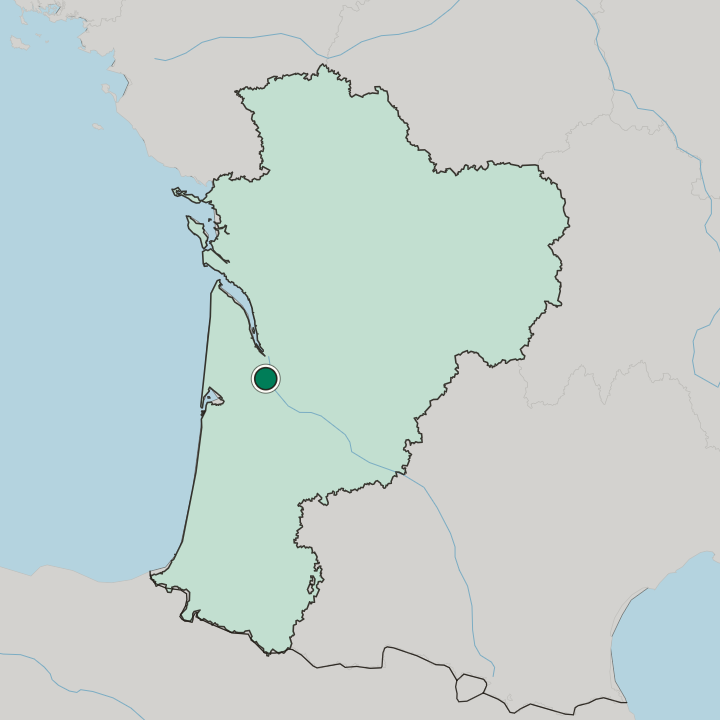
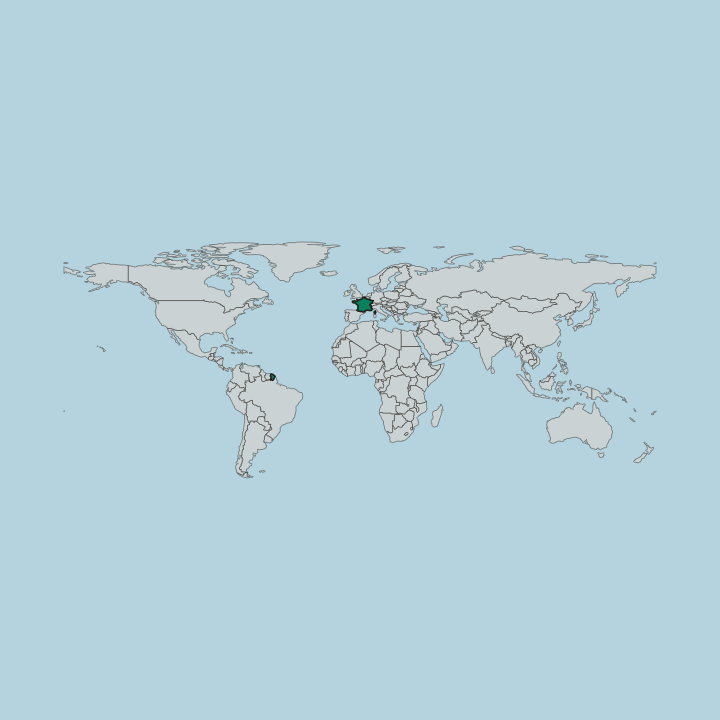
Bordeaux sits on the Garonne in the Gironde department of southwestern France, capital of the Nouvelle-Aquitaine region. The river curves through the city in a long crescent, giving the old quays their name of the Port of the Moon. Low ground frames it.
The left bank holds the historic core, while the Garonne runs on toward its meeting with the Dordogne downstream. Vineyard country spreads out around the city on every side.
What is the climate of Bordeaux?
Bordeaux holds a mild oceanic climate, tempered by the Atlantic to the west of Gironde. Winters stay cool and wet rather than hard, with grey days settling over the Garonne quays for long stretches while the river runs high. Summers turn warm and long.
The vineyards ripen through them. Rain falls across the year, heaviest in the darker months. Spring comes early to the riverside gardens.
How do you get to Bordeaux?
Getting to Bordeaux is straightforward by rail and road across southwestern France. Fast trains run down from the north into the city's station on the left bank of the Garonne, a short way from the old town. Roads converge from the Gironde and the wider Nouvelle-Aquitaine region.
An airport lies west. Once you reach the core, the Tour Pey-Berland, the Cité du Vin, and the riverside quays all lie within easy reach on foot or tram.
Common questions
What is the best area to stay in Bordeaux?
Historic core: cathedral-quarter museums on foot. Chartrons: the old wine-négoce riverfront. Saint-Michel: lived-in market lanes.
Good for
More cities in Nouvelle-Aquitaine
Updated October 2026