France · Nouvelle-Aquitaine
Where to Stay in La Rochelle, Nouvelle-Aquitaine
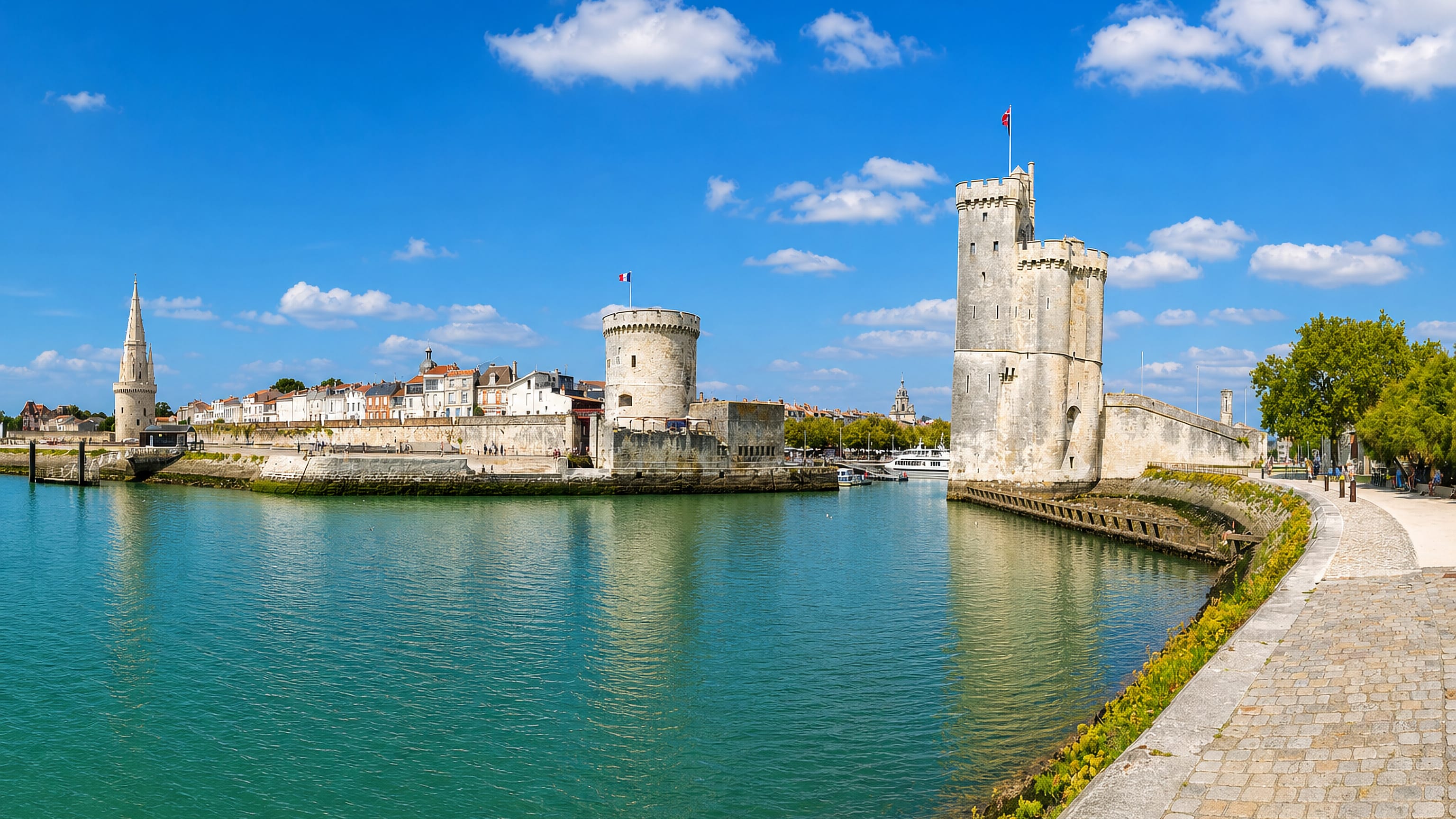
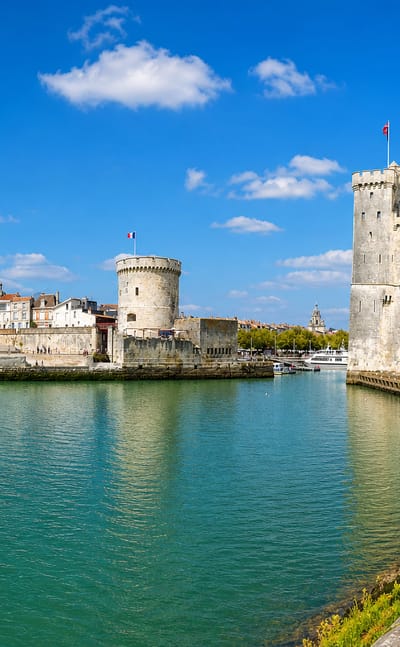
Two stone towers guard the old harbour at La Rochelle, a seaport on the Bay of Biscay in Nouvelle-Aquitaine, capital of Charente-Maritime.
Hotel links are affiliate links: booking through them may earn us a commission, at no extra cost to you. It never affects how places are ranked. How this works


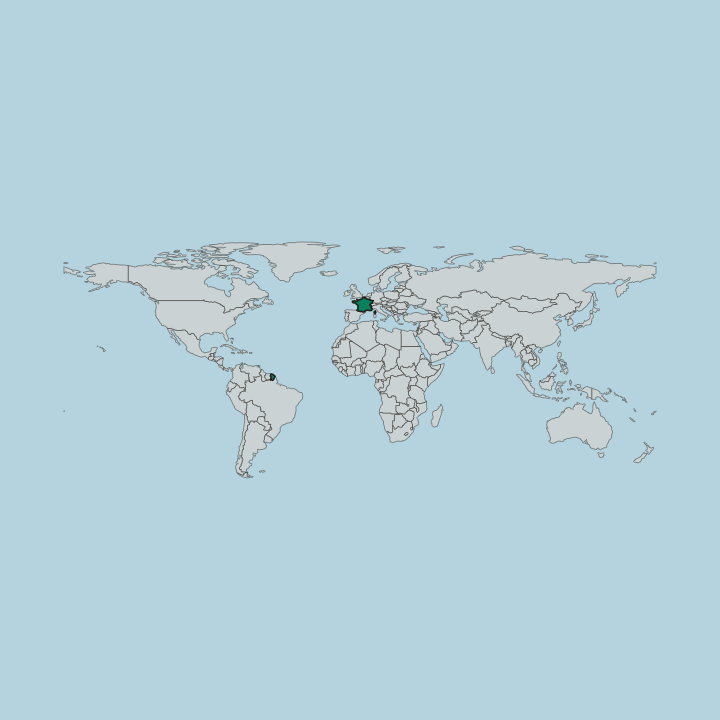
Where to stay in La Rochelle
One neighbourhood here has its own guide — here's what it is best for.
 La RochelleFrance
Saint-Maurice
Saint-Maurice is a quarter of La Rochelle, the district that carries Stade Marcel-Deflandre and the Église du Sacré-Cœur de La Rochelle.Where to stay →Hotel links are affiliate links: booking through them may earn us a commission, at no extra cost to you. It never affects how places are ranked. How this works
Find hotels in La Rochelle
Direct booking searches for these neighbourhoods.
The old harbour and towers
The old port keeps the Tour Saint-Nicolas and the Tour de la Chaîne guarding the quays within one walk of the arcaded streets.Find hotels in The old harbour and towersgallery visitors near the Musée du Nouveau MondeThe museum quarter inland
The old town gathers the Musée des Beaux-Arts de La Rochelle and the Musée du Nouveau Monde among its merchant houses, a short step from the port.Find hotels in The museum quarter inlandHotel links are affiliate links: booking through them may earn us a commission, at no extra cost to you. It never affects how places are ranked. How this works
Things to do in La Rochelle
Ranked by global recognition; descriptions from Wikidata (CC0).
Museums & Galleries
3- Musée des Beaux-Arts de La Rochelle Heritage
- Aquarium de La Rochelle
- Musée maritime de La Rochelle
Churches & Religious Sites
3- Église Notre-Dame-de-Cougnes de La Rochelle Heritage
- Église Saint-Cybard de Périgny Heritage
- Église du Sacré-Cœur de La Rochelle
Castles & Historic Sites
1- Vauclair Castle Heritage
Stadiums & Sports
3- Stade Marcel-Deflandre
- Le Rochelois
- Street Workout de Mireuil
Landmarks & Notable Places
8- Tour Saint-Nicolas Heritage
- Tour de la Chaîne Heritage
- Maison de Nicolas Venette Heritage
- Maison de Jean Guiton Heritage
- Grande-maison de Lhommée Heritage
Show 3 more →
- Maison au Chien Heritage
- Maison, 5 Rue des Merciers Heritage
- Maison Pillaud Heritage
worth knowingacross 5 categories in La Rochelle
About La Rochelle
What is La Rochelle known for?
La Rochelle is known as a seaport on the Bay of Biscay and the capital of the Charente-Maritime, on the west coast of France in Nouvelle-Aquitaine. Its harbour is guarded by two towers. The Tour Saint-Nicolas and the Tour de la Chaîne frame the old port, while the Aquarium de La Rochelle and the Musée du Nouveau Monde speak to the city's long ties to the Atlantic Ocean and the trade beyond it.
What are the main landmarks in La Rochelle?
La Rochelle keeps its landmarks around the old harbour. The Tour Saint-Nicolas and the Tour de la Chaîne stand at the port mouth, medieval towers that once closed the harbour with a chain. Museums fill the town behind.
The Aquarium de La Rochelle and the Musée maritime de La Rochelle hold the sea, the Musée du Nouveau Monde recalls the Atlantic trade, and the Musée des Beaux-Arts de La Rochelle and the Maison de Jean Guiton carry the older town.
What is the history of La Rochelle?
La Rochelle rose as a harbour on the Bay of Biscay, its wealth built on the Atlantic and the trade that crossed it. The Tour Saint-Nicolas and the Tour de la Chaîne were raised to guard the port, and a chain once strung between them could close the harbour mouth against attack. Sea both gave and threatened.
Over time the city grew into a Protestant stronghold whose faith and independence marked it out, a memory kept in its musée protestant. Through the age of Atlantic commerce La Rochelle traded across the ocean, and the Musée du Nouveau Monde tells that story of ships bound west. It became the capital of the Charente-Maritime, the fourth city of the Nouvelle-Aquitaine after Bordeaux, Limoges, and Poitiers.
Merchant houses of the old town, among them the Maison de Jean Guiton, still line the arcaded streets. The harbour held the whole history together.
Where is La Rochelle?
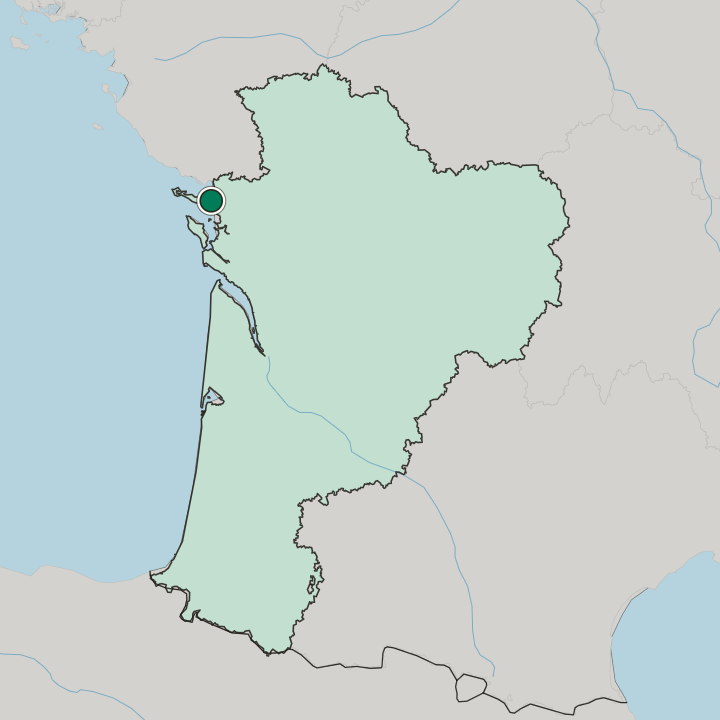
La Rochelle stands on the west coast of France, a seaport on the Bay of Biscay, part of the Atlantic Ocean, in the Charente-Maritime. Flat marsh and shore surround it. The city holds a sheltered harbour on the ocean edge of Nouvelle-Aquitaine, its old port opening to the bay past the two guard towers.
Sea and low coast shape the ground.
What is the climate of La Rochelle?
La Rochelle has a mild Atlantic climate, tempered by the Bay of Biscay. Sea light is bright here. Summers stay warm and dry along the coast, while winters run soft and wet with the ocean air, rarely hard, off the open water.
The Atlantic Ocean holds the seasons even through the year.
How do you get to La Rochelle?
La Rochelle sits on the Atlantic coast of Nouvelle-Aquitaine, reached by rail and road from inland. Trains run to the west coast. The lines and roads cross the flat Charente-Maritime toward the Bay of Biscay, drawing traffic from Bordeaux and Poitiers out to the harbour, and boats work the sheltered port.
The coast marks the end of the run.
Common questions
What is the best area to stay in La Rochelle?
The old harbour and towers: first-time visitors by the Tour Saint-Nicolas. The museum quarter inland: gallery visitors near the Musée du Nouveau Monde.
Good for
More cities in Nouvelle-Aquitaine
Updated October 2026