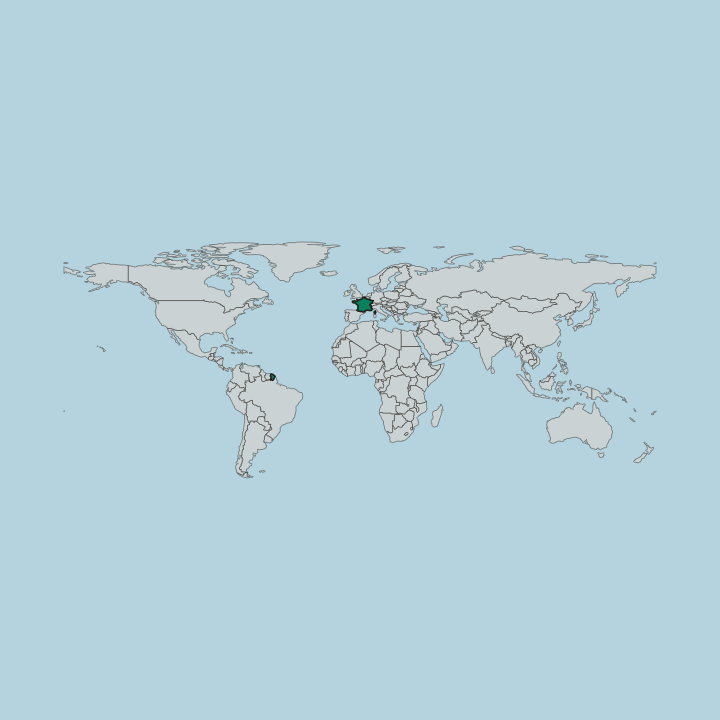
France · Nouvelle-Aquitaine
Where to Stay in Limoges, Nouvelle-Aquitaine
Limoges is a porcelain city in Nouvelle-Aquitaine, its trade told in the Adrien Dubouché National Museum on the site of Roman Augustoritum.
Hotel links are affiliate links: booking through them may earn us a commission, at no extra cost to you. It never affects how places are ranked. How this works


Where to stay in Limoges
How the choice of base plays out on the ground.
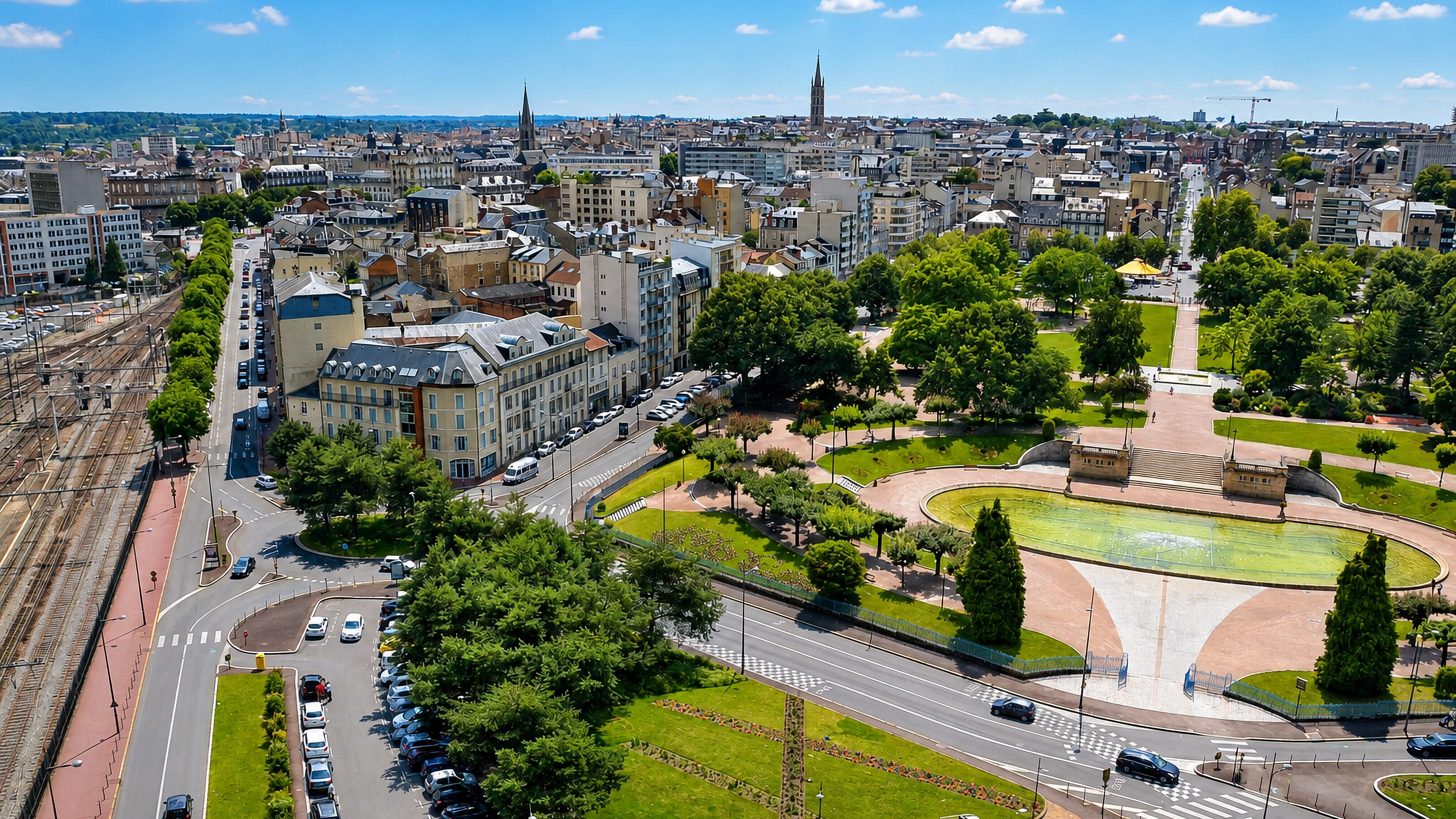
Limoges grew as two old towns that later joined, and the split still guides where to sleep. The cathedral side around the Musée de l'Évêché de Limoges and the Église Saint-Michel-des-Lions à Limoges keeps the museums, the terraced garden above the water, and the Church of St. Pierre du Queyroix within one walkable stretch, and it suits travellers who want the historic streets on the doorstep. It is the calmest base.
The old merchants' town nearer the Adrien Dubouché National Museum runs to shops and the porcelain trade, close to the Maison des Templiers de Limoges and the market halls. Out west, the Beaublanc quarter around the Stade Municipal de Beaublanc and the Aquarium du Limousin is a plainer, sportier base, further from the old centre. Each side sits within a short walk or a quick hop of the others, so the choice is one of character over distance.
Find hotels in Limoges
Direct booking searches for these neighbourhoods.
Cathedral quarter
Around the Musée de l'Évêché de Limoges and the Église Saint-Michel-des-Lions à Limoges, by the terraced garden above the water.Find hotels in Cathedral quartershops and the porcelain tradeOld merchants' town
Nearer the Adrien Dubouché National Museum and the Maison des Templiers de Limoges, in the market-hall streets.Find hotels in Old merchants' towna plainer, sportier base out westBeaublanc
Around the Stade Municipal de Beaublanc and the Aquarium du Limousin, further from the old centre of Limoges.Find hotels in BeaublancHotel links are affiliate links: booking through them may earn us a commission, at no extra cost to you. It never affects how places are ranked. How this works
Things to do in Limoges
Ranked by global recognition; descriptions from Wikidata (CC0).
Museums & Galleries
3- Adrien Dubouché National Museum (Limoges) Heritage
- Musée de l'Évêché de Limoges
- Museum of Resistance in Limoges
Churches & Religious Sites
5- Église Saint-Michel-des-Lions à Limoges Heritage
- Church of St. Pierre du Queyroix Heritage
- Église Saint-Jean de Limoges Heritage
- église Saint-Pierre-du-Sépulcre de Limoges Heritage
- église Saint-Pierre-ès-Liens de Panazol Heritage
Castles & Historic Sites
3- Château du Mas de l'Age Heritage
- Augustoritum
- Limoges (Samian Ware Discovery Site)
Stadiums & Sports
3- Palais des Sports de Beaublanc
- Stade Municipal de Beaublanc
- stade Saint-Lazare
Landmarks & Notable Places
2- maison Lacaux Heritage
- Maison des Templiers de Limoges Heritage
worth knowingacross 5 categories in Limoges
About Limoges
Limoges is known the world over for porcelain.
What is Limoges known for?
The Adrien Dubouché National Museum holds that craft, its clay heir to the Roman potters of Augustoritum. Enamel and ceramics run deep here. Add the Église Saint-Michel-des-Lions à Limoges, the Church of St. Pierre du Queyroix, and the Musée de l'Évêché de Limoges, and the older city takes shape.
What are the main landmarks in Limoges?
Limoges keeps its landmarks around the old towns. The Adrien Dubouché National Museum gathers the porcelain, while the Musée de l'Évêché de Limoges and the Museum of Resistance in Limoges hold the art and the wartime memory. Churches mark the streets, the Église Saint-Michel-des-Lions à Limoges, the Church of St. Pierre du Queyroix, and the Église Saint-Jean de Limoges among them.
The Maison des Templiers de Limoges and the Aquarium du Limousin round out the walk.
What is the history of Limoges?
Limoges began as Augustoritum, a Gallo-Roman town whose potters already worked the local clay, a discovery site of samian ware marking that early trade. Clay set the course. The fine white kaolin of the surrounding country made the city one of the great porcelain centres of Europe, a craft now held whole in the Adrien Dubouché National Museum, and before the porcelain came the medieval enamels that carried the name of Limoges across the Christian world.
The town grew as two rivals, a bishop's city around its cathedral and the Musée de l'Évêché de Limoges, and a separate merchants' town of guilds and markets, the two kept apart for centuries before they fused into one. Churches from those years still stand, the Église Saint-Michel-des-Lions à Limoges and the Church of St. Pierre du Queyroix among them, and the Maison des Templiers de Limoges recalls the older orders. The Second World War left its own mark on the city, a story now kept in the Museum of Resistance in Limoges.
It runs from Roman kiln to porcelain works.
Where is Limoges?
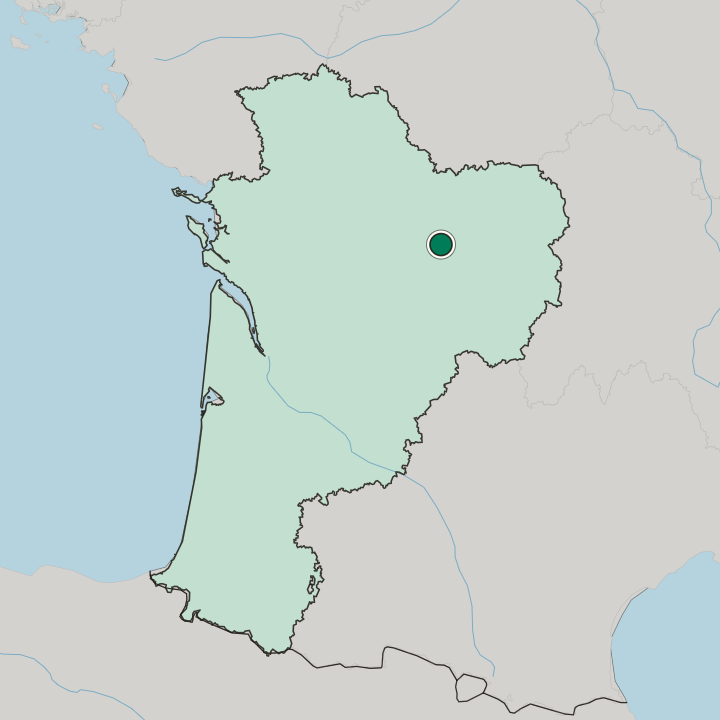
Limoges lies in Nouvelle-Aquitaine, the largest city of the old Limousin country. Hills and green valleys surround it. The old centre sits on rising ground above the water, the cathedral quarter and the Musée de l'Évêché de Limoges on the higher terrace, the merchants' town and the Adrien Dubouché National Museum on the slope below.
The Beaublanc quarter spreads out west of the core.
What is the climate of Limoges?
Limoges has a cool, wet climate for its part of Nouvelle-Aquitaine, set on high inland ground away from the coast. On this high inland ground the winters run cold and overcast. Frost and rain settle often across the surrounding hills, and snow falls more than it does on the western plains nearer the sea.
Summers stay warm and green, showers spread across the year. The uplands keep it damp.
How do you get to Limoges?
Limoges sits on the main rail line running south across Nouvelle-Aquitaine, so most visitors arrive by train at its landmark station. An airport west of the city adds a few longer links. Roads reach it through the hills of the Limousin.
Once in the centre, the cathedral quarter around the Musée de l'Évêché de Limoges and the streets by the Adrien Dubouché National Museum are close enough to cross on foot, with the Beaublanc quarter a short ride further west.
Common questions
What is the best area to stay in Limoges?
Cathedral quarter: the Musée de l'Évêché and a calm historic base. Old merchants' town: shops and the porcelain trade. Beaublanc: a plainer, sportier base out west.
Good for
More cities in Nouvelle-Aquitaine
Updated October 2026