France · Provence-Alpes-Côte d'Azur
Where to Stay in Aix-en-Provence, Provence-Alpes-Côte d'Azur
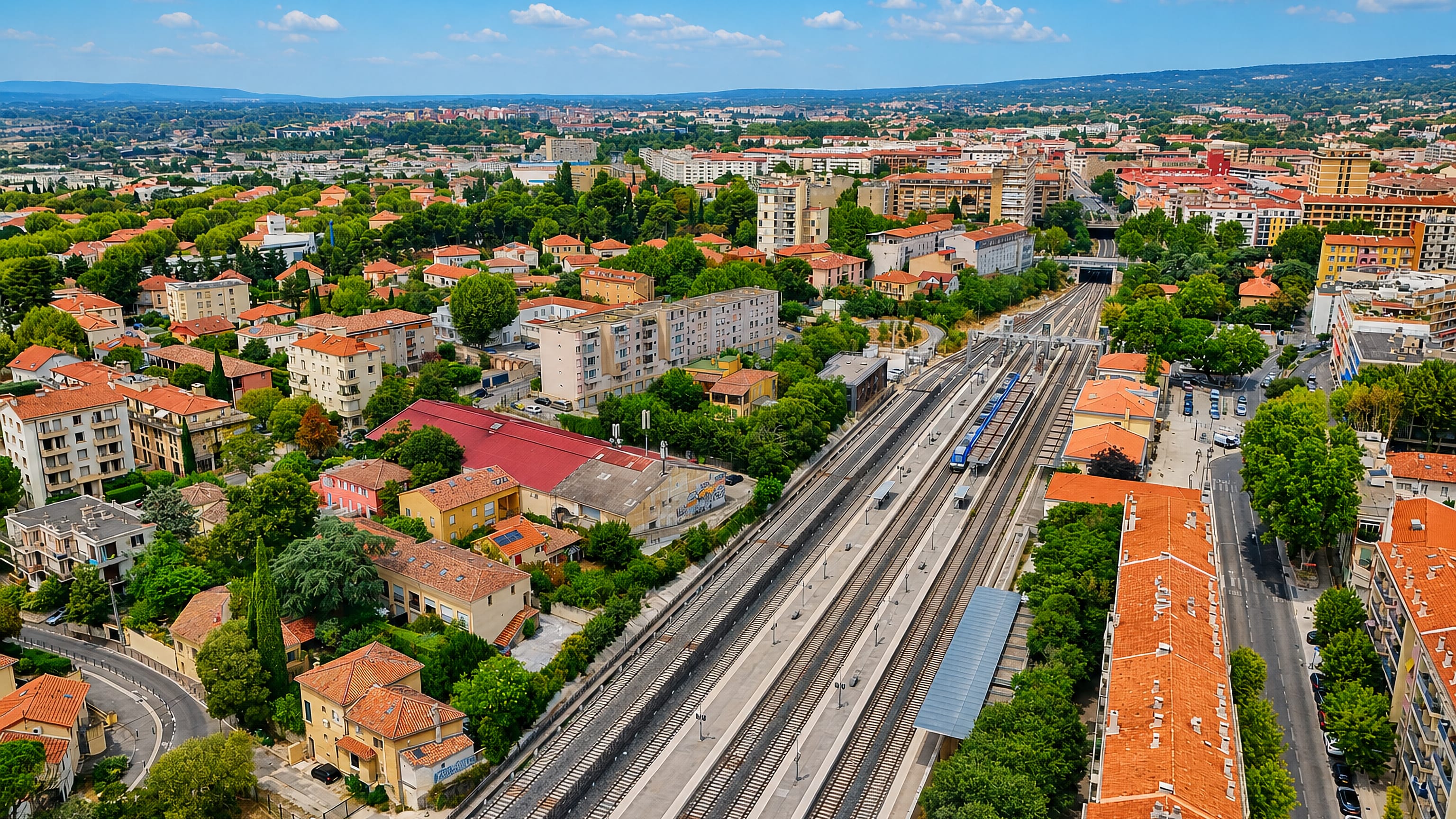
Plane trees shade the cours Mirabeau in Aix-en-Provence, a former capital of Provence and the home town of the painter Paul Cézanne.
Hotel links are affiliate links: booking through them may earn us a commission, at no extra cost to you. It never affects how places are ranked. How this works


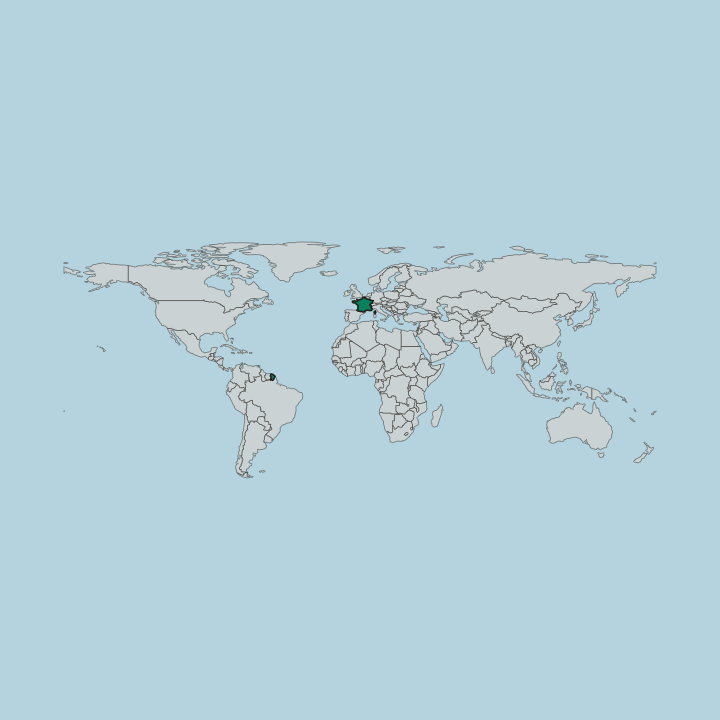
Where to stay in Aix-en-Provence
One neighbourhood here has its own guide — here's what it is best for.
 Aix-en-ProvenceFrance
Luynes
Luynes is a village 4 km south of Aix-en-Provence, known for its prison, its three international schools and the église Saint-Georges.Where to stay →Hotel links are affiliate links: booking through them may earn us a commission, at no extra cost to you. It never affects how places are ranked. How this works
Find hotels in Aix-en-Provence
Direct booking searches for these neighbourhoods.
Old town
The maze of hotels particuliers north of the cours Mirabeau puts the Musée Granet and the Church of Saint-Jean-de-Malte within a walk.Find hotels in Old townQuieter townhouse stays south of the avenueQuartier Mazarin
Grid-planned streets around the Musée Granet hold calmer courtyards a few steps below the cours Mirabeau.Find hotels in Quartier MazarinTravellers following the painter's groundCézanne slopes
The northern edge toward the Atelier Cézanne and the Terrain des peintres carries Cézanne's own hillside above the town.Find hotels in Cézanne slopesHotel links are affiliate links: booking through them may earn us a commission, at no extra cost to you. It never affects how places are ranked. How this works
Things to do in Aix-en-Provence
Ranked by global recognition; descriptions from Wikidata (CC0).
Museums & Galleries
3- Atelier Cézanne Heritage
- fondation Vasarely Heritage
- Chapelle des pénitents blancs Heritage
Churches & Religious Sites
5- Church of Saint-Jean-de-Malte, Aix-en-Provence Heritage
- Église de la Madeleine Heritage
- Église du Saint-Esprit Heritage
- Chapel of the Oblates Heritage
- Église Saint-Jean-Baptiste du Faubourg Heritage
Stadiums & Sports
3- stade Maurice-David
- Georges-Carcassonne Stadium
- boulodrome de Luynes
Landmarks & Notable Places
8- Maison, 8 rue de Lacépède Heritage
- maison La Félicité Heritage
- Hôtel de Gastaud Heritage
- Hôtel de Thoron Heritage
- Maison, 14 rue Clovis Hugues Heritage
Show 3 more →
- Immeuble, 24 cours Mirabeau Heritage
- Hôtel Félix du Muy Heritage
- Maison, 1 rue Adanson Heritage
worth knowingacross 4 categories in Aix-en-Provence
About Aix-en-Provence
What is Aix-en-Provence known for?
Aix-en-Provence is known as a former capital of Provence and the home of Paul Cézanne, whose Atelier Cézanne stands preserved on the northern slopes above the town. The Musée Granet holds its finest paintings, and the tree-lined cours Mirabeau runs through the heart of the old streets. Fountains mark the squares.
The Church of Saint-Jean-de-Malte and the Pavillon Vendôme anchor a townscape of stone facades within the region of Provence-Alpes-Côte d'Azur.
What are the main landmarks in Aix-en-Provence?
The main landmarks of Aix-en-Provence gather along and beyond the cours Mirabeau. The Musée Granet holds the town's great painting collection, the Atelier Cézanne preserves the painter's studio on the northern slope, and the fondation Vasarely brings its geometric galleries to the western edge. Churches punctuate the old streets.
The Église de la Madeleine, the Church of Saint-Jean-de-Malte and the Chapelle des pénitents blancs stand among them, while the Musée du Vieil-Aix records the town's own past.
What is the history of Aix-en-Provence?
Aix-en-Provence began as a Roman town and rose to become a former capital of Provence, a seat of counts and parliaments whose wealth built the stone facades of the old centre. Its founding reaches back to antiquity, when a settlement grew around the thermal springs that gave the town its name. Rome laid the first streets.
Over the medieval and early modern centuries the seat of Provençal government drew nobles who raised the hotels particuliers still lining the cours Mirabeau. The age of the parliament of Provence left the deepest imprint, and the town's museums keep that memory. The Musée Granet and the Musée du Vieil-Aix hold the paintings, furnishings and records of that era, while the Church of Saint-Jean-de-Malte and the Église de la Madeleine mark the faith of the old quarters.
In the modern age the painter Paul Cézanne worked on the northern slopes, and the Atelier Cézanne preserves the studio where he painted the surrounding country of Provence-Alpes-Côte d'Azur. That double inheritance, a parliamentary capital and a painter's home, still defines how the town reads its past.
Where is Aix-en-Provence?
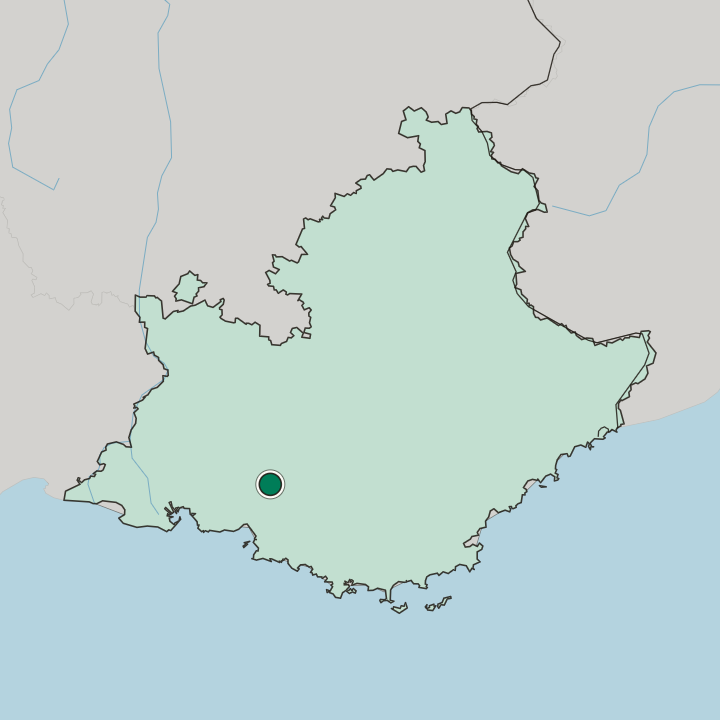
Aix-en-Provence lies inland in Provence-Alpes-Côte d'Azur, north of Marseille on a plain ringed by low limestone hills. The slopes above the town, where the Atelier Cézanne stands, look out over the country the painter recorded. Springs feed the setting.
The thermal waters that named the town rise here, and the old centre spreads across the plain below the ridges of the surrounding Provençal landscape.
What is the climate of Aix-en-Provence?
Aix-en-Provence has a Mediterranean climate of hot, dry summers and mild winters, typical of inland Provence-Alpes-Côte d'Azur. The mistral wind sweeps down from the hills, clearing the sky and cooling the streets around the cours Mirabeau for days at a time. Autumn brings the heaviest rain.
Long luminous days over the surrounding country drew Paul Cézanne to paint the light of these slopes.
How do you get to Aix-en-Provence?
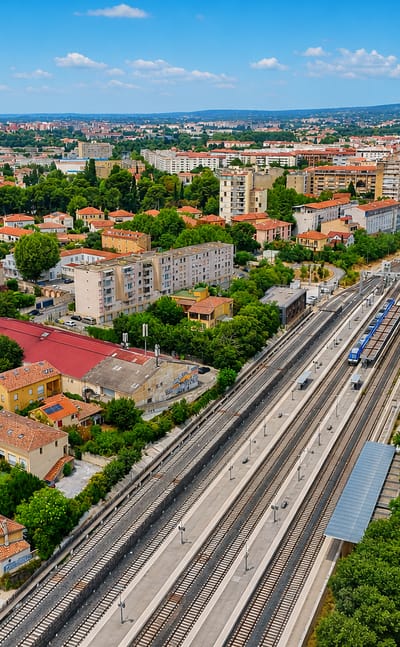
Aix-en-Provence is reached by fast rail on the line through Provence-Alpes-Côte d'Azur, with a high-speed station serving the town from the plain outside the centre. From there the old streets and the cours Mirabeau lie a short ride away. Marseille sits close by road.
The motorways of the region link Aix to the coast and the wider Rhône valley within easy reach.
Common questions
What is the best area to stay in Aix-en-Provence?
Old town: First visits along the cours Mirabeau. Quartier Mazarin: Quieter townhouse stays south of the avenue. Cézanne slopes: Travellers following the painter's ground.
Good for
More cities in Provence-Alpes-Côte d'Azur
Updated October 2026