France · Provence-Alpes-Côte d'Azur
Where to Stay in Antibes, Provence-Alpes-Côte d'Azur
Antibes is a seaside resort city on the French Riviera in Alpes-Maritimes, set between Cannes and Nice, known for Port Vauban and its Picasso Museum.
Hotel links are affiliate links: booking through them may earn us a commission, at no extra cost to you. It never affects how places are ranked. How this works


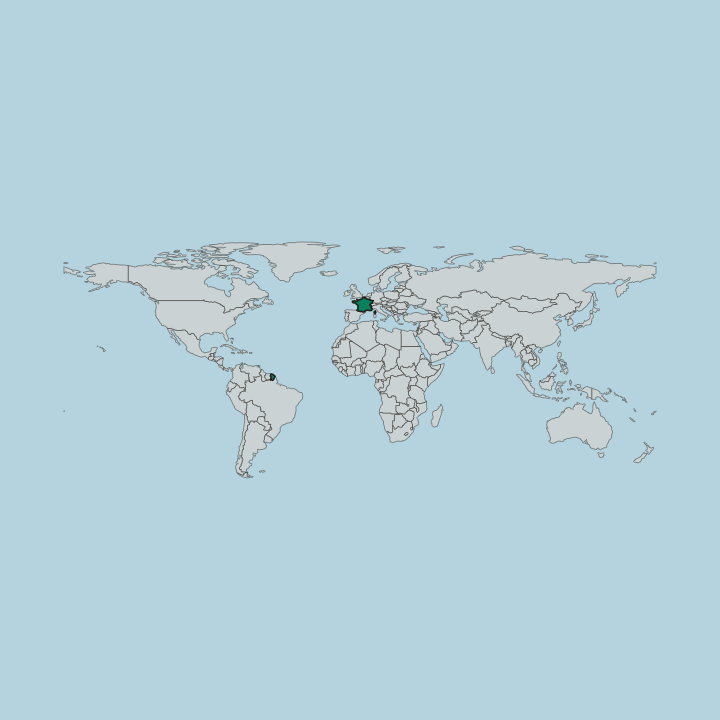
Where to stay in Antibes
One neighbourhood here has its own guide — here's what it is best for.
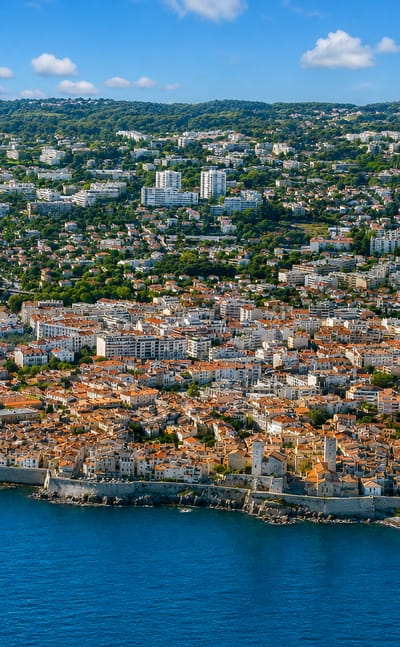
 AntibesFranceBeach stays with sand and seafront hotels along the Mediterranean bay
Juan-les-Pins
The pine-backed shore that named the quarter gives Antibes its resort half, sand underfoot rather than old stoneJuan-les-Pins →Hotel links are affiliate links: booking through them may earn us a commission, at no extra cost to you. It never affects how places are ranked. How this works
Find hotels in Antibes
Direct booking searches for these neighbourhoods.
Old town (Vieil Antibes)
Lanes behind the sea walls climb to Antibes Cathedral and the Château Grimaldi, with Port Vauban just outside the gateFind hotels in Old town (Vieil Antibes)Quiet, green stays among villas near the Garoupe coastal pathCap d'Antibes
The wooded peninsula holds the walk round to Notre Dame de la Garoupe, calmer than either the ramparts or the beach stripFind hotels in Cap d'AntibesHotel links are affiliate links: booking through them may earn us a commission, at no extra cost to you. It never affects how places are ranked. How this works
Things to do in Antibes
Ranked by global recognition; descriptions from Wikidata (CC0).
Museums & Galleries
3- Picasso Museum
- Foundation Hartung Bergman
- Musée Peynet
Churches & Religious Sites
3- Antibes Cathedral Heritage
- Notre Dame de la Garoupe Heritage
- Eglise Notre-Dame-de-la-Pinède, Juan-les-Pins
Castles & Historic Sites
1- Château Grimaldi (Antibes) Heritage
Stadiums & Sports
3- Port Vauban
- Stade du Fort Carré
- Port de l'Olivette
Parks & Gardens
1- Antibes Land
Landmarks & Notable Places
1- Tour Grimaldi Heritage
worth knowingacross 6 categories in Antibes
About Antibes
What is Antibes known for?
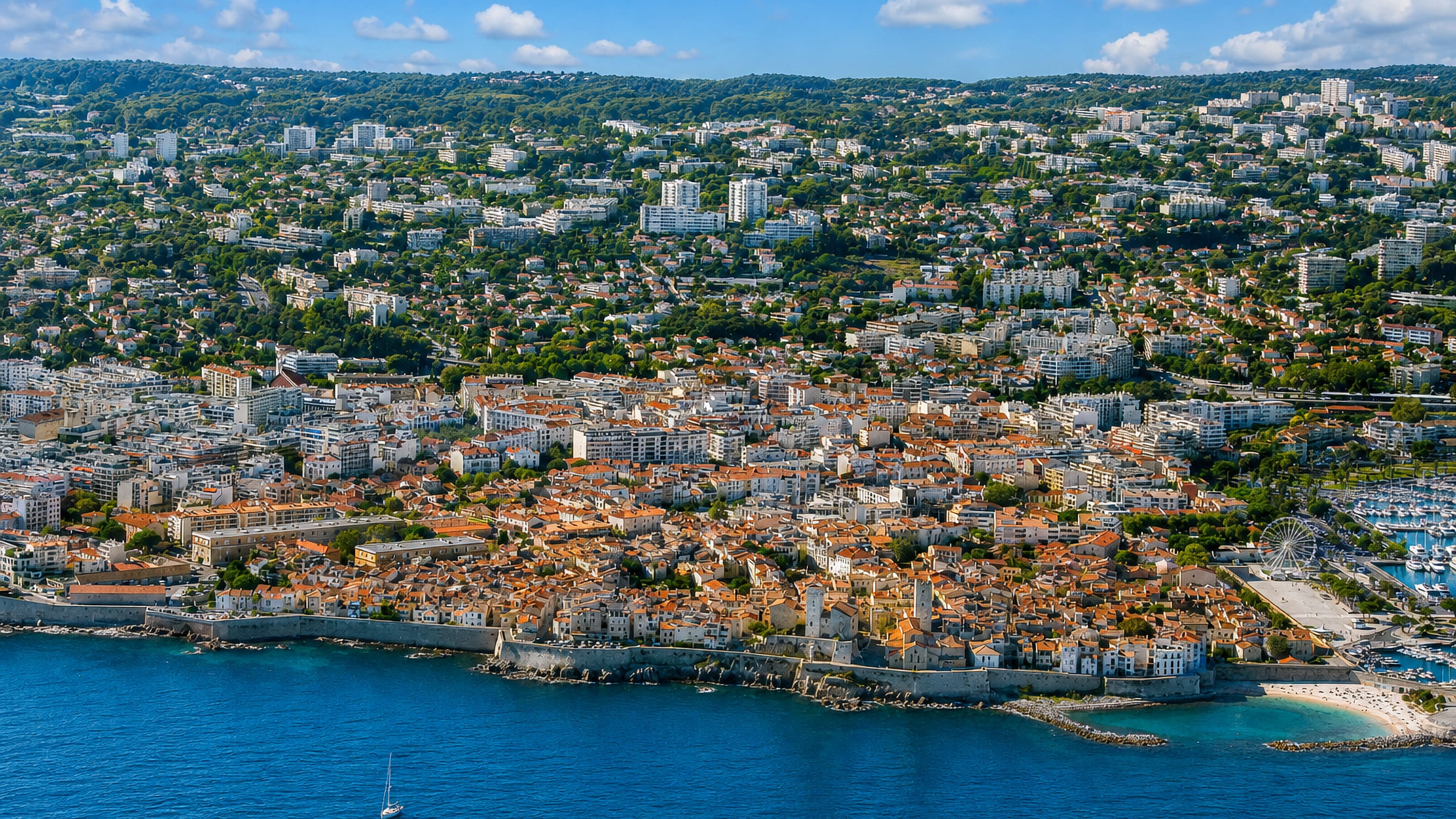
Antibes is known above all for Port Vauban, the largest yachting harbour in Europe. Yachts crowd the water below the ramparts. The Picasso Museum occupies the Château Grimaldi on the old town headland, while the star-shaped Fort Carré guards the harbour approach from its rocky knoll.
Juan-les-Pins, the resort quarter facing the Mediterranean, gives the commune its second, seaside character. Marineland draws families inland from the coast road.
What are the main landmarks in Antibes?
Antibes concentrates its landmarks on the old town headland and the harbour. The Château Grimaldi, once a bishop's palace, holds the Picasso Museum above the ramparts. Nearby stands Antibes Cathedral.
Fort Carré, a four-pointed star fort, watches Port Vauban from a low rocky rise across the water, and out on Cap d'Antibes the chapel of Notre Dame de la Garoupe crowns the wooded height. The Musée Peynet and the town's museum of archaeology fill out the old quarter.
What is the history of Antibes?
Antibes grew up as a fortified port on the coast between Cannes and Nice. Its shape is defensive. The sea walls and the star-shaped Fort Carré that still guard Port Vauban mark centuries when this stretch of the Alpes-Maritimes coast faced raids and rival powers from the water.
On the headland, the Château Grimaldi served as the seat of the Grimaldi family and later as a bishop's residence, its stone rooms outlasting each change of use. The old town behind the ramparts kept its narrow medieval plan while the harbour below it worked the trade of the Mediterranean shore. In the twentieth century the resort era reshaped the commune.
Juan-les-Pins rose on the bay to the west as a beach resort, and the Château Grimaldi took a new life as the Picasso Museum after the painter worked in its rooms. Antibes carries both layers at once. Its walled town and fort read as one age, the seafront villas and the yacht basin of Port Vauban as another, and the two sit within a short walk of each other on the same Riviera coast.
Where is Antibes?
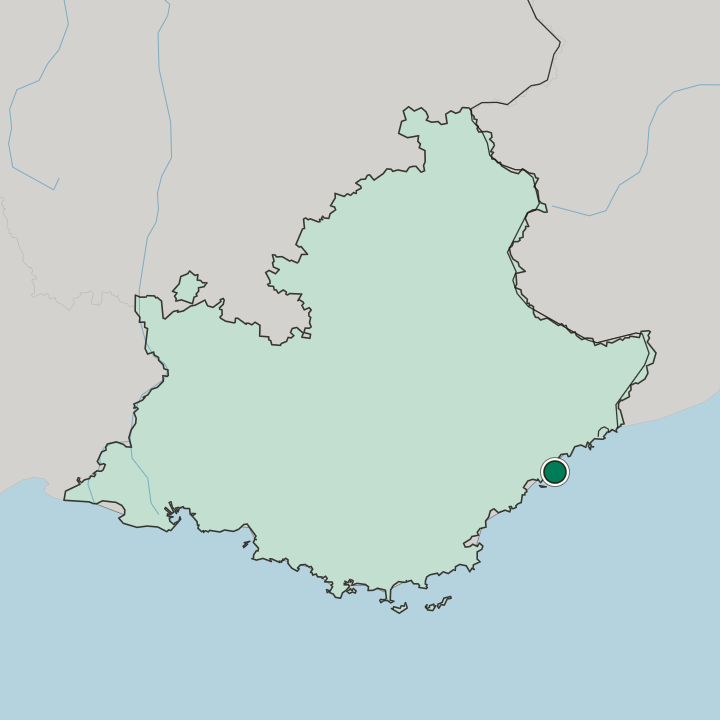
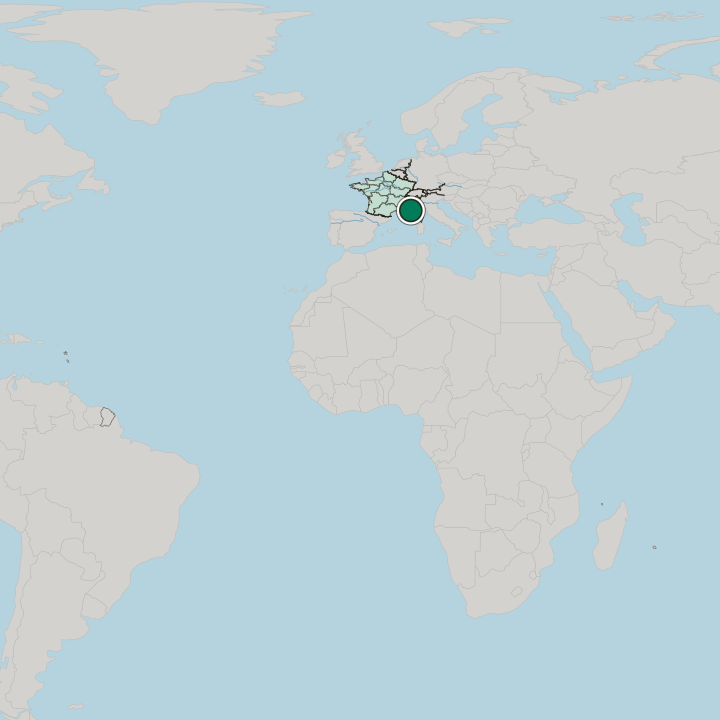
Antibes sits on the Mediterranean coast of Alpes-Maritimes, on the French Riviera between Cannes to the west and Nice to the east. The commune wraps around a headland and the wooded peninsula of Cap d'Antibes, which separates the harbour side from the bay at Juan-les-Pins. Port Vauban fills the sheltered water on the town side.
Pine and villa gardens cover the cape between the two shores.
What is the climate of Antibes?
The Mediterranean sets the weather at Antibes. It runs hot and dry through summer along the Cap d'Antibes shore, drawing the beach crowds to Juan-les-Pins, while the sky stays clear for weeks. Winters turn mild and comparatively wet, the sea moderating the cold that settles on the higher ground inland from the coast.
Rain keeps to the cooler months.
How do you get to Antibes?
Antibes lies on the coastal rail line of the French Riviera, with through trains linking it to Cannes to the west and Nice to the east. The station sits a short walk from Port Vauban and the old town. The nearest airport is at Nice, along the coast, and the seafront road ties Antibes to Juan-les-Pins and the resorts on either side.
Yachts arrive by sea into the harbour itself.
Common questions
What is the best area to stay in Antibes?
Old town (Vieil Antibes): Walkers who want ramparts, the Picasso Museum and the covered market on the doorstep. Juan-les-Pins: Beach stays with sand and seafront hotels along the Mediterranean bay. Cap d'Antibes: Quiet, green stays among villas near the Garoupe coastal path.
Good for
More cities in Provence-Alpes-Côte d'Azur
Updated September 2026