France
Provence-Alpes-Côte d'Azur, France — Towns & Travel Guide
Provence-Alpes-Côte d'Azur runs from the Mediterranean Sea to the French Alps, the sunny south of France known for the French Riviera and Marseille.
Hotel links are affiliate links: booking through them may earn us a commission, at no extra cost to you. It never affects how places are ranked. How this works


Towns & cities in Provence-Alpes-Côte d'Azur
Pick a town or city — each links to where to stay.
 France
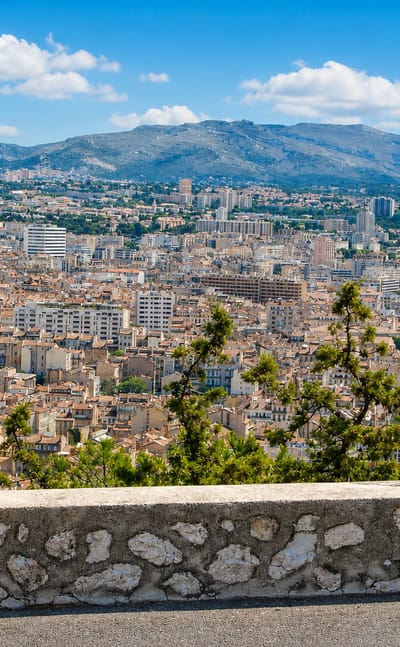
Marseille
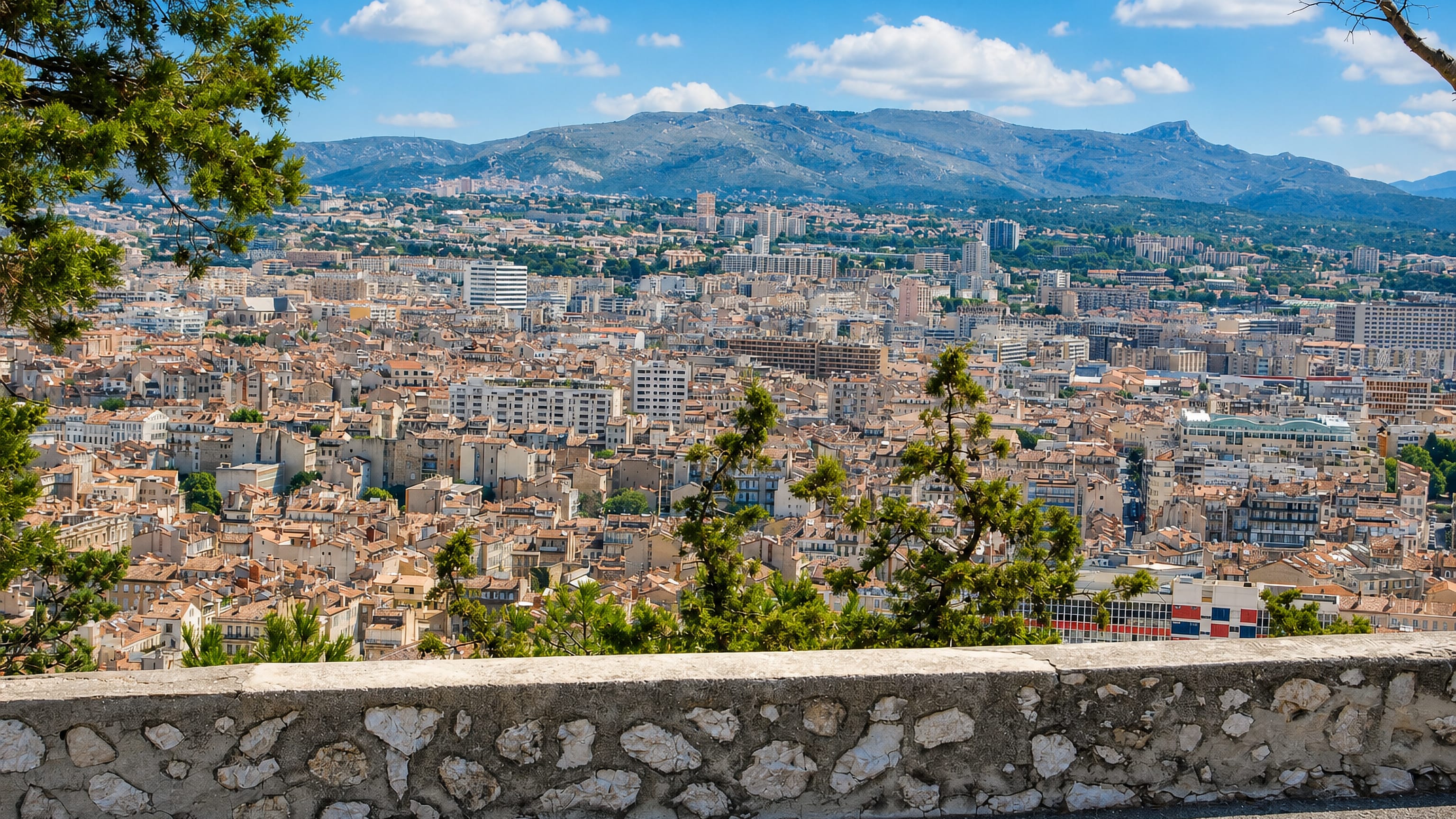
Marseille climbs from its old port on the Mediterranean Sea, France's second-largest city, watched over by the hilltop basilica of Notre-Dame de la Garde.Where to stay →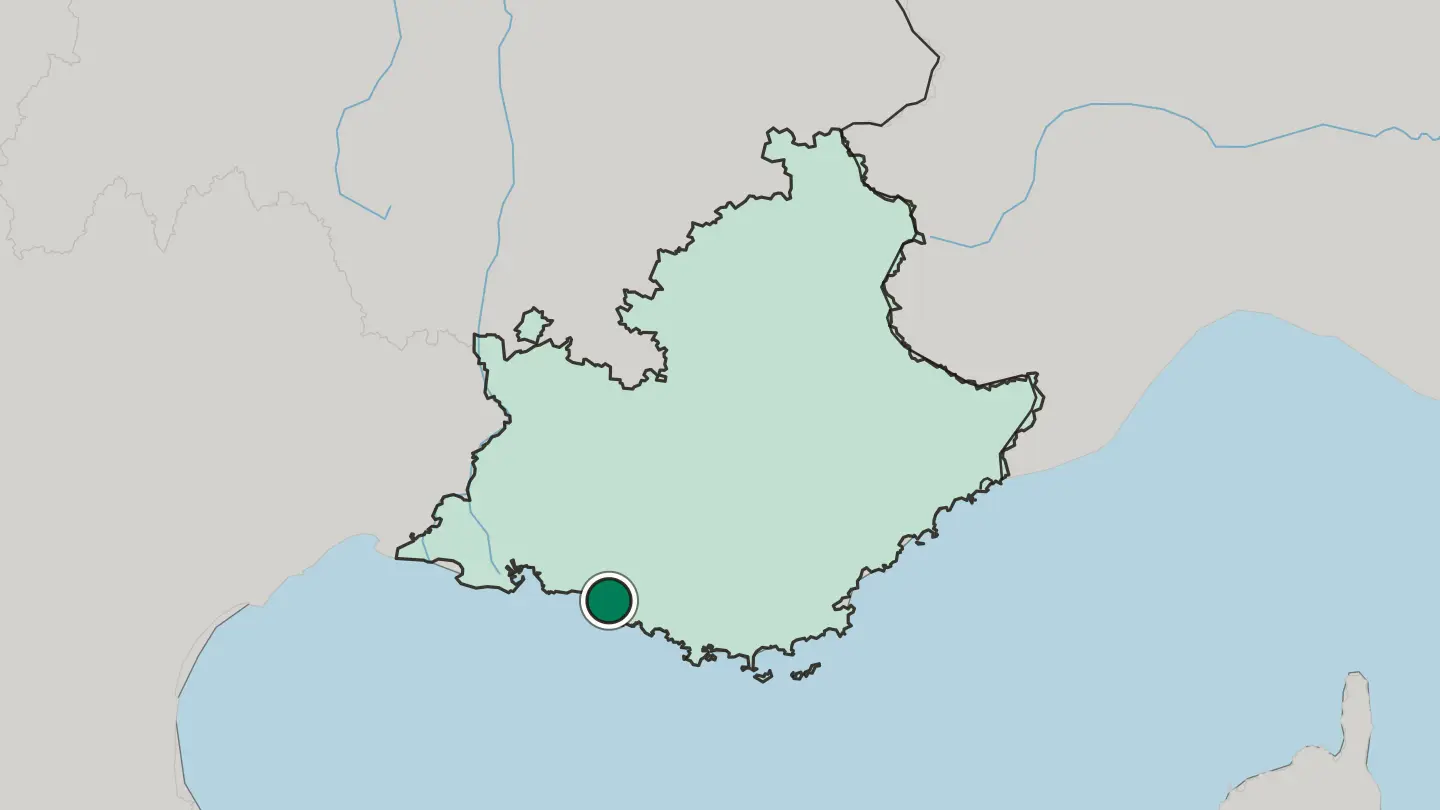
 France
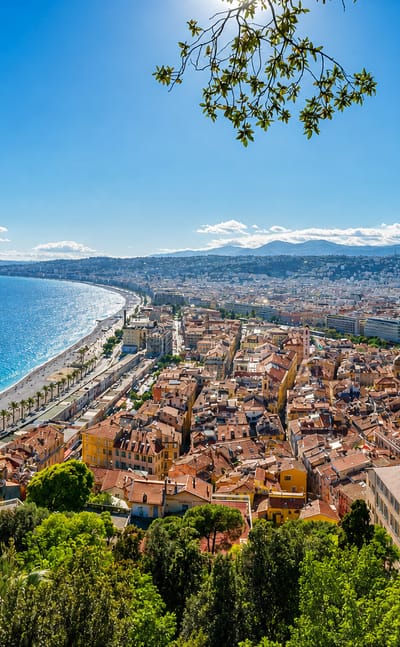
Nice
Nice stretches along the Mediterranean shore on the French Riviera, at the foot of the French Alps, known for the seafront Promenade des Anglais.Where to stay →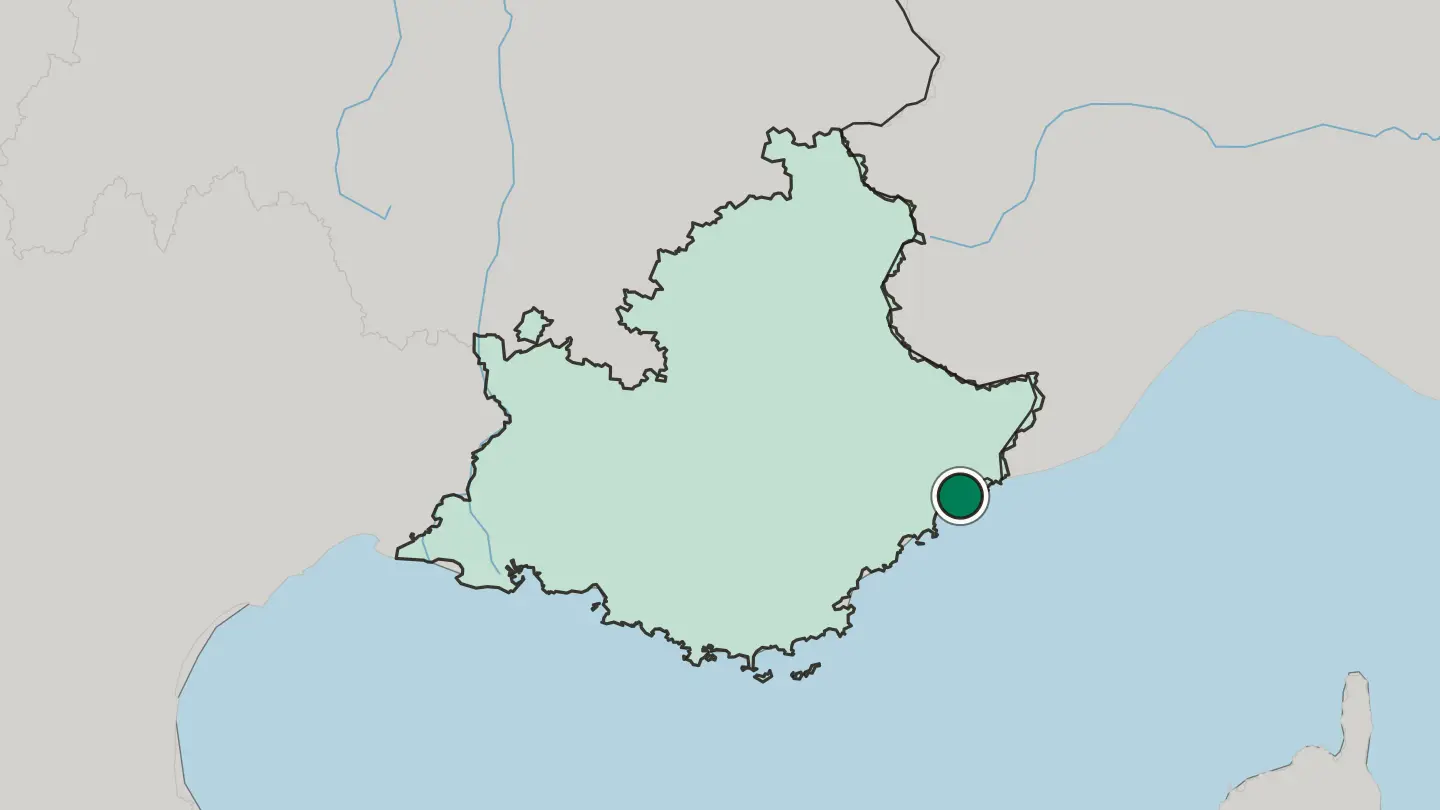
 France
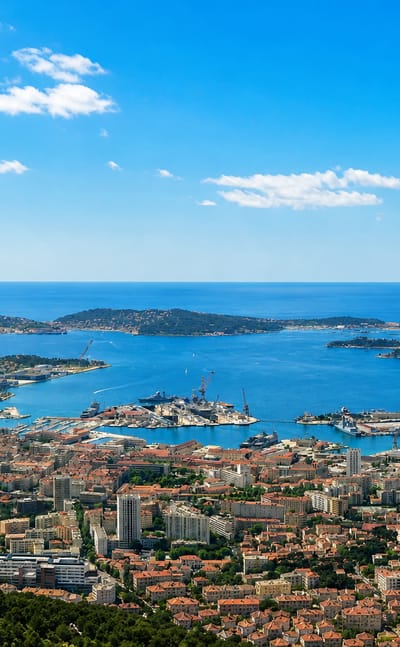
Toulon
Toulon is a naval port on the French Riviera in the Var, on the Gulf of Lion between Marseille and Nice, known for its harbour and Mont Faron above it.Where to stay →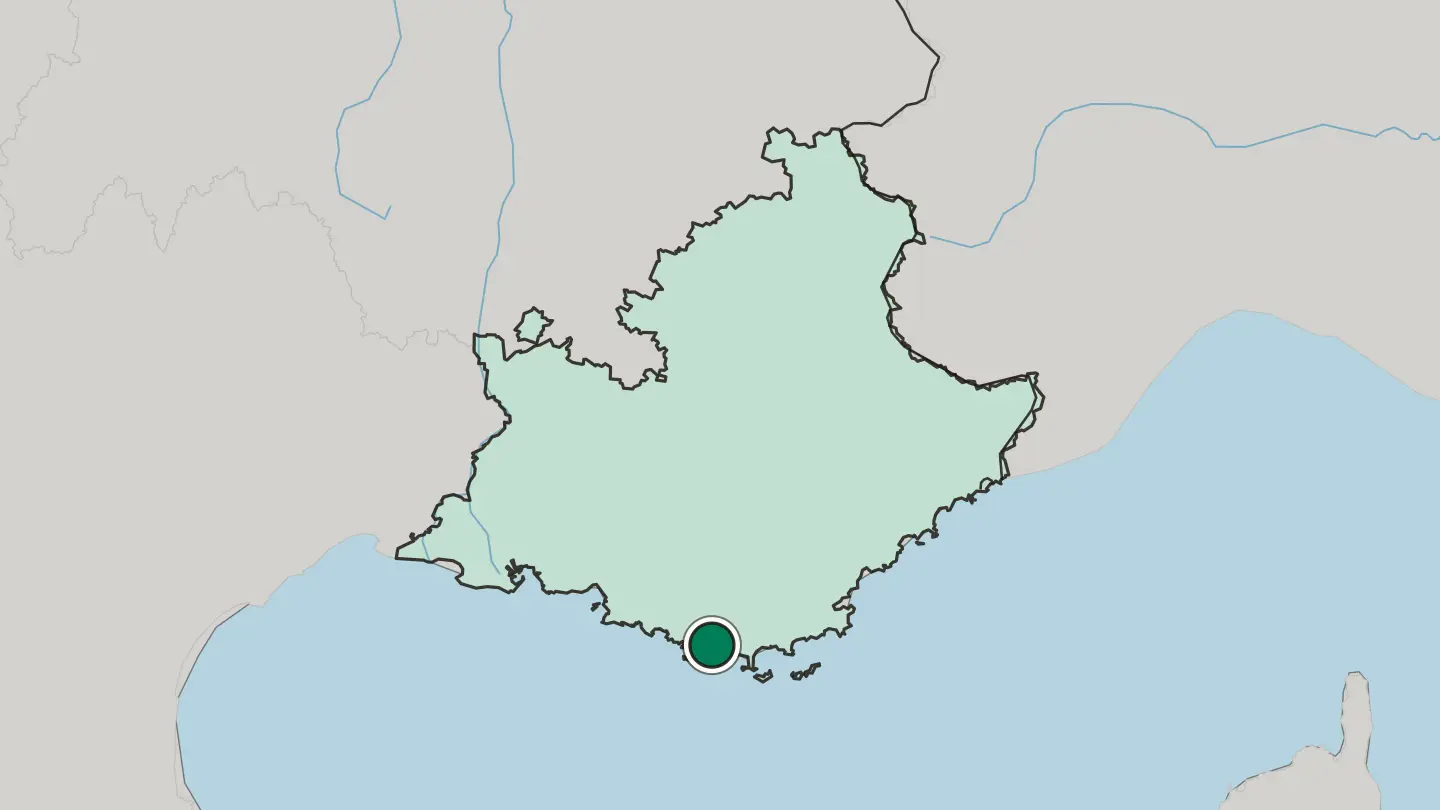
 France
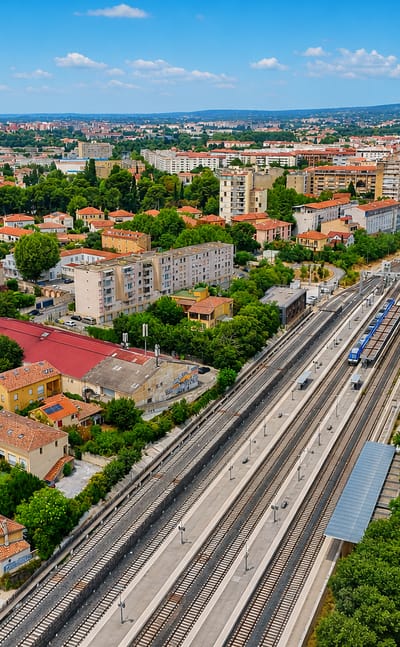
Aix-en-Provence
Plane trees shade the cours Mirabeau in Aix-en-Provence, a former capital of Provence and the home town of the painter Paul Cézanne.Where to stay →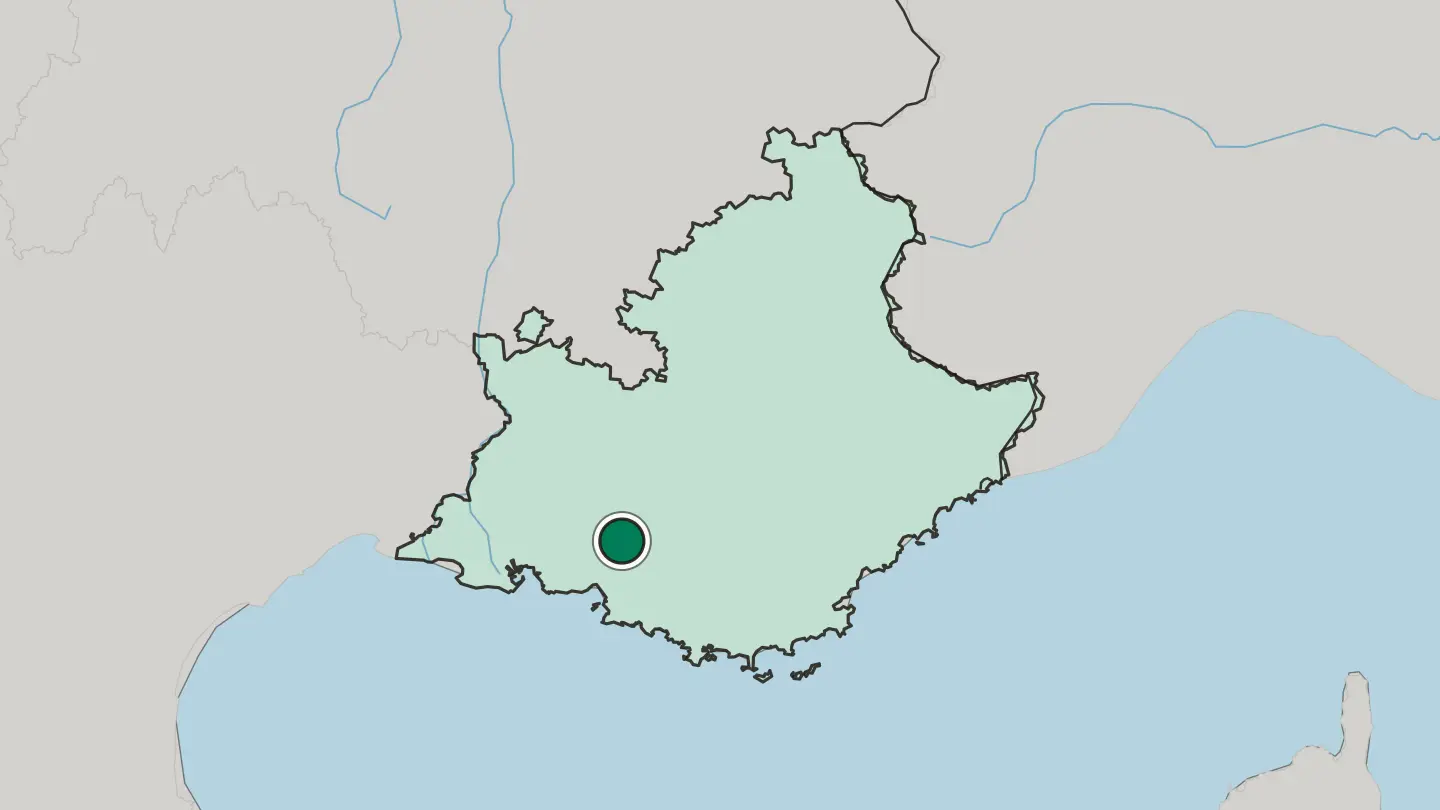
 France
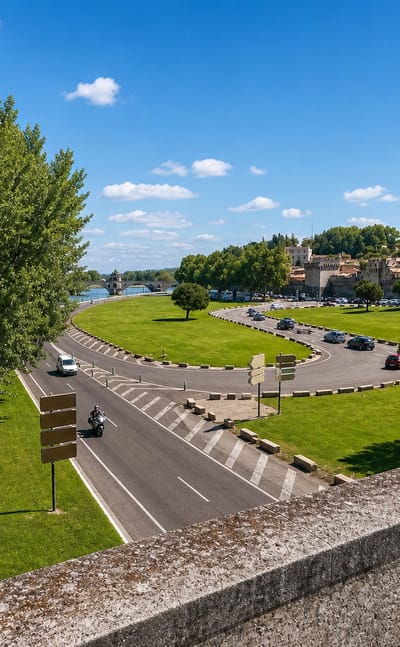
Avignon
Stone ramparts ring Avignon, a walled city in Provence-Alpes-Côte d'Azur known for the Palais des Papes and its riverside old town.Where to stay →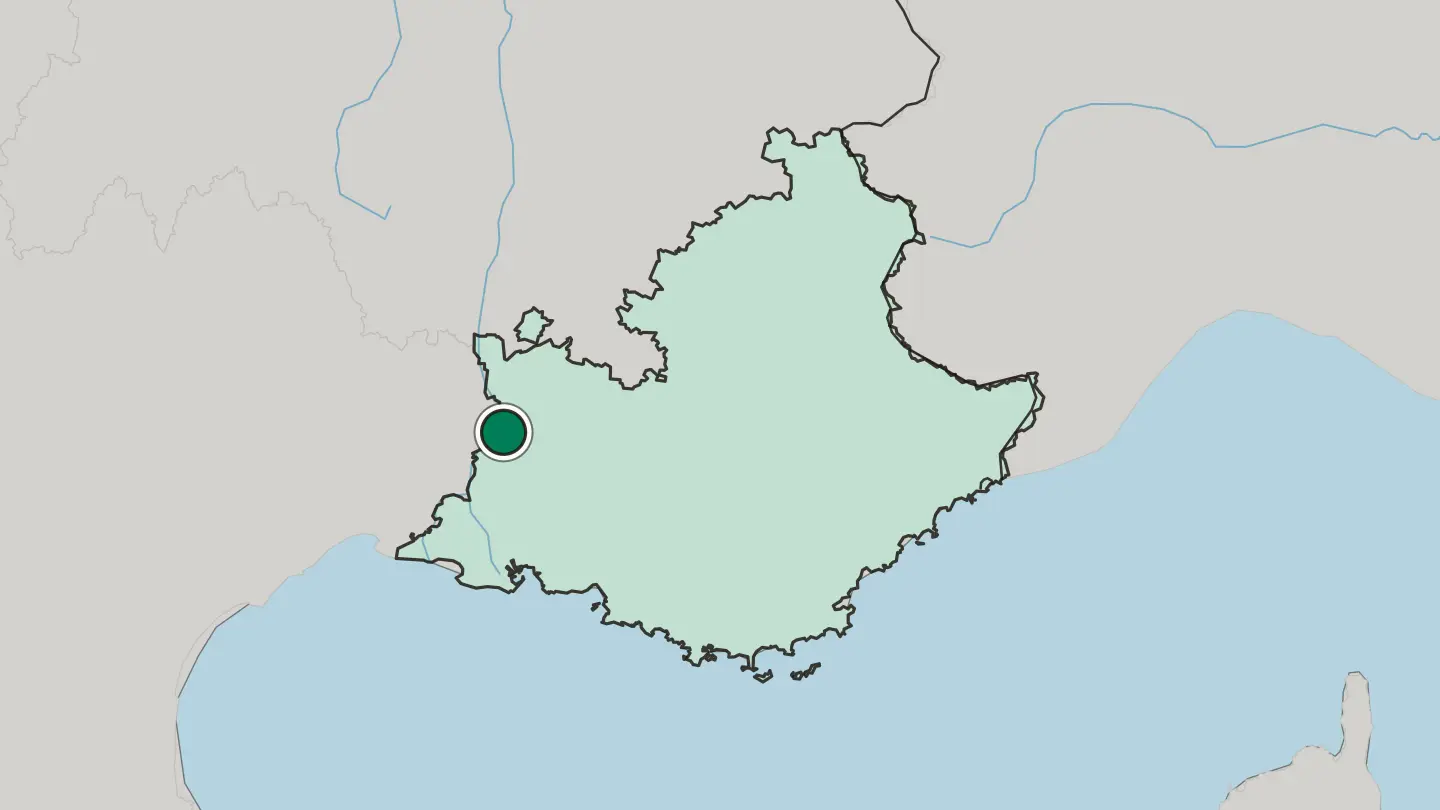
 France
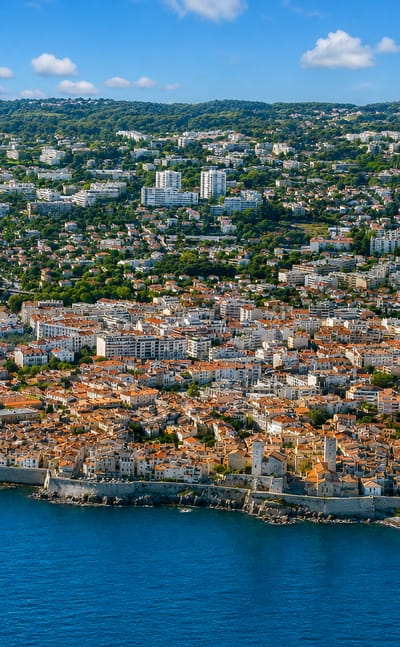
Antibes
Antibes is a seaside resort city on the French Riviera in Alpes-Maritimes, set between Cannes and Nice, known for Port Vauban and its Picasso Museum.Where to stay →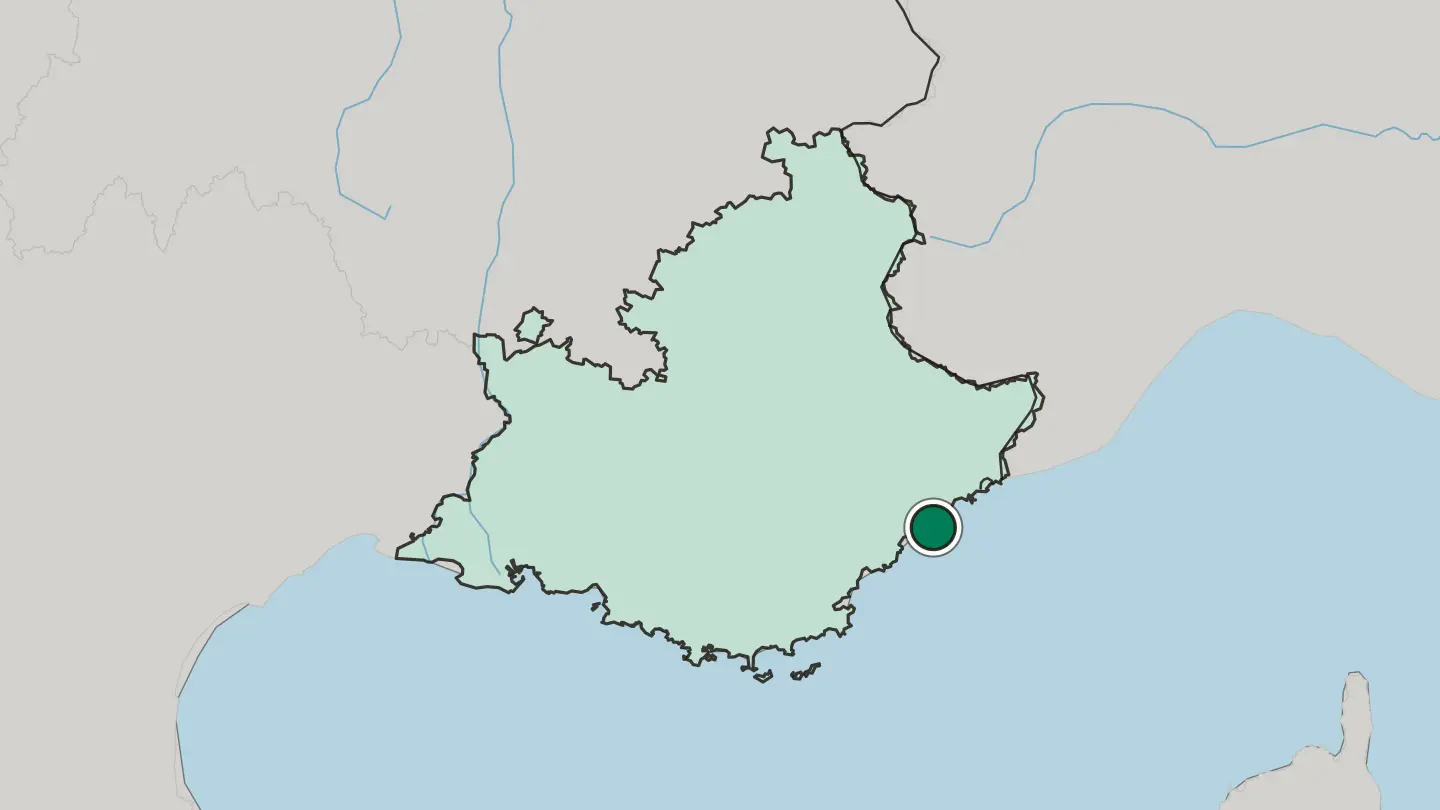
 France
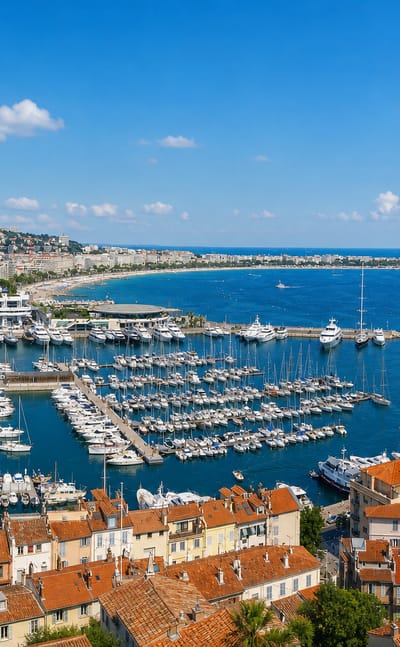
Cannes
The sea shines below Le Suquet at Cannes, a resort city on the French Riviera in the Alpes-Maritimes, home of the Cannes Film Festival.Where to stay →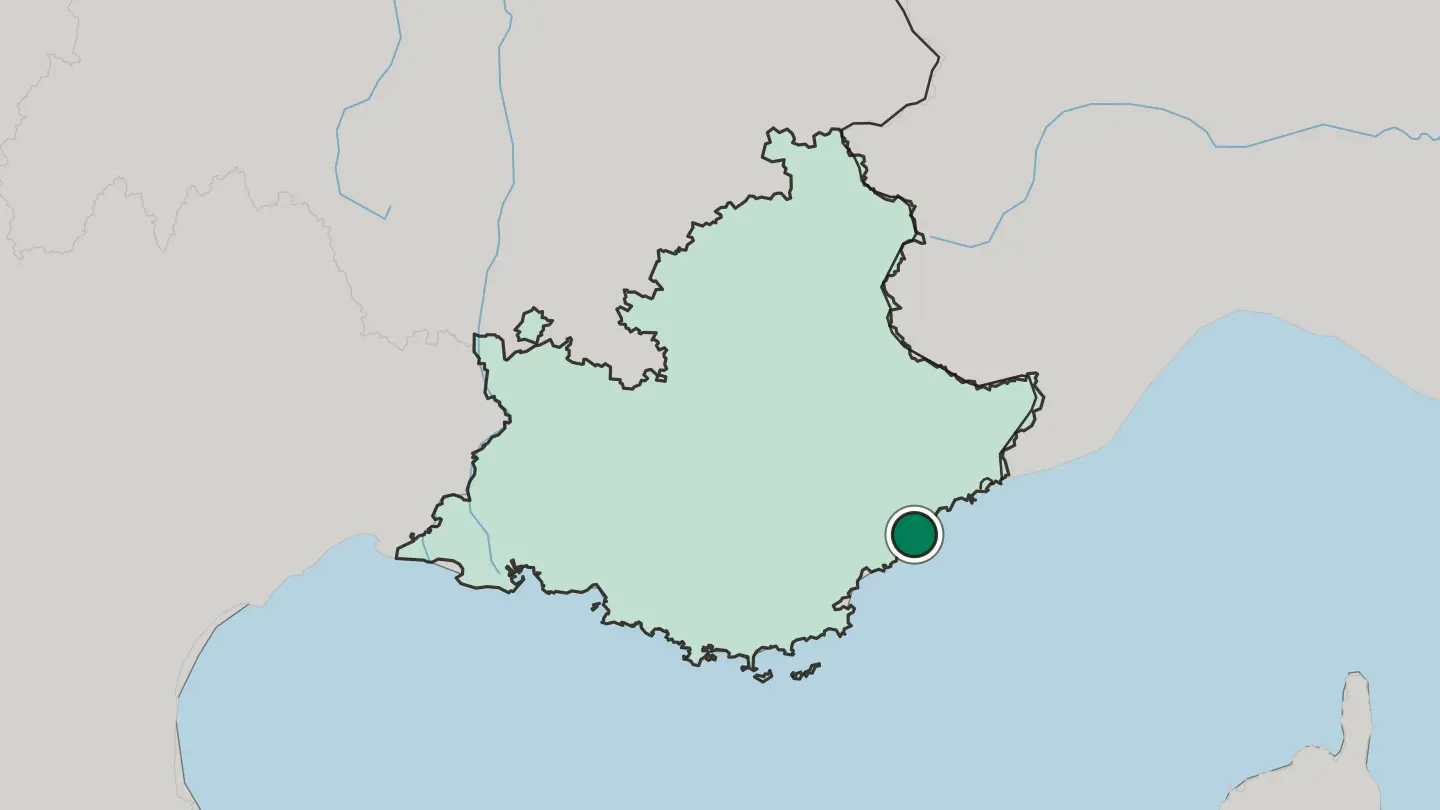
 France
La Seyne-sur-Mer
La Seyne-sur-Mer, commonly La Seyne, is a commune of the Var in Provence-Alpes-Côte d'Azur, on the water immediately west of Toulon.Where to stay →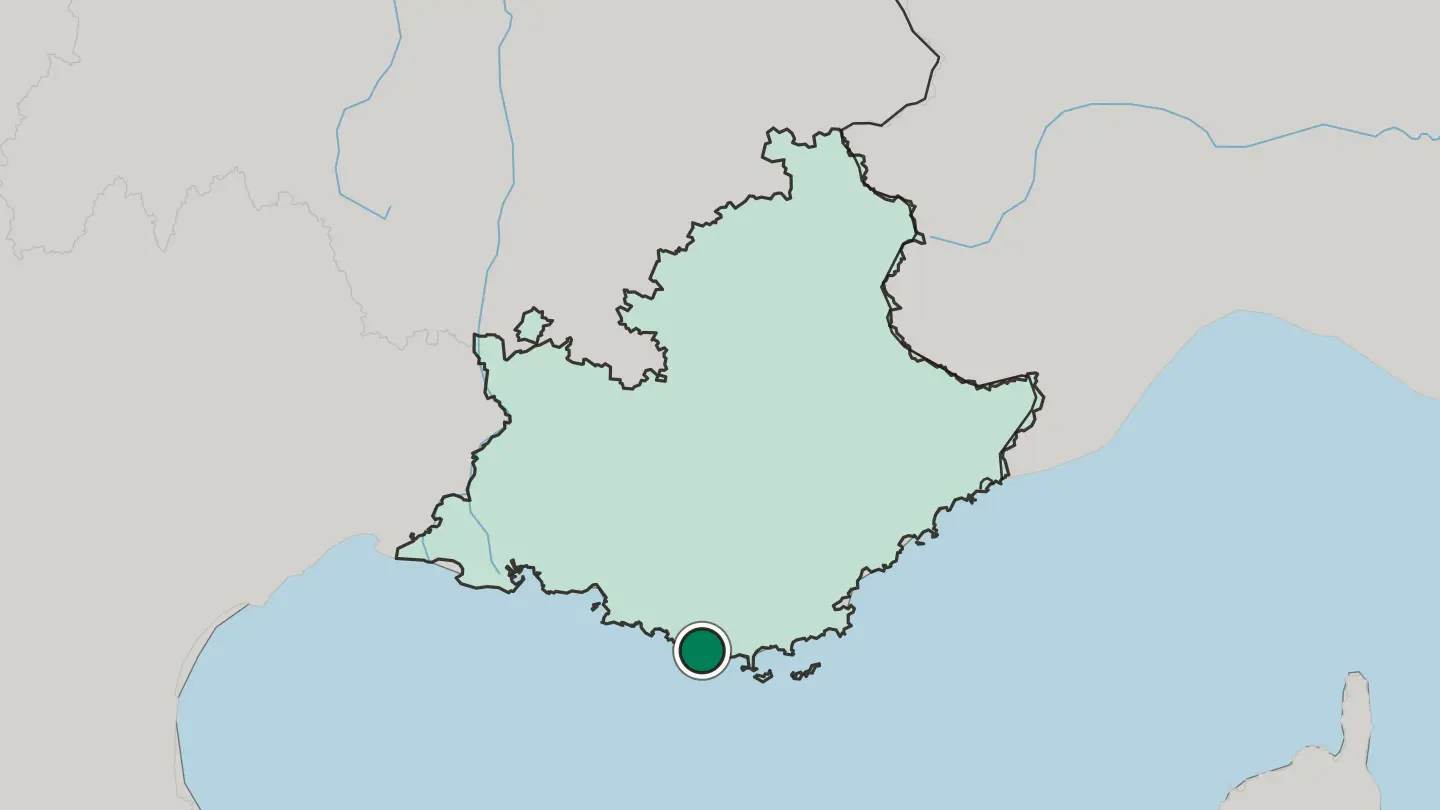
All towns & cities (11)
 France
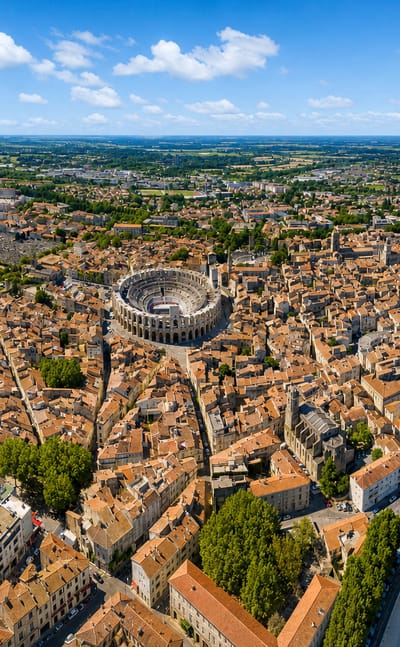
Arles
Arles is a city in Provence, in the Bouches-du-Rhône department, known for its Roman monuments and the Church of St. Trophime, together listed by UNESCO.Where to stay →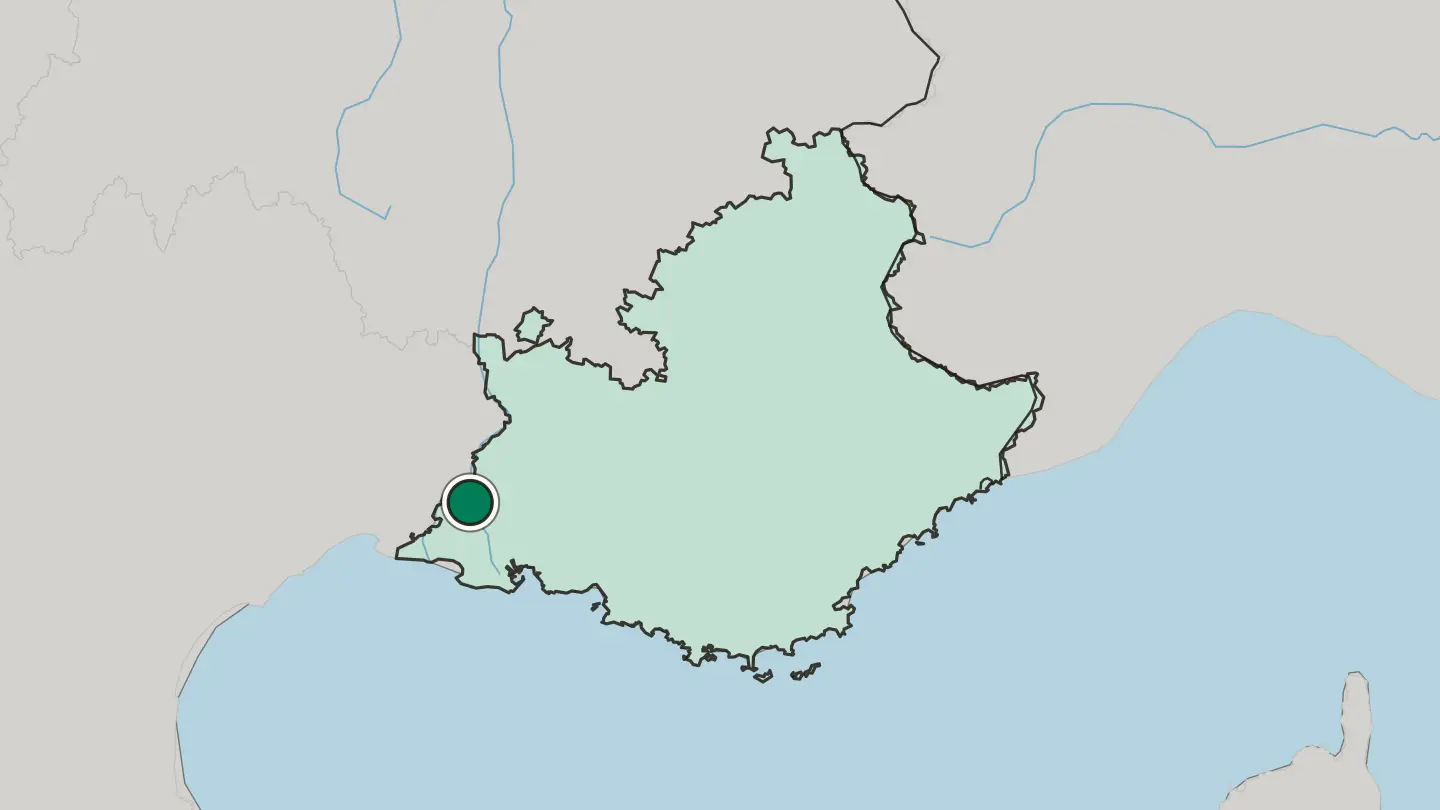 France
Fréjus
Fréjus is a historic town on the Côte d'Azur in southern France, once the great Roman naval port of Forum Julii.Where to stay →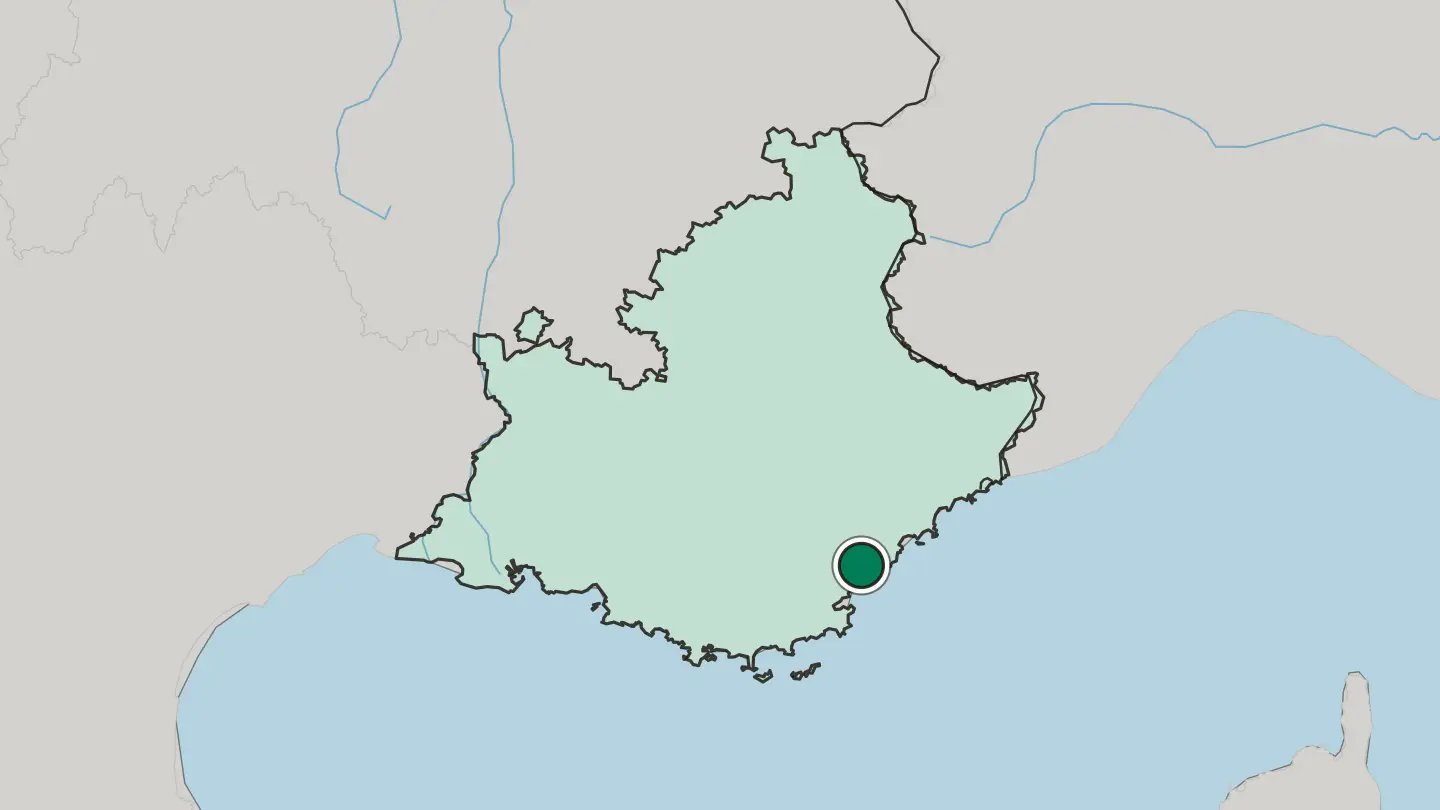
 France
Hyères
Hyères is the oldest resort of the French Riviera, a palm-shaded town on the Var coast below a medieval hill town.Where to stay →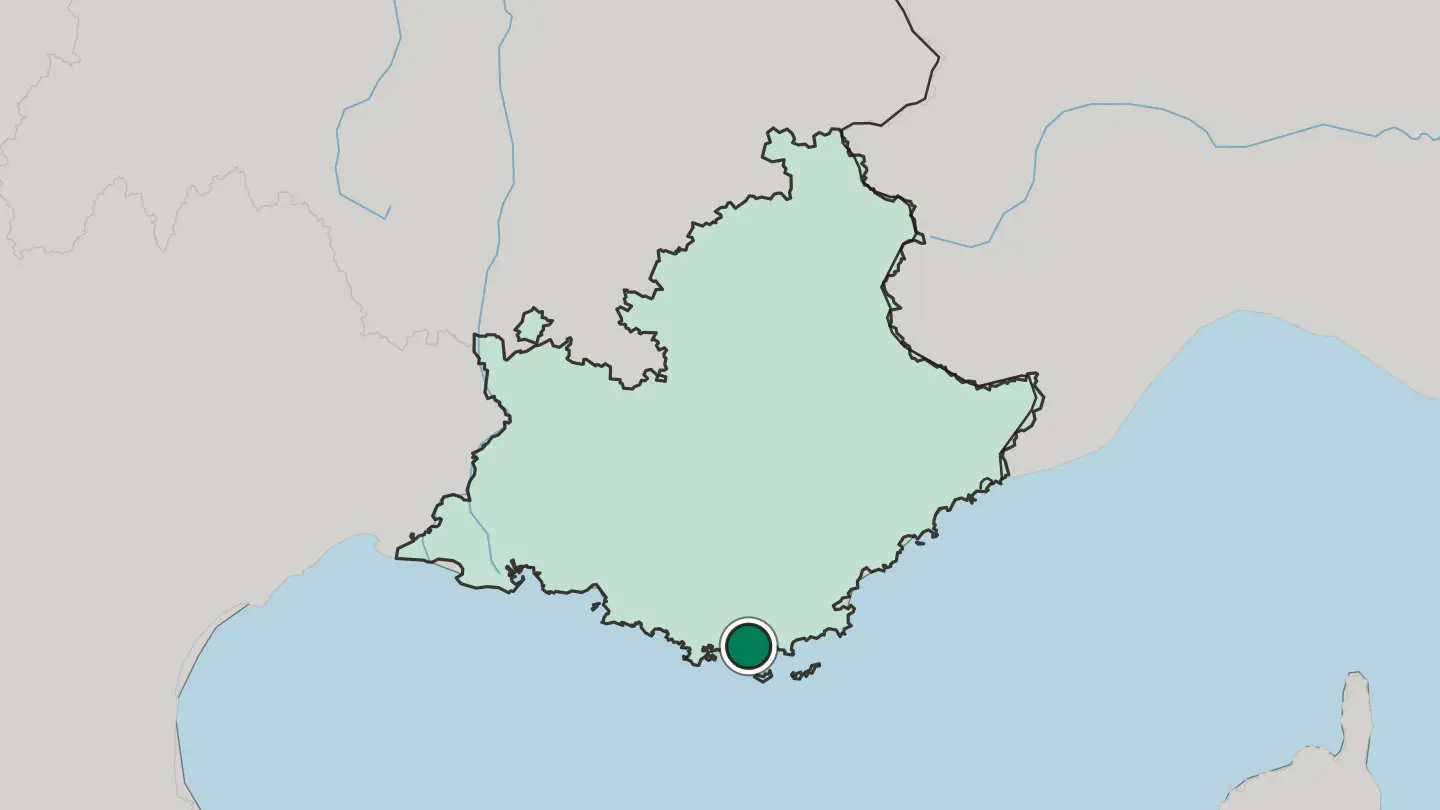
Hotel links are affiliate links: booking through them may earn us a commission, at no extra cost to you. It never affects how places are ranked. How this works
About Provence-Alpes-Côte d'Azur
What is Provence-Alpes-Côte d'Azur known for?
Provence-Alpes-Côte d'Azur is known for sun, sea, and the glamour of the French Riviera along its coast. Marseille anchors the region as its largest city and main prefecture. The Provençal countryside is famous for wine-making and perfumery, for flowers and fruit, and for a local language, Provençal, still tied to the land.
Inland it climbs fast. Between the Mediterranean Sea and the French Alps, few corners of France pack in so much at once.
Where is Provence-Alpes-Côte d'Azur?
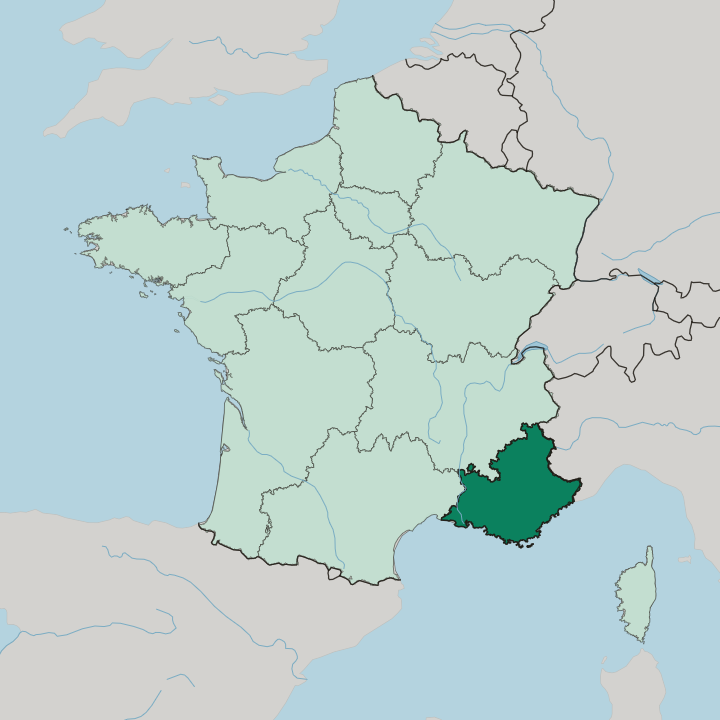
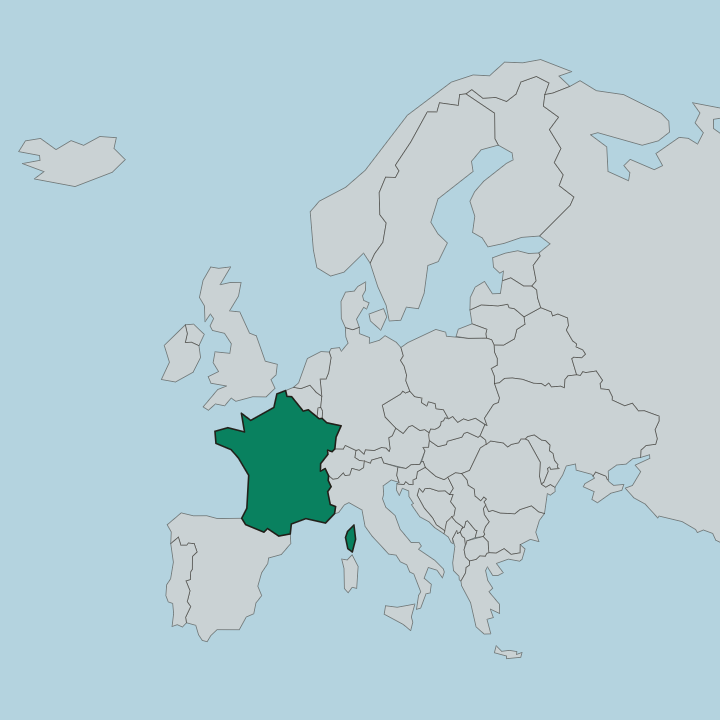
Provence-Alpes-Côte d'Azur occupies the far southeastern corner of mainland France. It is one of the eighteen administrative regions of the country, bounded by the Mediterranean Sea to the south and the French Alps to the north. Along the coast it runs west to east, from the river Rhône to the Italian border.
Marseille, the largest city and main prefecture, sits on the shore roughly at the region's centre. Aix-en-Provence lies a short way inland. Sea, plain, and high mountain all fall inside one region.
The land changes sharply as it climbs. Near the coast the country is warm and low, the Provençal ground of vineyards, orchards, and flower fields that supply the region's wine-making and perfumery. Behind it the terrain rises through hills and gorges toward the French Alps, whose peaks hold snow well into the warmer months.
This is where the coast of the French Riviera and the summits of the Alps sit within a single day's drive of each other. The river Rhône marks the western edge, and Italy lies just beyond the eastern one. Between those borders, Provence gathers sea, farmland, and mountain in one stretch of the south of France.
What is Provence-Alpes-Côte d'Azur like?
Provence-Alpes-Côte d'Azur lives by sun, sea, and the table. The region grew from Roman roots, and its very identity as a place is a legacy of the Roman Empire that once held this coast. Provençal, the old local language of the region, still colours place names, cooking, and daily speech across the Provençal countryside.
Markets overflow with what the warm southern land gives. Flowers, fruits, and vegetables grow in abundance, while the sea yields fish and shellfish along the whole shore. Two industries mark the region above all.
Wine-making runs through the Provençal hills, and perfumery has long drawn on the region's flower fields for generations. Along the water, the French Riviera keeps a different rhythm, one of promenades, harbours, and long bright summers by the sea. Marseille, the largest city, mixes Mediterranean trade with the culture of a great port, while smaller Aix-en-Provence, just inland, holds to a quieter, older Provence.
Food, language, and landscape bind the whole region together. From the coast to the French Alps, this is a corner of the south of France that lives largely outdoors.
What is the history of Provence-Alpes-Côte d'Azur?
Provence-Alpes-Côte d'Azur carries a name older than its borders. Its identity as a single region is a legacy of the Roman Empire, which held this stretch of coast and left the old land of Provence behind it. The modern administrative region was drawn up in 1970, one of the eighteen regions of France.
Marseille has long been its leading city and port. Provençal, the local language, kept the memory of that older Provence alive through the centuries.
What is the climate of Provence-Alpes-Côte d'Azur?
Provence-Alpes-Côte d'Azur is famous for sun. The Mediterranean coast has a warm, dry Mediterranean climate, with hot bright summers and mild winters that draw visitors to the French Riviera. This favourable weather is what makes the local produce so varied.
Inland and uphill the pattern breaks. The French Alps in the north hold cold winters and deep snow, a different world from the beaches only hours away.
How do you get to Provence-Alpes-Côte d'Azur?
Provence-Alpes-Côte d'Azur is reached most easily through Marseille. The region's largest city and main prefecture, it draws road, rail, and flights from across France and beyond. Fast trains run down from Paris.
From the east, roads cross the Italian border straight into the region. The river Rhône corridor carries traffic in from the west, while the French Riviera strings its coastal towns along the Mediterranean, a few hours south of the capital.
Common questions
What is the best area to stay in Provence-Alpes-Côte d'Azur?
Marseille: a city base and ferries on the Mediterranean. The French Riviera: beaches and coastal glamour east of Marseille. Aix-en-Provence: the Provençal countryside just inland. The French Alps: mountains and cool air in the north.
Good for
More regions in France
Updated October 2026