France · Provence-Alpes-Côte d'Azur
Where to Stay in Avignon, Provence-Alpes-Côte d'Azur
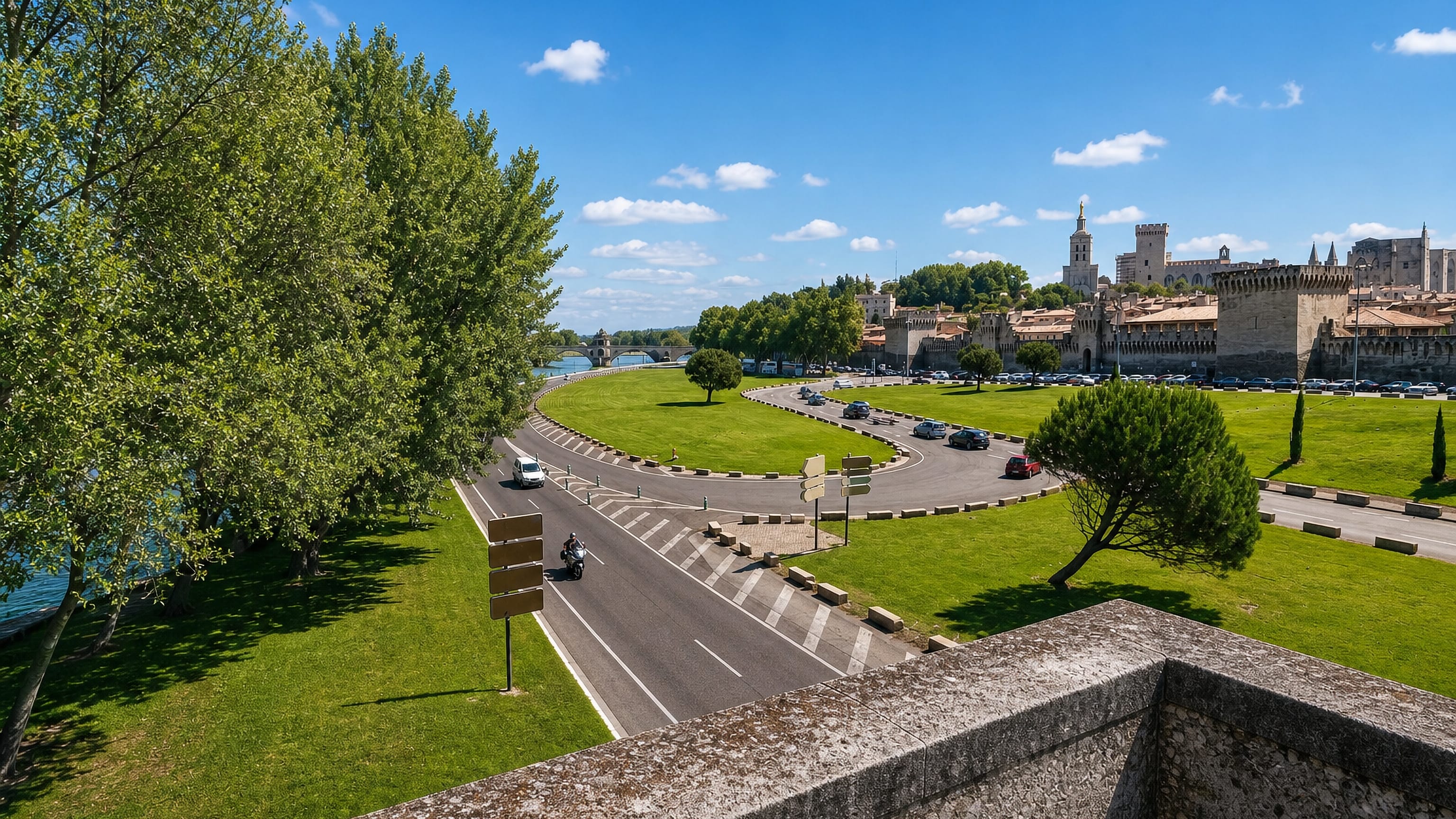
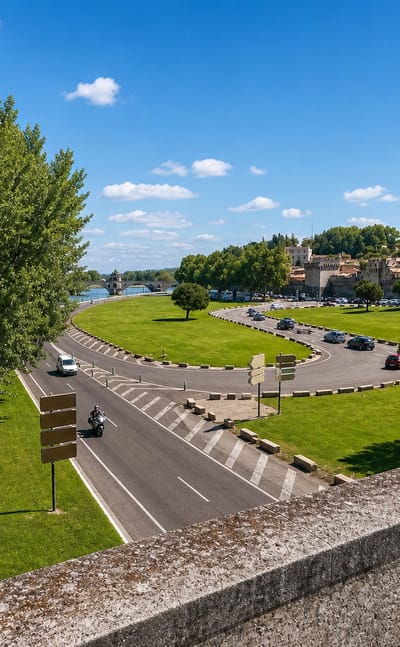
Stone ramparts ring Avignon, a walled city in Provence-Alpes-Côte d'Azur known for the Palais des Papes and its riverside old town.
Hotel links are affiliate links: booking through them may earn us a commission, at no extra cost to you. It never affects how places are ranked. How this works


Where to stay in Avignon
One neighbourhood here has its own guide — here's what it is best for.
 AvignonFrance
Montfavet
The church of Notre-Dame de Bon Repos anchors Montfavet, a district of Avignon in the Vaucluse, in the Provence-Alpes-Côte d'Azur region.Where to stay →Hotel links are affiliate links: booking through them may earn us a commission, at no extra cost to you. It never affects how places are ranked. How this works
Find hotels in Avignon
Direct booking searches for these neighbourhoods.
Walled old town
Rooms sit within the ramparts, a short walk from the Palais des Papes, the Musée du Petit Palais and the streets around the Collégiale Saint Agricol.Find hotels in Walled old townQuieter nights near shaded squaresSaint-Didier quarter
The lanes around the basilica of Saint-Didier keep the Palais des Papes minutes away while trading foot traffic for calmer courtyards.Find hotels in Saint-Didier quarterFamilies wanting calm below Fort Saint-AndréVilleneuve-lès-Avignon
Across the river, streets sit under the Fort Saint-André and the Tower of Philip the Fair, near the cloître des Carmes and the Musée Angladon.Find hotels in Villeneuve-lès-AvignonHotel links are affiliate links: booking through them may earn us a commission, at no extra cost to you. It never affects how places are ranked. How this works
Things to do in Avignon
Ranked by global recognition; descriptions from Wikidata (CC0).
Museums & Galleries
3- Palais du Roure Heritage
- Pierre de Luxembourg museum Heritage
- Musée du Petit Palais
Churches & Religious Sites
8- Église Saint Pierre (Avignon) Heritage
- Saint-Didier Heritage
- Church of the Célestins of Avignon Heritage
- Collégiale Saint Agricol Heritage
- Collégiale Notre-Dame (Villeneuve-lès-Avignon) Heritage
Show 3 more →
- Notre-Dame de Bon Repos Heritage
- Église Saint-Symphorien d'Avignon Heritage
- cloître des Carmes Heritage
Castles & Historic Sites
4- Palais des Papes Heritage
- Fort Saint-André (Villeneuve-lès-Avignon) Heritage
- Tower of Philip the Fair Heritage
- Roman arcades of Avignon Heritage
Stadiums & Sports
3- Avignon Sports Ground
- La Souvine
- complexe la Martelle
Landmarks & Notable Places
3- Hôtel de Joannis de Verclos Heritage
- Maison du IV de Chiffre Heritage
- Maisons et tour de Mirault Heritage
worth knowingacross 5 categories in Avignon
About Avignon
What is Avignon known for?
Avignon is known above all for the Palais des Papes, the vast Gothic palace that housed the papacy through the fourteenth century. The walled centre draws visitors to the Musée du Petit Palais and the Calvet Museum. Its churches endure.
The Collégiale Saint Agricol and the basilica of Saint-Didier anchor the old streets, while across the water the Fort Saint-André and the Tower of Philip the Fair mark Villeneuve-lès-Avignon.
What are the main landmarks in Avignon?
The main landmarks of Avignon cluster inside the walls, led by the Palais des Papes. The Musée lapidaire d'Avignon and the Roman arcades of Avignon carry the city's ancient layers, while the Palais du Roure and the Musée Angladon hold its later collections. Churches abound.
The Church of the Célestins, the cloître des Carmes and the Chapelle de la Visitation stand among the old streets, and the Muséum Requien keeps its natural-history rooms nearby.
What is the history of Avignon?
Avignon's history turns on the century when the popes moved their court here from Rome and raised the Palais des Papes, the Gothic fortress-palace that still dominates the old town. The Roman arcades of Avignon and the Musée lapidaire d'Avignon preserve the far older layers beneath that story. Rome came first.
Long before the papacy, a Roman settlement grew on the site, and its stones were reused across the medieval city that followed. The papal century transformed the town into a walled capital of church and administration, and the ramparts thrown up in that age still enclose the centre. Cardinals endowed churches and colleges, among them the Church of the Célestins and the Collégiale Saint Agricol, whose stonework records the building boom.
Across the water at Villeneuve-lès-Avignon, the French crown answered with the Fort Saint-André and the Tower of Philip the Fair, guarding the frontier that ran through the river. That rivalry, church against crown, shaped a city whose two banks still read as one story told in stone.
Where is Avignon?
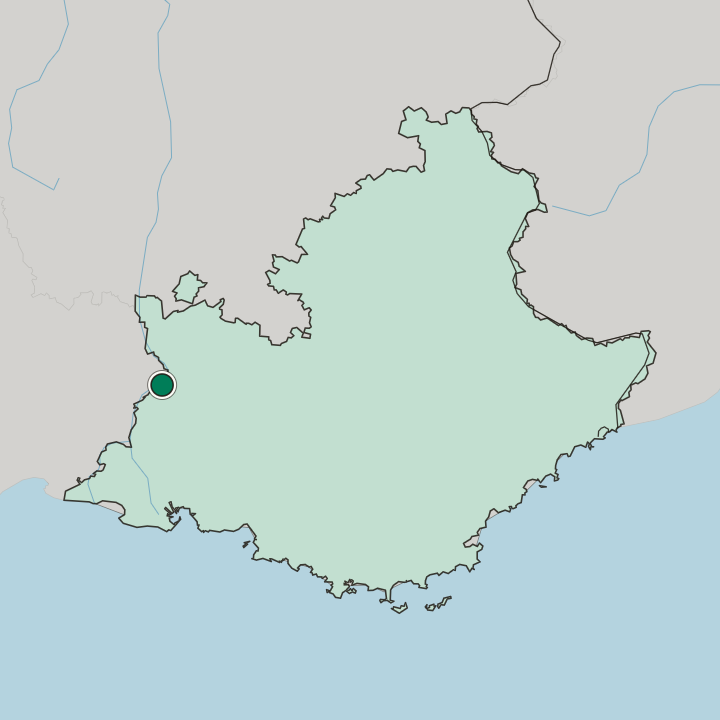
Avignon sits on a bend of the river in Provence-Alpes-Côte d'Azur, its walled centre rising on the east bank. The water divides the historic core from Villeneuve-lès-Avignon, where the Fort Saint-André crowns a low hill above the plain. Flat country surrounds it.
The ramparts trace the edge of the old town, and beyond them the land opens toward the vineyards and orchards of the surrounding Provençal countryside.
What is the climate of Avignon?
Avignon has a Mediterranean climate of hot, dry summers and mild winters, typical of inland Provence-Alpes-Côte d'Azur. The mistral wind sweeps down the river valley, clearing the sky and cooling the walled town for days at a stretch. Rain falls mostly in autumn.
Spring and early summer bring long bright days over the Palais des Papes and the surrounding plain.
How do you get to Avignon?
Avignon is reached by rail on the main line through the river corridor of Provence-Alpes-Côte d'Azur, with fast trains stopping at the city's stations. From the platforms the walled centre and the Palais des Papes lie a short ride or walk away. Roads converge here too.
The motorways of the Rhône valley pass close, and Villeneuve-lès-Avignon sits just across the water by road.
Common questions
What is the best area to stay in Avignon?
Walled old town: First-time visitors beside the Palais des Papes. Saint-Didier quarter: Quieter nights near shaded squares. Villeneuve-lès-Avignon: Families wanting calm below Fort Saint-André.
Good for
More cities in Provence-Alpes-Côte d'Azur
Updated October 2026