France · Provence-Alpes-Côte d'Azur
Where to Stay in Nice, Provence-Alpes-Côte d'Azur
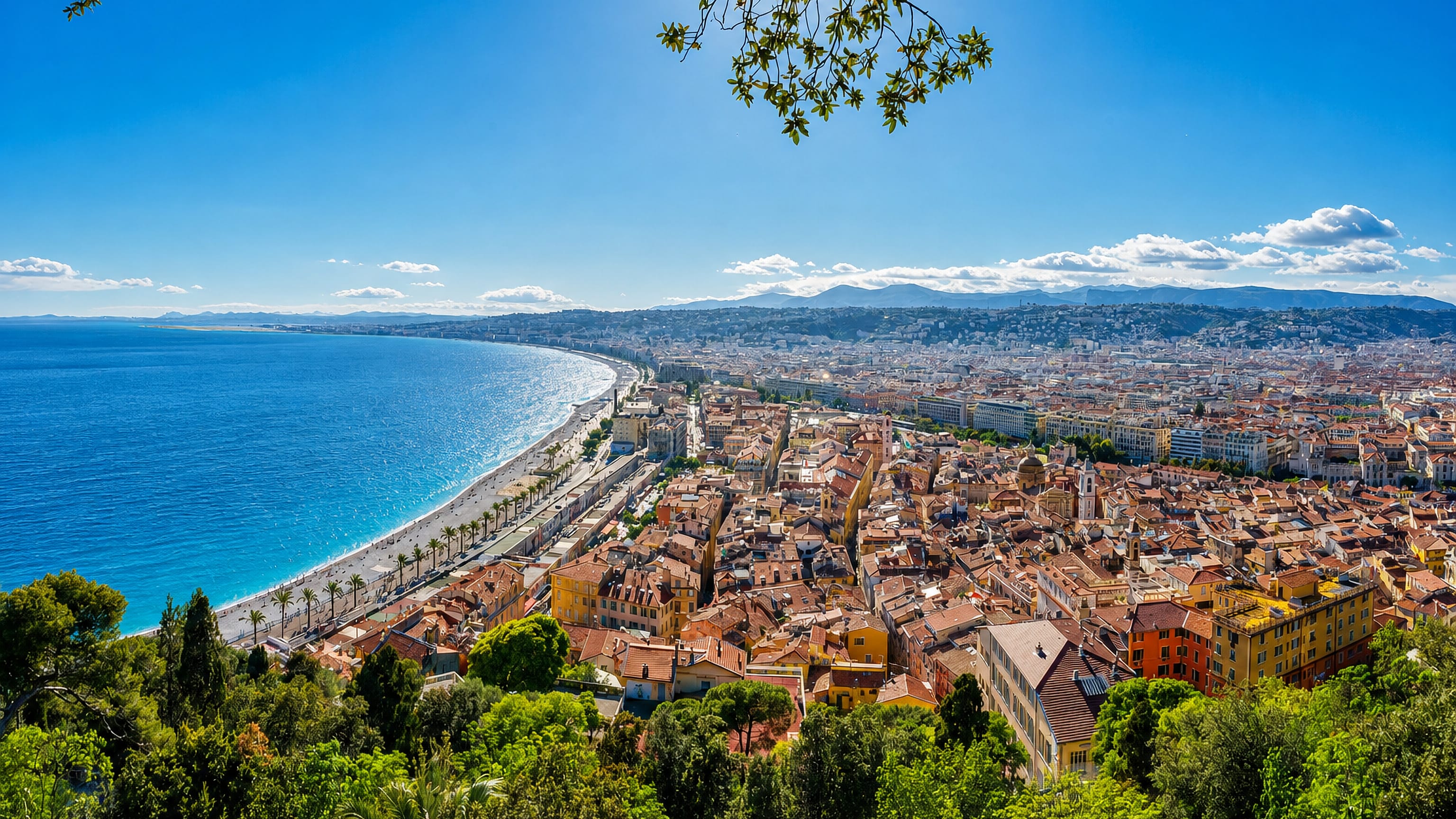
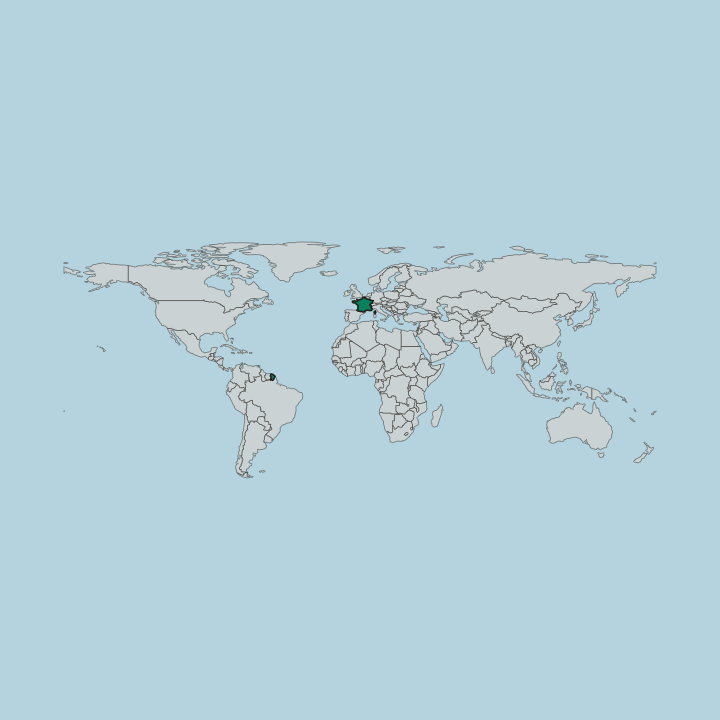
Nice stretches along the Mediterranean shore on the French Riviera, at the foot of the French Alps, known for the seafront Promenade des Anglais.
Hotel links are affiliate links: booking through them may earn us a commission, at no extra cost to you. It never affects how places are ranked. How this works


Where to stay in Nice
Where you base yourself shapes the visit — here's the character of each area.

 NiceFrancequiet gardens and Roman ruins above the city
Cimiez
The hill of Cimiez above Nice, with the Monastère de Cimiez and the Roman ruins of Cemenelum among its gardens.Cimiez → NiceFrance
Carabacel
Carabacel is a hillside quarter of Nice climbing from the centre toward Cimiez, named with Boulevard Carabacel above the covered Paillon.Where to stay →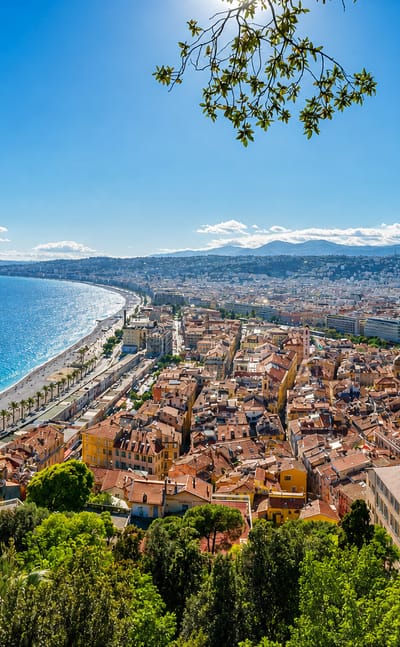 NiceFrance
Old Nice
Old Nice is the historic old town of Nice, packed below the Colline du Château at the east end of the seafront, a legacy of the House of Savoy.Where to stay →NiceFranceVernier
Vernier is a quarter of Nice, part of the city on the Côte d'Azur in Provence-Alpes-Côte d'Azur, France.Where to stay → NiceFrance
Quartier du Port
Quartier du Port is the harbour quarter of Nice, in Provence-Alpes-Côte d'Azur, France, named for the port at its heart.Where to stay →NiceFranceRue de France
Rue de France is a quarter of Nice named for one of the city's main streets, in Provence-Alpes-Côte d'Azur, France.Where to stay →NiceFranceRiquier
Riquier is an eastern quarter of Nice behind the Port Lympia, below the slopes of Mont Boron. The Église Notre-Dame-Auxiliatrice de Nice serves it.Where to stay →NiceFranceAuguste Raynaud
Auguste Raynaud is a district of Nice, on the French Riviera below the French Alps and close to the Mediterranean.Where to stay →NiceFranceCessole
Cessole is a quarter of the city of Nice, a residential district on the French Riviera between the Mediterranean and the French Alps.Where to stay →NiceFranceSaint-Sylvestre
Saint-Sylvestre is a residential quarter of Nice that carries the name of Saint Sylvester, in Provence-Alpes-Côte d'Azur, France.Where to stay → NiceFrance
L'Ariane
L'Ariane is a residential quarter of Nice, set around the Église Saint-Pierre de l'Ariane and the Chapelle Saint-Aubert de Nice.Where to stay →NiceFranceSaint-Pancrace
Saint-Pancrace is a residential quarter of Nice named after Saint Pancras, in Provence-Alpes-Côte d'Azur, France.Where to stay →NiceFranceLes Moulins
Les Moulins is a residential quarter of Nice, in the Provence-Alpes-Côte d'Azur region of France.Where to stay →NiceFranceQuartier de Valrose
Valrose is a quarter of Nice Nord, named for the Château de Valrose, whose ten-hectare Parc Valrose holds the science faculty of Université Côte d'Azur.Where to stay →Hotel links are affiliate links: booking through them may earn us a commission, at no extra cost to you. It never affects how places are ranked. How this works
Find hotels in Nice
Direct booking searches for these neighbourhoods.
The Promenade des Anglais
The long seafront promenade of Nice, with the beach, cafés, and shops just a few steps behind it.Find hotels in The Promenade des Anglaislanes and markets below Castle HillThe old town
The tight streets of old Nice below the Colline du Château, full of markets and small squares.Find hotels in The old townthe working harbour east of the centreThe Port
The harbour quarter around the Église Notre-Dame du Port, a rougher and more local corner of Nice.Find hotels in The PortHotel links are affiliate links: booking through them may earn us a commission, at no extra cost to you. It never affects how places are ranked. How this works
Things to do in Nice
Ranked by global recognition; descriptions from Wikidata (CC0).
Museums & Galleries
3- musée Marc-Chagall Heritage
- Musée des Beaux-Arts Jules Chéret Heritage
- Musée Masséna Heritage
Churches & Religious Sites
8- Monastère de Cimiez Heritage
- Sainte Jeanne d'Arc Church Heritage
- Church of Gesù, Nice Heritage
- Église orthodoxe russe Saint-Nicolas et Sainte-Alexandra de Nice Heritage
- Chapelle de la Miséricorde de Nice Heritage
Show 3 more →
- Église Notre-Dame du Port Heritage
- Chapelle de la confrérie du Saint-Sépulcre Heritage
- Église Notre-Dame-Auxiliatrice de Nice Heritage
Castles & Historic Sites
3- Grotte du Lazaret Heritage
- Château de l'Anglais Heritage
- Thermes de Cimiez Heritage
Stadiums & Sports
2- Clos bouliste Alexandre Thon
- boulodrome Sainte-Anne
Landmarks & Notable Places
1- Palais Baréty Heritage
worth knowingacross 5 categories in Nice
About Nice
What is Nice known for?
Nice is known as one of the great cities of the French Riviera, strung along the Mediterranean coast at the foot of the French Alps. The Promenade des Anglais runs the length of its seafront, the waterfront that helped win the city a place on the UNESCO World Heritage List. Painters loved the light here, and the Musée Matisse and the Musée Marc-Chagall keep their work.
Nice is the second-largest city of Provence-Alpes-Côte d'Azur, after Marseille. Sun, sea, and art define it.
What are the main landmarks in Nice?
Nice's landmarks run from the seafront to the hills. The Promenade des Anglais is the city's signature, a long seafront walk above the beach. Art fills the museums: the Musée Matisse, the Musée Marc-Chagall, and the modern collections of the musée d'art moderne et d'art contemporain de Nice.
Above the old town, the Colline du Château gives the widest view, while Cimiez holds the Roman ruins of Cemenelum and the Monastère de Cimiez. Terra Amata records the city's prehistoric past.
What is the history of Nice?
Nice has been lived in since deep prehistory. On the eastern edge of the city, Terra Amata and the Grotte du Lazaret preserve traces of some of the earliest known human habitation on this coast. Much later the Romans built their town, Cemenelum, on the hill of Cimiez, where the Monastère de Cimiez and Roman ruins still stand.
The medieval old town grew below the Colline du Château, the rocky height that long guarded the harbour below. Layer sits on layer here. Nice has always looked as much to the mountains and to Italy as to the rest of France beyond.
It lies only a short way from the French-Italian border, and a monument to Giuseppe Garibaldi recalls the city's long ties across it. In the cooler seasons foreign visitors came for the mild coast, and the seafront they favoured became the Promenade des Anglais. In 2021 that seafront and a large part of the old city joined the UNESCO World Heritage List.
As the prefecture of the Alpes-Maritimes department, Nice is the second-largest French city on the Mediterranean coast, after Marseille.
Where is Nice?
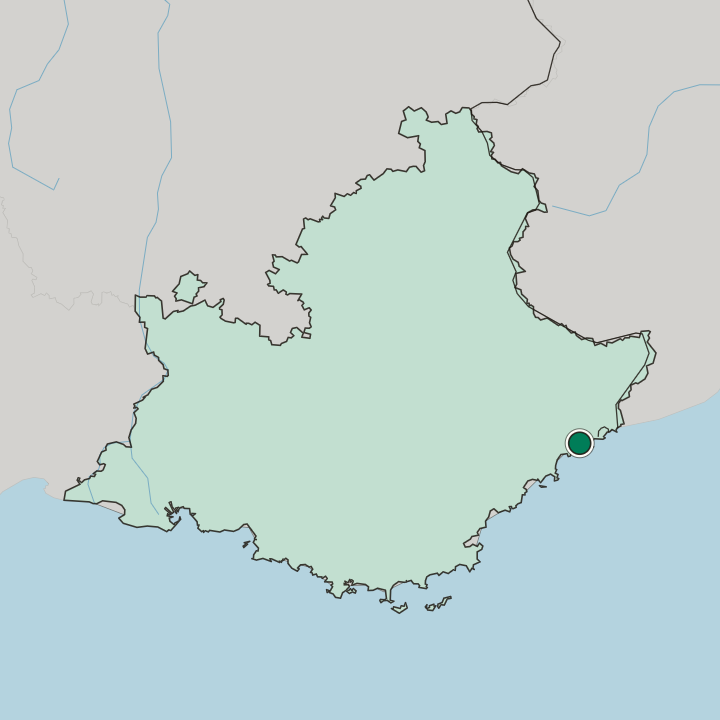
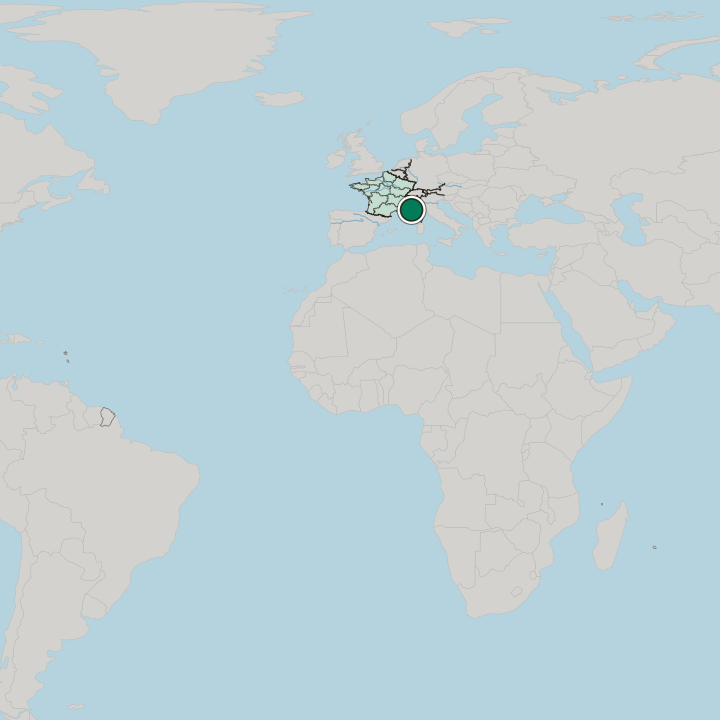
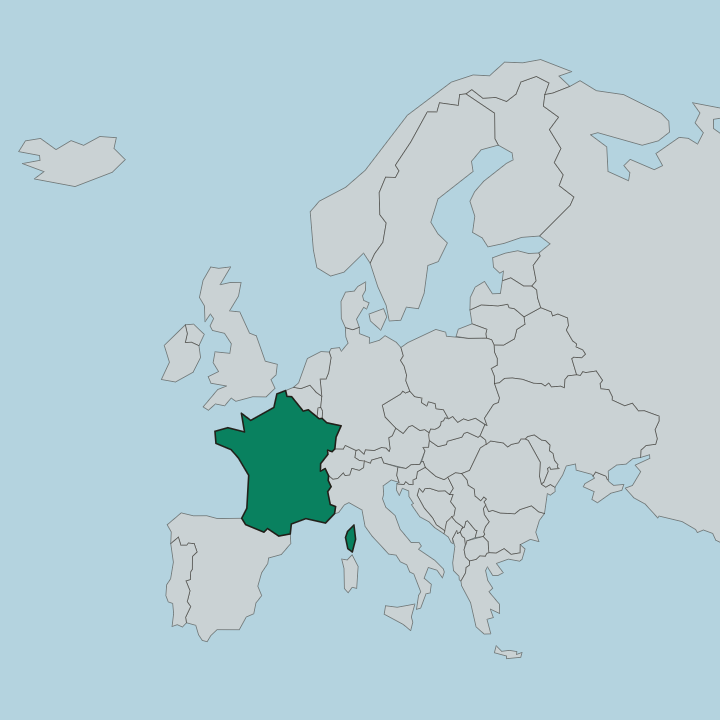
Nice sits on the Mediterranean Sea, on the southeastern coast of France, where the French Alps drop almost to the water. It is the prefecture of the Alpes-Maritimes department and one of the main cities of the French Riviera. The principality of Monaco lies a short way east along the coast, and the French-Italian border is not much further.
Hills crowd the shore. The sea lies on one side and the mountains at its back, leaving Nice little flat ground to spare.
What is the climate of Nice?
Nice has a mild Mediterranean climate that made its name. Winters are gentle for Europe, which is why visitors once came here for the cold season and gave the seafront its English name. Summers are hot, dry, and bright over the Mediterranean Sea.
Rain falls mostly in short autumn bursts. Shielded by the French Alps at its back, the coast stays warmer than the mountains just inland.
How do you get to Nice?
Nice is one of the easiest cities on the French Riviera to reach. Its airport sits just west of the centre along the coast, among the busiest in the south of France and the main way in for most travellers. Trains hug the coast.
They run along the Mediterranean, linking Nice with Monaco to the east, the French-Italian border beyond, and Marseille far to the west. Drivers take the coast road or the motorway through the hills.
Common questions
What is the best area to stay in Nice?
The Promenade des Anglais: beachfront stays on the seafront. The old town: lanes and markets below Castle Hill. Cimiez: quiet gardens and Roman ruins above the city. The Port: the working harbour east of the centre.
Good for
More cities in Provence-Alpes-Côte d'Azur
Updated October 2026