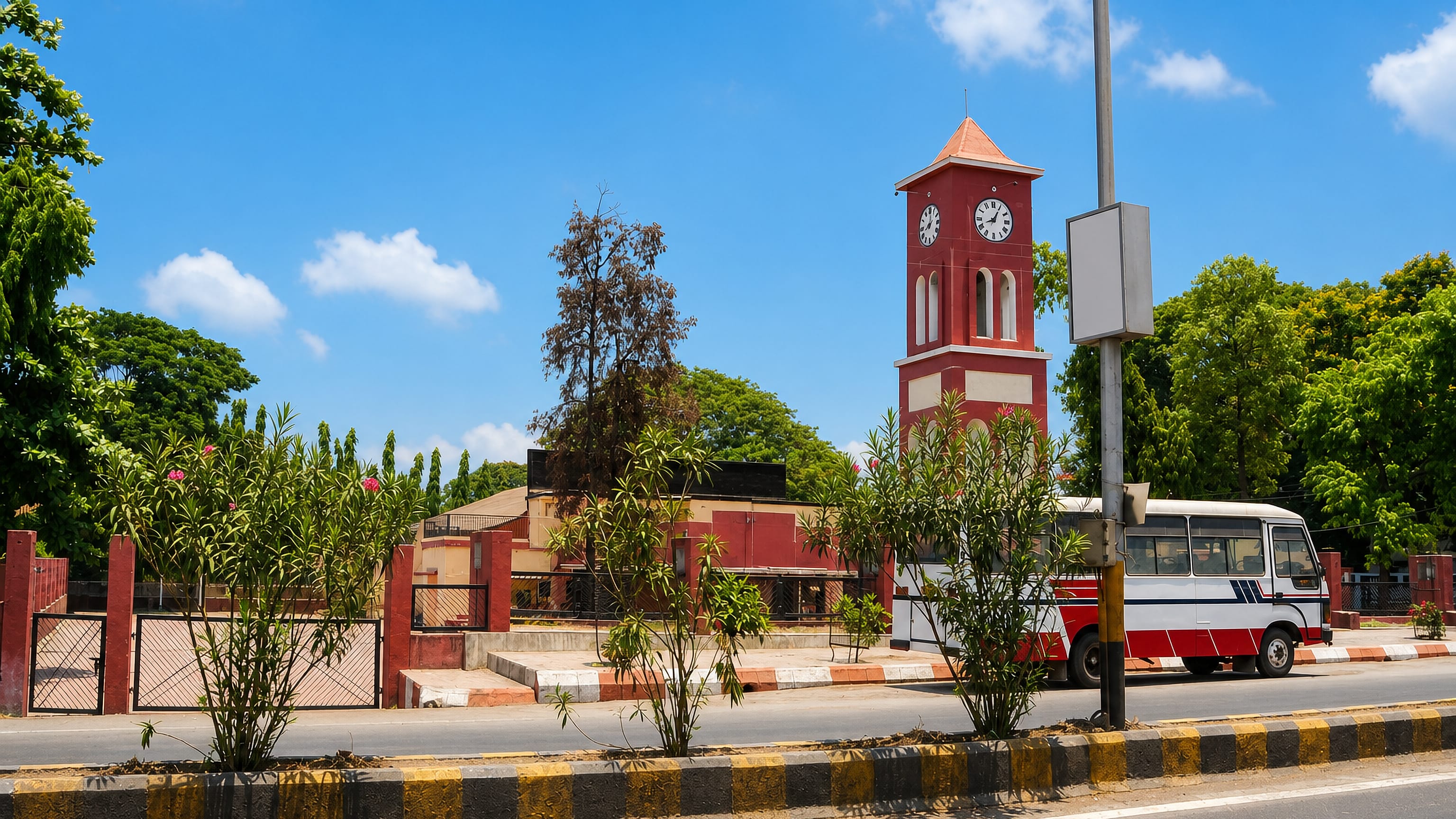
India
Dadra and Nagar Haveli and Daman and Diu, India — Towns & Travel Guide
A four-part Indian union territory of former Portuguese enclaves, the beaches of Daman and Diu, the forested hills of Nagar Haveli.
Hotel links are affiliate links: booking through them may earn us a commission, at no extra cost to you. It never affects how places are ranked. How this works


Towns & cities in Dadra and Nagar Haveli and Daman and Diu
One town here has its own guide — it links to where to stay.

 India
India
Silvassa
Silvassa heads Dadra and Nagar Haveli. The industrial town sits wedged between Gujarat and Maharashtra, and is the largest city in its union territory.Where to stay →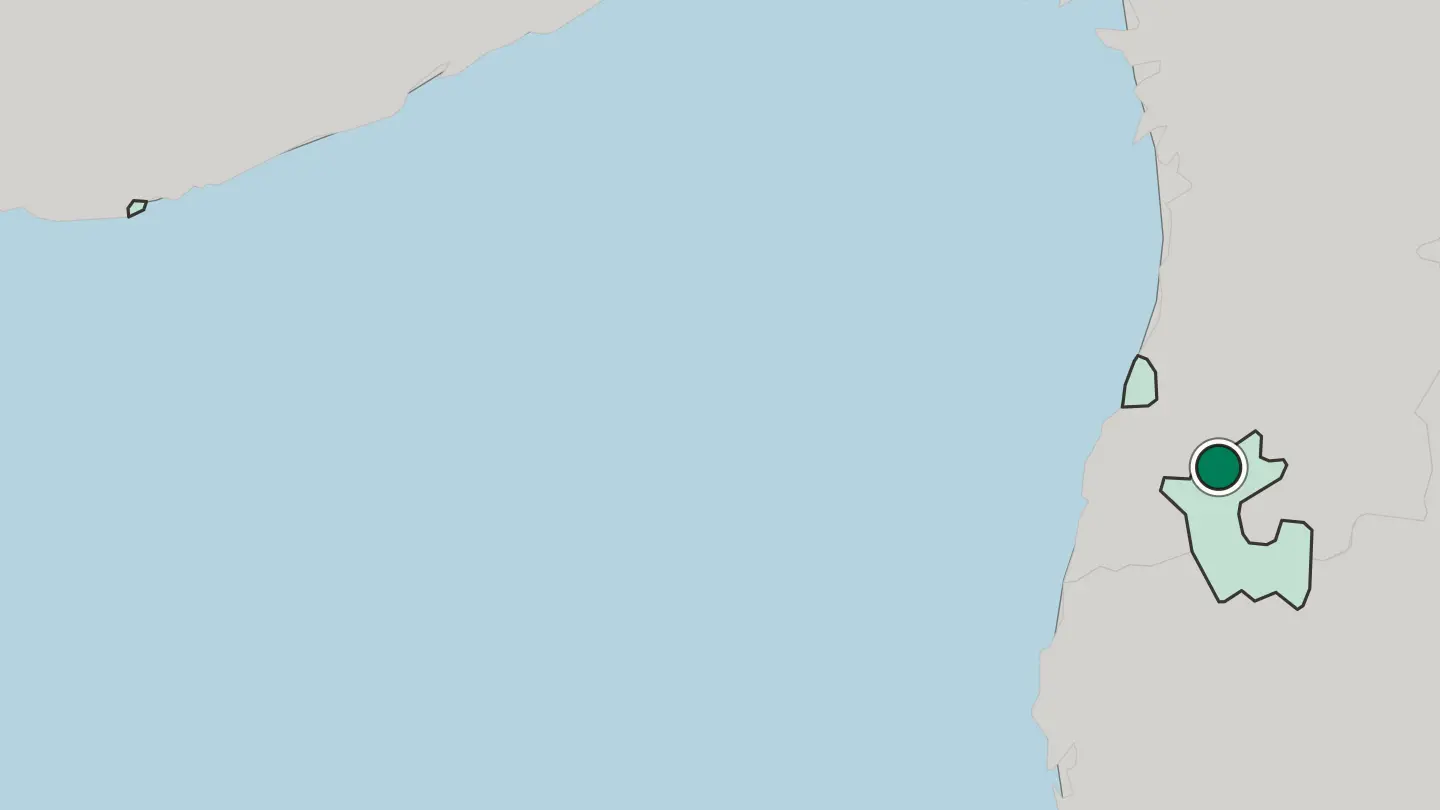
Hotel links are affiliate links: booking through them may earn us a commission, at no extra cost to you. It never affects how places are ranked. How this works
About Dadra and Nagar Haveli and Daman and Diu
What is Dadra and Nagar Haveli and Daman and Diu known for?
This is one of India's smallest units, and one of its strangest on a map. It gathers four separated pieces of former Portuguese India under a single administration. Two are coastal: Daman, a mainland enclave on the south Gujarat shore, and Diu, an island off the Kathiawar peninsula, both known for beaches, old forts, and baroque churches left by four centuries of Lisbon's rule.
Inland lie Dadra and Nagar Haveli, forested tribal country in the foothills of the Western Ghats, with Silvassa as their town. The Portuguese thread ties it all together.
Where is Dadra and Nagar Haveli and Daman and Diu?
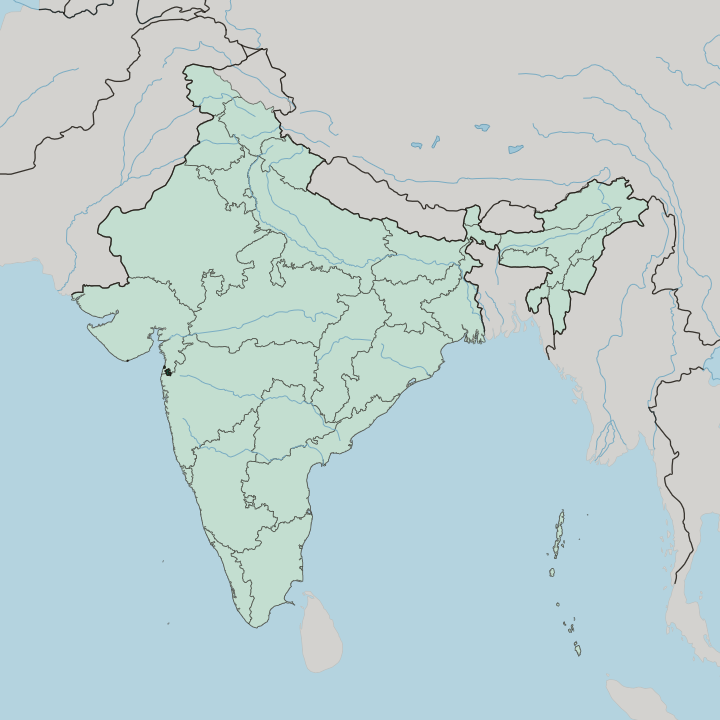
The territory is not one place but four, scattered along the west of India and never joined. Dadra and Nagar Haveli sit inland, wedged between the states of Gujarat and Maharashtra, a C-shaped enclave of hills that even holds a small counter-enclave of Gujarat within it. Silvassa is the town at their heart, set on the Damanganga where it comes down out of the Western Ghats toward the coast.
Daman lies apart from them on the shore, an enclave surrounded by Gujarat and opening onto the Arabian Sea. There the Damanganga reaches the sea and cuts the town in two. Diu is further off again.
It is an island at the southern tip of the Kathiawar peninsula, ringed by the Arabian Sea and tied to Gujarat's coast by a short bridge. Between these fragments run the ordinary districts of Gujarat, so a single trip across the territory crosses another state's land more than once. Roughly two-fifths of Nagar Haveli stays under forest, thick in the folds of the Ghats.
The rest of the territory is coast, river mouth, and island. Water and Gujarat lie between every part of it.
What is Dadra and Nagar Haveli and Daman and Diu like?
Two cultures live side by side. They rarely blend. On the coast the mark is Portuguese, worn into ordinary daily life.
Whitewashed churches, tiled façades, and Catholic feast days survive in Daman and Diu long after Lisbon left, and the cooking still carries seafood and coconut in a colonial key. Baroque cathedrals stand inside the old fort walls. Gujarati is the everyday tongue of the coast, with Hindi and English the working languages of administration.
Inland, the story belongs to the Adivasi people of Nagar Haveli. Varli, Dhodia, and Kokna communities farm the forested hills, and their painting, dance, and festivals fill the tribal museum at Silvassa. Little of the Portuguese coast reaches this far.
The two worlds share a government and almost nothing else, one facing the Arabian Sea and Europe, the other turned inward to the Western Ghats and its forest. Two territories, one name.
What is the history of Dadra and Nagar Haveli and Daman and Diu?
All four pieces were once Portuguese. Diu fell to Portugal in 1535, Daman in 1559, and Dadra and Nagar Haveli passed to Lisbon in 1779, held from the joint capital at Goa. The inland enclaves broke free first, taken in 1954 by a volunteer uprising that ended Portuguese rule there.
Daman and Diu held out until December 1961, when India took them by force in Operation Vijay. The separate territories were merged into a single union territory only in 2020, which is why the name strings four places together.
What is the climate of Dadra and Nagar Haveli and Daman and Diu?
The whole territory runs on the tropical monsoon. Summers turn hot and then heavy with humidity, the coast at Daman and Diu tempered a little by sea breeze off the Arabian Sea. The rains arrive with the southwest monsoon and soak the forested hills of Nagar Haveli from about June, greening the slopes below the Western Ghats.
Winters are dry and mild, and this is the season most travellers choose, from October into the following spring. Beach weather peaks in the cool months.
How do you get to Dadra and Nagar Haveli and Daman and Diu?
Aim at one fragment at a time. Diu makes it simplest, with a small airport of its own on the island, the easy way in for anyone coming for the beaches and the fort. For Silvassa and Daman, most travellers fly instead to Mumbai or Surat in Gujarat and drive the rest of the way down the coast.
The nearest railway to the inland enclaves is Vapi. It sits a short hop from Silvassa on the main coastal line, and roads through Gujarat stitch the scattered pieces together.
Common questions
What is the best area to stay in Dadra and Nagar Haveli and Daman and Diu?
Diu: quiet island beaches. Daman: Portuguese forts and seafront. Silvassa: forest and tribal Nagar Haveli.
Good for
More regions in India
Updated September 2026