India · State of Gujarāt
Where to Stay in Bhuj, State of Gujarāt
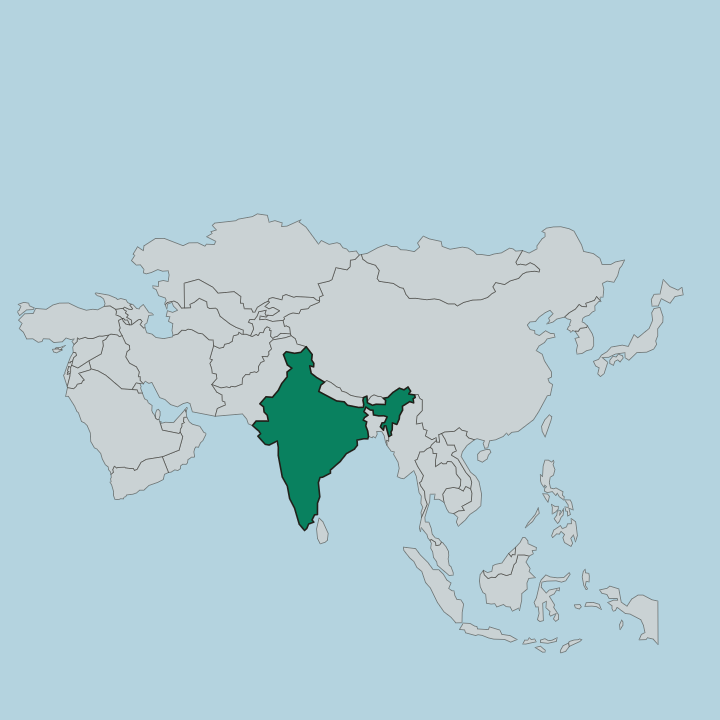
Bhuj is the old capital of Kutch in western Gujarat, India, a walled desert town of royal palaces on the edge of the great white Rann.
Hotel links are affiliate links: booking through them may earn us a commission, at no extra cost to you. It never affects how places are ranked. How this works


Where to stay in Bhuj
Where the beds are, and what that means for the visit.
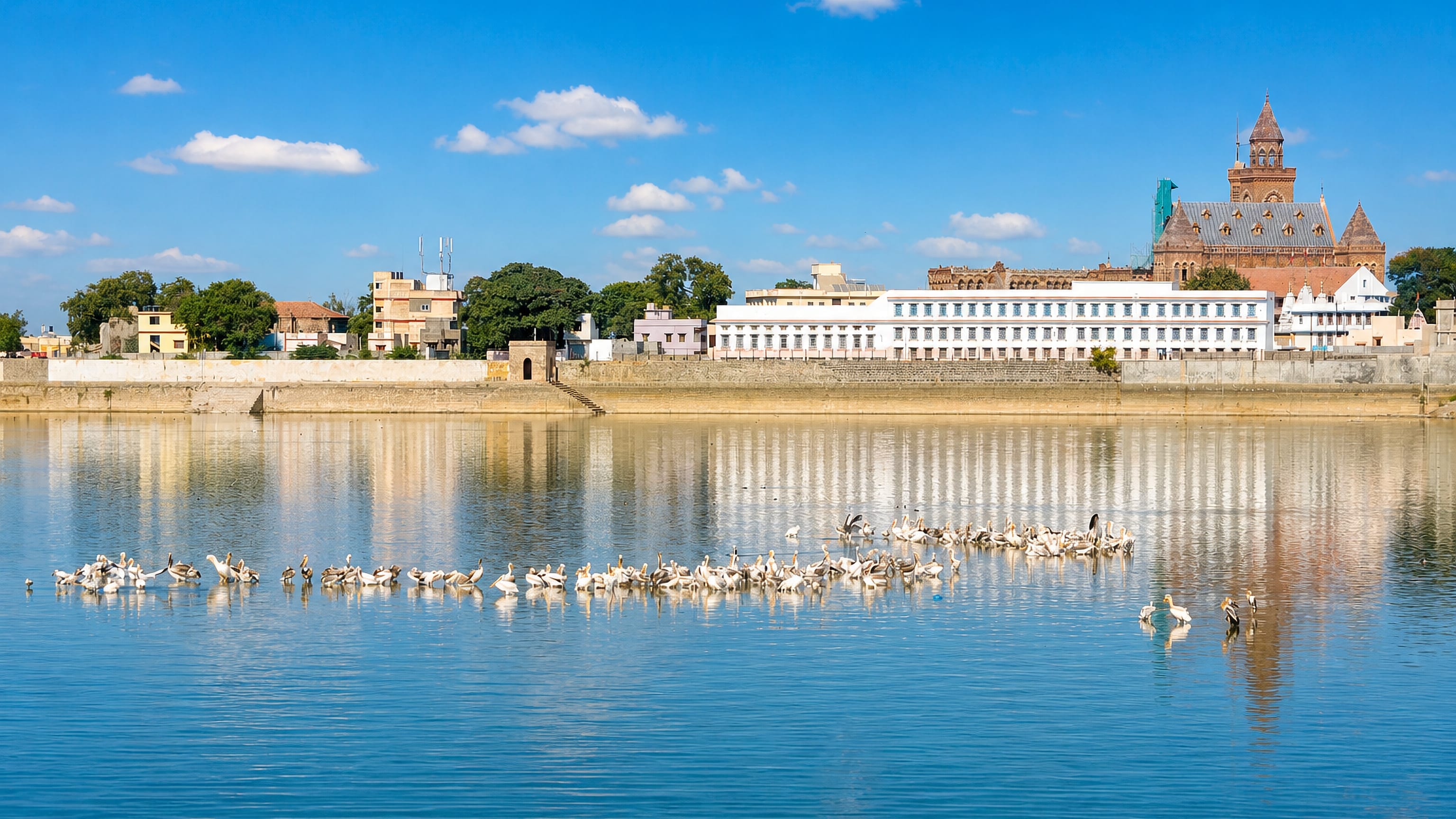
Where you stay in Bhuj turns on the old town or the Rann. The lanes around the palaces keep the Aina Mahal, the tank, and the bazaars within a walk, and staying downtown suits anyone here for the old city. The palaces rise over the tank.
Bazaars fill the walled lanes. Out toward the Rann and the craft villages, the town gives way to the salt desert, the artisan hamlets, and the wild plain. A room out of town trades the streets for the white salt flats, the embroidery villages, and the flamingos of the Rann.
The desert runs flat to the sky. Stay downtown for the palaces, or out for the Rann. Bhuj itself stands only a short drive back from the salt flats.
Find hotels in Bhuj
Direct booking searches for these neighbourhoods.
The old town
Around the Hamirsar tankFind hotels in The old townStays wanting the salt desert and craftsThe Rann and villages
Out on the desert plainFind hotels in The Rann and villagesHotel links are affiliate links: booking through them may earn us a commission, at no extra cost to you. It never affects how places are ranked. How this works
About Bhuj
Bhuj is the palace city of Kutch.
What is Bhuj known for?
On the dry plain of western Gujarat at the edge of the great salt desert, it was the seat of the rulers of Kutch, and it keeps the mirrored halls of the old Aina Mahal palace, the Italian-Gothic tower of the Prag Mahal, a walled old town around the Hamirsar tank, and the bright crafts of Kutch in the villages around. The white Rann runs flat beyond. The bare hills ring the town.
What are the main landmarks in Bhuj?
The Aina Mahal is the treasure of Bhuj. The old palace of mirrors and glass, its hall lined with Venetian mirrors and candle-lit fountains, stands by the Hamirsar tank, the emblem of the city, in the old town. A tall tower rises beside it.
The Italian-Gothic Prag Mahal lifts its clock tower over the palace grounds, while the walled old bazaars, the earthquake memorial, and the craft villages mark the country around Bhuj.
What is the history of Bhuj?
Bhuj was the seat of the rulers of Kutch. For centuries the princes of Kutch ruled their desert kingdom from a walled city here, building fine palaces around a great tank of water in a dry land. The kings built for beauty.
In the Aina Mahal they lined the walls with mirrors and Venetian glass, and in the Prag Mahal they raised a tall Italian-Gothic tower, blending the arts of Europe and India. Craft made the country famous. The villages of Kutch around the town wove and stitched and printed cloth of great beauty, embroidery, tie-dye, and block-print carried across the world, and Bhuj became the market of these crafts.
An earthquake struck it hard. In 2001 a great quake shook Kutch and threw down much of the old city, but Bhuj rose again, restoring its palaces and its walls, and a memorial now stands for the day. The palaces still ring the tank.
Bhuj keeps its palaces and its crafts on the edge of the Rann.
Where is Bhuj?
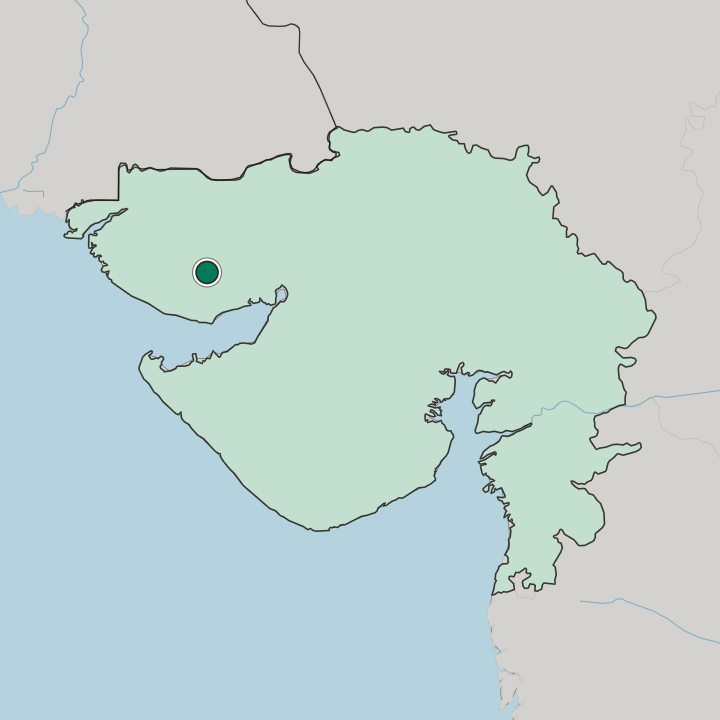
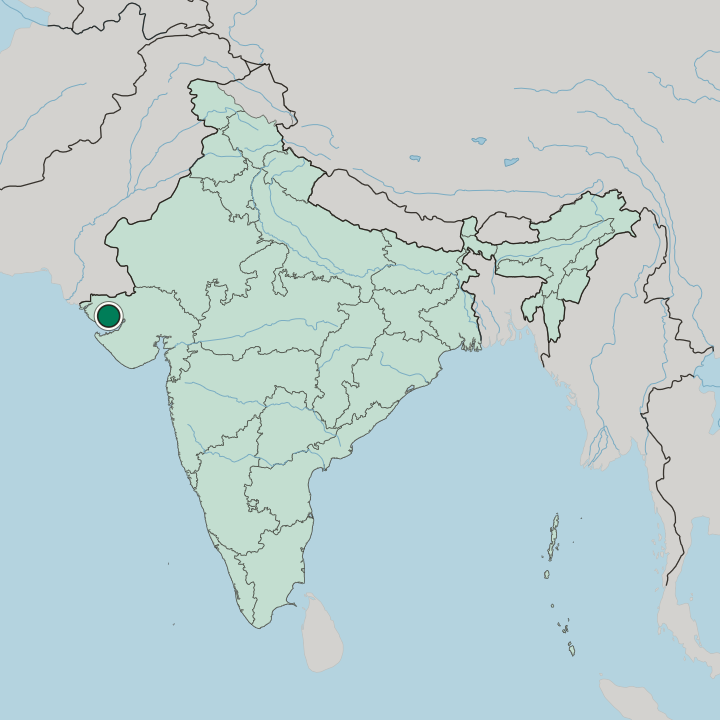
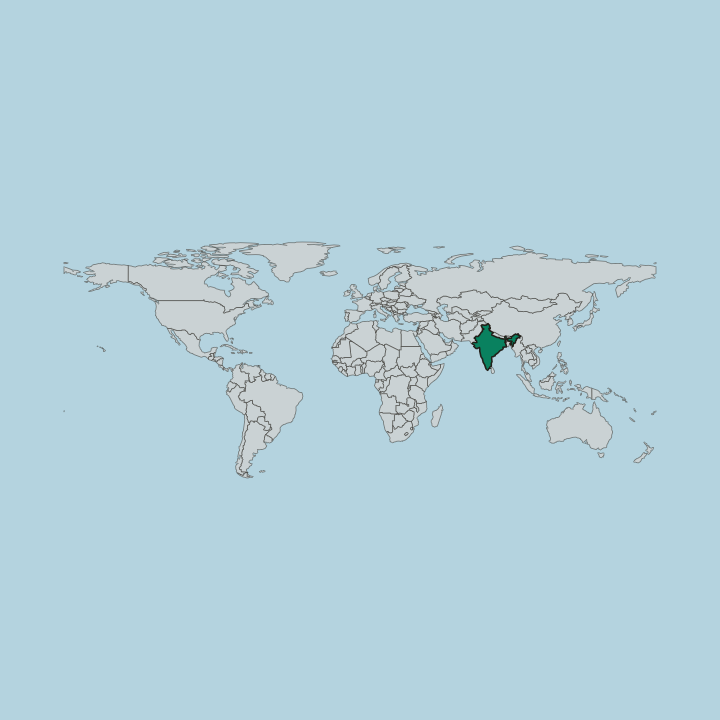
Bhuj lies in the west of Gujarat in India, on a dry plain at the foot of low hills. The city sits in the arid country of Kutch, between the bare Bhujia hill and the vast salt flats of the Rann, a land of desert, scrub, and thorn under a hard sun. The salt flats stretch north.
Bare hills rise over the town.
What is the climate of Bhuj?
Desert heat and dryness set the pattern in Bhuj. Scorching summers and mild winters hold on the plain, with fierce heat and dust in the long dry season and a short, light monsoon in summer. The summer sun blazes down.
Nights cool once the winter sets in.
How do you get to Bhuj?
Bhuj lies in western Kutch, on the road and rail into the desert of Gujarat. Trains and buses run to it across the plains from Ahmedabad and Gandhidham, and roads run out to the white Rann. Lanes ring the old palaces.
Ahmedabad lies east across the plain.
Common questions
What is the best area to stay in Bhuj?
The old town: Visitors here for the palaces and bazaars. The Rann and villages: Stays wanting the salt desert and crafts.
Good for
More cities in State of Gujarāt
Updated September 2026